
Main Courses
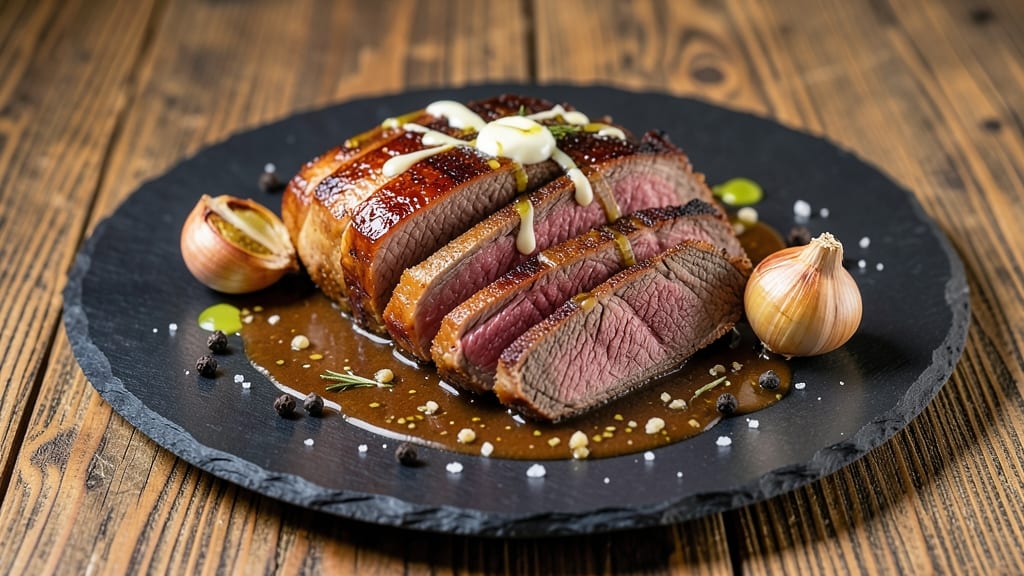
This Angus beef sirloin tip roast recipe delivers restaurant-quality results with a perfect balance of crispy pan-seared crust and juicy, tender center—the kind of meal that transforms a weeknight dinner into a special occasion.
The secret lies in a dry-brine method that enhances natural beef flavors while ensuring even cooking, paired with a high-heat sear that locks in moisture and creates that coveted caramelized exterior.
After years of perfecting this technique, I can confidently say this recipe delivers foolproof results every time, whether you're feeding a family or hosting a dinner party.
The process begins with preparing the roast—a simple but critical step that makes all the difference. A dry brine (salt applied 12-24 hours before cooking) ensures the meat stays moist and develops a deeper flavor, while a hot pan sear creates that irresistible crust.
From there, it’s all about controlled oven cooking at the right temperature to maintain juiciness without overcooking. The result? A perfectly cooked roast with a rich, beefy aroma that fills your kitchen and leaves everyone asking for seconds.
What sets this recipe apart is the versatility—it works equally well as a main course or a centerpiece for a holiday meal. Pair it with classic sides like roasted garlic mashed potatoes or a red wine reduction sauce for an elevated dining experience.
The resting time is just as important as the cooking, allowing the juices to redistribute for that melt-in-your-mouth tenderness you crave. This isn’t just another beef roast recipe; it’s a game-changer for anyone who loves a juicy, flavorful cut that feels like a luxury meal.
Ready to impress? The step-by-step instructions cover everything from prep to plating, including oven temperature guidelines, searing techniques, and resting times to ensure perfect results every time.
Whether you’re a seasoned cook or new to roasting beef, this recipe is designed to deliver professional-quality outcomes with minimal fuss. Let’s get started—your taste buds will thank you.
Ingredients for angus beef sirloin tip roast
Six essential ingredients transform a simple roast into a restaurant-worthy masterpiece.
| Ingredient | Amount | Notes |
|---|---|---|
| Angus Beef Sirloin Tip Roast 🥩 | 4 lb | Center-cut, 1-1.5 inches thick |
| Kosher Salt 🧂 | 2 tbsp | Diamond Crystal preferred |
| Freshly Ground Black Pepper 🌶️ | 1 tbsp | Cracked peppercorns preferred |
| Extra-Virgin Olive Oil 🫒 | 2 tbsp | High smoke point preferred |
| Unsalted Butter 🧈 | 4 tbsp | Cold, cubed |
| Garlic Cloves 🧄 | 4 cloves | Smashed, skin-on |
| Fresh Rosemary 🌿 | ½ oz | Fronds chopped, stems removed |
| Fresh Thyme 🌿 | ¼ oz | Leaves only, stems removed |
| Yellow Onion 🧅 | 1 whole | Cut into 1/2-inch slices |
| Red Wine 🍷 | ½ cup | Bold Cabernet Sauvignon preferred |
| Beef Stock 🥄 | 1 cup | Homemade or high-quality store-bought |
| All-Purpose Flour 🌾 | 1 tbsp | For dredging onions |
The Angus beef sirloin tip roast is the star here—center-cut and 1-1.5 inches thick for even cooking. Look for cuts with visible marbling at specialty butchers like D'Artagnan or high-end grocery stores. If buying pre-cut, verify the thickness; uneven pieces cook unevenly. The Diamond Crystal kosher salt is non-negotiable—its larger crystals dissolve slower, creating a deeper flavor crust. For the herbs, fresh rosemary and thyme from the grocery store's produce section (not dried) elevate the dish with aromatic depth. The red wine should be bold—Cabernet Sauvignon or Malbec—not cooking wine.
No red wine? Beef stock with a splash of balsamic vinegar works in a pinch. Fresh rosemary wilted? Dried thyme at half the amount bridges the gap, though texture suffers. The onions can be swapped for shallots, but yellow onions add subtle sweetness. For the butter, European-style unsalted (like Plugrá) has higher milkfat content, creating a richer crust. If you're prepping ahead, pat the roast dry with paper towels 30 minutes before cooking—this ensures maximum crust adhesion during searing. The flour for the onions is optional but adds crispiness when caramelized.
Store the roast uncovered in the fridge 12-24 hours before cooking for optimal dry-brine results. The herbs keep for 5-7 days wrapped in damp paper towels. The beef stock freezes well for up to 6 months, while the wine can be substituted with broth but loses depth. Portion the butter into small containers for easy access during searing. This roast reheats beautifully—warm in a 325°F oven for 15-20 minutes covered with foil to retain moisture, or slice and pan-sear for crispy edges.
Why You'll Love This Recipe
- Just Salt, Oil, Butter: I swear, the magic here is in the simplicity—no fancy rubs or complicated marinades. A big pinch of kosher salt, a drizzle of olive oil, and a pat of butter while it rests? That’s all you need to turn a tough cut into something so tender it nearly falls apart.
- Crowd-Pleaser Every Time: Between us, this roast is the one dish I can make that even my picky uncle stops complaining about. The rich beef flavor cuts through any side dish—mashed potatoes, roasted veggies, or even a simple salad—and leaves everyone asking for seconds.
- Leftovers That Don’t Suck: Honestly, I make this on purpose just to have leftovers. Slice it thin the next day, toss with a little pan sauce (the drippings are gold), and you’ve got a lunch that feels fancy but costs next to nothing. My kids actually want it for school lunches.
- Weeknight Hero: No brining, no basting, no stress. Seared in the pan, finished in the oven—it’s done while you’re still chopping veggies. And because it’s budget-friendly Angus, I can splurge on a bigger cut without breaking the bank. (Yes, even on a Tuesday night.)
Step-by-step instructions for pan-seared sirloin tip roast
Master this technique and you'll transform tougher cuts into melt-in-your-mouth perfection.
Prepare the Roast for Maximum Flavor and Crisp
Remove the 4 lb Angus Beef Sirloin Tip Roast from the refrigerator and let it sit at room temperature for 30 minutes before cooking. This ensures even cooking throughout. Pat the roast dry with paper towels—removing all moisture is critical for achieving that perfect crust.
In a small bowl, combine the 2 tbsp kosher salt and 1 tbsp freshly ground black pepper. Rub this mixture generously over all sides of the roast, pressing firmly so the seasoning adheres. The salt will penetrate the meat, enhancing flavor and texture. Let the seasoned roast rest for another 15 minutes while you prepare your pan.
Sear the Roast to Develop Deep Flavor
Heat a heavy oven-safe skillet (like cast iron) over medium-high heat until it's smoking hot. Add 2 tbsp extra-virgin olive oil and swirl to coat the bottom evenly. Place the roast in the pan, fat-side down, and sear undisturbed for 4-5 minutes until a deep golden-brown crust forms. You'll see the edges begin to crisp and pull away from the pan—this is your signal to flip.
Flip the roast and sear the other side for another 4-5 minutes. Remove the roast from the pan and place it on a cutting board. Let it rest for 5 minutes while you prepare the aromatics. This resting period is crucial—it allows the juices to redistribute, preventing them from running out when you slice.
Build the Red Wine Reduction
In the same skillet (no need to clean it—the browned bits are flavor gold), add the 4 smashed garlic cloves and cook for 30 seconds until fragrant. Add the 1 whole yellow onion, cut into ½-inch slices, and sprinkle with 1 tbsp all-purpose flour. Toss to coat the onions evenly, then cook for 2-3 minutes until they begin to soften and caramelize.
Pour in the ½ cup red wine and scrape up any browned bits from the bottom of the pan with a wooden spoon. This deglazing step captures all the concentrated flavor. Let the wine simmer for 3-4 minutes until it reduces by half and thickens slightly. You're building the foundation for your pan sauce—don't rush this step.
Braise for Tender Perfection
Return the roast to the skillet, fat-side up. Pour in the 1 cup beef stock and add the 4 tbsp cold cubed butter, 0.5 oz chopped fresh rosemary, and 0.25 oz fresh thyme leaves. The butter will melt and baste the roast as it cooks, adding richness and moisture.
Transfer the skillet to a preheated 325°F oven and braise for 2-2.5 hours, or until the internal temperature reaches 195-200°F when measured with a meat thermometer. The roast should be fork-tender with a deep pink center. If the liquid reduces too much before the roast is done, add a splash of water or stock to keep it moist.
Rest and Slice for Juicy Results
Remove the roast from the oven and transfer it to a cutting board. Tent loosely with foil and let it rest for 15-20 minutes. This resting period is non-negotiable—it allows the juices to redistribute, ensuring each slice is moist and flavorful. During this time, skim any excess fat from the pan sauce and reduce it briefly on the stovetop for a thicker consistency.
Slice the roast against the grain into ¼-inch thick slices. Serve immediately with the pan sauce spooned over the top. Each bite should deliver a perfect balance of crispy edges, tender meat, and rich, herby sauce. The roast should be juicy with a deep pink center, not gray or dry—this is the hallmark of a perfectly cooked sirloin tip roast.
Pro Tips For Making Angus Beef Sirloin Tip Roast
- Start with a Cold Pan: The sirloin tip roast is forgiving, but a cold pan means wasted heat and uneven searing. Heat your Dutch oven or heavy skillet on high for 5 minutes first—yes, even if you’re using a thick roast—so the butter and oil sizzle instantly when you add the meat.
- Pat It Dry, Then Salt: I used to skip the patting step, thinking the roast would dry out. Wrong. A damp surface steams instead of sears, so grab paper towels and press hard—especially around the seams. Then season generously with kosher salt (about 1 teaspoon per pound) and let it sit for 30 minutes. The salt draws out moisture, giving you that perfect crust later.
- Use the Two-Stage Butter Bash: After searing, don’t just toss in butter and walk away. First, add a splash of white wine or beef stock to deglaze—this scrapes up all the browned bits. Then, let it reduce by half before adding the cold butter. Stir constantly until the butter melts but doesn’t brown, or you’ll end up with a bitter sauce. (I learned this after ruining a batch with overcooked butter.)
- Rest It Under Foil, Not Air: The worst mistake? Slicing into that juicy roast too soon. Instead of resting it on a cutting board, tent it loosely with foil for 15 minutes. This keeps the heat trapped, letting the juices redistribute evenly. If you’re impatient (like me), at least wait 5 minutes—your slices will still be better than if you cut it fresh out of the pan.
Make-ahead tips for leftovers
Prep Ahead Strategy
The key to stress-free cooking is prepping your roast 12-24 hours in advance. Place the 4 lb Angus Beef Sirloin Tip Roast uncovered on a wire rack in the fridge during this time.
This dry-brine method enhances flavor and moisture retention—no extra salt needed during cooking! I always do this the night before for maximum convenience on the actual cook day. 💪
Sauce Prep Shortcut
Make your red wine reduction up to 3 days ahead and store it in an airtight container in the fridge. When ready to cook, simply reheat it gently on the stove while you sear the roast.
For extra richness, whisk in 1 tbsp cold butter at the end. This saves 15-20 minutes of active cooking time during your meal prep. ✨
Herb Prep Tips
Chop all your fresh rosemary and thyme the day before and store them in small containers with paper towels lightly dampened with water. This keeps them fresh for up to 5 days in the fridge.
I like to portion them into ¼ oz servings for easy access during cooking. The smashed garlic cloves can be prepped in advance too—just store them in a sealed container. 🌿
Make-Ahead Cooking
For a fully made-ahead meal, cook the roast completely (following all steps) and store it in the fridge for up to 3 days. Reheat by slicing and pan-searing the pieces for 2-3 minutes per side until warmed through.
The pan sauce can be reheated separately or added back during the final sear. This works especially well for weeknight dinners or holiday prep. 🍽️
Freezer-Friendly Method
If you're planning ahead for 2-3 months, freeze the fully cooked roast (before slicing) in an airtight container with the pan sauce. Thaw overnight in the fridge, then reheat in a 325°F oven for 20-25 minutes covered with foil.
For best results, slice and pan-sear after reheating to refresh the crust. The texture remains surprisingly tender when done right. ❄️
Portion Control Tips
For individual meal prep, slice the roast after cooking and portion into ¼ lb servings (about 3-4 slices per portion). Store these in quart-sized freezer bags with a splash of pan sauce.
Each portion reheats beautifully—just microwave for 1-2 minutes or pan-sear for 2 minutes per side. This makes lunch prep a breeze for the week ahead. 📅
Nutrition facts
Frequently asked questions
What's the best way to tell when my sirloin tip roast is perfectly cooked?
Use a meat thermometer for accuracy—aim for an internal temperature of 195-200°F for fork-tender perfection. The roast should have a deep pink center (not gray) and be fork-tender but still slightly springy. If you don't have a thermometer, cut into the thickest part: juices should run clear, not red.
Can I substitute a different cut of beef for the sirloin tip roast?
While sirloin tip is ideal for this recipe, you can use chuck roast or top round roast as alternatives. These cuts have more connective tissue, so increase the braising time by 30-45 minutes and use 350°F instead of 325°F for even cooking. The texture will be slightly more tender but equally flavorful.
Why does my roast turn out dry even after resting?
Overcooking is the most common cause—remove the roast when it reaches 195°F, not higher. Another issue could be not patting the meat dry before searing or skipping the rest time. Always let it rest 15-20 minutes before slicing, and slice against the grain for maximum tenderness.
How can I make this recipe more flavorful without adding extra ingredients?
Focus on the dry brine—apply 2 tbsp kosher salt 12-24 hours ahead for deeper flavor penetration. During searing, let the pan get smoking hot before adding oil to maximize crust development. Finally, deglaze with red wine and reduce it fully to concentrate flavors.
What are the best sides to serve with this roast?
Classic pairings include creamy mashed potatoes, roasted root vegetables, or a simple green salad with a tangy vinaigrette. For a heartier meal, try wild rice pilaf or buttery egg noodles. The rich beef flavor works beautifully with earthy, starchy, or fresh sides that balance its richness.