
Main Courses
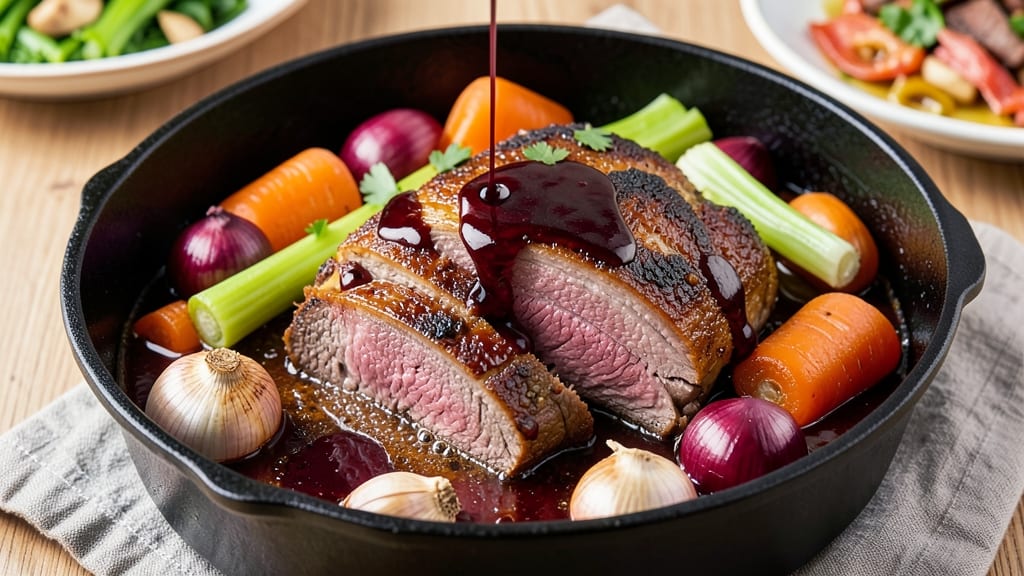
This Angus beef pot roast recipe transforms tough cuts into melt-in-your-mouth perfection through slow braising—where rich, caramelized flavors develop over hours, creating a dish so tender it nearly falls apart at the touch.
The secret lies in searing the meat first to lock in juices, then letting it simmer low and slow until the connective tissue dissolves into buttery richness. Whether you're cooking in a Dutch oven or using an Instant Pot, this method delivers restaurant-quality results at home with minimal effort.
The beauty of this recipe is its foolproof technique—no fancy skills required, just patience and a few simple ingredients. You'll start with a well-seasoned roast, browned to a deep mahogany crust, then braised in a flavorful liquid of red wine, beef stock, and aromatic vegetables.
The slow cooking process infuses every bite with depth, while herbs and spices add layers of complexity that elevate this classic comfort dish to something extraordinary. Even the gravy that forms at the bottom becomes a velvety sauce when reduced.
By the time you pull that pot from the oven, you'll have a pull-apart masterpiece—juicy, tender beef that shatters with each forkful, surrounded by caramelized vegetables and a rich, aromatic sauce.
The aroma alone will have everyone gathering around the table, while the first bite delivers that perfect balance of savory, sweet, and umami flavors. This is the kind of dish that turns a simple weeknight into a memorable feast, and it reheats just as beautifully the next day.
Serve it with classic sides like roasted potatoes, carrots, and crusty bread to soak up every drop of that luxurious sauce. The recipe scales effortlessly for gatherings, and the leftovers make for hearty lunches or sandwiches.
Let's get started on creating this showstopping centerpiece that proves slow cooking is the ultimate way to transform humble ingredients into something truly special.
Ingredients for angus beef pot roast
Sixteen ingredients. One unforgettable dish. Restaurant-quality tenderness at home.
| Ingredient | Amount | Notes |
|---|---|---|
| Angus Beef Chuck Roast 🥩 | 3 lb | Well-marbled, 2-2.5 inch thick |
| Yellow Onion 🧅 | 1 whole | Large, peeled and halved |
| Carrots 🥕 | 4 medium | Whole, peeled and halved |
| Celery Stalks 🥬 | 4 whole | Trimmed and cut into 2-inch pieces |
| Garlic Cloves 🧄 | 6 cloves | Peeled and smashed |
| Dry Red Wine 🍷 | 1 cup | Bold variety like Cabernet Sauvignon |
| Beef Stock 🍲 | 2 cups | High-quality, low-sodium |
| Tomato Paste 🍅 | 2 tbsp | Smooth, not chunky |
| Fresh Thyme 🌿 | 2 sprigs | Or 1 tsp dried thyme |
| Fresh Rosemary 🌿 | 1 sprig | Woody stems removed |
| Bay Leaves 🍃 | 2 whole | Dried, standard size |
| Salt 🧂 | 1 ½ tsp | Kosher or sea salt |
| Ground Black Pepper 🌶️ | 1 tsp | Freshly ground |
| Olive Oil 🫒 | 2 tbsp | For searing |
| All-Purpose Flour 🌾 | 1 tbsp | For dredging |
The beef is non-negotiable here—Angus chuck roast delivers that melt-in-your-mouth texture thanks to its marbling. Look for cuts with visible fat streaks at Costco or Whole Foods—they often carry pre-cut roasts that save time. If buying whole, ask the butcher to trim excess fat but leave the marbling intact. The roast should be 2-2.5 inches thick for even cooking. For best results, pull it from the fridge 1 hour before cooking to bring it to room temperature. Fresh thyme and rosemary from the grocery store's produce section (not the dried herb aisle) add that restaurant-quality aroma that makes this dish sing.
No red wine? Beef broth with 1 tbsp balsamic vinegar works in a pinch, though the acidity won't be as balanced. Fresh herbs wilt fast—use dried thyme at one-third the amount if needed, but fresh is ideal. The tomato paste can be from a squeeze tube (like Trader Joe's) for convenience, but smooth canned paste works too. For the vegetables, baby carrots or pre-cut celery save chopping time. The flour is just for dredging the roast before searing—don't skip this step, as it creates that crucial mahogany crust. If you're using an Instant Pot, reduce the wine and stock by 1/4 cup to account for the pressure cooking method.
This dish tastes even better the next day—plan ahead! Store leftovers in an airtight container in the fridge for up to 5 days, or freeze portions for 3 months. The sauce thickens as it cools, so you can thin it with a splash of beef stock when reheating. For meal prep, double the recipe and freeze half—just thaw overnight in the fridge before reheating. The roast reheats beautifully in the same pot over low heat, with a splash of water or stock to keep it moist. The aroma alone will have your house smelling like a French bistro for hours after cooking.
Why You'll Love This Recipe
- Here’s what sold me: the second day is just as good as the first. Shred that beef, toss it in a tortilla with some mashed potatoes, or serve it cold in sandwiches. The flavor only deepens, and I’m not kidding—my kids actually ask for leftovers. (Yes, even on a Tuesday night.)
- Weeknight Hero: Between us, this is the only pot roast that doesn’t feel like a holiday project. The chuck roast melts into tender perfection, and the veggies—onions, carrots, celery—soak up all that beefy flavor like a sponge. Honestly, it’s the kind of dish that makes me want to cook more often, not less.
- Leftovers That Win: Here’s what sold me: the second day is just as good as the first. Shred that beef, toss it in a tortilla with some mashed potatoes, or serve it cold in sandwiches. The flavor only deepens, and I’m not kidding—my kids actually ask for leftovers. (Yes, even on a Tuesday night.)
- Rich Without the Splurge: I’ll admit, Angus beef isn’t cheap, but this roast stretches farther than you’d think. The chuck stays juicy and flavorful, and the veggies add bulk without breaking the bank. Plus, the aromas—garlic, onions, and beef—fill the whole house, making it feel like a fancy dinner for half the price.
Step-by-step instructions for slow-braised Angus beef pot roast
Here's the proven method for transforming tough chuck roast into melt-in-your-mouth perfection.
Sear the Roast for Maximum Flavor
Pat the 3 lb Angus Beef Chuck Roast dry with paper towels—this ensures a proper sear. Heat a heavy Dutch oven over medium-high heat and add the 2 tbsp olive oil. Once shimmering, place the roast fat-side down and sear for 5 minutes without moving it. You'll see golden brown crust forming—this is your flavor foundation.
Flip the roast and sear the other side for another 5 minutes. Then, sprinkle the 1 tbsp all-purpose flour evenly over both sides and shake off any excess. Return to the pot and sear for another 3 minutes per side until deeply browned. Remove the roast and set aside—this initial sear creates the rich crust that infuses the braising liquid with deep flavor.
Sauté Vegetables and Build the Braising Liquid
In the same Dutch oven, add the 1 whole yellow onion (halved), 4 medium carrots (halved), and 4 whole celery stalks (cut into 2-inch pieces). Cook over medium heat for 5 minutes until the vegetables begin to soften. Add the 6 cloves garlic (smashed) and cook for another 30 seconds until fragrant.
Stir in the 2 tbsp tomato paste and cook for 1 minute until it darkens slightly. Pour in the 1 cup dry red wine, scraping up any browned bits from the bottom of the pot—this is where all the flavor hides. Let it simmer for 2 minutes until reduced by half. The wine should smell rich and concentrated, not sharp.
Braise Until Fork-Tender
Return the seared roast to the Dutch oven along with the 2 cups beef stock, 2 sprigs fresh thyme, 1 sprig fresh rosemary, 2 whole bay leaves, 1.5 tsp salt, and 1 tsp ground black pepper. Bring to a simmer, then cover tightly with a lid. Transfer to a preheated 325°F oven and braise for 3 hours.
After 3 hours, check for doneness by inserting a meat thermometer into the thickest part of the roast—it should read 200-205°F. The meat should be fork-tender, falling apart easily when pressed. If not quite there, return to the oven for another 30-45 minutes. The long, slow cook time breaks down the tough muscle fibers, transforming the meat into luxurious tenderness.
Rest and Serve with Perfect Sauce
Remove the roast from the pot and transfer to a cutting board. Tent loosely with foil and let rest for 15-20 minutes. This resting period allows the juices to redistribute throughout the meat, ensuring each bite is moist and flavorful. During this time, skim any excess fat from the braising liquid.
Return the roast to the pot and spoon the reduced braising liquid over the top. The sauce should coat the meat beautifully, thickened by the natural gelatin released from the slow cooking process. Slice against the grain into ½-inch thick pieces for maximum tenderness. Serve immediately with the vegetables and sauce spooned over the top—each bite delivers rich, buttery beef with deep, complex flavors.
Pro Tips For Making Angus Beef Pot Roast
- SEAR THE ROAST LONG: Angus chuck needs a deep, dark crust—don’t rush the sear. Five minutes per side in a screaming-hot Dutch oven with oil until it’s the color of mahogany. I used to flip too soon, and the meat turned out bland. Let the pan get properly hot first, or you’ll just steam it.
- CUT VEGETABLES UNIFORM: Chop onions, carrots, and celery into even 1-inch chunks. Uneven pieces mean some cook too fast and turn mushy while others stay raw. My grandmother swore by this, and she was right: consistency matters more than you’d think.
- SALT THE MEAT TWICE: Season the roast generously before searing, then add another pinch of salt mid-cooking when you flip it. The first layer gets absorbed, but the second ensures flavor penetrates all the way through. I learned this the hard way—dry, salty crust but bland inside.
- USE COLD BUTTER: Toss the seared roast and veggies in 2 tablespoons of cold butter (yes, even if you’re impatient like me) before adding liquid. The butter melts slowly, basting the meat and adding richness without burning. Skip the oil-only approach—it’s the thing that makes a real difference.
Best sauces and condiments for this recipe
Classic Red Wine Gravy
The braising liquid from your pot roast transforms into a luxurious sauce when reduced and thickened. After removing the roast, strain the cooking liquid through a fine-mesh sieve to remove herbs and vegetables.
Place the liquid in a saucepan and simmer over medium heat for 10-15 minutes until reduced by half. Stir in 1 tbsp cornstarch mixed with 2 tbsp cold water and cook until thickened to a glossy consistency.
The result is a velvety sauce that clings to every bite of tender beef. 🍷
Herbed Butter Finish
For an extra layer of flavor, prepare a simple herbed butter by mixing 2 tbsp softened butter with 1 tsp chopped fresh thyme, 1 tsp chopped parsley, and a pinch of salt.
Dollop small spoonfuls over each serving just before eating—the butter melts into the hot roast, adding richness and freshness. This finishing touch elevates the dish to restaurant-quality perfection.
Mustard Cream Sauce
Blend ½ cup crème fraîche with 1 tbsp Dijon mustard, 1 tsp Worcestershire sauce, and a splash of beef stock for a tangy, creamy alternative. Drizzle this sauce over the roast and vegetables for a bright contrast to the deep, savory beef.
The mustard adds a subtle kick that cuts through the richness, balancing the dish beautifully. 💛
Pan Jus for Extra Depth
After removing the roast, deglaze the Dutch oven with ½ cup beef stock, scraping up all the browned bits from the bottom. Simmer for 5 minutes, then strain and reduce by half.
This pan jus is packed with concentrated flavor from the searing process—it’s perfect for drizzling over the roast or using as a dipping sauce for crusty bread.
Horseradish Cream
Mix ¼ cup sour cream with 1 tbsp prepared horseradish, 1 tsp lemon juice, and a pinch of salt for a spicy-sweet contrast. Spoon this vibrant sauce alongside the roast for those who enjoy a bit of heat.
The horseradish’s sharpness cuts through the beef’s richness, adding a refreshing dimension to each bite.
Nutrition facts
Frequently asked questions
What makes Angus beef better for pot roast than regular beef?
Angus beef contains more marbling—those delicate fat streaks within the muscle—which melts during slow cooking, creating incredibly tender, flavorful meat. The higher fat content also helps keep the roast moist during the long braising time. Regular beef cuts may dry out or lack the same rich, buttery texture. For best results, always choose well-marbled chuck roast.
Can I cook this pot roast in a slow cooker instead of an oven?
Sear the roast first in a skillet, then transfer it to your slow cooker with all the vegetables and braising liquid. Cook on low for 8-10 hours or high for 5-6 hours until fork-tender. The slow cooker method is especially convenient for weeknight meals—just add the ingredients in the morning and come home to a ready-to-serve dinner.
Why does the recipe call for resting the meat after cooking?
Resting allows the juices to redistribute throughout the meat instead of pooling on the cutting board. When you slice into freshly cooked roast, those precious juices would escape, leaving you with dry meat. The 15-20 minute rest period ensures every bite stays moist and flavorful. Pro tip: Tent the roast loosely with foil to keep it warm while resting.
What's the best way to reheat leftover pot roast?
Place the roast in its original pot with a splash of beef stock or water (about ¼ cup) and heat over low-medium heat until warmed through. The sauce will thicken as it reheats. For crispier vegetables, add them to the pot during the last 5 minutes of reheating. Never microwave—it turns the meat tough and dry. Leftovers reheat beautifully and taste even better the next day!
Can I substitute wine with something else in this recipe?
Yes, but the flavor will differ. For a non-alcoholic option, use 1 cup beef broth + 1 tbsp balsamic vinegar. For a richer alternative, try 1 cup beef stock + 1 tbsp soy sauce. The wine adds depth and acidity that balances the richness of the beef—if substituting, adjust seasoning to taste.