
Main Courses
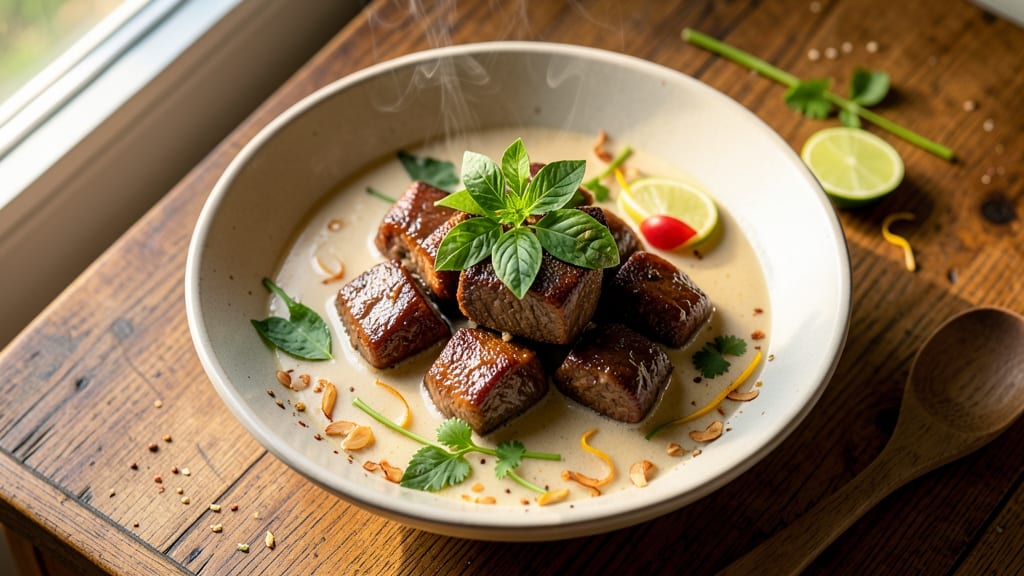
America's Test Kitchen Panang Beef Curry delivers restaurant-quality depth with perfectly balanced heat and fragrant coconut notes. This recipe transforms tough beef into tender, flavorful bites through precise searing and slow simmering—techniques that elevate home cooking to professional standards.
The secret lies in building layers of spice and aroma without overwhelming the dish.
The curry's signature balance comes from a careful blend of traditional Panang spices and a touch of sweetness that rounds out the heat. You'll start with a rich, caramelized base before adding coconut milk for that signature creamy texture.
Each step is designed to maximize flavor while keeping the process straightforward—no complicated techniques required.
What you'll end up with is a curry that's rich yet refined, with beef that falls apart at the touch of a fork and a sauce that's velvety smooth.
The aroma alone will have everyone gathering at the table, while the balanced flavors make it approachable for any crowd. This is comfort food with sophistication.
Serve with steamed jasmine rice and fresh cilantro to complete the presentation. The recipe scales beautifully for both weeknight dinners and special occasions, proving that authentic flavors can be both impressive and accessible. Let's get cooking with confidence.
Ingredients for america's test kitchen panang beef curry
Rich spices, tender beef, and velvety coconut milk create this restaurant-quality curry.
| Ingredient | Amount | Notes |
|---|---|---|
| Beef Chuck Roast 🥩 | 1 ½ lb | Cut into 1.5-inch cubes |
| Coconut Milk 🥥 | 1 can | Full-fat, 13.5 oz can |
| Panang Curry Paste 🌶️ | 2 tbsp | Store-bought or homemade |
| Fish Sauce 🍶 | 1 tbsp | Red Boat preferred |
| Brown Sugar 🍚 | 1 tbsp | Light or dark |
| Lime Juice 🍋 | 1 ½ tbsp | Freshly squeezed |
| Garlic Cloves 🧄 | 4 cloves | Minced |
| Shallots 🧅 | 2 whole | Minced |
| Yellow Onion 🧅 | 1 whole | Diced |
| Vegetable Oil 🫒 | 2 tbsp | High smoke point |
| Salt 🧂 | 1 tsp | Kosher or sea |
| Black Pepper 🌶️ | ½ tsp | Freshly ground |
| Fresh Cilantro 🌿 | ¼ cup | Chopped, for garnish |
| Jasmine Rice 🍚 | 1 ½ cups | Uncooked, for serving |
The beef is non-negotiable here—chuck roast delivers that melt-in-your-mouth texture after slow cooking. Look for well-marbled cuts at Whole Foods or your local butcher shop. If using pre-cubed beef, aim for 1.5-inch pieces for even cooking. For the curry paste, Maesri or Thai Kitchen brands are reliable, but if you're feeling adventurous, make your own with lemongrass, galangal, and kaffir lime leaves. The coconut milk should be full-fat—no light versions here—and Thai Kitchen cans are widely available.
No Panang curry paste? Substitute 1 tbsp each of curry powder, lemongrass paste, and galangal for a close approximation. Fish sauce can be swapped for soy sauce plus a pinch of sugar, though the umami depth won't be identical. Brown sugar substitutes? Coconut sugar or maple syrup work in a pinch. The lime juice is crucial—Mexican limes have more tartness, but regular limes will do. Fresh garlic and shallots are ideal, but jarred minced garlic (the good stuff, not the watery kind) saves time. If you're short on cilantro, fresh mint or basil adds a nice contrast.
This curry tastes even better the next day, so make extra—it reheats beautifully. Store in an airtight container in the fridge for 4-5 days or freeze for 3 months. For serving, cook the jasmine rice separately—1.5 cups uncooked yields about 4 cups cooked. Garnish with cilantro right before serving, as it wilts quickly. The flavors deepen as it sits, so let it rest for 10 minutes after cooking.
Why You'll Love This Recipe
- One-Pot Magic: I swear by this recipe when I don’t want to dirty a dozen dishes—just sear the beef, toss in the Panang paste and coconut milk, and let it simmer. The fish sauce and brown sugar meld into a rich, velvety sauce without any extra bowls or straining.
- Umami Bomb: That first bite of tender beef falling apart in a sauce that’s both creamy and tangy? The Panang paste brings the heat and depth, while the fish sauce cuts through with this addictive savory punch. Honestly, my takeout curry days are over.
- Weeknight to Dinner Party: Same recipe, totally different vibes—serve it over rice with lime wedges for a quick weeknight meal, or drizzle with cilantro and toasted cashews for a restaurant-worthy dish. My roommates don’t even question why I make it twice a week.
- Budget Stretch: A single chuck roast feeds my family for days, and the curry paste and coconut milk stretch thin when reheated—perfect for lunches or freezing. Between us, this is my go-to for stretching a paycheck without sacrificing flavor.
Step-by-step instructions for america's test kitchen Panang beef curry
Master this balanced curry with rich coconut depth and aromatic heat through precise technique.
Prepare the Beef and Aromatics
Cut the 1.5 lb Beef Chuck Roast into 1.5-inch cubes for even cooking. Pat them dry with paper towels—this ensures a better sear later. In a small bowl, combine the 2 tbsp Panang Curry Paste, 1 tbsp Fish Sauce, 1 tbsp Brown Sugar, and 1.5 tbsp Lime Juice. Mix well until smooth. This marinade will infuse the beef with complex flavors while tenderizing it.
Finely mince the 4 cloves Garlic Cloves, 2 whole Shallots, and dice the 1 whole Yellow Onion. The shallots and garlic add sweetness and depth, while the onion provides structure. Set aside—you'll need these for the base of your curry.
Sear the Beef for Maximum Flavor
Heat 2 tbsp Vegetable Oil in a large Dutch oven over medium-high heat until shimmering. Working in batches if needed, add the beef cubes in a single layer. Let them sear undisturbed for 2-3 minutes until deeply browned on all sides. This step develops the Maillard reaction, creating rich, caramelized flavors that form the foundation of your curry.
Once browned, transfer the beef to a plate and set aside. In the same pot, reduce heat to medium and add the minced garlic, shallots, and diced onion. Sauté for 5-6 minutes until softened and fragrant. This aromatic base will carry the curry's depth of flavor.
Build the Curry Base
Return the seared beef to the pot along with the marinade mixture. Stir to coat the beef evenly in the paste. Pour in the 1 can Coconut Milk, ensuring the paste is fully dissolved. Add 1 tsp Salt and 0.5 tsp Black Pepper, then bring the mixture to a gentle simmer over medium-low heat. Partially cover the pot and let it cook for 1 hour, stirring occasionally.
During this time, the beef will tenderize and absorb the coconut milk's richness. The curry should reduce slightly, intensifying its flavors. Taste the sauce after 45 minutes—if it needs more balance, adjust with a splash of water or an extra ½ tbsp Fish Sauce for umami depth.
Finish and Serve
Once the beef is fork-tender (it should easily pull apart), stir in the 0.25 cup Fresh Cilantro and cook for an additional 2-3 minutes just to wilt the herbs and infuse their bright flavor into the sauce. Remove from heat and let it rest for 5 minutes—this allows the flavors to meld.
Serve the curry over 1.5 cups cooked Jasmine Rice, ensuring each portion gets a generous spoonful of the aromatic sauce. The rice should be fluffy and slightly sticky, providing the perfect contrast to the rich, spiced beef. Garnish with extra cilantro if desired, and enjoy immediately while the flavors are at their peak.
Pro Tips For Making America'S Test Kitchen Panang Beef Curry
- BLOOM THE PASTE FIRST: Don’t just toss that Panang curry paste into the pot raw—it’ll clump like glue. Instead, bloom it in 1 tablespoon of oil over medium heat for 2-3 minutes until it’s fragrant and slightly darkened. I learned this the hard way when my curry tasted like wet cardboard because the paste never got a chance to wake up.
- CUT THE CHUCK SMALLER: The recipe calls for 2-inch chunks, but I now swear by 1.5-inch pieces max. Smaller cuts cook faster and more evenly, so you won’t end up with a mix of overcooked edges and underdone centers. Yes, it looks less rustic, but the texture is what matters here.
- SIMMER, DON’T BOIL: Once the coconut milk hits the pot, drop the heat to low and let it bubble gently—never a rolling boil. High heat will split the milk, turning your creamy curry into a greasy, curdled mess. Trust me, your future self will notice the difference.
- SAVE THE FISH SAUCE: Taste the curry before adding all the fish sauce—it’s salty, and you’ll likely need less than the recipe suggests. I used to dump it all in and end up with a briny disaster. Start with half, let it sit 10 minutes, then adjust. You can always add more, but you can’t take it out.
Flavor customization for this america's test kitchen panang beef curry
Spice Level Control
Panang curry traditionally balances heat with sweetness, but you can adjust the spice level to your taste. For a milder version, reduce the Panang curry paste to 1 tbsp and add ½ tsp honey to round out the flavors.
If you love heat, increase the paste to 3 tbsp and add ½ tsp chili flakes for extra kick. I find 1 tbsp Thai bird’s eye chili (finely chopped) adds depth without overwhelming the dish. 🌶️
Sweetness Adjustments
The brown sugar in this recipe adds natural sweetness that balances the heat, but you can tweak it based on preference. For a richer profile, swap the brown sugar for 1 tbsp coconut sugar or 1 tbsp date syrup.
If you prefer less sweetness, reduce the sugar to ½ tbsp and add 1 tsp fish sauce for extra umami. The lime juice also plays a role—using Mexican limes (more tart) intensifies the brightness.
Creaminess Variations
Coconut milk is the heart of this curry, but you can experiment with textures. For a lighter version, mix ½ can coconut milk with ½ can light coconut milk—just be aware the sauce may separate slightly.
For extra richness, stir in 2 tbsp Greek yogurt or 1 tbsp coconut cream at the end for a velvety finish. I’ve also seen success using cashew cream (blended soaked cashews) for a nutty twist.
Protein Swaps
While beef is classic, this curry works beautifully with other proteins. For chicken, use 1.5 lbs boneless thighs (cut into chunks) and reduce cooking time to 40 minutes. For tofu, press and cube 1 block extra-firm tofu, then pan-fry until golden before adding to the curry.
Shrimp cooks in just 10 minutes—add it in the last 5 minutes to avoid overcooking. Each protein absorbs the sauce differently, so adjust cooking times accordingly.
Vegetable Add-Ins
Add texture and freshness with vegetables that complement the curry’s richness. Bell peppers (red or green) hold up well to simmering, while baby potatoes (halved) add heartiness. For greens, stir in 1 cup spinach or bok choy in the last 2 minutes to wilt.
I love adding sliced mushrooms (sautéed first) for an earthy depth. Just avoid watery veggies like zucchini—they’ll turn mushy.
Herb and Garnish Tweaks
Fresh herbs elevate the dish, but don’t be afraid to get creative. Swap cilantro for Thai basil or mint for a brighter finish. For a smoky touch, garnish with toasted coconut flakes or crushed peanuts.
A drizzle of sriracha or chili oil adds heat, while lime zest brightens the plate. I often serve mine with quick-pickled red onions (thinly sliced onions tossed in lime juice and a pinch of sugar) for a tangy contrast. 💫
Nutrition facts
Frequently asked questions
Can I use a different cut of beef for this curry?
While chuck roast is ideal for its marbling and tenderness, you can substitute with chuck shoulder or brisket (cut into 1.5-inch cubes). Avoid lean cuts like sirloin—they'll dry out during the long simmer. For quicker cooking, use ribeye steak (cut into strips) and reduce simmering time to 30 minutes.
How do I adjust the spice level for kids or sensitive eaters?
Start by reducing the Panang curry paste to 1 tbsp instead of 2. Add ½ tsp honey or maple syrup to balance flavors without heat. For extra mildness, strain the sauce through a fine-mesh sieve to remove visible spices. Serve with plain yogurt on the side for cooling contrast.
Can I make this curry in a slow cooker or Instant Pot?
For a slow cooker, sear the beef first, then add all ingredients and cook on low for 6-7 hours or high for 3-4 hours. For an Instant Pot, use the Sauté function to sear, then pressure cook on high for 25 minutes (natural release). The Instant Pot version will be slightly thinner—add 2 tbsp coconut milk at the end if needed.
Why does my curry taste too salty?
Most likely, the fish sauce or Panang paste contributed extra sodium. Balance it by adding 1-2 tbsp lime juice (cuts saltiness) or ½ cup coconut milk (dilutes flavor). Avoid adding water—it makes the sauce watery. Taste as you go! If using low-sodium fish sauce, reduce the amount to ½ tbsp initially.
How can I make this curry ahead of time?
This curry tastes even better the next day! Let it cool completely, then store in an airtight container in the fridge for 4-5 days or freeze for 3 months. Reheat gently on the stove over low heat, stirring occasionally and adding 1-2 tbsp water if too thick. The flavors meld beautifully overnight.