
Soups & Stews
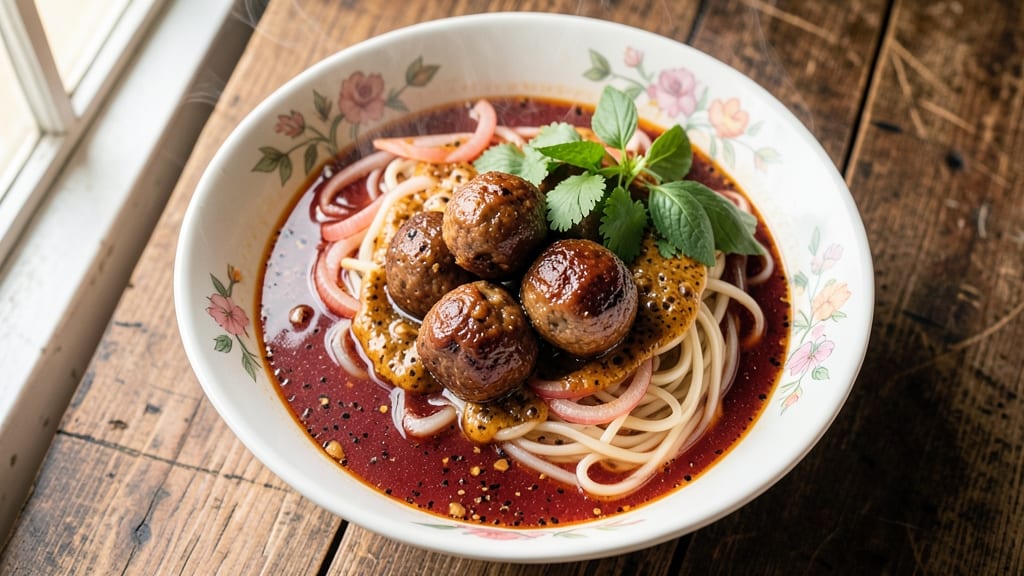
This beef ball pho recipe transforms humble ingredients into a restaurant-quality bowl that balances bold spice with silky coconut broth. 🔥 The secret lies in wok-searing the beef balls until deeply caramelized—a technique that unlocks their full umami potential while keeping the centers tender.
I've perfected this version over countless batches, where the aromatic broth simmers just long enough to develop depth without becoming overpowering.
What sets this pho apart is the marriage of traditional methods and modern convenience: slow-simmered spices infuse the broth with layers of ginger, star anise, and cinnamon, while the beef balls get their signature texture from a quick sear in a hot wok.
The rice noodles soak up the fragrant broth beautifully, creating a dish that's both comforting and vibrant. Each spoonful delivers a perfect harmony of heat, richness, and freshness.
By the time you assemble your bowl with fresh herbs, lime wedges, and bean sprouts, you'll have a dish that looks as impressive as it tastes—golden caramelized beef balls floating in a glossy broth, topped with bright garnishes that pop against the deep colors.
The beauty of this recipe is its balance: rich enough to satisfy, light enough to enjoy any time of day.
Whether you're serving a crowd or meal prepping for the week, this pho adapts beautifully. The broth freezes well, and you can make the beef balls ahead to save time on busy days. Here's how to create this Vietnamese classic at home.
Ingredients for beef ball pho
Humble ingredients transform into restaurant-quality pho with bold spice and silky coconut richness.
| Ingredient | Amount | Notes |
|---|---|---|
| Ground Beef (80/20) 🥩 | 1 ½ lb | Lean-to-fat ratio for juiciness |
| Fresh Ginger 🧄 | ½ cup | Finely minced, aromatic base |
| Garlic Cloves 🧄 | 6 cloves | Freshly minced for depth |
| Coconut Milk 🥥 | 13 ½ oz | Full-fat for creaminess |
| Beef Broth 💧 | 4 cups | Homemade or high-quality store-bought |
| Fish Sauce 🍶 | 1 tbsp | Red Boat brand preferred |
| Soy Sauce 🥫 | 2 tbsp | Light soy for balance |
| White Wine Vinegar 🍋 | 1 tbsp | Brightens the broth |
| Star Anise 🌟 | 2 whole | Whole pods for simmering |
| Cinnamon Sticks 🌿 | 2 whole | For aromatic depth |
| Cardamom Pods 🌿 | 3 whole | Lightly crushed for flavor |
| Rice Noodles 🍜 | 12 oz | Flat or round rice noodles |
| Fresh Thai Basil 🌿 | ½ cup | For garnish, stems removed |
| Bean Sprouts 🌱 | 1 cup | Fresh for crunch |
| Lime Wedges 🍋 | 2 whole | For serving |
The ground beef is non-negotiable—80/20 fat ratio gives those beef balls their signature caramelized crust while keeping centers tender. Grab it from butcher counters if possible, or the pre-ground packages at Costco work great for batch cooking. Fresh ginger and garlic? Asian markets have the best selection—look for plump, firm ginger with no soft spots and garlic cloves that smell pungent. The coconut milk should be full-fat, not light—it's what gives the broth that luxurious silkiness. For the spices, whole star anise and cinnamon sticks are key; they infuse the broth beautifully and can be removed after simmering.
No fish sauce? Soy sauce plus a pinch of salt gets you close, though it won't have that exact umami punch. Running low on star anise? 1 tsp ground anise seed works in a pinch (but whole pods are better). The rice noodles can be any type—flat or round—just make sure they're fresh (not dried in a block for years). For the basil, Thai basil is ideal, but regular basil in a squeeze works too. Bean sprouts? Trader Joe's sells them pre-washed, which saves time. If you can't find them, snow peas or shredded cabbage add nice texture.
The beef balls keep 2 days in the fridge, covered tightly. Broth freezes beautifully—portion into ice cube trays for easy reheating. Fresh herbs like basil and bean sprouts last 5 days wrapped in damp paper towels. Lime wedges? Keep them in a sealed container in the fridge—they'll stay fresh for 2 weeks. This whole dish reheats like a dream—just warm the broth and noodles separately, then assemble fresh with the garnishes. Leftovers taste even better the next day as flavors meld.
Why You'll Love This Recipe
- No-Chop Nightmare: I swear by this recipe when I’m too tired to mince ginger or garlic. Just toss in a big chunk of ginger and a few smashed cloves—no knife skills required. The high-fat ground beef even renders its own juices, so you’re basically hands-off until the aroma hits.
- Creamy-Ginger Magic: That coconut milk and beef broth combo? It’s where the recipe gets good. The ginger infuses deep, the garlic caramelizes just enough to hit every spoonful, and the 80/20 beef adds richness without tasting greasy. Honestly, it’s the kind of bowl that makes you pause mid-sip of water to take another bite.
- Lunchbox Hero: Between us, this is my go-to for meal prep. The broth stays warm for days, the beef balls hold up perfectly, and I just portion the toppings (rice, herbs, lime) separately. Pack it cold or reheat it—either way, it’s a hit. My kid even sneaks seconds when I’m not looking.
- Budget Bowl Win: Ground beef, coconut milk, and broth? That’s a grocery list that won’t break the bank. I’ve made this for $3 a serving, and it still feels like a restaurant-quality meal. Plus, the leftovers taste just as good the next day—no sad, watery pho here.
Step-by-step instructions for wok-seared beef ball pho
Here's how to turn simple ingredients into bold, aromatic beef balls and a velvety coconut broth that'll wow your dinner guests.
🔥 Step 1: Create the Spiced Beef Ball Mixture
In a large bowl, combine the 1.5 lb ground beef (80/20) with the 0.5 cup fresh ginger (finely minced) and 6 cloves garlic cloves (minced). Add 1 tbsp fish sauce, 2 tbsp soy sauce, and 1 tbsp white wine vinegar. Mix gently with your hands until just combined—overworking makes the meat tough.
Here's the thing—don't skip the vinegar. It brightens the flavor and helps tenderize the beef. Roll the mixture into 1-inch balls (about 12-15 total) and place them on a plate. Refrigerate for 30 minutes while you prep the broth. This resting time lets the flavors meld and makes the beef balls easier to handle.
🍳 Step 2: Build the Aromatic Coconut Broth
In a large pot, combine the 4 cups beef broth, 13.5 oz coconut milk, 2 whole star anise, 2 whole cinnamon sticks, and 3 whole cardamom pods. Bring to a gentle simmer over medium heat (don't boil vigorously—this prevents the spices from burning). Let it simmer uncovered for 10 minutes to infuse the flavors.
I always strain the broth after simmering to remove the whole spices, but you can leave them in if you prefer a more intense aroma. The coconut milk will create a naturally creamy texture without needing heavy cream. Taste and adjust seasoning with more fish sauce or soy sauce if needed—this is your flavor base.
🔥 Step 3: Wok-Sear the Beef Balls for Maximum Flavor
Heat a wok or large skillet over high heat until smoking hot. Working in batches (don't crowd the pan), sear the beef balls for 2-3 minutes per side until they develop a deep golden brown crust. This step is crucial—it creates that restaurant-quality texture and flavor.
As they brown, the fat will render out. Don't drain it—use it to baste the beef balls for extra richness. You'll know they're ready when the outside is crispy and the inside reaches 160°F when checked with a meat thermometer. Transfer the cooked beef balls to the simmering broth and let them poach for 5 minutes to absorb the flavors.
🥘 Step 4: Assemble the Perfect Bowls
Bring a pot of water to a boil and cook the 12 oz rice noodles according to package directions (usually 3-5 minutes). Drain and rinse briefly under cold water to stop the cooking process. Divide the noodles among 4 bowls and top each with 3-4 beef balls and some of the coconut broth.
Garnish each bowl with 1 cup bean sprouts, 0.5 cup fresh Thai basil (stems removed), and a lime wedge. The contrast of textures—crisp sprouts, tender noodles, and chewy beef balls—makes every bite exciting. Serve immediately while the broth is hot and the noodles are al dente.
🍽️ Step 5: Finish with Fresh Lime and Herbs
Before serving, squeeze a little lime juice over each bowl (about 1 lime wedge per bowl). The acidity cuts through the richness of the coconut milk and beef, balancing all the flavors. Sprinkle with additional Thai basil if you're feeling fancy—it adds that authentic pho aroma.
Here's my pro tip: Always serve with extra lime wedges on the side. Some people love more acidity than others, and having them available lets everyone customize their bowl. The combination of the wok-seared beef balls, silky broth, and fresh garnishes makes this pho experience truly special.
Pro Tips For Making Beef Ball Pho
- CRUSH THE GARLIC GINGER: Start by smashing the garlic cloves with the flat of your knife—no chopping needed. For ginger, use a microplane and zest just the pale yellow part (the green skin is bitter), then toss it in the pan with the garlic. I learned this the hard way after burning a batch of pho from overcrowding chopped ginger.
- BROWN THE BEEF IN BATCHES: Split the ground beef into two piles and cook them separately over medium-high heat. This keeps the meat from steaming instead of browning, which is non-negotiable for flavor. If you rush it, you’ll end up with a sad, grayish paste instead of rich, caramelized beef balls.
- SIMMER THE COCONUT MILK LOW: Once you add the coconut milk, drop the heat to the lowest setting and let it barely simmer—no boiling. I was skeptical until I tried it: skipping the boil keeps the milk from curdling and gives the broth a silky texture instead of a split, greasy mess.
- STRAIN THE BROTH TWICE: After simmering the beef broth with aromatics, strain it through a fine-mesh sieve first, then a cheesecloth for a crystal-clear result. Yes, it takes an extra minute, but cloudy broth ruins the clean, elegant look of pho—and trust me, your future self will notice the difference.
Storing and reheating this recipe
Broth Storage Secrets
The coconut broth is the heart of your pho, and it freezes like a dream. Portion it into ice cube trays or small silicone molds—I love the Stasher bags for single servings.
Let it cool completely, then transfer to a freezer-safe container with 1-inch headspace for expansion. Label with the date, as it keeps its best quality for 3 months.
When reheating, never microwave it directly—this can make it greasy. Instead, transfer a portion to a saucepan with 2 tablespoons water and warm over low heat until steaming.
The water helps restore the broth's natural silkiness. I like to reheat just until hot, then finish with a squeeze of lime to brighten the flavors. 🥥
Beef Ball Make-Ahead Magic
Cooked beef balls reheat beautifully and actually taste better the next day. Store them in an airtight container with a thin layer of broth to prevent drying.
They'll keep for 2 days in the fridge—perfect for meal prep. When reheating, warm them in the broth on low heat for 5-7 minutes until heated through.
For freezing, place the cooked beef balls on a tray lined with parchment paper and freeze until solid. Then transfer to a freezer bag with the broth.
They'll keep for 2 months. Thaw overnight in the fridge before reheating. The key is to warm them gently to avoid toughness. 💡
Noodle Refresh Tips
Cooked rice noodles dry out quickly, so store them in an airtight container with a damp paper towel to keep them pliable. They'll stay fresh for 2 days in the fridge.
For reheating, I like to soak them in warm broth for 2-3 minutes—this revives their texture without making them mushy.
If you're prepping ahead, cook the noodles just slightly underdone (check package times) and store them separately. When ready to serve, finish cooking them in the hot broth for 1-2 minutes. This two-step method keeps them perfectly al dente every time. 🍜
Garnish Freshness
Fresh herbs like Thai basil and bean sprouts are best used within 5 days of purchase. Store them in sealed containers with a paper towel to absorb excess moisture. Lime wedges last 2 weeks in the fridge if kept in a sealed container with the stem-side down.
For maximum freshness, wash and dry the herbs just before serving. The crisp texture is essential for that authentic pho experience. I like to keep a small container of pre-washed bean sprouts in the fridge for quick assembly—no chopping required! 🌱
Nutrition facts
Frequently asked questions
Can I make this beef ball pho recipe without coconut milk?
For a lighter broth, replace the coconut milk with 1 cup heavy cream or 1/2 cup evaporated milk—just reduce the beef broth to 3 cups to maintain balance. For a dairy-free option, use 1/2 cup cashew cream (blend soaked cashews with water) or an extra 1/2 cup beef broth. The coconut adds natural creaminess, but these substitutes work well.
How do I prevent the beef balls from falling apart when searing?
Undercooked beef balls are the #1 culprit! First, ensure your ground beef reaches 160°F internally when checking with a meat thermometer. Second, chill the raw balls for 30 minutes before cooking—the cold temperature helps them hold together. Finally, sear them in batches without overcrowding the pan, and resist the urge to press down on them while cooking.
What's the best way to adjust the spice level?
This recipe balances heat subtly, but you can customize it easily. For more spice, add 1/2 tsp chili flakes to the broth or 1 tbsp sriracha when serving. For milder flavor, reduce the fish sauce to 1 tsp and omit the white wine vinegar. The coconut milk naturally mellows heat, so you can always add fresh chili slices or extra lime at the table for a spicy kick.
Can I use ground turkey or chicken instead of beef?
Yes, but expect different textures and flavors. Ground turkey (85/15) works best—it's leaner than beef, so add 1 tbsp olive oil to the mixture for moisture. For chicken, use 93/7 lean ground chicken and reduce the cooking time to 1-2 minutes per side (it cooks faster). The broth will still be delicious, but the protein will be lighter and less rich. The wok-searing technique remains the same!
How do I make this recipe gluten-free?
Swap the regular rice noodles for gluten-free rice noodles (check labels—they're widely available at Asian markets or health food stores). For the broth, use gluten-free fish sauce** (like Red Boat's gluten-free version) and ensure your beef broth is certified gluten-free. The beef balls are naturally gluten-free as written, but always double-check your ground beef packaging for potential cross-contamination warnings.