
Main Courses
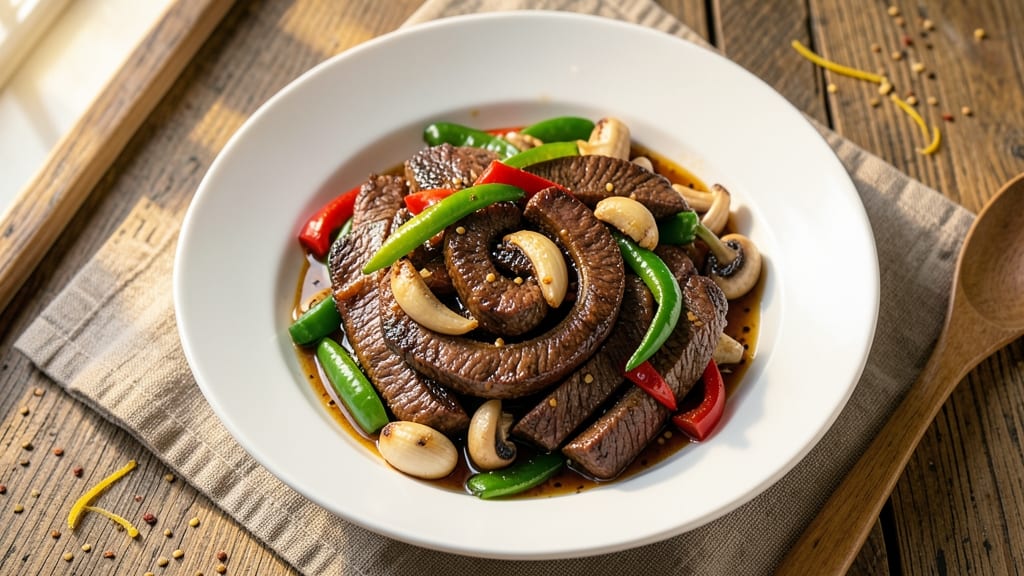
America's Test Kitchen beef stir-fry delivers restaurant-quality results in 30 minutes with crisp-tender beef and bright quick-pickled vegetables. This recipe solves the common problem of overcooked stir-fry—using a high-heat wok technique and precise timing to lock in juiciness while achieving that perfect caramelized crust.
The secret lies in marinating the beef just long enough to tenderize without overpowering its natural flavor, then cooking it in small batches to maintain consistent doneness.
The quick-pickled vegetables add a tangy crunch that cuts through the richness of the beef, balancing each bite with fresh acidity.
Unlike many stir-fry recipes that rely on heavy sauces, this version uses a simple yet flavorful sauce made with soy sauce, garlic, and a touch of honey—just enough to enhance without overwhelming.
The technique of prepping all ingredients before cooking ensures nothing sits waiting while you work, making this a true one-pan wonder that still feels like a restaurant meal.
What sets this recipe apart is the foolproof method for achieving crisp-tender beef every time, even for home cooks. The beef is sliced against the grain for maximum tenderness, then cooked in a hot wok with just enough oil to create that signature wok hei (breath of the wok) flavor.
The quick-pickled vegetables add vibrant color and texture, while the sauce ties everything together with a perfect balance of savory, sweet, and umami notes.
Serve this beef stir-fry over steamed jasmine rice or noodles for a complete meal that’s quick to prepare but feels special. The leftovers reheat beautifully, making it ideal for meal prep or feeding a crowd.
Ready in 30 minutes with minimal cleanup, this recipe proves that restaurant-quality stir-fry is absolutely achievable at home—without the guesswork.
Ingredients for america's test kitchen beef stir fry
Restaurant-quality beef stir-fry in 30 minutes—crisp-tender beef meets bright quick-pickled veggies for perfect balance.
| Ingredient | Amount | Notes |
|---|---|---|
| Flank Steak 🥩 | 1 ½ lb | Sliced against grain, 1/4-inch thick |
| Vegetable Oil 🫒 | 2 tbsp | High smoke point preferred |
| Cornstarch 🌾 | 1 tbsp | For tenderizing beef |
| Soy Sauce 🍶 | 3 tbsp | Low-sodium preferred |
| Honey 🍯 | 1 tbsp | Light variety |
| Garlic Cloves 🧄 | 4 cloves | Minced, fresh preferred |
| Fresh Ginger 🌿 | 1 tbsp | Finely grated |
| Carrots 🥕 | 2 medium | Julienned, 2-inch pieces |
| Bell Pepper 🧅 | 1 medium | Red or yellow, sliced |
| White Vinegar 💧 | 1 tbsp | For pickling |
| Granulated Sugar 🍚 | 1 tbsp | For pickling |
| Jasmine Rice 🍚 | 1 ½ cups | Uncooked, long-grain |
| Sesame Oil 🫒 | 1 tsp | Toasted, for finishing |
| Green Onions 🧅 | 3 whole | Sliced, for garnish |
| Salt 🧂 | 1 tsp | Kosher or sea salt |
The flank steak is your secret weapon—sliced against the grain for maximum tenderness. Look for a well-marbled cut at Whole Foods or your local butcher. If you can't find flank, sirloin works too, but slice it thinner. The cornstarch marinade is non-negotiable—it creates that signature crisp-tender texture while keeping the beef juicy. Penzeys sells pre-ground cornstarch if you're short on time, but the canister in your pantry works fine. For the quick-pickled veggies, carrots and bell peppers need to be cut uniformly—about 2-inch pieces for even cooking. The vinegar and sugar work fast, so prep them right before stir-frying to keep that bright crunch.
No soy sauce? Coconut aminos or tamari work in a pinch, though the flavor will differ slightly. Short on honey? Maple syrup at half the amount gets you close. The ginger and garlic are where the magic happens—fresh is non-negotiable here. If you've got a microplane, zest the ginger instead of grating it for a finer texture. The bell pepper can be any color, but red or yellow add the most vibrant pop. For the rice, jasmine rice is ideal, but basmati or long-grain white will work. The sesame oil is just for finishing—don't cook with it, or it'll turn bitter. Trader Joe's has a great toasted variety that's perfect for this.
Prep everything before you start cooking—this isn't a recipe to wing. The beef marinates for just 15 minutes, so time it right. Quick-pickled veggies keep for 3 days in the fridge if stored in an airtight container, but they're best fresh. The cooked stir-fry reheats beautifully—just add a splash of water or soy sauce and stir-fry again. For meal prep, portion into containers with rice and store for up to 4 days. Freeze for 3 months if you're planning ahead. The sesame oil and green onions are best added fresh right before serving—trust me on this.
Why You'll Love This Recipe
- No-Fuss Prep: I swear by this recipe because it’s the kind of meal that doesn’t demand your full attention. Slice the flank steak thin, toss it in cornstarch and soy sauce, and let the high-heat sear do the work—no fancy knife skills or last-minute chopping.
- Sweet-Savory Magic: That honey-soy glaze? Chef’s kiss. It caramelizes just enough to balance the umami from the soy, while the cornstarch gives the beef a satisfying crisp-tender bite. Honestly, the first time I made it, I nearly licked the pan clean.
- Lunchbox Hero: Pack it for work or school—it reheats like a dream without turning mushy. I’ll be real: my kids actually eat their veggies when they’re stir-fried with this beef. (Yes, even on a Tuesday night.)
- Budget Powerhouse: A single flank steak stretches for four servings, and the pantry staples (soy, honey, cornstarch) cost pennies. I’ve fed a crowd for under $15 with this—no takeout in sight. Plus, leftovers taste just as good the next day.
Step-by-step instructions for crisp-tender beef stir fry
This method delivers perfectly tender beef and quick-pickled veggies in under 45 minutes.
Prep the Beef for Maximum Tenderness
Slice the 1.5 lb flank steak against the grain into ¼-inch thick strips. Place them in a bowl and toss with 1 tablespoon cornstarch until evenly coated. This creates a delicate crust that locks in juices while developing a beautiful sear. Let the steak sit at room temperature for 15 minutes while you prep everything else.
The cornstarch coating is crucial here—it's what gives these beef strips their signature crisp-tender texture. If you skip this step, you'll end up with tough, chewy beef that falls apart when you cut into it. Trust the process and don't rush the resting time.
Cook the Jasmine Rice to Perfect Al Dente
Rinse the 1.5 cups jasmine rice under cold water until the water runs clear, then drain well. Cook according to package instructions using 2 cups water and ½ teaspoon salt. For best results, use a rice cooker or heavy-bottomed pot and bring to a boil before reducing to a simmer. Cover and cook for 15 minutes after the water has been absorbed.
Don't peek during cooking—every time you lift the lid, you release steam and potentially undercook the rice. You'll know it's perfect when the grains are tender but still have a slight bite in the center. Fluff with a fork and keep warm covered while you finish the stir fry.
Quick-Pickle the Veggies for Bright, Crunchy Contrast
In a small bowl, combine 1 tablespoon white vinegar, 1 tablespoon granulated sugar, and 1 teaspoon salt. Add the julienned 2 medium carrots and sliced 1 medium bell pepper, tossing to coat evenly. Let sit for 10 minutes while you cook the beef. This brief marinade creates vibrant, slightly sweet vegetables that cut through the richness of the beef.
The acid in the vinegar helps break down the cell walls of the vegetables just enough to make them more tender without losing their crisp texture. The sugar balances the acidity, creating a perfect harmony of flavors. Don't skip this step—it's what elevates this stir fry from ordinary to extraordinary.
Sear the Beef to Crisp-Tender Perfection
Heat 1 tablespoon vegetable oil in a large skillet over medium-high heat until shimmering. Add half the beef strips in a single layer and cook undisturbed for 1-2 minutes until deeply browned on the bottom. Flip and cook another 30 seconds until just cooked through. Remove to a plate and repeat with remaining beef, adding more oil if needed.
This high-heat searing is where the magic happens—the beef develops that beautiful mahogany crust while staying tender inside. Don't overcrowd the pan or you'll steam the beef instead of searing it. The beef should release from the pan easily when ready to flip, with a deep golden-brown color on both sides.
Build the Sauce and Combine Everything
In the same skillet, reduce heat to medium and add 1 tablespoon minced garlic cloves and 1 tablespoon finely grated fresh ginger. Cook for 30 seconds until fragrant. Add 3 tablespoons soy sauce and 1 tablespoon honey, stirring to combine. Return the beef to the pan and toss to coat.
Cook for another 1 minute until everything is heated through and the sauce has slightly thickened. Stir in 1 teaspoon toasted sesame oil and taste—adjust seasoning if needed. Serve the beef immediately over the cooked jasmine rice, topped with the quick-pickled vegetables and sliced 3 whole green onions. The contrast of crisp-tender beef, bright pickled veggies, and fragrant rice makes this dish truly special.
Pro Tips For Making America'S Test Kitchen Beef Stir Fry
- Slice Against the Grain: Flank steak’s fibers run diagonally, so cut your slices at a 45-degree angle to the grain—this makes each bite tender and prevents that tough, chewy frustration. I used to ignore this and wondered why my stir fry felt like eating leather strips.
- Sear in Two Batches: Crowd the pan and you’ll steam the meat instead of sear it. Split your sliced steak into two batches, cook undisturbed for 1-2 minutes per side in a screaming-hot pan with just 1 tablespoon oil. The crust forms faster, and the meat stays juicy—no sad, gray slices here.
- Slurry the Cornstarch: Don’t just toss cornstarch into the pan—mix it with 2 tablespoons cold water first to form a smooth slurry. Whisk it into the soy-honey sauce before adding the meat, then let it simmer for 30 seconds. This thickens the sauce evenly without clumping, and the sauce clings to every bite instead of pooling at the bottom.
- Rest the Meat First: After slicing, let the raw steak sit uncovered on a plate for 10 minutes. This evens out the temperature so it cooks uniformly in the pan. I skipped this once and ended up with some slices overcooked and others still pink—don’t be that person.
Best sauces and condiments for these flavors
Classic Soy-Ginger Base
The foundation of this stir-fry is a simple yet transformative sauce made with 3 tablespoons low-sodium soy sauce, 1 tablespoon honey, and 1 tablespoon each of minced garlic and grated ginger.
The soy sauce provides that essential umami depth, while the honey adds just enough sweetness to balance the savory notes. I always use fresh ginger here—it makes a noticeable difference compared to powdered.
For extra depth, let the garlic and ginger sizzle in the pan for 30 seconds before adding the sauce to build aromatic complexity. 🌶️
Pro tip: If you're sensitive to sodium, reduce the soy sauce to 2 tablespoons and add ½ teaspoon fish sauce for umami without extra salt. The sauce should coat the back of a spoon but remain light enough to let the beef's natural flavor shine through.
Taste as you go—adjust with a pinch more soy sauce if needed, or a splash of water if it's too thick.
Spicy Sesame Kick
For a bold twist, swap the honey for 1 tablespoon of chili crisp or 1 teaspoon of gochujang paste mixed with ½ teaspoon honey. This adds a sweet-spicy dimension that pairs amazingly with the crisp-tender beef.
I like to finish with ½ teaspoon toasted sesame oil (in addition to the 1 teaspoon in the recipe) and a sprinkle of red pepper flakes for heat. The sesame oil should only be added at the very end—it's delicate and burns easily. 🔥
For a nutty depth, stir in 1 teaspoon of toasted sesame seeds while the sauce simmers. They add crunch and a subtle earthiness that complements the quick-pickled veggies beautifully.
If you're feeling adventurous, add ½ teaspoon of white pepper to the sauce for a subtle, aromatic warmth that's characteristic of many Asian stir-fry sauces.
Umami Bomb Options
For an extra layer of umami, deglaze the pan after searing the beef with 2 tablespoons of dry sherry or 1 tablespoon of oyster sauce. The sherry adds brightness, while oyster sauce brings a rich, briny depth.
I recommend Lee Kum Kee oyster sauce for its balanced flavor. If you're vegetarian or avoiding seafood, 1 tablespoon of mushroom powder (like Better Than Bouillon) works wonders. 🍄
Another favorite trick: Add 1 teaspoon of fish sauce to the sauce for a salty, fermented punch. It's a game-changer for depth, especially if you're reducing the soy sauce.
For a vegetarian alternative, 1 teaspoon of soy sauce plus ½ teaspoon of miso paste mimics that umami complexity. Always taste as you go—these additions pack serious flavor!
Sweet and Tangy Variations
Craving something sweeter? Replace the honey with 1 tablespoon of hoisin sauce or 1 teaspoon of maple syrup. Hoisin adds a sticky, slightly sweet complexity that pairs perfectly with the quick-pickled veggies.
For a tangy twist, add 1 teaspoon of rice vinegar to the sauce—it brightens everything up without overpowering. 🍯
For a tropical vibe, stir in ½ teaspoon of grated lime zest and 1 teaspoon of lime juice at the end. The acidity cuts through the richness of the beef, while the zest adds a refreshing citrus note.
If you love heat, add 1 teaspoon of sambal oelek to the sauce and let it simmer for 30 seconds to mellow the spice slightly.
Thick or Thin?
This sauce is designed to be light and glossy, but you can adjust the consistency based on preference. For a thicker sauce, simmer it uncovered for 1-2 minutes until slightly reduced.
For a thinner, more saucy version, add 1-2 teaspoons of water or beef broth while tossing the beef. The key is to coat the beef evenly without making it soggy. 💫
If you're serving this over noodles, a slightly thicker sauce works best—it clings to the strands beautifully. For rice, keep it light so the grains stay distinct. The sauce should be cohesive enough to tie everything together but still allow the individual components to shine through.
Nutrition facts
Frequently asked questions
Can I substitute flank steak with another cut of beef?
Sirloin or ribeye work well, but slice them thinner (⅛-inch thick) since they're more tender. For leaner cuts like top round, marinate for 30 minutes instead of 15 to prevent toughness. Avoid fatty cuts like ribeye for stir-fry—the excess fat can make the beef greasy.
How do I prevent the beef from getting chewy?
Three key steps: Slice against the grain, coat with cornstarch, and cook in batches over high heat. Overcrowding the pan steams the beef instead of searing. Also, never overcook—beef should reach 145°F internal temp max. If using frozen beef, thaw and pat dry completely first.
Can I make this stir-fry ahead of time?
Yes! Cook the beef and rice separately, then store in airtight containers for 4 days in the fridge. Reheat in a skillet with 1 tsp oil and 1 tbsp soy sauce over medium heat for 3-4 minutes. The quick-pickled veggies should be made fresh before serving for best texture. For freezing, package components separately (beef + sauce, rice, veggies) for 3 months.
What if I don't have a wok?
Use a large, heavy skillet or cast-iron pan with high sides. The key is maintaining high heat and cooking in single layers. If your pan isn't wide enough, cook the beef in two batches. A nonstick pan works too, but watch the heat—nonstick surfaces conduct heat differently.
How can I add more vegetables to this recipe?
Add broccoli florets, snap peas, or shiitake mushrooms—they hold up well. For quick-pickling, use cucumber or radishes instead of carrots. If adding dense veggies (like potatoes), par-cook them first. Keep total veggies to 2-3 cups so the beef remains the star.