
Main Courses
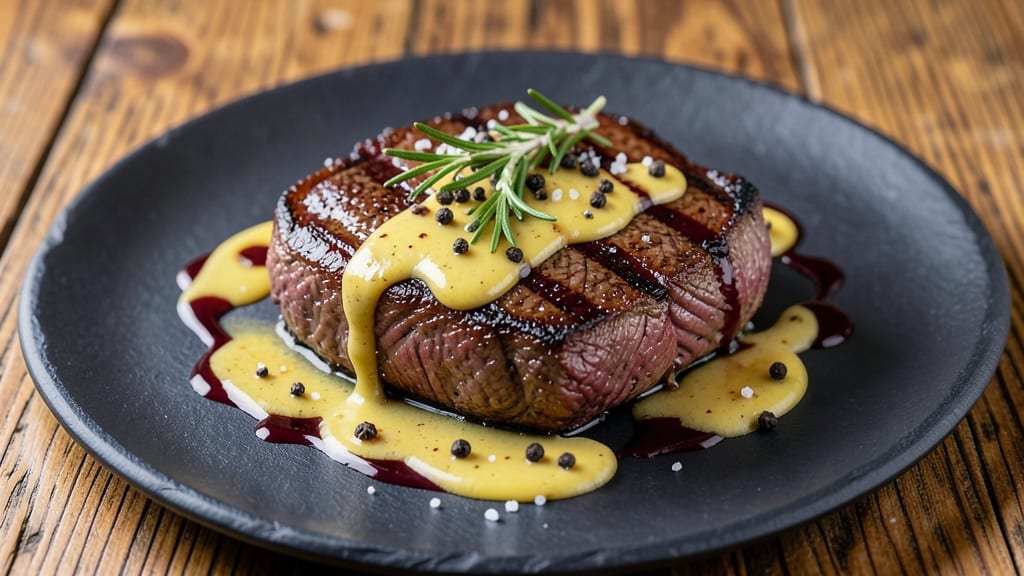
This American beef steak recipe delivers a perfect balance of crispy crust and buttery interior—no fancy equipment required. The secret lies in reverse searing, a technique that transforms tough cuts into melt-in-your-mouth perfection.
I’ve refined this method over years of testing, ensuring every bite is tender yet rich, with a caramelized crust that locks in flavor. What sets this apart is the dry-brine step, which enhances the beef’s natural juiciness without overpowering its depth.
The process is simpler than you’d think: start by cooking the steak low and slow in the oven, then finish with a quick sear in a screaming-hot pan. This method guarantees even cooking and a restaurant-quality crust, even for home cooks.
Pair it with classic sides like garlic mashed potatoes or a fresh garden salad to complete the meal. The result? A steak so tender and flavorful, it’ll make you question why you ever ordered takeout.
What makes this recipe stand out is the attention to detail—from the precise temperature guidelines to the resting time that keeps the juices locked in. You’ll walk away with a steak that’s juicy, flavorful, and perfectly seared, every time.
Whether you’re grilling for a special occasion or treating yourself to a weeknight upgrade, this method delivers consistent, foolproof results. Let’s get started on a steak that’ll impress even the most discerning palates.
For those who love customization, this recipe works with ribeye, New York strip, or filet mignon—just adjust the cooking time slightly. The dry-brine step can be skipped if you’re short on time, though I don’t recommend it for the best flavor.
Serve with a pat of herb butter on top for an extra layer of richness. This isn’t just a steak; it’s a game-changer for your home cooking.
Ingredients for american beef steak
Just 11 ingredients for a steak that tastes like a high-end restaurant—no fancy tools needed.
| Ingredient | Amount | Notes |
|---|---|---|
| Ribeye Steak 🥩 | 1 ½ lb | 1.5-inch thick, bone-in preferred |
| Kosher Salt 🧂 | 2 tbsp | Diamond Crystal preferred |
| Black Peppercorns 🌶️ | 1 tbsp | Freshly cracked preferred |
| Olive Oil 🫒 | 2 tbsp | Extra-virgin for searing |
| Unsalted Butter 🧈 | 4 tbsp | Cold, cubed for basting |
| Fresh Rosemary 🌿 | ¼ cup | Chopped, stems removed |
| Fresh Thyme 🌿 | ⅛ cup | Leaves only, chopped |
| Garlic Cloves 🧄 | 4 cloves | Minced for herb butter |
| Heavy Cream 🥛 | ¼ cup | For herb butter base |
| Cornstarch 🌾 | 1 tsp | For thickening herb butter |
| Vegetable Oil 🫒 | 1 tbsp | For oven tray |
The steak cut matters here. Ribeye is ideal for its marbling and flavor, but New York strip or filet works too. Look for cuts that are at least 1.5 inches thick—thinner steaks won't develop that perfect crust. Costco or Whole Foods are my go-tos for quality beef, but any reputable butcher will have great options. If you're buying bone-in, the bone helps conduct heat more evenly. Ask for dry-aged beef if you want extra depth of flavor—it's worth the splurge for special occasions.
No fresh rosemary? Dried works at half the amount, but it won't have that same piney aroma. The herb butter can be made ahead and stored in the fridge for up to 1 week—just let it come to room temp before using. For the dry brine, I like to mix the salt and pepper in a small bowl first, then rub it all over the steak. This helps the seasoning stick better. The olive oil is for searing—avoid flavored oils here, as you want a clean, neutral base for that caramelized crust.
Steaks taste even better the next day, so plan ahead. Store leftovers wrapped tightly in foil in the fridge for up to 3 days. For longer storage, vacuum-seal the steak and freeze it for up to 3 months. The herb butter can be frozen in an airtight container for 6 months. Pro tip: Let your steaks sit at room temperature for 30-45 minutes before cooking—this ensures even cooking throughout. Trust me, it makes all the difference.
Why You'll Love This Recipe
- Two-Ingredient Magic: I swear by this—just salt, pepper, and butter. That’s it. No fancy marinades or herb blends to stress over. The ribeye practically cooks itself while you sip your drink and pretend you’re a chef.
- Butter-Basted Bliss: The moment that sizzle hits your tongue? Pure satisfaction. A hot cast-iron pan, a pat of butter melting over the steak—it’s the kind of rich, caramelized crust that makes you close your eyes. (Yes, even on a Tuesday night.)
- Weeknight to Dinner Party: Same recipe, different vibes. Throw it on for a lazy Friday or impress guests with zero extra effort. The ribeye’s bold flavor carries the plate, so you can pair it with anything—mashed potatoes, a simple salad, or just crusty bread to soak up the juices.
- Leftovers That Don’t Suck: Cold steak the next day? Still delicious. Slice it thin, toss with a little olive oil and salt, and you’ve got a killer sandwich or grain bowl. Honestly, I meal prep this all the time—it’s my secret weapon for busy mornings.
Step-by-step instructions for reverse-seared ribeye steak
This method guarantees a perfectly crusty exterior with a buttery, juicy interior every time.
Season and Low-Temperature Roast the Steak
Preheat your oven to 275°F. Pat the 1.5 lb ribeye steak completely dry with paper towels—this is crucial for that crispy crust later. Rub all sides generously with the 2 tbsp kosher salt and 1 tbsp freshly cracked black peppercorns, pressing the seasoning into the meat so it sticks.
Place the steak on a wire rack set inside a rimmed baking sheet. This allows heat to circulate evenly on all sides. Roast for 30-40 minutes until the internal temperature reaches 115°F on a meat thermometer. You'll know it's ready when the steak feels slightly firm to the touch but still yields gently in the center. Don't rush this step—low and slow is what builds that incredible tenderness.
Prepare the Herb Butter
While the steak roasts, make the herb butter by combining the 4 tbsp cold cubed unsalted butter, 0.25 cup chopped fresh rosemary, 0.125 cup chopped fresh thyme, and 4 minced garlic cloves in a small bowl. Mix gently so the butter stays cold and the herbs distribute evenly. Place this mixture in the refrigerator until ready to use.
In a separate small bowl, whisk together the 0.25 cup heavy cream and 1 tsp cornstarch. This will create a silky sauce to complement the steak. Keep both mixtures at room temperature until needed—cold butter will melt too quickly during searing.
Sear the Steak to Perfection
Remove the steak from the oven and let it rest for 5 minutes before searing. Heat a large cast-iron skillet over high heat until it's screaming hot. Add 2 tbsp extra-virgin olive oil and let it shimmer for 30 seconds. Place the steak in the pan and sear for 2 minutes per side, pressing down gently with a spatula during the first minute to prevent curling.
For the final touch, add the herb butter to the pan and baste the steak for 30 seconds per side, tilting the pan to coat all surfaces. The butter should melt and create a glossy, aromatic crust. You'll know it's ready when the steak reaches 130°F internally and has developed deep brown, caramelized edges. The residual heat will carry it to your desired doneness during resting.
Rest and Serve with Herb Butter Sauce
Transfer the seared steak to a cutting board and tent loosely with aluminum foil. Let it rest for 10 minutes—this crucial step allows the juices to redistribute throughout the meat. While it rests, pour the reserved herb butter into the hot skillet and stir for 1 minute until it melts completely. The cornstarch in the cream will help thicken it into a luscious sauce.
Slice the steak against the grain into ½-inch thick portions and drizzle generously with the herb butter sauce. Serve immediately with the sauce spooned over the top. Each bite should deliver that perfect balance of crispy crust, tender interior, and aromatic herb butter. The steak should be medium-rare at 130-135°F internally, with a pink center and a deep red hue throughout.
Pro Tips For Making American Beef Steak
- USE A COLD PAN: I learned this the hard way—starting with a screaming-hot pan on high heat makes the butter burn before the steak even sears. Instead, heat your cast iron over medium-high until it’s just warm to the touch (about 2 minutes), then add the oil and butter. This gives you a silky, flavorful crust without turning your kitchen into a smokehouse.
- SALT THE STEAK 40 MINUTES EARLY: Ribeye needs time to develop that crust-worthy crust, and salting it right before cooking is a rookie move. Sprinkle kosher salt generously (about 1 teaspoon per side) and let it sit uncovered on a wire rack in the fridge for at least 40 minutes—this seasoning penetrates deeper and keeps the surface dry for better searing.
- SKIP THE PEPPER UNTIL THE END: Freshly cracked black peppercorns add a bright finish, but crushing them early turns them into a bitter paste that clings to the meat. Save the grinding until after the steak rests—just before serving, coarsely grind a pinch over the top for a pop of aroma and texture.
- REST UNDER FOIL, NOT PLATE: I used to rest my steak on the cutting board like a textbook says, but it loses heat and juices pool unevenly. Instead, tent it loosely with foil for the first 5 minutes of resting—this traps steam and keeps the interior warm while letting the crust stay crisp. After 5 minutes, transfer to a plate.
Wine and beer pairings for this american beef steak
Red Wine Classics
For this rich, herb-crusted ribeye, a bold Cabernet Sauvignon from Napa Valley is my go-to choice. The tannins in the wine cut through the steak's fat beautifully, while its dark fruit flavors complement the rosemary and thyme in the herb butter.
I recommend a 2018 or newer vintage—older wines can taste too earthy next to the steak's vibrant flavors. 🍷
If you prefer something slightly lighter, a Malbec from Argentina offers juicy blackberry notes that pair wonderfully with the steak's caramelized crust. Look for bottles labeled "Reserva" for better structure. Both wines should be served at 65-68°F—just enough chill to preserve their fruitiness without numbing the palate.
American Beer Pairings
A brown ale like New Belgium Fat Tire or Goose Island Bourbon County Brand Stout brings deep malt sweetness that balances the steak's richness. The caramel and chocolate notes in these beers enhance the herb butter's aromatics. Serve at 50-55°F to highlight their complexity. 🍺
For something lighter, try a hazy IPA from local craft breweries—look for Hazy Little Thing or Tree House Hazy Juice. The citrusy hop notes cleanse your palate between bites, while the malt backbone holds up to the steak's intensity. The slight effervescence also helps cut through the fat.
Unexpected Wine Choices
Don't overlook Syrah/Shiraz from Australia—its spicy pepper notes mirror the black pepper in your seasoning. A 2019 Jacob's Creek or Penfolds Bin 407 offers great value with bold flavors. The wine's smokiness pairs surprisingly well with the herb butter's rosemary aroma. 💫
For white wine lovers, an oaked Chardonnay from California (like Kendall-Jackson Vintner's Reserve) works surprisingly well. The buttery notes complement the herb butter, while the oak adds depth to the steak's crust. Chill it to 55°F—warmer than typical whites to preserve its richness.
Beer Temperature Tips
Never serve beer straight from the fridge—it loses all its flavor. Instead, place bottles in a beer cooler filled with water and ice for 20-30 minutes before serving. For cans, use a beer towel to wrap them and let them sit at room temp for 15 minutes before opening. 🌡️
Pro tip: If you're using a stout or porter, serve it slightly warmer (55-60°F) to enhance its chocolate and coffee notes. The warmth brings out flavors that get lost when served too cold, making the pairing even more dynamic with the steak's rich interior.
Nutrition facts
Frequently asked questions
Can I use this recipe with thinner steaks?
Thinner steaks (1 inch thick) will cook faster and may not develop the same crust. For best results, look for steaks at least 1.5 inches thick—this thickness gives you room to build that perfect crust while keeping the interior tender. If you must use thinner cuts, reduce the oven time to 20-25 minutes and sear for 1-1.5 minutes per side.
What's the best way to check doneness without a meat thermometer?
Press the steak gently with your finger: rare feels very soft, medium-rare yields slightly but still feels springy, and medium feels firmer. For a medium-rare result (like this recipe), the center should still feel cool to the touch after resting. Pro tip: Use your knuckle—it's a good guide for thickness!
Can I skip the dry-brine step?
You can, but you'll miss out on enhanced flavor and juiciness. The dry brine (salt + pepper) penetrates the meat, keeping it moist and adding depth. If short on time, season the steak 1 hour before cooking instead of overnight. Never skip the resting time—it's what locks in those juices!
What are the best side dishes to serve with this steak?
Classic American pairings include garlic mashed potatoes, grilled asparagus, or a simple arugula salad with lemon vinaigrette. For a heartier meal, try creamy mac and cheese or roasted Brussels sprouts. The herb butter also works beautifully on cornbread or biscuits for dipping.
Why does my steak turn out tough?
Overcooking is the #1 cause! Remove the steak from heat at 130°F (medium-rare) and let it rest—it'll rise to 135°F while resting. Also, avoid pressing the steak with a spatula during cooking (this squeezes out juices). Use a wire rack for even cooking, and never skip the 10-minute rest—this is when the magic happens!