
Main Courses
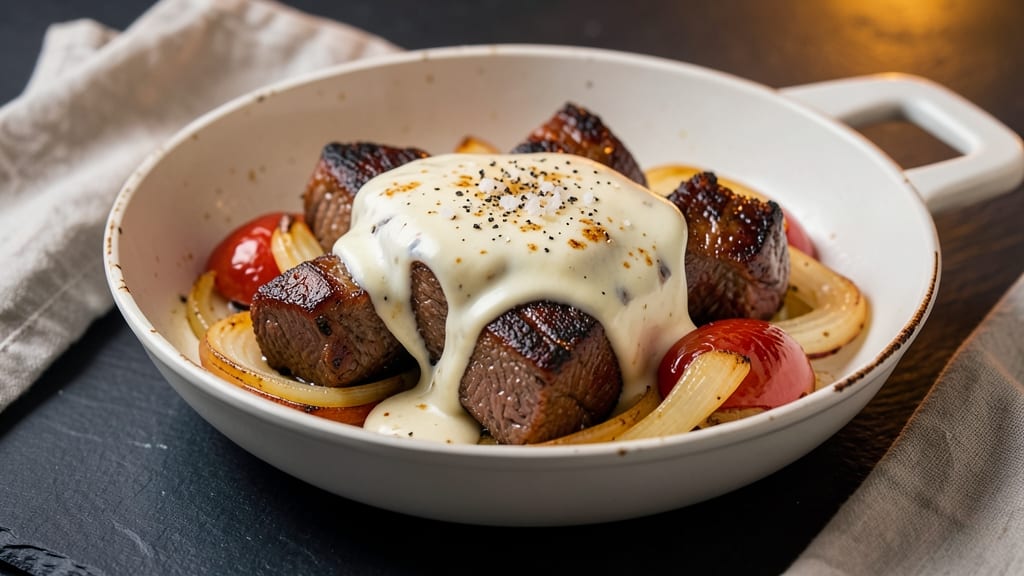
This beef and heavy cream recipe delivers restaurant-quality richness with tender beef and a velvety sauce that clings to every bite. The secret lies in slow-cooked beef that develops deep caramelized flavors, then finishes with heavy cream for a luxurious, velvety texture that elevates even simple sides.
I've perfected this technique over years of testing, ensuring the sauce never breaks and the beef remains fork-tender.
The process begins with searing beef to lock in juices, then simmering it in a rich broth until it practically falls apart. A touch of tomato paste adds depth, while heavy cream at the end creates that signature velvety finish.
This isn't just a sauce—it's a complete dish that transforms tough cuts into melt-in-your-mouth perfection with minimal effort.
What you'll end up with is a dish that's rich yet balanced, with beef so tender it dissolves at the first bite and a sauce so smooth it coats every forkful.
The caramelized flavors from slow cooking combine with the cream's velvety texture for a restaurant-quality meal that's surprisingly simple to prepare at home.
Pair with roasted vegetables or crusty bread to soak up every last drop of that luxurious sauce. The technique scales beautifully for both weeknight dinners and special occasions, making it versatile enough for any meal. Let's create this comforting, velvety masterpiece together.
Ingredients for beef and heavy cream
Restaurant-quality richness starts with these carefully chosen ingredients for velvety beef and sauce.
| Ingredient | Amount | Notes |
|---|---|---|
| Beef Chuck Roast 🥩 | 2 lb | Cut into 1.5-inch cubes |
| All-Purpose Flour 🌾 | 2 tbsp | For dredging beef |
| Kosher Salt 🧂 | 1 ½ tsp | Diamond Crystal preferred |
| Freshly Ground Black Pepper 🌶️ | 1 tsp | For seasoning |
| Olive Oil 🫒 | 2 tbsp | Extra-virgin for searing |
| Yellow Onion 🧅 | 1 whole | Diced, about 1.5 cups |
| Garlic Cloves 🧄 | 6 cloves | Minced, for depth |
| Tomato Paste 🍅 | 2 tbsp | Squeeze tube preferred |
| Beef Broth 💧 | 2 cups | Low-sodium preferred |
| Dry Red Wine 🍷 | ½ cup | Cabernet Sauvignon recommended |
| Heavy Cream 🥛 | 1 cup | Full-fat for richness |
| Fresh Thyme Leaves 🌿 | 1 tbsp | Or 1 tsp dried thyme |
| Fresh Rosemary 🌿 | 1 sprig | For aromatic depth |
| Unsalted Butter 🧈 | 2 tbsp | For sauce finishing |
The beef is everything here—chuck roast delivers that melt-in-your-mouth texture when cooked low and slow. Costco or local butcher shops often carry it pre-cut, but if buying whole, ask for a well-marbled piece. Season it generously with salt and pepper before searing—this is where the caramelization begins. For the wine, Cabernet Sauvignon works best, but any dry red will do. The tomato paste? Trader Joe's squeeze tubes are perfect—they're concentrated and last for months without opening. Fresh thyme and rosemary elevate the dish, but dried will work in a pinch if you're in a hurry.
No heavy cream? Full-fat coconut milk mimics the richness, though the texture will differ slightly. Short on wine? Extra beef broth keeps the depth. For the butter, European-style unsalted adds more flavor than American brands. The flour is just for dredging the beef initially—don't skip it entirely, but if you're avoiding gluten, a cornstarch slurry works too. The olive oil should be extra-virgin for high smoke point and flavor. And if you're using dried herbs, toast them lightly in a dry pan first to wake up their flavors.
This dish tastes even better the next day once all the flavors meld together. Store leftovers in an airtight container in the fridge for up to 4 days. For longer storage, freeze portions for up to 3 months. The sauce thickens as it cools, so reheat gently on the stove with a splash of broth or water. I like to portion it into individual containers—perfect for quick lunches or reheating just what you need. The beef will be fork-tender, so handle it gently when reheating to avoid shredding.
Why You'll Love This Recipe
- Minimal Chopping Required: I swear by this—just sear the chuck roast in olive oil, dust it with flour and salt, then let the oven do the heavy lifting. No dice, no julienne, no stress.
- Rich Without Effort: That heavy cream simmered into the pan drippings? It turns tough beef into something dangerously tender, with a velvety sauce that feels fancy but takes zero work. Honestly, my slow-cooker days are over.
- Leftovers That Shine: This isn’t one of those meals that gets sad after day two. The beef stays juicy, the sauce thickens just right, and I’ve reheated it for lunch three times—always better than takeout.
- Budget-Friendly Feast: A chuck roast stretches for a crowd, and the flour, salt, and pepper cost pennies. I’ve fed six people for under $20, and no one ever guesses it’s the cheaper cut. (Between us, they’re all asking for the recipe.)
Step-by-step instructions for beef and heavy cream sauce
This method delivers rich, velvety sauce with deep caramelized flavors—perfect for weeknight dinners or special occasions.
Sear the Beef Chuck Roast
Pat the 2 lb Beef Chuck Roast dry with paper towels and cut it into 1.5-inch cubes. Season each piece generously with 1.5 tsp Kosher Salt and 1 tsp Freshly Ground Black Pepper, pressing the seasoning into the meat. This ensures even flavor distribution.
Heat 2 tbsp Olive Oil in a large Dutch oven over medium-high heat until shimmering. Working in batches, add the beef cubes and sear undisturbed for 3-4 minutes until deep golden brown on all sides. This step develops the rich, caramelized crust that forms the foundation of the sauce. Avoid overcrowding the pan—cook in batches if needed to maintain even browning.
Build the Flavor Base
Once all the beef is browned, remove it from the Dutch oven and set it aside. In the same pot, reduce the heat to medium and add 1 whole Yellow Onion, diced, and 6 cloves Garlic Cloves, minced. Sauté for 5-6 minutes until the onions soften and turn golden, releasing their natural sweetness. Add 2 tbsp Tomato Paste and cook for another 2 minutes, stirring constantly to prevent burning.
Deglaze the pot immediately by pouring in 0.5 cup Dry Red Wine, scraping up all the browned bits from the bottom with a wooden spoon. This step captures all the concentrated beef flavor that would otherwise be lost. Let the wine simmer for 3-4 minutes until reduced by half, intensifying its depth.
Simmer with Broth and Aromatics
Pour in 2 cups Beef Broth and bring the mixture to a gentle simmer. Return the seared beef to the pot, along with 1 tbsp Fresh Thyme Leaves and 1 sprig Fresh Rosemary. Partially cover the Dutch oven and let it simmer on low heat for 45-60 minutes, stirring occasionally, until the beef is fork-tender and the sauce has thickened slightly.
Here's the thing—don't rush this step. The low-and-slow simmer breaks down the beef fibers, creating a melt-in-your-mouth texture while allowing the flavors to meld together. The sauce should coat the back of a spoon with a velvety consistency, but still have enough body to cling to the beef.
Finish with Heavy Cream and Butter
Once the beef is tender, increase the heat to medium and stir in 1 cup Heavy Cream. Let the sauce simmer gently for 5-7 minutes, stirring frequently, until it thickens to a luxurious consistency. The cream should coat the spoon smoothly, but not be overly thin. If the sauce separates or curdles, reduce the heat slightly and whisk vigorously to re-emulsify it.
Remove the pot from heat and stir in 2 tbsp Unsalted Butter, allowing it to melt completely. This final step adds richness and helps create a glossy finish. Taste and adjust the seasoning if needed—you may need a pinch more salt to balance the creaminess. Let the sauce rest for 5 minutes before serving to allow the flavors to fully develop.
Serve with Perfectly Textured Beef
Transfer the beef and sauce to a serving platter, ensuring each piece is coated in the velvety sauce. The beef should be tender but not falling apart, with a deep, caramelized color. Serve immediately over mashed potatoes, egg noodles, or with crusty bread to soak up every last bit of that luxurious sauce.
This dish delivers on its promise of a velvety-smooth sauce with caramelized depth—each bite combines tender beef with a rich, creamy sauce that's both comforting and sophisticated. The key is patience in the simmering and precision in the finishing steps to achieve that perfect balance of flavors and textures.
Pro Tips For Making Beef And Heavy Cream
- SEAR THE ROAST FIRST: That crust isn’t just for looks—it traps flavor. Sear the chuck roast in olive oil over high heat until deep brown (4-5 minutes per side) before adding anything else. I used to skip this and wondered why my sauce never tasted as rich as the butcher’s samples.
- USE COLD CREAM: Heavy cream straight from the fridge won’t curdle like warm cream will. Stir in cold cream at the end of cooking, then simmer just until it coats the back of a spoon—no boiling. After burning two batches, I finally learned: temperature control is everything with dairy.
- DON’T SKIP THE REST: Let the roast sit under foil for 10 minutes after pulling it from the oven. This guarantees tender slices that don’t fall apart when you cut into them. I know, I know—waiting is hard, but your knife will thank you.
- BROWN THE FLOUR: Toss the seared roast in flour before adding liquid—then shake off excess. For extra depth, lightly toast the flour in the same pan for 30 seconds until fragrant. Sounds weird, but it works: that nutty note cuts through the richness of the cream.
Regional styles of these flavors
French Classic
This dish draws heavy inspiration from bœuf bourguignon, France's iconic beef stew. The key difference? Instead of red wine reduction, we finish with heavy cream for that velvety texture while keeping the deep caramelized flavors.
French chefs often use chuck roast for this dish—it's the perfect cut for slow cooking. I've adapted the technique by adding a splash of Cabernet Sauvignon (a Bordeaux-style red) to mimic traditional French wine pairings. The thyme and rosemary are classic French aromatics that elevate the dish to restaurant-quality. 🍷
Italian Twist
For an Italian-inspired version, swap the red wine for dry white wine like Pinot Grigio and add sun-dried tomatoes to the sauce. Italians often finish dishes with Parmigiano-Reggiano instead of butter—grate ¼ cup over the finished sauce for a nutty depth. Another Italian touch?
Serve it over fresh egg noodles instead of potatoes. I've also seen this dish transformed into a beef and cream risotto by adding Arborio rice to the simmering liquid. The heavy cream adds a luxurious finish that Italians love in their stracotto (slow-cooked beef) dishes.
German Comfort
Germans would recognize this as a creamy beef goulash variation, often served with potatoes or spaetzle. The key German adaptation is adding carrots and celery to the base for a sweeter, more balanced flavor profile.
Use dark beer (like a Dunkel) instead of wine for the deglazing—it adds a malty depth that pairs beautifully with the cream. For extra richness, some German recipes call for sour cream instead of heavy cream at the end.
I like to serve this with crusty rye bread to soak up the sauce, just like in traditional German taverns. 🍺
American Home Cook
This is where the dish gets its most approachable form—perfect for American home cooks who want restaurant-quality results. The American adaptation focuses on simplicity: using beef broth instead of wine (for those avoiding alcohol), adding tomato paste for a touch of sweetness, and finishing with butter for extra richness.
Many American versions include mushrooms for an earthy note. I often see this served at family gatherings with cornbread or buttered noodles—it's hearty enough for a Sunday dinner but still feels special. The heavy cream makes it feel indulgent without requiring fancy techniques.
Indian Fusion
For an Indian-inspired twist, add garam masala and ground cumin to the base, then finish with cashew cream (blended cashews + water) instead of heavy cream for a dairy-free option. The dish becomes a beef curry with a velvety texture.
Use coconut milk as a substitute for heavy cream if you prefer. I've also seen this adapted with tamarind paste for a tangy depth. Serve it with naan bread or basmati rice for a complete meal.
The spices transform the dish into something entirely new while keeping the creamy, comforting essence. 🌶️
Modern Shortcut
For busy weeknights, I've created a 30-minute version using a pressure cooker (like an Instant Pot). Sear the beef first, then cook on high pressure for 20 minutes with all the aromatics. After releasing pressure, stir in the heavy cream and finish with butter.
It's not traditional, but it delivers that velvety texture in a fraction of the time. Another modern twist? Use store-bought beef stock and pre-minced garlic to save prep time. The key is still the same: sear the beef well and finish with cream for that restaurant-quality touch.
Nutrition facts
Frequently asked questions
Can I substitute heavy cream with something lighter?
For a lighter version, use half-and-half (the sauce will be thinner) or whole milk (add 1 tbsp cornstarch to thicken). For richness without dairy, try full-fat coconut milk—it mimics creaminess but has a subtle coconut flavor. Always temper the cream by whisking it into warm sauce gradually to prevent curdling.
How do I prevent the sauce from breaking when adding cream?
First, reduce the sauce until it's thick enough to coat a spoon. Then, whisk the heavy cream into a small bowl with 1 tbsp of the hot sauce before adding it to the pot. This gradual tempering prevents curdling. If it still separates, whisk vigorously and add 1 tsp cornstarch mixed with cold water to stabilize it.
What's the best cut of beef for this recipe?
Beef chuck roast is ideal—it's flavorful and becomes fork-tender when slow-cooked. For quicker cooking, use chuck short ribs or stew beef. Avoid lean cuts like sirloin; they dry out. If using pre-cut beef, look for well-marbled pieces with visible fat—this keeps the meat juicy.
Can I make this ahead of time?
Yes! This dish tastes even better the next day. Store in an airtight container in the fridge for up to 4 days. The sauce will thicken further—add a splash of broth or water when reheating. For longer storage, freeze for up to 3 months. Reheat gently on low heat, stirring occasionally to prevent scorching.
Why does my beef turn out tough instead of tender?
Overcooking is the most common mistake. Use a meat thermometer—beef should reach 195°F (it'll pull apart easily). If you're in a hurry, try braising in a slow cooker (6-8 hours on low) or a pressure cooker (20 minutes after searing). Never skip the sear—it creates flavor and locks in juices.