
Soups & Stews
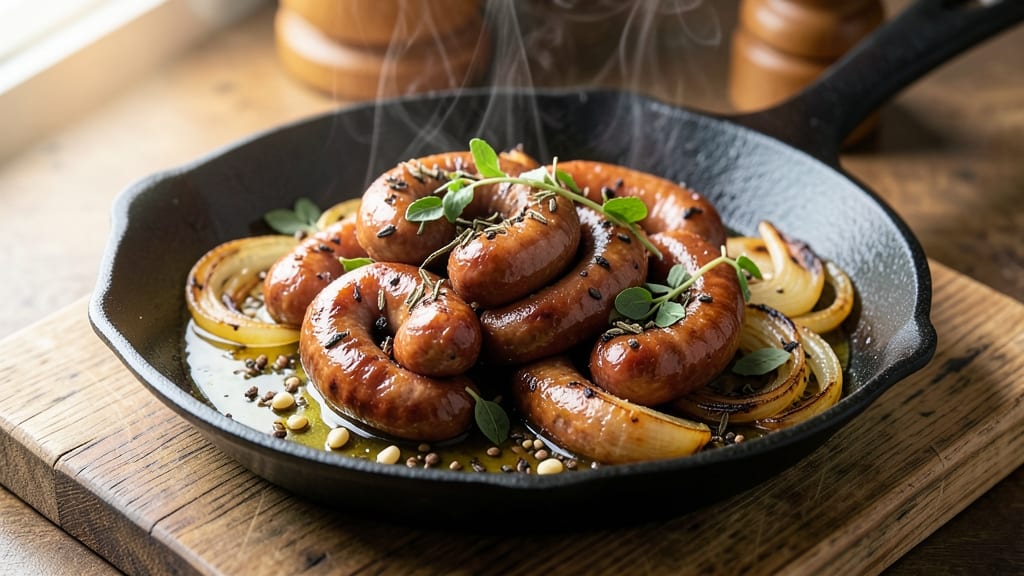
This all beef sausage recipe transforms ground chuck into rich, flavorful links with a one-pot approach that simplifies the process. The secret lies in balancing spices—fennel for warmth, black pepper for depth, and a touch of garlic to tie everything together—while ensuring the meat stays juicy and tender.
I developed this method after years of experimenting with homemade sausages, and it’s the one that finally delivers consistent, restaurant-quality results every time.
The beauty of this recipe is its versatility—whether you’re making small patties for tacos, classic links for grilling, or a hearty one-pot stew, the same seasoned meat forms the foundation.
The one-pot method isn’t just convenient; it ensures the sausage cooks evenly, absorbing flavors from caramelized onions, garlic, and herbs as it simmers. No need for stuffing casings or fussing with loaves—just mix, shape, and cook.
By the end, you’ll have sausage with a perfectly seasoned bite—savory, slightly spicy, and packed with meaty richness. The caramelized roots add natural sweetness that balances the bold flavors, making this dish hearty enough for a main course or robust enough to hold its own in a sandwich.
This is the kind of recipe that turns a simple weeknight dinner into something special without requiring advanced skills.
Pair it with crusty bread for dipping, serve it over polenta, or slice it into a hearty pasta dish. The possibilities are endless, but the method remains foolproof—ideal for both beginners and seasoned cooks looking to elevate their homemade sausage game. Let’s get started.
Ingredients for all beef sausage
Transform ground chuck into restaurant-quality sausage using these carefully balanced ingredients and one-pot technique.
| Ingredient | Amount | Notes |
|---|---|---|
| Ground Beef Chuck 🥩 | 1 ½ lb | 80% lean, finely ground for even cooking |
| Yellow Onions 🧅 | 1 whole | Medium, thinly sliced for caramelization |
| Garlic Cloves 🧄 | 4 cloves | Fresh, minced for aromatic depth |
| Fennel Seeds 🌿 | 1 tbsp | Whole, lightly toasted for warmth |
| Ground Black Pepper 🌶️ | 1 ½ tbsp | Freshly cracked for robust flavor |
| Dried Oregano 🍃 | 1 tsp | Mediterranean variety for earthy notes |
| Ground Cumin 🌿 | 1 tsp | Toasted for deeper complexity |
| Diamond Crystal Kosher Salt 🧂 | 1 ½ tsp | Fine grain for even seasoning |
| Extra-Virgin Olive Oil 🫒 | 2 tbsp | High-quality, fruity for richness |
| Fresh Rosemary 🌿 | ¼ cup | Finely chopped, for herbal brightness |
| Fresh Thyme Leaves 🌿 | ¼ cup | Finely chopped, for aromatic balance |
| Beef Broth 🍲 | ½ cup | Low-sodium for flavor without salt overload |
| Red Wine Vinegar 🍷 | 1 tbsp | For subtle acidity and depth |
The ground beef chuck is the foundation—80% lean ensures juiciness while maintaining structure. Most butchers grind it fresh upon request, but pre-ground works too (just pat it dry before mixing). For the caramelized roots, yellow onions are non-negotiable—their natural sweetness balances the savory spices. Toast the fennel seeds in a dry pan for 30 seconds before grinding to release their aromatic oils. Whole Foods or Trader Joe's carry high-quality bulk spices, but the grocery store section works fine if you check the 'best by' dates. Fresh herbs should have vibrant color and no wilting—Costco often has great deals on herb bundles.
No fennel seeds? Anise seeds at double the amount work in a pinch, though the flavor profile shifts slightly. Substitute dried rosemary for fresh at one-third the quantity, but fresh is ideal here. The beef broth can be swapped for tomato paste mixed with water if you're avoiding alcohol, though the acidity won't be identical. For extra richness, add 1 tbsp of unsalted butter during the caramelization stage. The red wine vinegar adds brightness—balsamic vinegar works but lacks the same depth. When shaping the sausage, keep portions even for consistent cooking times (about 4 oz each for patties, 6 oz for links).
This sausage keeps beautifully—3-4 days in the fridge wrapped tightly in parchment, or 3 months frozen in airtight containers. For best texture, thaw overnight in the fridge before reheating. The one-pot method means you can make it ahead and reheat directly in the pot with a splash of broth. Slice thin for sandwiches or crumble into pasta dishes. The caramelized onions and herbs intensify in flavor after refrigeration, making leftovers even more delicious. Portion into single servings before freezing for easy meal prep.
Why You'll Love This Recipe
- No-Fuss Mixing: Between us, this sausage comes together faster than you can chop an onion. Just pulse the fennel seeds in your spice grinder, toss everything in a bowl, and knead it like you’re making pie dough—no fancy equipment, no stress.
- That Fennel Magic: Honestly, the moment I cracked open those fennel seeds, my kitchen smelled like a little Italian bistro. That earthy, licorice-like warmth pairs with the beef’s richness—crispy when browned, tender when cooked through.
- Weeknight to Potluck: I’ve used this in pasta, stuffed into peppers, even as a breakfast hash. The beauty? It’s one batch that works for everything, from lazy Tuesday dinners to Sunday gatherings where you’re the hero who brought the sausage.
- Budget-Friendly Powerhouse: Ground chuck stretches far, and the spices cost pennies. I’ve made this for $2.50 a pound, and it still tastes like you spent twice that. Plus, it freezes like a dream—just portion, wrap, and toss in the freezer.
Step-by-step instructions for all beef sausage with caramelized roots
This method delivers restaurant-quality sausage with deep, caramelized flavors using just one pot.
Toast Spices and Develop Aromatics
Heat a heavy-bottomed Dutch oven over medium heat and add the 2 tablespoons extra-virgin olive oil. Once shimmering, add the 1 tablespoon fennel seeds and toast for 30 seconds until fragrant—you'll smell their warm, licorice-like aroma. Immediately add the 1 whole yellow onions, sliced into ¼-inch rounds, and cook for 10 minutes without stirring until golden brown and caramelized.
Stir in the 4 minced garlic cloves and cook for another 30 seconds until their raw scent disappears. This step builds the flavor foundation—don't rush the caramelization, as it develops the dish's depth. Remove the onions and garlic from the pot and set aside temporarily, leaving the rendered fat in the Dutch oven.
Brown the Ground Beef Chuck
Working in two batches to avoid overcrowding, add the 1.5 pounds ground beef chuck to the Dutch oven. Using a wooden spoon, break it apart and brown for 5-6 minutes until the meat loses its raw color and develops a deep mahogany crust. The goal is to render fat while creating a rich, meaty base—this is where the sausage's character comes from.
Once fully browned, drain excess fat from the pot, leaving about 1 tablespoon to help deglaze. Return the caramelized onions and garlic to the pot and stir to combine with the beef. Sprinkle in the 1.5 teaspoons diamond crystal kosher salt, 1.5 tablespoons ground black pepper, 1 teaspoon dried oregano, and 1 teaspoon ground cumin, mixing thoroughly to coat the meat evenly.
Build the Herb-Infused Broth
Pour in the 0.5 cup beef broth and 1 tablespoon red wine vinegar, scraping up any browned bits from the bottom of the pot. Add the 0.25 cup finely chopped fresh rosemary and 0.25 cup finely chopped fresh thyme leaves, stirring to incorporate. Bring the mixture to a gentle simmer over medium-low heat and cook uncovered for 15 minutes, stirring occasionally, until the liquid reduces by half and the herbs release their aromatic oils.
This reduction concentrates the flavors while allowing the spices to meld into a cohesive blend. Taste the mixture at this stage—you should detect layers of caramelized sweetness, herbal brightness, and savory depth. If the sausage appears dry, add 1-2 tablespoons water to maintain moisture without diluting the flavors.
Simmer to Perfect Texture
Reduce heat to low and continue simmering for an additional 10-12 minutes, stirring occasionally, until the sausage reaches an internal temperature of 160°F. The texture should be tender yet slightly firm, with a rich, glossy coating from the reduced broth. If the mixture appears too dry, add another 1 tablespoon beef broth to maintain balance.
Real talk: This is the moment that matters. Overcooking will turn the sausage tough, while undercooking leaves it raw-tasting. Use an instant-read thermometer to verify doneness—this ensures juicy, flavorful results every time. Once fully cooked, remove from heat and let the sausage rest for 5 minutes before serving.
Pro Tips For Making All Beef Sausage
- CRUSH THE ONIONS: Pulse them in a food processor until they’re almost paste—just a few tiny chunks left. I used to chop them fine, but this makes the flavor distribute evenly without turning the sausage gummy. (Yes, even if you’re impatient like me, take the 30 seconds.)
- SWEAT THE AROMATICS LOW: Cook the onions and garlic in a cold pan with a splash of water first—this steams them gently before browning. After burning three batches, I finally figured out that rushing this step makes the fennel taste harsh instead of sweet. Start hot, then drop the heat to medium-low.
- CHILL THE MEAT MIX: Wrap the raw sausage mixture in plastic and refrigerate for at least 30 minutes before cooking. This firms it up so it holds shape better on the grill or in the pan. I skip this when I’m lazy, but the difference in texture is noticeable—no more crumbling mess.
- TOAST THE FENNEL SEEDS: Dry-toast the whole fennel seeds in a small pan for 30 seconds until fragrant before grinding. This brings out their flavor way more than just tossing them in raw. (Sounds weird, but it works—trust the process.) Grind them fresh right before mixing into the beef.
Essential equipment for this dish
Dutch Oven Essentials
A heavy-bottomed Dutch oven is non-negotiable for this recipe—it distributes heat evenly and prevents burning during the caramelization stage. I swear by the Le Creuset Signature 5.5-quart for its durability and even heating, but All-Clad Stainless Steel is a great budget-friendly alternative.
The deep sides help contain the caramelized onions and prevent spills when stirring. 🔥
Instant-Read Thermometer
An instant-read thermometer (like the ThermoWorks ThermoPop) is your secret weapon for foolproof doneness. The sausage needs to hit 160°F internal temperature—any lower risks undercooked meat, while higher temps dry it out.
I keep mine in my kitchen drawer for quick checks during cooking. Pro tip: Wipe the probe clean between uses to avoid flavor transfer.
Wooden Spoon Set
Invest in a set of wooden spoons (I use OXO Good Grips)—they’re heat-resistant and gentle on your Dutch oven’s surface. Metal utensils can scratch the seasoning, especially on stainless steel models.
A long-handled spoon helps with stirring without burning your hands during the caramelization phase. Keep one dedicated to meat cooking to avoid cross-contamination.
Fine-Mesh Strainer
A fine-mesh strainer (like the OXO Good Grips Collapsible) comes in handy if you prefer to remove herbs before shaping the sausage. Simply press the cooked mixture through the strainer to eliminate stems and seeds while keeping the flavorful oils.
This step isn’t required but elevates the texture for dishes like pasta or tacos where you want a smoother consistency. 💫
Meat Mallet or Gloves
If you’re shaping the sausage into patties or links, a meat mallet (or even a heavy rolling pin) helps compress the mixture evenly. I also recommend heat-resistant silicone gloves for handling the hot Dutch oven and shaping the sausage without burning your fingers.
These are especially useful when working with raw meat and hot pans simultaneously.
Optional: Sausage Stuffer
For traditional links or loaves, a sausage stuffer (like the Weston Premium) makes the process cleaner and more precise. If you’re not ready to invest, a piping bag with a large tip works in a pinch. Just
Nutrition facts
Frequently asked questions
Can I use ground beef with a different fat percentage?
The recipe calls for 80% lean ground beef chuck because it balances juiciness with structure. Using 70% lean will make the sausage richer but slightly greasier, while 90% lean may result in drier texture. For best results, stick to 80% lean—it's the goldilocks fat ratio for homemade sausage.
How do I shape the sausage without casings?
After cooking, let the mixture cool slightly, then shape into 4-ounce patties or 6-ounce links using your hands or a meat mallet. For loaves, press into a greased loaf pan and chill for 30 minutes before slicing. Keep portions even for consistent cooking—this method works perfectly for sandwiches or pasta dishes.
What's the best way to store leftover sausage?
Wrap tightly in parchment paper and store in the fridge for 3-4 days or freeze in airtight containers for 3 months. Thaw overnight in the fridge before reheating. The flavors actually improve after refrigeration as the spices meld further. Perfect for meal prep!
Can I make this sausage spicier?
Add ½ teaspoon cayenne pepper or 1 teaspoon smoked paprika for heat, or mix in 1 tablespoon chipotle powder for smoky depth. For extra kick, fold in 1 chopped jalapeño after cooking. Adjust to taste—start small since spices intensify during cooking.
Why did my sausage turn out dry?
Overcooking is the most common cause—sausage should reach 160°F internal temp but not exceed it. Another culprit is using too lean meat (90% lean) or not adding enough broth during cooking. For moisture, try adding 1-2 tablespoons beef broth while simmering. Always use a thermometer!