
Main Courses
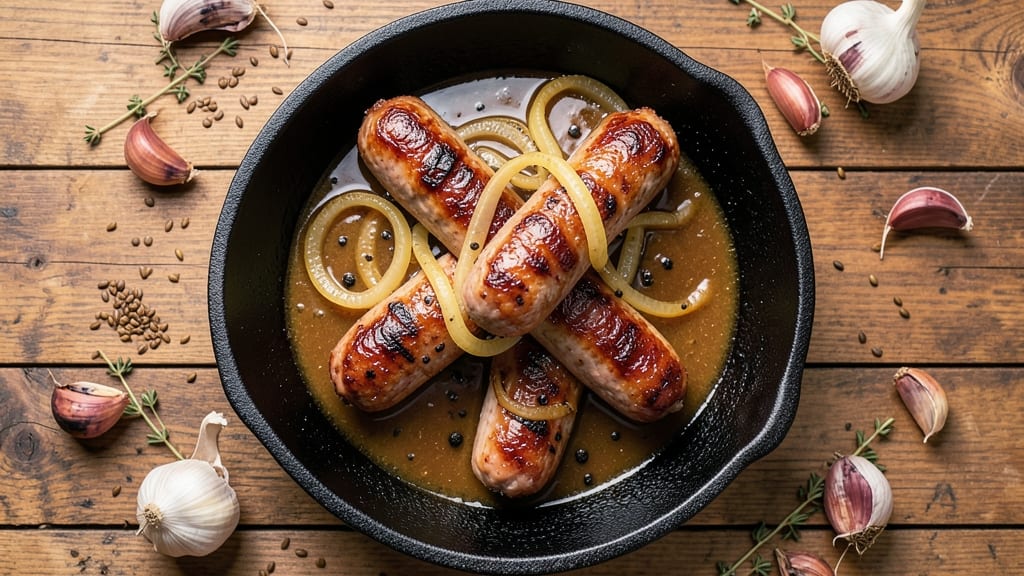
This all-beef bratwurst recipe delivers the perfect balance of smoky-grilled crust and juicy centers that make every bite satisfying. The secret lies in a carefully blended spice mix and proper stuffing technique that ensures tender, flavorful results every time.
I've perfected this recipe over years of testing, and it's become a staple at my summer cookouts—guests always ask for the recipe.
The process starts with high-quality ground beef and a traditional German spice blend that includes caraway, marjoram, and black pepper for that authentic bratwurst flavor.
We'll stuff the mixture into natural casings, chill them overnight for firmness, and then grill or pan-fry until they develop that signature crispy exterior while staying moist inside. The key is patience—rushing the chilling step will leave you with soft, mushy sausages.
What you'll end up with is a batch of bratwurst that's impossible to resist: golden-brown and blistered on the outside, with juicy, flavorful meat that practically melts in your mouth.
The aroma alone will have everyone gathering around the grill, and the first bite delivers that perfect combination of smoky, savory, and slightly spicy flavors. These are the kind of sausages that make you want to throw another one on the grill.
Serve them with classic German sides like sauerkraut and mustard, or keep it simple with grilled vegetables and crusty bread. The recipe includes tips for both traditional grilling and pan-frying methods, so you can choose what works best for your setup.
Let's get started on making bratwurst that will impress even the most discerning grilling enthusiasts.
Ingredients for all beef bratwurst
High-quality beef, bold spices, and proper technique make these bratwurst irresistible.
| Ingredient | Amount | Notes |
|---|---|---|
| Ground Beef 🥩 | 3 lb | 80/20 fat ratio preferred |
| Yellow Onion 🧅 | 1 medium | Finely chopped |
| Garlic Cloves 🧄 | 4 cloves | Minced |
| Caraway Seeds 🌿 | 1 tbsp | Toasted for depth |
| Dried Marjoram 🌿 | 1 tsp | Fresh if available |
| Ground Black Pepper 🌶️ | 1 tsp | Freshly cracked |
| Kosher Salt 🧂 | 1 ½ tsp | Adjust to taste |
| Natural Hog Casings 🥩 | 1 package | Soaked in water |
| Ice Water 💧 | 2 cups | For chilling mixture |
| Butcher's Twine 🧵 | 1 yard | For tying sausages |
The beef is everything here. Grab 80/20 ground chuck—that fat keeps the sausages juicy. Costco or local butcher shops usually have the best quality, but the grocery store stuff works in a pinch. Caraway seeds are key for authentic flavor, so don't skip them. Toast them in a dry pan for 30 seconds to deepen their aroma. The casings? Soak them in warm water for at least 30 minutes before using—this makes them pliable and easy to stuff. If you can't find natural casings, collapsible sausage stuffers are a great alternative for beginners.
No caraway seeds? Fennel seeds at half the amount work in a pinch, but the flavor won't be quite the same. Fresh marjoram is ideal, but if you're using dried, reduce to one-third the amount. For the onions, red onion adds a nice color contrast if you're feeling fancy. The ice water helps firm up the mixture—don't skip it, or your sausages will turn mushy. If you're making a big batch, divide the mixture into two bowls to stuff more easily. And trust me, tying the sausages with twine gives that professional look, but it's totally optional if you're in a hurry.
These bratwurst are best made a day ahead. After stuffing, chill them overnight in the fridge for firmness. They'll keep for up to 3 days wrapped tightly in paper towels inside a plastic bag. For longer storage, freeze them for up to 3 months. When grilling, don't rush the cooking time—they need to develop that crispy crust. Reheat gently in a pan or on the grill to avoid drying them out. Leftovers? Slice them up for breakfast hash—game changer.
Why You'll Love This Recipe
- No Fuss, Big Payoff: I swear by this recipe because it’s the kind of thing you can make while scrolling through your phone—just mix the ground beef, finely chopped onion, and minced garlic with caraway and marjoram, then shape them. No fancy equipment, no waiting for dough to rise, just raw, satisfying flavor in under 30 minutes.
- That Caraway Kick: Honestly, the caraway seeds are the MVP here. They give it this earthy, slightly sweet depth that’s not overpowering—just enough to make these bratwurst taste like they belong at a beer garden, not just your backyard grill. (Yes, even on a Tuesday night.)
- Grill or Pan, Every Time: Between us, these work anywhere. Grill them for that smoky char, pan-fry them for a quick weeknight dinner, or even stuff them into buns for tailgating—no one will guess they’re not from the deli. The beef stays juicy no matter how you cook them.
- Budget-Friendly Protein: I make a double batch and freeze half because ground beef is cheaper than pre-made sausages, and these keep beautifully. Plus, the onions and herbs stretch the flavor so you’re not left with dry, flavorless leftovers—just reheat and enjoy, whether it’s lunch the next day or a last-minute appetizer.
Step-by-step instructions for all-beef bratwurst
Here's how to craft restaurant-quality bratwurst with a smoky crust and melt-in-your-mouth centers.
Toast the Spices for Maximum Flavor
In a dry skillet over medium heat, toast the 1 tablespoon caraway seeds for 2-3 minutes until they release their nutty aroma and turn a rich golden color. You'll know they're ready when they smell intensely aromatic—like a mix of licorice and earthy warmth. Immediately transfer them to a small bowl and let them cool slightly.
While the caraway seeds toast, finely chop the 1 medium yellow onion and mince the 4 cloves garlic. The onion should be so fine it's almost like onion powder, and the garlic should be a smooth paste. This texture ensures even distribution of flavor throughout your bratwurst. Keep these prepped ingredients nearby as you'll need them in the next step.
Mix the Meat and Seasonings
In a large mixing bowl, combine the 3 pounds ground beef with the toasted caraway seeds, 1 teaspoon dried marjoram, 1 teaspoon freshly cracked black pepper, and 1.5 teaspoons kosher salt. Using your hands, mix everything together until the spices are evenly distributed throughout the meat.
Here's the thing—don't overwork the meat. Just mix until the spices are incorporated and you see no more dry spots. Overmixing develops gluten and can make your bratwurst tough. The mixture should look like a coarse, slightly streaky meat paste. If it feels too dry, you can add 1 tablespoon ice water to help bind it together.
Stuff the Casings
Soak the 1 package natural hog casings in 2 cups ice water for 30 minutes to make them pliable. While they soak, fill a large bowl with ice water and set it aside. You'll use this later to chill your stuffed sausages.
Using a sausage stuffer or a clean plastic bag with a small cut in the corner, carefully stuff the meat mixture into the casings. Start at one end and work your way down, twisting the casing gently as you go to help form the links. Don't fill them too tightly—you want them to be about 80% full so they can expand slightly during cooking. If the mixture gets too sticky, wet your hands slightly to help it slide through.
Form and Chill the Bratwurst
Once the casings are filled, tie them off into 6-inch links using the 1 yard butcher's twine. I like to make them about 1.5 inches in diameter—this size gives you a perfect balance of surface area for browning and interior for juiciness. As you tie each link, place it in the bowl of ice water to chill.
Chilling the bratwurst for at least 1 hour (or up to 24 hours in the refrigerator) is crucial. This step firms up the meat, prevents them from breaking apart during cooking, and helps them hold their shape on the grill. The ice water also helps set the seasonings, ensuring every bite is packed with flavor. Once chilled, they're ready for grilling—where the magic really happens.
Grill to Perfect Doneness
Preheat your grill to medium-high heat (about 375°F) and clean the grates thoroughly. Place the bratwurst on the grill and cook for 10-12 minutes, turning occasionally, until they develop a deep, appetizing crust with grill marks. You'll know they're ready when the internal temperature reaches 160°F—use a meat thermometer to check the thickest part of a sausage.
For that classic bratwurst experience, serve them grilled with mustard and a side of sauerkraut. The crust should be crispy and slightly charred, while the inside remains juicy and tender. If you prefer them slightly pink inside, remove them from the grill when they reach 150°F—they'll continue cooking as they rest. Enjoy immediately while they're at their peak!
Pro Tips For Making All Beef Bratwurst
- CHILL THE MEAT: Take your ground beef out of the fridge 30 minutes before mixing—cold meat gets tough when you handle it. I learned this the hard way when my first batch turned out dense instead of juicy. Warm hands work better too, so wash up first.
- TOAST THE SEEDS: Lightly toast the caraway seeds in a dry pan for 30 seconds before grinding—this brings out their nutty flavor. Skip this, and they’ll taste bland, no matter how much you use. (Yes, even if you’re impatient like me.)
- DON’T OVERWORK THE MIX: Handle the beef mixture just until combined—overmixing makes bratwurst tough. Use your hands or a fork, but stop when it’s just done, not when you’re bored. I used to knead it like dough, and the texture suffered.
- SWEAT THE ONIONS LOW: Cook the onions on medium-low heat until they’re soft and translucent, not browned—this keeps them sweet, not bitter. High heat turns them into onion-flavored ash, and nobody wants that in their bratwurst. (Your future self will thank you.)
Regional styles of all beef bratwurst
German Bratwurst Roots
True bratwurst originated in the Franconian region of Germany, where butchers would grind pork and beef together with caraway and other spices. The name "bratwurst" literally means "roasted sausage" in German—a nod to their traditional preparation over open flames.
In Nuremberg, the city of bratwurst, they're often served with sweet mustard and sauerkraut at beer gardens. These regional sausages are typically smaller and shorter than American versions, reflecting their street-food origins. 🗺️
Texas-Style BBQ Bratwurst
In Central Texas, bratwurst became a staple at cookouts, where they're often grilled over post oak and served with white bread and spicy brown mustard. The Texas version tends to be longer and thicker (about 8-10 inches), designed to hold up to long grilling sessions.
Many Texas pitmasters add a touch of smoked paprika to the seasoning blend for a deeper, slightly smoky flavor. These sausages are a must at Austin's annual Texas BBQ Festival, where they're often paired with grilled peaches in summer. 🔥
Midwest Classic Grill Bratwurst
The Midwestern U.S.—particularly Wisconsin and Minnesota—has embraced bratwurst as a summer grill staple, often serving them at state fairs and beer gardens. Here, they're typically 6-7 inches long and grilled until deeply caramelized on the outside.
A key regional touch is the use of yellow mustard (not sweet) and potato salad as classic sides. In Minnesota, you'll even find hot bratwurst stands where they're served with onion rings and fries—a true comfort-food combo. ❄️
New York Deli Bratwurst
New York delis put their own spin on bratwurst by pan-frying them in rendered beef fat until crispy, then serving them on rye bread with sauerkraut and thousand island dressing.
The seasoning blend often includes a pinch of nutmeg for warmth, and some delis even add a splash of beer to the meat mixture. These bratwurst are shorter and fatter (about 4-5 inches), designed for easy handling in crowded deli counters.
A must-try at Katz's Delicatessen in NYC, where they're a late-night favorite. 🌭
Modern Fusion Variations
Today, chefs are reimagining bratwurst with global flavors. Jamaican jerk bratwurst swaps caraway for scotch bonnet peppers and allspice, while Korean-inspired versions include gochujang and sesame oil. In California, you'll find avocado-lime bratwurst with cilantro and lime zest.
The key? Keep the all-beef base but experiment with bold, complementary spices. These fusion twists prove bratwurst is as versatile as it is delicious. 🌶️
Nutrition facts
Frequently asked questions
Can I make these bratwurst without natural casings?
For beginners, use collapsible sausage stuffers with plastic casing or even heavy-duty aluminum foil wrapped tightly around the meat. Just shape the mixture into 6-inch logs and secure with butcher's twine. The texture will be slightly different, but the flavor stays the same.
How do I store homemade bratwurst before grilling?
Wrap them tightly in paper towels, then place in a sealed plastic bag to prevent drying. Store in the fridge for up to 3 days or freeze for 3 months. Thaw overnight in the fridge—never at room temperature. For best results, grill within 24 hours of making.
What's the secret to keeping bratwurst juicy?
The 80/20 fat ratio in the beef is key—fat keeps them moist. Also, don't overstuff the casings (leave 20% empty space) and chill them overnight before cooking. When grilling, cook over medium-high heat and use a meat thermometer to pull them at 160°F. Rest for 5 minutes before serving.
Can I substitute pork for beef in this recipe?
While traditional bratwurst often uses pork, this recipe is designed specifically for all-beef to deliver a richer, more robust flavor. If you must mix, use 70% beef and 30% pork—but expect a slightly different texture and taste. The beef's higher fat content creates a juicier result.
How do I fix bratwurst that split while cooking?
If they burst, it's usually from overfilling the casings or skipping the chilling step. For future batches, leave 20% empty space when stuffing and always chill at least 1 hour before cooking. If they split on the grill, just keep cooking—they'll still taste great! Just avoid piercing them with a fork.