
Main Courses
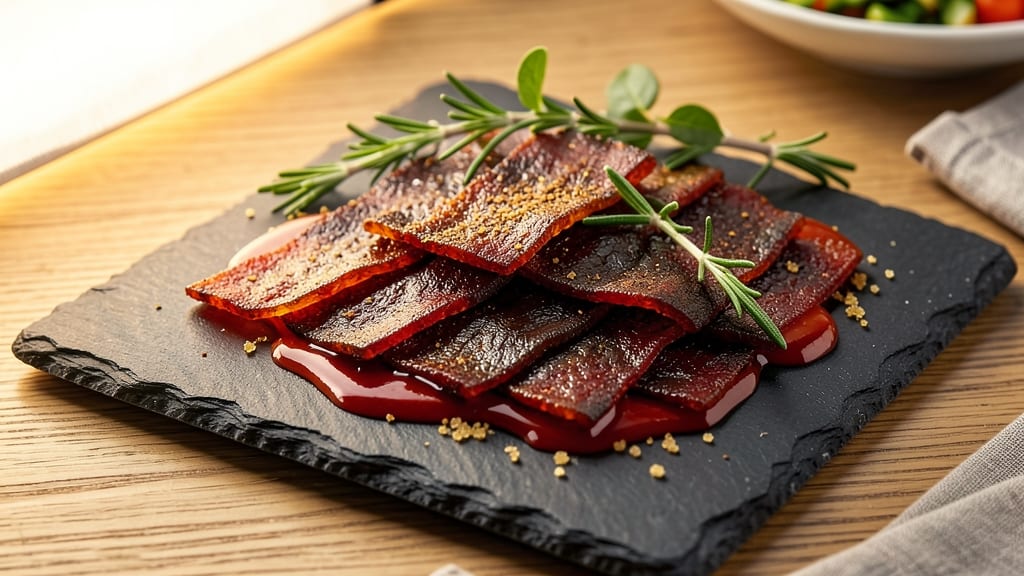
A1 beef jerky delivers that smoky-sweet flavor you crave, with chewy perfection that lasts for weeks. This recipe transforms lean beef into a shelf-stable snack using a foolproof curing process with A1 sauce—no special equipment required beyond a dehydrator or oven.
The key lies in precise seasoning, thin slicing, and controlled drying to ensure safety while maximizing flavor. What sets this method apart is the balance of A1 sauce's caramelized richness with traditional jerky spices, creating a texture that's tender yet resilient.
We'll cover everything from pre-slicing prep to safe dehydration, including how to achieve that signature chew without compromising food safety. The result? Jerky so flavorful it disappears in minutes, yet sturdy enough for backpacking trips.
Safety comes first—we'll address critical temperature guidelines (160°F internal) and cross-contamination prevention to ensure your jerky is both delicious and safe to store for months. Properly cured and dried, this jerky develops deeper flavor as it ages, making it perfect for snacking or gifting.
Let's get started with a method that delivers restaurant-quality results at home.
The process begins with lean beef cuts (like top round or flank steak) sliced against the grain into paper-thin strips—this ensures the signature chewiness.
A custom spice blend of garlic powder, smoked paprika, and brown sugar pairs perfectly with A1 sauce's sweetness, while a wet cure (vinegar and salt) preserves the meat safely. We'll walk through each step, including how to marinate for optimal flavor penetration before drying.
Whether you're using a dehydrator, oven, or even a smoker, we'll provide temperature-controlled methods to achieve consistent results every time. The final product should be moist but firm, with no sticky residue—a telltale sign of improper drying.
Store in an airtight container for up to 3 months, or vacuum-seal for extended shelf life. This isn't just jerky; it's a versatile snack for hiking, tailgating, or satisfying cravings between meals.
Ingredients for a1 beef jerky
Lean beef, bold spices, and A1 sauce create this restaurant-quality jerky with perfect chew and smoky-sweet flavor.
| Ingredient | Amount | Notes |
|---|---|---|
| Lean Beef Top Round Roast 🥩 | 2 lb | Sliced against grain, paper-thin |
| A1 Steak Sauce 🍯 | ½ cup | Original caramelized flavor |
| White Vinegar 💧 | ¼ cup | Distilled preferred for clarity |
| Granulated Sugar 🍚 | ½ cup | Light brown preferred |
| Kosher Salt 🧂 | 2 tbsp | Diamond Crystal preferred |
| Smoked Paprika 🌶️ | 2 tbsp | High-quality for smokiness |
| Garlic Powder 🧄 | 1 tbsp | Freshly ground preferred |
| Ground Black Pepper 🌶️ | 1 tbsp | Freshly cracked preferred |
| Onion Powder 🧅 | 1 tbsp | Freshly ground preferred |
| Cayenne Pepper 🔥 | ½ tsp | Adjust for heat preference |
| Worcestershire Sauce 🍶 | 1 tbsp | Vegan version if needed |
The beef is everything—top round roast delivers that signature chew when sliced against the grain. Costco or Walmart usually have it pre-cut for jerky, but if you're buying a whole roast, ask the butcher to slice it thinly for you. Look for cuts with good marbling but still lean—this ensures flavor without excess fat. The A1 sauce should be the original caramelized version, not the sweetened variety. Penzeys or Trader Joe's carry excellent quality if you want to splurge, but the grocery store brand works fine too. Freshly ground spices make a world of difference here—if your paprika smells stale, toss it and buy a new jar.
No A1 sauce? Substitute with soy sauce plus 1 tbsp molasses for a similar sweet-savory profile. Running low on Worcestershire? Extra garlic powder plus a splash of balsamic vinegar gets you close. The vinegar in this recipe is non-negotiable—it's what helps preserve the meat safely during the curing process. If you're sensitive to acidity, you can reduce it slightly but don't skip it entirely. For the sugar, light brown adds subtle molasses notes, but white granulated works in a pinch. The cayenne is optional but recommended—start with half a teaspoon and adjust to taste after the first batch.
Pre-sliced beef stays fresh for 2 days in the fridge before curing—work quickly to avoid spoilage. Once marinated, the mixture keeps for 48 hours in the refrigerator before dehydrating. For best results, use your jerky within 3 months of drying, though properly stored batches can last up to 6 months. Vacuum-sealing extends shelf life dramatically—consider investing in a quality vacuum sealer if you plan to make this regularly. The jerky is ready when it's dry to the touch but still pliable—press a piece between your fingers to test. If it springs back, it's perfect. If it feels sticky, it needs more time.
Why You'll Love This Recipe
- Five-Ingredient Magic: I swear by this lineup—just beef, A1, vinegar, sugar, and salt. That’s it. No fancy marinades or hours of prep; the A1’s umami punch does all the heavy lifting while you slice and dehydrate.
- Tangy-Sweet Bite: The vinegar and sugar combo creates this irresistible balance—salty, sweet, and just a hint of tang that sticks with you. Honestly, it’s the kind of flavor that makes people ask, “What’s in this?” (Then you get to brag about the A1.)
- Snack Attack Ready: This jerky is my go-to for road trips, gym bags, or when I’m too tired to cook. Between us, it’s also the only thing my kids will eat straight from the fridge—no questions asked. (Win.)
- Budget Stretch: Top round roast is cheap, and a little A1 goes a long way. I’ve turned $15 worth of beef into enough jerky to last weeks, which means fewer takeout nights and more money for actual groceries. Smart move.
Step-by-step instructions for smoky-sweet A1 beef jerky
Here's how to transform lean beef into restaurant-quality jerky with a perfect chewy texture and bold A1 flavor.
Prep the Beef for Even Cooking
Remove the lean beef top round roast from the refrigerator and let it sit at room temperature for 30 minutes. This ensures even cooking throughout. Using a sharp boning knife, slice the beef against the grain into paper-thin strips, about ⅛-inch thick. You want each strip to be uniform in thickness for consistent drying.
Lay the strips on a clean cutting board and pat them dry with paper towels. Any moisture remaining will prevent proper seasoning and create uneven drying. Arrange them in a single layer on a baking sheet lined with parchment paper, leaving space between each strip—they'll shrink as they dry.
Create the Signature A1 Jerky Rub
In a medium bowl, combine 0.5 cup A1 steak sauce, 0.25 cup white vinegar, 0.5 cup granulated sugar, 2 tbsp kosher salt, 2 tbsp smoked paprika, 1 tbsp garlic powder, 1 tbsp ground black pepper, 1 tbsp onion powder, 0.5 tsp cayenne pepper, and 1 tbsp Worcestershire sauce. Stir until the sugar and salt dissolve completely, creating a thick, glossy paste.
Real talk: the sugar and vinegar combination is what creates that signature A1 jerky sweetness. If you prefer less heat, reduce the cayenne to ¼ tsp—but don't skip it entirely, as it adds depth. The mixture should coat the back of a spoon and have a rich, aromatic smell that makes your mouth water.
Coat and Cure the Beef
Using your hands or a silicone spatula, thoroughly coat each beef strip with the A1 mixture. Press the rub into the meat so it adheres completely—this ensures maximum flavor penetration. Transfer the coated strips to a clean baking sheet lined with fresh parchment paper, arranging them in a single layer without overlapping.
Cover the baking sheet with plastic wrap and refrigerate for 24 hours. This curing period allows the seasoning to penetrate deeply and the meat to begin breaking down slightly, which is crucial for achieving that perfect chewy texture. Don't rush this step—proper curing prevents the jerky from being tough or dry.
Dry the Jerky to Perfection
Preheat your oven to 175°F—this low temperature is key for even drying without cooking the meat. Arrange a wire rack over a baking sheet and place the cured beef strips on it. This elevated setup allows air to circulate around each piece, promoting even drying.
Bake for 4-5 hours, checking periodically. The jerky is done when it's completely dry to the touch and no longer sticky—you should be able to snap a piece cleanly with a loud crack. If any pieces seem underdone, return them to the oven for 30 minutes more. The edges should be slightly darker than the center, indicating proper dehydration.
Cool and Store Properly
Remove the jerky from the oven and let it cool completely on the wire rack. This cooling process helps set the texture and prevents condensation from forming, which could make the jerky soggy. Once fully cooled, transfer the strips to an airtight container or resealable plastic bag.
Store in the refrigerator for up to 2 weeks or freeze for up to 3 months for maximum freshness. Properly dried jerky will keep indefinitely in the freezer, but the flavor is best within the first month. Each piece should have a rich, caramelized A1 flavor with a perfect chewy texture that's neither tough nor rubbery.
Pro Tips For Making A1 Beef Jerky
- Slice Thin, But Not Too Thin: Lean beef top round is tough enough that you don’t need to slice it paper-thin—about ¼-inch thick works best. I learned this the hard way after making jerky that turned to shoe leather. Thinner than that, and it dries out before the center cooks; thicker, and it stays chewy. A sharp knife and steady hand make all the difference—no wobbly cuts here.
- Marinate Overnight, No Exceptions: This isn’t the kind of recipe where you can toss everything together and expect magic. The A1 steak sauce and vinegar need at least 12 hours to work their way into the meat, breaking down fibers and building flavor. I used to rush it, and the jerky always tasted flat. Trust me: leave it in the fridge overnight, and the tangy-sweet punch will be worth the wait.
- Use a Meat Thermometer: The jerky is done when it hits 160°F internally—not when it looks dry or smells "done." I used to eyeball it, and half the batches ended up either raw in the middle or overcooked and brittle. A cheap instant-read thermometer solves this. Stick it in the thickest slice while it dries, and pull it when it beeps. No guesswork.
- Balance the Sugar: Granulated sugar caramelizes for that glossy finish, but too much will make your jerky sticky and cloying. Stick to 1 tablespoon per pound of meat, and if you’re using A1’s bottled sauce (which already has sugar), cut it back by half. I once doubled the sugar on a whim—ended up with jerky that tasted like a candy bar. Taste the marinade before applying; if it’s too sweet, adjust.
Perfect pairings for this recipe
Spicy Snack Pairings
Pair your A1 beef jerky with cooling beverages like a cold glass of milk or sparkling water with lime to balance the heat. For a spicy kick, try chilled Mexican lager—like Modelo Especial—which cuts through the smokiness beautifully.
I love keeping a dark beer on hand when snacking on cayenne-spiked jerky. 🍺
Sweet Contrasts
Sweet treats complement the savory-sweet A1 flavor perfectly. Try dark chocolate-covered strawberries or honey-drizzled pretzels for a perfect crunch-sweet contrast. For a classic combo, pair with peanut butter on whole-grain crackers—the salty-sweet balance is unbeatable. 🍫
Cheese Board Pairings
Create a jerky-friendly cheese board with sharp cheddar, aged gouda, and blue cheese for bold flavors. Add dried apricots, walnuts, and olive tapenade to round out the textures.
The salty tang of the jerky pairs wonderfully with creamy cheeses, while the dried fruit adds natural sweetness. 🧀
Trail Mix Upgrades
Elevate your trail mix by adding A1 beef jerky strips to classic combinations. Mix with roasted peanuts, M&Ms, and dried cranberries for a perfect backpacking snack.
For a protein boost, add pumpkin seeds and dark chocolate chips. This combo keeps you full for hours on hikes or road trips. 🥜
Cocktail Enhancements
Boost your cocktails with jerky-inspired flavors. Add A1 beef jerky powder (blend dried jerky into a fine powder) to Old Fashioneds or whiskey sours for a smoky depth.
For a non-alcoholic twist, mix jerky powder into iced tea with a splash of orange juice. The sweet-savory notes elevate any drink. 🍹
Breakfast Boosts
Start your day with jerky by adding crumbled A1 beef jerky to scrambled eggs or omelets for a savory kick. Sprinkle over avocado toast with a drizzle of hot sauce for a protein-packed breakfast. The umami from the jerky wakes up your taste buds instantly. 🍳
Nutrition facts
Frequently asked questions
Can I use a different cut of beef for this A1 jerky?
Lean cuts work best—top round, flank steak, or sirloin are ideal. Avoid fatty cuts like ribeye, as excess fat can make the jerky greasy. For extra tenderness, try silverside beef (the leanest option) or round steak). Just ensure the meat is paper-thin when sliced against the grain.
How do I know when the jerky is fully dried?
The jerky is done when it's completely dry to the touch, snaps with a loud crack when bent, and has no sticky residue. Test by pressing a piece between your fingers—it should feel firm but still pliable. If edges darken first, it's ready, even if the center looks slightly lighter.
Can I make this jerky without a dehydrator?
Use your oven at 175°F with the door slightly ajar for airflow. Arrange strips on a wire rack over a baking sheet and dry for 4-6 hours, checking frequently. A smoker also works at 165°F for 3-4 hours. Just ensure the temperature stays consistent.
Why did my jerky turn out too tough?
Over-drying or slicing with the grain causes toughness. Always slice against the grain and check doneness at 4 hours. If jerky feels rubbery, it needs more moisture—try a 10-minute rehydration in warm water before eating. For future batches, reduce drying time by 30 minutes.
How long can I store homemade A1 beef jerky?
Store in an airtight container for 2 weeks at room temperature or 3 months in the fridge. For long-term storage, vacuum-seal and freeze for up to 1 year. The flavor actually improves with age! Just ensure it's completely dry before storing to prevent spoilage.