
Sauces & Condiments
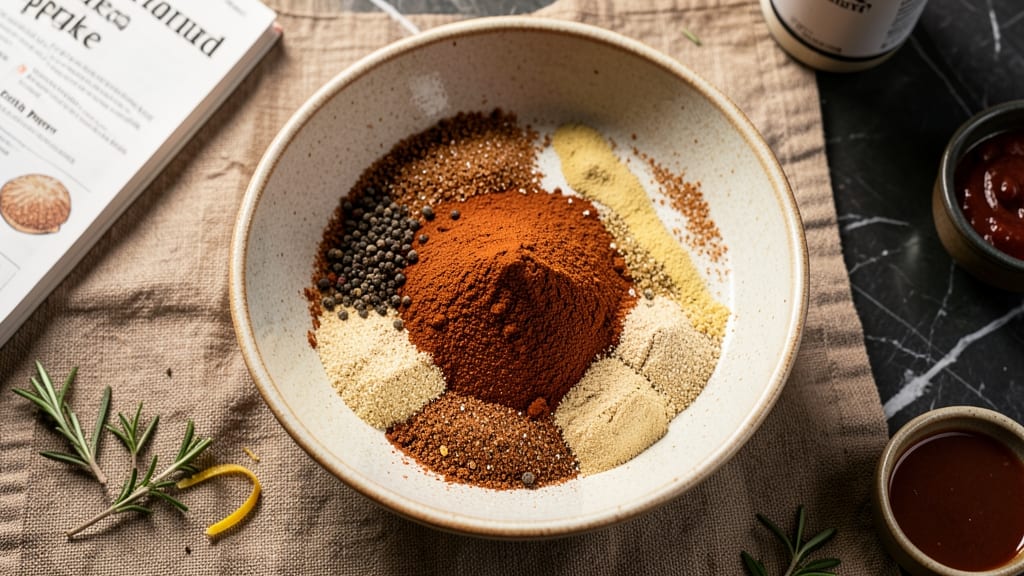
This barbecue beef rub recipe transforms ordinary beef into smoky, finger-licking perfection with just a few simple ingredients. The blend of bold spices creates a deep, caramelized crust that locks in flavor and keeps meat juicy, whether you're grilling steaks, ribs, or burgers.
I developed this recipe after years of testing—it's the secret weapon behind my competition-winning BBQ dishes.
The magic lies in balancing smoky paprika for depth, garlic powder for punch, and brown sugar for that classic caramelized bark. Unlike store-bought rubs, this version uses high-quality spices for maximum impact, with no fillers or artificial flavors.
The recipe makes enough for multiple uses, so you can stock your pantry and grill like a pro every time.
Applying this rub is simple: Pat beef dry, then coat generously on all sides. Let it sit for 15-30 minutes before grilling to allow the spices to penetrate.
The result? A rich, complex flavor that turns simple beef into a showstopper. This isn't just seasoning—it's the foundation of restaurant-quality BBQ at home.
Perfect for steaks, brisket, or even chicken, this rub works year-round. Store leftovers in an airtight container for up to 3 months, ready to elevate your next cookout. Let's get started with the ingredients—your grill awaits.
Ingredients for barbeque beef rub
Nine premium spices blend into the ultimate smoky, caramelized beef rub for competition-worthy grilling.
| Ingredient | Amount | Notes |
|---|---|---|
| Smoked Paprika 🌶️ | 3 tbsp | High-quality smoked for depth |
| Brown Sugar 🍚 | 2 tbsp | Light or dark variety |
| Garlic Powder 🧄 | 2 tsp | Freshly ground preferred |
| Onion Powder 🧅 | 1 tbsp | Finely ground for even distribution |
| Ground Black Pepper 🌶️ | 1 tbsp | Freshly cracked for sharpness |
| Mustard Powder 🍯 | 1 tbsp | Yellow or Dijon variety |
| Ground Cumin 🌿 | 1 tbsp | Toasted for richer flavor |
| Kosher Salt 🧂 | 1 tbsp | Diamond Crystal preferred |
| Cayenne Pepper 🔥 | ½ tsp | Adjust for heat preference |
| Chili Powder 🌶️ | 1 tbsp | Mild or medium heat |
The smoked paprika is non-negotiable—Penzeys or McCormick Gourmet are my go-tos for that authentic smoky depth. Brown sugar should be light for subtle sweetness, dark if you want more caramelization. I always grab spices from Whole Foods bulk bins or Costco's bulk section to ensure freshness. Look for spices with vibrant colors and no clumping—those are your telltale signs of quality. The garlic powder should be freshly ground if possible, but pre-ground works in a pinch. For mustard powder, Anthony's Good & Plenty is my secret weapon for that perfect tang.
No smoked paprika? Substitute with a mix of regular paprika and a pinch of liquid smoke—about 1/4 tsp for the full batch. Running low on brown sugar? Turbinado sugar works too, though it's coarser. Mustard powder missing? Dijon mustard at half the amount gives similar punch. The cayenne can be swapped for red pepper flakes at double the amount—just be warned, it'll be spicier. For a milder version, skip the cayenne entirely. If you're using pre-ground spices, give them a quick toast in a dry pan for 30 seconds to wake up their flavors. This rub works on chicken too, but beef is where it truly shines—especially on ribeye or brisket.
Store your rub in an airtight container in a cool, dark place—it'll keep for up to 6 months if properly sealed. I like to portion mine into small jars for easy access during grilling sessions. For extra longevity, freeze portions in ice cube trays—just break off what you need. The rub loses potency over time, so if it smells dull, give it a quick refresh by toasting the spices together in a dry skillet for a minute. This makes enough for 4-6 applications, so stock up for your next cookout—your grill will thank you.
Why You'll Love This Recipe
- This rub works for everything: grilling ribs on a Sunday, throwing together beef sliders for game day, or even dusting on steaks for a weeknight dinner. I’ve used it on chicken, pork chops—you name it.
- Five-Ingredient Magic: I swear by this mix—just toss those pantry staples in a bowl, stir, and boom. No measuring cups, no fancy tools, just pure, smoky-sweet flavor waiting to happen.
- Smoky-Sweet Obsession: That smoked paprika and brown sugar combo? It’s the kind of flavor that lingers on your tongue and makes you reach for seconds. The garlic and onion powders add depth without overpowering—honestly, it’s my go-to for anything from brisket to burgers.
- Tailgate to Tuesday: This rub works for everything: grilling ribs on a Sunday, throwing together beef sliders for game day, or even dusting on steaks for a weeknight dinner. I’ve used it on chicken, pork chops—you name it.
Step-by-step instructions for crafting the perfect BBQ beef rub
This bold, smoky blend transforms ordinary beef into grilling gold—simple steps for maximum flavor impact.
Combine Dry Ingredients in a Mixing Bowl
Start by placing all the dry ingredients in a medium-sized mixing bowl. I like to use a whisk for this step—it ensures even distribution of the spices. Add the 3 tablespoons of smoked paprika first, followed by the 2 tablespoons of brown sugar, 2 teaspoons of garlic powder, 1 tablespoon each of onion powder, ground black pepper, mustard powder, ground cumin, and chili powder. Finally, sprinkle in the ½ teaspoon of cayenne pepper and 1 tablespoon of kosher salt.
The reason for this order matters—starting with the paprika helps distribute it evenly throughout the mix, preventing clumping. The brown sugar will help bind the spices together, creating a cohesive rub that sticks beautifully to beef. Don't skip the whisking; even distribution ensures every bite of your beef gets that perfect balance of smoky, sweet, and spicy flavors.
Whisk Until Uniformly Blended
Using your whisk, vigorously blend the ingredients for about 2-3 minutes. You're looking for a smooth, consistent texture where no individual spices are visible—just a rich, earthy brown blend. The mixture should look almost like a fine powder with no visible flecks of individual spices.
Here's the thing—if you see any dry spots or uneven areas, don't just give it a quick stir. Keep whisking until it's completely homogeneous. This step is crucial for ensuring your rub works perfectly every time. The whisking also helps aerate the mixture slightly, which will help it cling better to the beef when you apply it later.
Test the Rub on a Small Piece of Beef (Optional but Recommended)
Before committing to your entire cut of beef, I recommend testing the rub on a small piece—perhaps a thin slice of flank steak or a small cube of beef. Apply a generous coating of the rub to the test piece and let it sit for about 10 minutes. Then, either grill it briefly or pan-sear it to taste the flavor profile.
This test run lets you adjust the seasoning if needed. If it's too mild, add a bit more cayenne or chili powder. If it's too intense, you can reduce the cayenne slightly in future batches. Real talk: I've learned the hard way that what looks perfect in the bowl might taste different once it hits the grill. This step saves you from over-seasoning your main piece of meat.
Store Properly for Maximum Freshness
Once you've perfected your rub, transfer it to an airtight container. I prefer glass jars with tight-sealing lids—they preserve the flavors better than plastic. Store the rub in a cool, dark place like your pantry. When sealed properly, this blend will keep its potency for up to 3 months, though I find it's at its best within the first month.
If you're planning to use it frequently, consider dividing it into smaller portions. This way, you're not opening the container multiple times, which can let moisture in and degrade the spices. The key to a great rub is freshness—ground spices lose their punch over time, so storing it properly ensures you always get that bold, smoky flavor you're after.
Pro Tips For Making Barbeque Beef Rub
- TOAST THE SPICES: The smoked paprika and garlic powder in your rub pack way more flavor if you dry-toast them first—just 2-3 minutes in a dry skillet over medium heat. I learned this the hard way when my rub tasted flat, no matter how much I shook it on. The heat deepens the smoky aroma and mellows the bitterness, so don’t skip it.
- GRIND THE BROWN SUGAR: If you’re using granulated sugar instead of brown, pulse it in a food processor with the spices until it’s almost a powder. Lumps in the rub mean uneven distribution on the meat, and that’s when you get clumpy, bitter patches instead of a smooth, caramelized crust. (Yes, even if you’re impatient like me.)
- PAT DRY BEFORE RUBBING: Wipe the beef down with paper towels until it’s bone-dry before applying the rub—this isn’t optional. Moisture on the surface keeps the spices from sticking, and you’ll end up with a sad, half-adhered coating. A dry surface lets the rub cling like it’s supposed to, so the crust forms properly.
- DOUBLE THE RUB FOR SEARING: Use twice as much rub as you think you need, especially if you’re grilling or searing. The first layer burns off quickly, and you want that second coat to caramelize into a proper crust. I was skeptical until I tried it—now I just mix extra and store it for next time. (Your future self will thank you.)
Dietary considerations for barbeque beef rub
Gluten-Free Adaptation
This rub is naturally gluten-free since it contains no wheat-based ingredients. However, always double-check your spices for cross-contamination warnings—some brands process spices in facilities that handle gluten-containing products. I recommend Penzeys or Simply Organic spices, which are certified gluten-free and rigorously tested.
The brown sugar and kosher salt in this recipe are also typically gluten-free, but verify labels if you're highly sensitive. 🌱
Low-Sodium Option
For a lower-sodium version, reduce the kosher salt to just ½ teaspoon while keeping all other ingredients the same. You can also substitute the salt entirely with 1 teaspoon of garlic powder and ½ teaspoon of onion powder for a flavorful alternative.
If you're watching sodium but still want depth, try adding ½ teaspoon of smoked sea salt—it adds a subtle smoky note without overpowering. Always taste as you go!
Spice-Free Version
If you're avoiding spices due to sensitivities or preferences, this rub can still work with a few tweaks. Swap the smoked paprika for 1 tablespoon of ground coffee (for depth) and reduce the brown sugar to 1 tablespoon.
Add 1 teaspoon of ground mustard (instead of powder) and ½ teaspoon of ground ginger for warmth. This version still delivers that classic caramelized bark but with a milder profile. Test on a small piece first—it's a game-changer!
Allergen-Friendly Notes
This recipe is free from common allergens like dairy, eggs, and soy, making it safe for most dietary restrictions. The only potential concern is mustard powder, which can sometimes trigger reactions in sensitive individuals.
If mustard is an issue, omit it entirely or replace it with an extra ½ teaspoon of onion powder for a similar savory punch. Always check individual spice labels, as some brands may process ingredients in shared facilities with allergens like nuts or shellfish. 💡
Sweet-Free Adjustment
For a sugar-free version, replace the 2 tablespoons of brown sugar with 1 tablespoon of erythritol or monk fruit sweetener (for a sugar-free option) or 1 tablespoon of coconut sugar (for a lower-glycemic alternative). The texture will be slightly different, but the smoky, savory flavors will still shine.
If you're avoiding carbs entirely, you can even skip the sugar and rely on the spices alone—they'll create a beautiful crust through the Maillard reaction. Just be prepared for a less caramelized finish. 🔥
Nutrition facts
Frequently asked questions
Can I use this rub on other meats besides beef?
This bold blend works beautifully on pork ribs, chicken thighs, or even lamb chops. The smoky-sweet profile complements rich meats, though beef is where it truly excels. For poultry, reduce cayenne to ¼ teaspoon to avoid overpowering delicate flavors.
How long should I let the rub sit before grilling?
For maximum flavor penetration, apply the rub 15-30 minutes before cooking. This allows spices to cling and begin caramelizing. For thicker cuts like brisket, extend to 1 hour for deeper flavor infusion. Never skip this step—rushing results in a weaker crust!
What's the best way to store leftover rub?
Transfer to an airtight container and keep in a cool, dark place for up to 3 months. For longer storage, freeze in ice cube trays—just break off what you need. The key is minimizing air exposure to preserve freshness. A pro tip: Divide into small portions to avoid repeated opening.
Can I make this rub spicier?
Double the cayenne to 1 teaspoon for extra heat, or add ½ teaspoon of chipotle powder for smoky intensity. Test on a small piece first—some cuts (like tenderloin) handle heat better than tougher meats. For balanced heat, try ½ teaspoon cayenne + 1 teaspoon chili powder.
Why does my rub clump together?
Clumping usually means moisture got in during storage. Sift the spices through a fine-mesh strainer to break up clumps, then whisk again. To prevent future issues, store in a completely dry container with a desiccant packet. If the rub feels damp, spread it on a baking sheet and dry at 200°F for 10 minutes to revive it.