
Soups & Stews
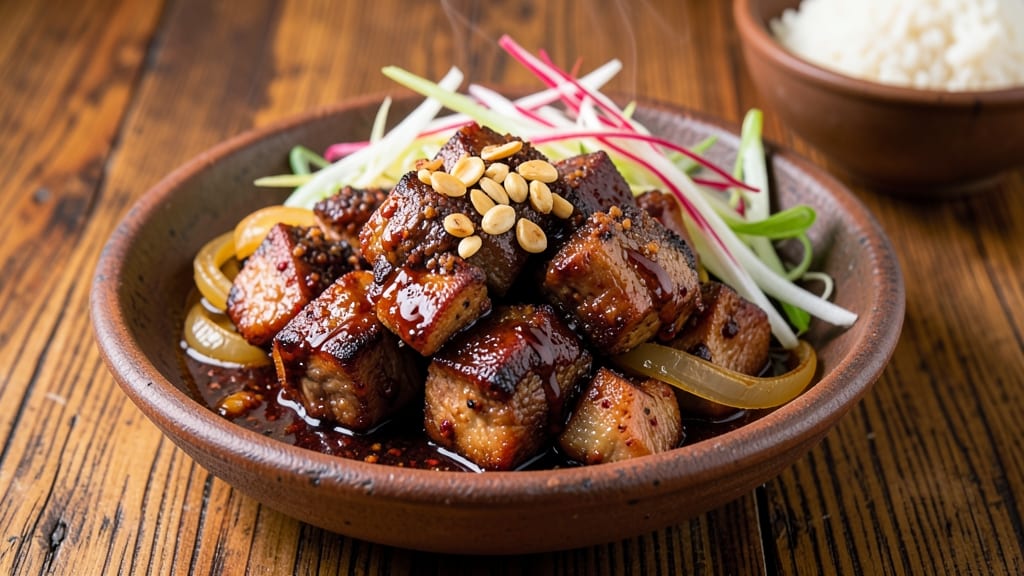
This beef binagoongan recipe brings the rich, umami-packed flavors of Filipino comfort food to your kitchen, where tender beef simmers in a silky soy-ginger sauce infused with shrimp paste (bagoong).
The secret lies in slow-cooking the beef until it’s fork-tender while building layers of flavor through caramelized aromatics and a balance of sweet, sour, and savory notes.
What makes this dish special is how the sauce thickens into a glossy, velvety consistency that clings perfectly to each bite—no lumps, no shortcuts, just deep, restaurant-quality taste.
The sauce itself is where the magic happens: a harmonious blend of soy sauce, shrimp paste, garlic, and vinegar that develops into something irresistibly complex.
Unlike many Filipino dishes that rely on heavy sauces, this version stays light yet deeply flavorful, thanks to a technique that reduces the sauce gradually while keeping the beef moist.
The result is a dish that’s hearty enough for a family dinner but simple enough for a weeknight, with just the right amount of effort for maximum reward.
By the time you serve it, you’ll have tender beef bites swimming in a glossy, aromatic sauce that’s perfectly balanced—sweet from the caramelized onions, tangy from the vinegar, and umami-rich from the shrimp paste.
The dish pairs beautifully with steamed rice, which soaks up every last drop of that silky sauce, making it a meal that feels both comforting and special. The best part? The flavors only deepen as it sits, so leftovers taste even better the next day.
Traditionally served with atchara (pickled papaya) or sautéed vegetables for crunch and brightness, this beef binagoongan is a celebration of Filipino home cooking. Whether you're introducing someone to Filipino flavors or recreating a childhood favorite, this recipe delivers the authentic taste and texture that makes it a standout dish.
Let’s get cooking—your taste buds will thank you.
Ingredients for beef binagoongan
Tender beef and aromatic sauce ingredients for Filipino comfort food that tastes like home.
| Ingredient | Amount | Notes |
|---|---|---|
| Beef Chuck Roast 🥩 | 1 ½ lb | Pre-cubed for even cooking |
| Soy Sauce 🍶 | ½ cup | High-quality Filipino brand preferred |
| Shrimp Paste (Bagoong) 🦐 | 2 tbsp | Filipino shrimp paste, not fish sauce |
| Yellow Onions 🧅 | 1 whole | Thinly sliced for caramelization |
| Garlic Cloves 🧄 | 6 cloves | Minced for aromatic base |
| Fresh Ginger 🌿 | ½ cup | Finely grated, skin on |
| Cane Vinegar 🍋 | ¼ cup | White or apple cider vinegar |
| Brown Sugar 🍯 | ¼ cup | Packed light brown sugar |
| Vegetable Oil 🫒 | 2 tbsp | For sautéing aromatics |
| Water 💧 | 1 cup | For thinning sauce if needed |
| Salt 🧂 | 1 tsp | Kosher or sea salt |
| Black Pepper 🌶️ | ½ tsp | Freshly ground preferred |
| Green Onions 🧅 | 3 whole | Sliced for garnish |
The beef is non-negotiable here—chuck roast breaks down beautifully into fork-tender bites. Look for well-marbled cuts at Filipino markets or your grocery store's butcher section. If you can't find shrimp paste, bagoong isang-atas (shrimp paste) is essential for that authentic umami punch. The Filipino soy sauce brands like Silver Swan or Datu Puti elevate this dish, but regular soy sauce works in a pinch. For ginger, grab the root and grate it fresh—it makes all the difference. The onions should be yellow or white for sweetness as they caramelize.
No shrimp paste? Anchovy paste at half the amount works, but the flavor will differ. Fresh ginger too pungent? Ground ginger at one-third the amount is fine, though it lacks the same depth. Vinegar substitutes? White wine or apple cider vinegar both work well. The brown sugar can be swapped for coconut sugar for a more authentic taste. For the beef, if you can't find chuck, round or sirloin tips are good alternatives. The green onions are just for garnish—skip if you're not a fan, but they add freshness that balances the rich sauce.
This sauce gets better with time, so make it a day ahead if possible. Store in an airtight container in the fridge for up to 5 days. The beef will keep for 4 days in the sauce, but the flavors meld beautifully overnight. For freezing, portion into containers with sauce—it reheats perfectly and tastes even richer. The sauce thickens as it cools, so you might need to add a splash of water when reheating. Serve with steamed rice to soak up every last drop of that silky sauce.
Why You'll Love This Recipe
- One-Pot Wonder: I swear by this recipe—just sear the beef, toss in the onions and garlic, then let the bagoong and soy sauce work their magic. No extra pans, no fuss, and the rich sauce thickens right in the pot while you’re still chopping veggies.
- Umami Bomb: That shrimp paste? It’s the star. The moment it melts into the beef, you get this deep, salty-sweet depth that cuts through the richness of the chuck roast. Honestly, I’ve tried other beef stews, but nothing compares to that bagoong punch.
- Weeknight Workhorse: This dish is my go-to when I need something hearty but don’t want to slave over it. Serve it with rice for a quick dinner, or pile it onto toast for a lazy weekend brunch. (Yes, even on a Tuesday night.)
- Budget-Friendly Feast: A whole chuck roast feeds my family for days, and the bagoong stretches the flavor across every bite. Leftovers? Even better—reheat and serve with extra rice, or throw it in a sandwich for lunch. My wallet and my taste buds thank me.
Step-by-step instructions for beef binagoongan with rich soy-ginger sauce
Here's how to transform tough beef into melt-in-your-mouth bites with a velvety sauce that balances sweet, salty, and umami flavors.
Prepare the Beef and Build the Aromatic Base
Pat the 1.5 lb beef chuck roast dry with paper towels and cut it into 1-inch cubes for even cooking. In a large Dutch oven, heat 2 tbsp vegetable oil over medium-high heat until shimmering. Add the beef in batches, working in 30-second intervals to avoid overcrowding, and sear for 2-3 minutes per side until deeply browned. This initial Maillard reaction forms the foundation of flavor.
Remove the beef and set it aside. In the same pot, add 1 whole yellow onion sliced into ¼-inch strips and cook for 4-5 minutes until softened and slightly golden. Add 6 cloves minced garlic cloves and 0.5 cup finely grated fresh ginger (with skin on for extra depth), cooking for 1-2 minutes until fragrant. Here's the thing—don't rush this step. The aromatics should sizzle gently without burning, releasing their full potential.
Develop the Sauce with Bagoong and Sweet-Savory Balance
Reduce heat to medium-low and stir in 2 tbsp shrimp paste (bagoong), letting it bloom for 30 seconds until the raw shrimp aroma transforms into a nutty, funky base. Add 0.5 cup soy sauce, 0.25 cup brown sugar, and 0.25 cup cane vinegar, stirring constantly for 2 minutes until the sugar dissolves completely. This is where the magic happens—the combination of sweet, salty, and acidic elements begins to meld.
Pour in 1 cup water and scrape up any browned bits from the bottom of the pot. Return the beef to the pot, ensuring each piece is coated in the sauce. Bring to a gentle simmer, then reduce heat to low and cover. Let it cook undisturbed for 1 hour, stirring occasionally, until the beef is fork-tender and the sauce thickens to a glossy consistency. The sauce should coat the back of a spoon with a silky texture—this is your target.
Finish with Seasoning and Garnish
Uncover the pot and increase heat to medium to reduce the sauce further for 5-7 minutes until it reaches your desired thickness. Season with 1 tsp salt and 0.5 tsp black pepper, tasting as you go. The sauce should be balanced—sweet from the brown sugar, salty from the soy and bagoong, with a bright tang from the vinegar. If it's too thick, add 1-2 tablespoons of water to loosen it.
Remove from heat and let it rest for 5 minutes to allow flavors to fully integrate. Garnish with 3 whole green onions sliced diagonally into ¼-inch pieces, adding a fresh pop of color and mild onion flavor. Serve immediately over steamed rice to soak up every last drop of that luxurious sauce. The beef should pull apart easily with a fork, and each bite should deliver perfect tenderness with a complex sauce that dances on your palate.
Pro Tips For Making Beef Binagoongan
- CRUST THE BEEF FIRST: I learned this the hard way—skipping the sear means your beef will turn out tough and gray, no matter how long you simmer. Heat a heavy pan until it’s smoking, pat the chuck roast very dry, and let it develop a deep brown crust on all sides before even thinking about adding onions or garlic.
- TOAST THE SHRIMP PASTE: Sounds weird, but it works: fry the shrimp paste (bagoong) in oil for 30 seconds until it smells nutty and releases its aroma before adding the onions. This stops it from making the whole stew taste like raw fish paste—your future self will notice the difference.
- LOW AND SLOW AFTER SEARING: Once you’ve browned the beef and toasted the bagoong, lower the heat to a gentle simmer. I used to rush it, and the beef would either dry out or stay undercooked. Cover the pot and let it cook at 180°F (82°C) for at least 2.5 hours—yes, even if the recipe says less.
- USE TWO ONIONS, ONE RAW: Chop one onion finely and sauté it with the garlic until soft—this builds flavor. Keep the second onion whole, peel it, and add it raw to the pot with the beef and soy sauce. It’ll soften during cooking but adds a bright, fresh contrast to the deep umami of the stew. (Trust me, it’s not a typo.)
Perfect pairings for this beef binagoongan
Steamed Rice Essentials
This dish is a match made in heaven with steamed jasmine rice—its slightly sticky texture soaks up the sauce beautifully. I recommend using a 1:1.25 rice-to-water ratio for fluffy grains.
For extra authenticity, try Filipino malagkit rice, which has a natural stickiness that pairs perfectly with the rich sauce. Serve it in a banana leaf-lined bowl for a traditional touch that adds aroma too. 🍚
Pickled Vegetable Contrast
Add atchara (Filipino pickled papaya) for a tangy crunch that cuts through the richness. Look for it in the Asian aisle or make your own by thinly slicing papaya, soaking in vinegar, sugar, and salt for 24 hours.
A simple carrot and daikon radish salad with rice vinegar also works—toss 1 cup shredded veggies with 1 tbsp vinegar, 1 tsp sugar, and a pinch of salt. The acidity balances the sauce's depth beautifully. 🥕
Crispy Fried Plantains
For a sweet-savory contrast, serve fried ripe plantains alongside. Slice 2 ripe plantains into ½-inch rounds, fry in vegetable oil at 350°F for 3-4 minutes until caramelized, then drain on paper towels.
The natural sweetness complements the umami sauce perfectly. Pro tip: Sprinkle with flaky sea salt right after frying for extra texture. 🍌
Garnish Game-Changers
Finish with crispy fried shallots for a nutty crunch—sauté 3 tbsp sliced shallots in 2 tbsp oil until golden brown. Or try toasted garlic chips: Thinly slice 4 garlic cloves, fry in oil until crispy, and sprinkle over the dish.
Both add depth and texture that elevate every bite. 🧄
Beverage Pairings
A Filipino iced coffee (kapeng barako) with its bold, toasty notes cuts through the dish's richness. For something lighter, calamansi juice (Filipino lime) with sparkling water adds zesty brightness. If you prefer beer, a light lager like San Miguel keeps the palate clean without overpowering the flavors. 🍹
Nutrition facts
Frequently asked questions
Can I substitute shrimp paste (bagoong) in this recipe?
Yes, but the flavor will change. Use anchovy paste at half the amount (1 tbsp) for a similar umami boost, though it lacks the funky depth of shrimp paste. For a vegetarian option, try miso paste or soy sauce with a dash of fish sauce, but the taste won't be identical. The shrimp paste is key for that authentic Filipino tang.
How do I make the sauce less sweet?
Reduce the brown sugar to 2 tablespoons and add 1 extra tablespoon of vinegar to balance the flavors. For more acidity, a splash of calamansi juice or lemon juice works beautifully. Taste as you go—adjust in 5-minute increments until you reach your preferred balance.
Why did my beef turn out tough instead of tender?
This usually happens if the beef wasn't cooked long enough or the heat was too high. Use a meat thermometer—beef should reach 195°F for fork-tender results. Simmer uncovered for the last 10 minutes to reduce the sauce and concentrate flavors without drying the beef.
Can I make this recipe in a slow cooker?
Brown the beef first, then transfer everything to the slow cooker and cook on low for 6-8 hours or high for 4 hours. The slow cooking enhances tenderness, and you may need to add 2-3 tablespoons of water if the sauce gets too thick. Finish by reducing on the stovetop to achieve that glossy texture.
What's the best way to reheat leftovers?
Reheat gently in a saucepan over low heat with 2-3 tablespoons of water to loosen the sauce. Avoid microwaving—it can make the sauce grainy. If the sauce thickens too much, add a splash of water or broth. Leftovers taste even better the next day as flavors meld further!