
Sauces & Condiments
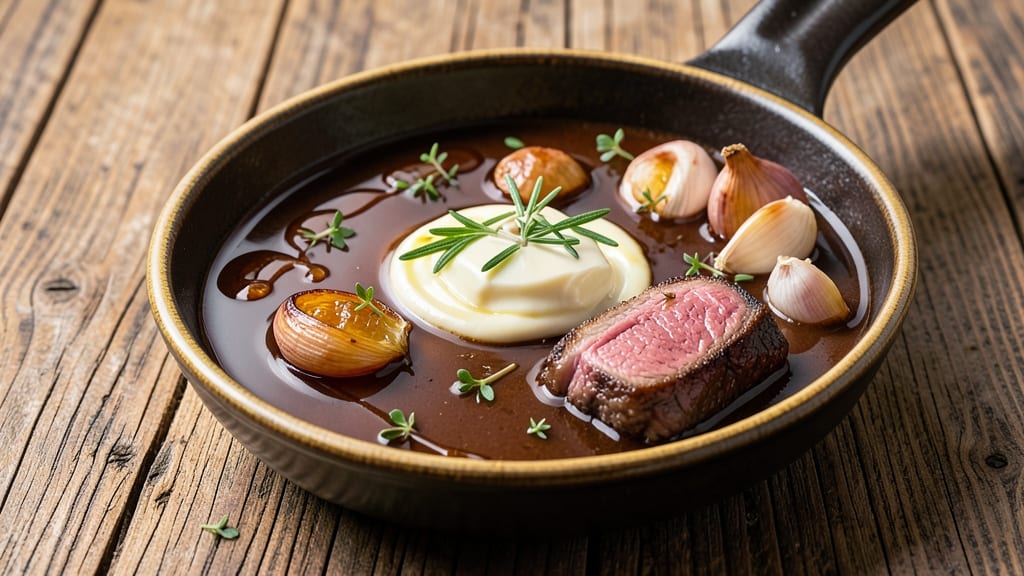
This beef basting sauce recipe transforms simple pan drippings into a juicy, caramelized masterpiece that elevates every steak, roast, or chicken you cook. The secret lies in deglazing the pan with broth and butter, capturing all those flavorful browned bits that turn into a rich, glossy sauce.
I've perfected this technique over years of cooking, and it never fails to deliver a restaurant-quality crust while keeping the meat impossibly tender inside.
The process is surprisingly simple: just sear your meat, remove it from the pan, then deglaze with beef broth and a splash of white wine or apple cider vinegar. Add butter, herbs, and aromatics to create a velvety sauce that's packed with depth.
The key is patience—letting the sauce reduce slowly on the stove so it thickens just enough to coat the meat beautifully without steaming it.
What you'll end up with is a sauce that's rich, aromatic, and irresistibly sticky, perfect for basting during the last few minutes of cooking. It adds layers of flavor while creating that coveted caramelized crust that makes every bite worth savoring.
This isn't just a sauce—it's the difference between good meat and showstopping meat.
The best part? This sauce can be made ahead and reheated, so you're always prepared for that perfect sear. Whether you're cooking a special occasion dinner or a weeknight steak, this beef basting sauce will take your dish from ordinary to extraordinary. Let's get started!
Ingredients for beef basting sauce
Pan drippings, butter, and herbs—this sauce transforms ordinary cooking into a restaurant-worthy experience.
| Ingredient | Amount | Notes |
|---|---|---|
| Beef Broth 🍲 | 1 cup | Homemade or high-quality store-bought |
| Unsalted Butter 🧈 | ½ cup | Cold, cubed for better emulsification |
| White Wine 🍷 | ¼ cup | Dry variety like Chardonnay or Sauvignon Blanc |
| Apple Cider Vinegar 🍎 | 1 tbsp | Or substitute with lemon juice |
| Fresh Rosemary 🌿 | ½ tbsp | Chopped, or 1 tsp dried |
| Fresh Thyme 🌿 | ½ tbsp | Chopped, or 1 tsp dried |
| Garlic Cloves 🧄 | 3 cloves | Minced, for extra depth |
| Shallots 🧅 | 2 whole | Minced, or sub with onions |
| Salt 🧂 | ½ tsp | Kosher or sea salt |
| Black Pepper 🌶️ | ¼ tsp | Freshly cracked |
The beef broth is the foundation—homemade adds depth, but Annie's or Pacific Foods store-bought works in a pinch. For the white wine, any dry variety will do, but avoid sweet wines like Riesling—they can make the sauce taste flat. The butter needs to be cold when added to emulsify properly, so pull it out of the fridge just before using. Fresh herbs are ideal, but dried thyme and rosemary at half the amount work if you're short on time. Shallots add a subtle sweetness that balances the richness—substitute with onions if needed, but they'll give a slightly sharper flavor. Trust me, this sauce is where the magic happens!
No white wine? Apple cider vinegar or lemon juice brings the same bright acidity. Running out of shallots? Yellow onions or leeks work too, though they'll have a slightly milder flavor. For a deeper color, add a dash of red wine vinegar or a pinch of smoked paprika. The butter is non-negotiable—it's what gives the sauce that luxurious finish. If you're concerned about dairy, vegan butter works just as well. And if you're using pre-minced garlic or shallots from a jar, rinse them first to remove any excess preservatives that can dull the flavor. This sauce is all about building layers, so don't skimp on the aromatics!
This sauce is best made fresh, but it reheats beautifully—just warm it gently on the stove with a splash of broth or water to loosen it up. Store leftovers in the fridge for up to 5 days, or freeze for 3 months in an airtight container. For a quick shortcut, make a double batch and freeze half in ice cube trays—just pop out what you need when you're ready to cook. The sauce thickens as it cools, so if it seems too stiff when reheating, add a little more broth or water. And if you're basting meat, keep the sauce warm in a small saucepan nearby—you want it to glaze, not boil!
Why You'll Love This Recipe
- Here’s the best part: it keeps for days in the fridge, and the flavor only gets deeper. I’ll make a double batch, freeze half, and pull it out when I’m craving that rich, tangy taste—no last-minute stress, just pure satisfaction.
- Pantry Magic: I swear by this sauce because it uses stuff I always have—no special shopping needed. The beef broth and white wine alone make it taste like a restaurant’s secret, and the butter ties everything together with that rich, velvety finish.
- No-Burn Perfection: Between us, I’ve ruined more than one pan trying to get that perfect crust. This sauce? Simmer it gently, and the rosemary releases its aroma without overpowering—just enough to make your beef taste like it’s been slow-roasted for hours.
- Weeknight Hero: I make this when I’m too tired to think, and it still impresses. Drizzle it over steak, toss it with roasted potatoes, or even slather it on grilled chicken—it’s my go-to for any meal that needs a little wow without the fuss.
Step-by-step instructions for beef basting sauce
Transform simple pan drippings into a rich, aromatic sauce that locks in moisture and adds depth to your beef.
Sauté Shallots and Garlic Until Golden
Heat a medium saucepan over medium heat and add the 0.5 cup unsalted butter. Let it melt completely, then add the 2 whole shallots and 3 cloves garlic cloves. Cook for 5-6 minutes, stirring occasionally, until the shallots soften and turn golden brown—this adds sweetness and depth to the sauce.
Don't rush this step; you want the shallots to caramelize slightly. If they start to brown too quickly, reduce the heat to medium-low. The garlic should become fragrant but not burn—burnt garlic makes the sauce bitter. Once golden, remove the pan from heat and set aside for now.
Deglaze with Wine and Vinegar
Return the pan to medium heat and carefully pour in the 0.25 cup white wine. Scrape up any browned bits from the bottom of the pan with a wooden spoon—these are packed with flavor. Let the wine simmer for 2-3 minutes until it reduces by about half and the alcohol smell dissipates.
Next, stir in the 1 tablespoon apple cider vinegar. This adds a bright acidity that cuts through the richness of the butter and beef. Simmer for another 1 minute until the vinegar is fully incorporated and the mixture smells vibrant. Here's where the magic happens—the wine and vinegar create a glossy, flavorful base for your sauce.
Build the Sauce with Herbs and Seasonings
Add the 1 cup beef broth, 0.5 tablespoon fresh rosemary, 0.5 tablespoon fresh thyme, 0.5 teaspoon salt, and 0.25 teaspoon black pepper to the pan. Stir well to combine, then bring the mixture to a gentle simmer over medium heat. Let it cook for 5-6 minutes until the liquid reduces by about one-third and thickens slightly.
Taste the sauce and adjust the seasoning if needed. You want it to be rich but not overpowering—just enough salt and pepper to complement the beef. If the sauce is too thin, simmer for another 1-2 minutes to thicken it further. The herbs should infuse the sauce with their aromatic flavors, creating a fragrant, herby depth that pairs perfectly with beef.
Finish and Use Immediately
Remove the pan from heat and let the sauce rest for 2-3 minutes to allow the flavors to meld. If you're using this sauce to baste a roast, strain it through a fine-mesh sieve to remove any herb stems or shallot bits for a silky texture. Pour the sauce into a gravy boat or small saucepan and keep it warm over low heat.
This sauce is best used immediately, but if you need to store it, let it cool completely and refrigerate for up to 3 days. To reheat, warm it gently over low heat, stirring occasionally, until it reaches your desired consistency. The sauce should coat the back of a spoon and be glossy, not greasy. Use it to baste your beef every 10-15 minutes during the last 30 minutes of cooking for a juicy, flavorful crust.
Pro Tips For Making Beef Basting Sauce
- Reduce Wine Slowly: Simmer the white wine on low heat until it’s cut by half—don’t rush it. I used to blast it and end up with a harsh, alcohol-heavy sauce; now I let it mellow for 5-7 minutes, and the acidity softens just right.
- Toast Rosemary First: Dry the rosemary sprigs in a hot pan for 20 seconds before adding them to the sauce. This wakes up the oils and aroma—no need for fancy infusions, just a quick sear.
- Deglaze Before Butter: Scrape up every browned bit from the pan with the vinegar before adding the butter. Those bits pack flavor, and skipping this step means a bland, buttery glaze instead of a rich sauce.
- Whisk in Butter Gradually: Temper the butter by adding it in small chunks while stirring constantly—otherwise, you’ll end up with a greasy mess. I learned this after ruining a batch by dumping cold butter all at once.
Storing and reheating this beef basting sauce
Refrigerator Storage
Let your basting sauce cool to room temperature before transferring it to an airtight container—I prefer glass jars for easy reheating. Store it in the fridge for up to 5 days, where it’ll thicken slightly but remain usable.
The flavors actually deepen overnight as the herbs infuse further. Just before using, give it a quick stir and add 1-2 tablespoons of warm water or beef broth to loosen it up. 🧊
Freezer Prep
For long-term storage, portion the sauce into ice cube trays—this makes it easy to grab just what you need. Once frozen, transfer the cubes to a freezer bag with 1 inch of headspace to prevent expansion cracks.
Label with the date, as it keeps for 3 months at 0°F or below. When ready to use, thaw overnight in the fridge or quickly in a bowl of warm water.
Reheating Methods
For stovetop reheating, place the sauce in a small saucepan over low heat and warm gently, stirring occasionally. Add 1-2 tablespoons of broth or water if it thickens too much—this sauce should glaze, not boil.
For microwave reheating, use 30-second intervals on medium power, stirring between each, until just warmed through. Never microwave it fully—this can break the sauce’s emulsified texture. 🔥
Reviving Thickened Sauce
If your refrigerated sauce has thickened to a paste-like consistency, don’t toss it! Simply add 1 tablespoon of warm beef broth at a time while whisking until it reaches a pourable consistency.
The sauce should coat the back of a spoon smoothly. For extra richness, stir in 1 tablespoon of cold butter while reheating—this restores that luxurious finish. This trick works wonders for leftovers!
Basting Prep Tips
Keep your basting sauce in a small saucepan on the stovetop near your cooking meat, maintaining low heat to prevent boiling.
For grilling, transfer the sauce to a heatproof baster bottle and keep it in a cool water bath (a bowl of ice water) to maintain an ideal basting temperature. Never let it boil—this can turn it grainy.
The goal is a glossy, sticky glaze, not a thick syrup. ✨
Sauce Consistency Guide
Your ideal basting sauce should be thick enough to coat the back of a spoon but thin enough to drizzle easily. If it’s too thick, add broth or water (1 tbsp at a time). If too thin, simmer uncovered for 2-3 minutes to reduce.
For extra gloss, stir in 1 tablespoon of cold butter at the end—this creates a silky finish. The right consistency ensures perfect adhesion to your meat without steaming it. 💫
Nutrition facts
Frequently asked questions
Can I make this beef basting sauce without wine?
Swap the white wine for 1 tablespoon apple cider vinegar or lemon juice plus 1 tablespoon extra beef broth. This keeps the bright acidity that balances the richness. For a deeper flavor, try 1/4 cup beef stock instead—just reduce it slightly longer to concentrate the flavor.
How do I prevent my basting sauce from breaking or separating?
Keep the butter cold when adding it to the pan, and whisk constantly while heating. If it starts to separate, whisk in 1 tablespoon cold butter or 1 teaspoon cornstarch mixed with water to help re-emulsify. Also, avoid boiling the sauce—keep it at a gentle simmer. The key is patience and steady heat.
What's the best way to use this sauce with different cuts of beef?
For steaks or chops, baste during the last 5-10 minutes of cooking. For roasts or large cuts, baste every 15-20 minutes during the final 30 minutes. With ground beef patties, spoon the sauce over the last 2 minutes of cooking. The sauce works best when applied hot to create a glossy crust.
Can I make this sauce ahead of time?
Yes! Make it up to 3 days ahead and store in an airtight container. For longer storage, freeze in ice cube trays (up to 3 months). Thaw overnight in the fridge or quickly in warm water. Just add 1 tablespoon broth when reheating if it thickens too much. The flavors actually improve overnight!
What if my sauce tastes too salty?
Add 1-2 tablespoons of warm water or beef broth and stir well. If it's still too salty, you can add a small piece of butter or a pat of cream cheese to dilute the saltiness. Taste as you go—this sauce should be rich but balanced. Never add more sauce to fix it; adjust the consistency first.