
Soups & Stews
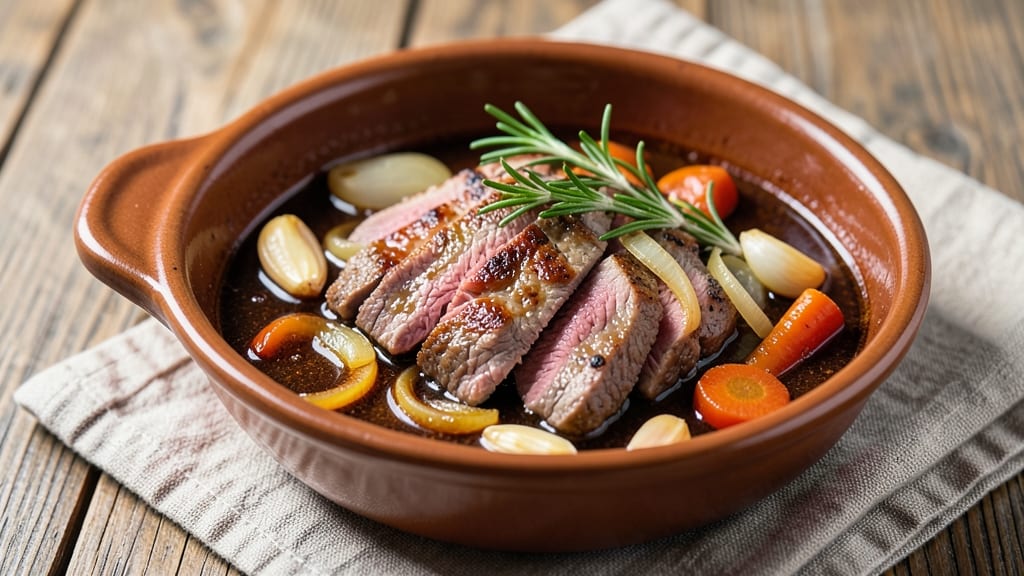
This beef base au jus recipe transforms humble pan drippings into a rich, umami-packed sauce that elevates any beef dish. The secret lies in simmering beef drippings with aromatic vegetables and stock until deeply concentrated—creating a sauce that's restaurant-quality without the fuss.
I developed this after years of perfecting roast techniques, and it's now my go-to for adding depth to steaks, roasts, or even as a standalone condiment.
The process is straightforward: deglaze the pan with wine, add vegetables and stock, then simmer until reduced by half. Straining ensures a silky texture, while the reduced sauce intensifies the beefy flavor.
What you end up with is a glossy, velvety sauce that clings beautifully to meat and adds a luxurious touch to any plate. This isn't just a pan sauce—it's a flavor multiplier that turns ordinary meals into something extraordinary.
What makes this recipe truly versatile is its ability to work in multiple ways. Use it as a finishing sauce for steak, drizzle it over roasted vegetables, or serve it alongside mashed potatoes for a restaurant-style experience.
The best part? It keeps well in the fridge for up to five days, making it perfect for meal prep. Once you try this, you'll never settle for store-bought au jus again.
For those who love depth of flavor, this recipe delivers complex umami notes that come from slow reduction and careful straining. The result is a sauce that's rich yet balanced, with just the right amount of tang from the wine and sweetness from the caramelized drippings.
Whether you're cooking for a special occasion or just want to add restaurant-quality depth to weeknight meals, this beef base au jus is your new essential.
Ingredients for beef base au jus
Eight ingredients transform simple pan drippings into restaurant-quality beef au jus.
| Ingredient | Amount | Notes |
|---|---|---|
| Beef Drippings 🥩 | 2 cups | From roasted beef, cooled |
| Dry Red Wine 🍷 | ½ cup | Bold Cabernet or Merlot |
| Beef Stock 🥫 | 2 cups | Homemade preferred, low-sodium |
| Yellow Onion 🧅 | 1 whole | Medium size, chopped |
| Carrots 🥕 | 2 medium | Peeled and chopped |
| Garlic Cloves 🧄 | 4 cloves | Fresh, minced |
| Fresh Thyme 🌿 | 1 tbsp | Leaves only, chopped |
| Black Peppercorns 🌶️ | ½ tsp | Crushed, fresh preferred |
| Salt 🧂 | 1 tsp | Kosher or sea salt |
| Butter 🧈 | 2 tbsp | Unsalted, cold |
The beef drippings are your flavor foundation—use only those from a well-marbled roast or steak. Costco's pre-cubed beef chuck works perfectly if you're starting from scratch, but any roast with good fat content will do. The wine should be dry and bold—Caymus or Apothic are my go-tos, but whatever's open in your cabinet works. For the stock, Kitchen Basics or Homemade Basics are my pantry staples, but anything low-sodium will keep the flavor balanced. Fresh thyme makes a difference here—Trader Joe's sells it pre-bundled, which saves time.
No red wine? Beef broth with 1 tbsp balsamic vinegar mimics the depth. Substitute dried thyme at one-third the amount, but fresh is worth hunting down at the market. Carrots can be baby carrots if that's what's handy, but organic rainbow carrots add a subtle sweetness. The butter at the end isn't optional—it adds richness and helps emulsify the sauce. Plugrá is my favorite brand for its high butterfat content, but any good-quality unsalted butter works. For extra umami, add 1 tsp soy sauce or Worcestershire (check for vegetarian if needed).
This sauce keeps beautifully—5 days refrigerated or 3 months frozen. For freezing, portion into ice cube trays, then transfer to a bag. Reheat gently on low, stirring occasionally to prevent scorching. The sauce thickens as it cools, so thin with a splash of stock if needed. I always make double batches—one for immediate use, one to freeze for future meals. The flavor actually improves after a day or two as the reduction deepens.
Why You'll Love This Recipe
- Pantry-Friendly Magic: I swear by this when I forget to shop—just grab what’s already there. That red wine in the back of your cabinet? The beef stock you’ve had since last Christmas? Boom, instant depth without extra trips.
- Rich Without Fuss: The drippings alone carry so much flavor, but add the wine and stock? It’s like a hug for your taste buds—deep, savory, and effortless. Even my picky husband doesn’t skip seconds.
- Leftovers That Shine: This base turns into everything—gravy, braising liquid, or a quick pan sauce. I make a big batch on Sundays, freeze half, and pull it out all week. Zero waste, maximum convenience.
- Budget Booster: Onions and carrots are cheap, but they make this taste like a fancy restaurant. Honestly, it’s my secret for stretching a roast into three meals without breaking the bank.
Step-by-step instructions for beef base au jus
Transform humble roasting drippings into a rich, velvety sauce with layers of umami depth.
Sauté Aromatics in Rendered Fat
Heat the 2 cups Beef Drippings in a medium saucepan over medium heat. Let them bubble gently for 2-3 minutes until you detect a rich, meaty aroma rising from the pan. This is your flavor foundation—don't rush this step.
Add the chopped yellow onion and peeled, chopped carrots, stirring occasionally. Cook for 8-10 minutes until the vegetables soften and the onions become translucent. The drippings should be sizzling but not smoking—adjust heat if needed. This slow cooking process ensures the vegetables release their natural sweetness into the base.
Add the minced garlic cloves and chopped fresh thyme, stirring for 30 seconds until fragrant. You'll know it's ready when the kitchen fills with that aromatic garlic-thyme perfume. The thyme should be just warm enough to release its oils but not brown—overcooking turns it bitter.
Deglaze with Wine and Stock
Pour in the 0.5 cup Dry Red Wine immediately after removing the pan from heat. The sudden temperature change prevents alcohol evaporation while extracting maximum flavor. Let it simmer for 3-4 minutes until reduced by half, scraping up all those caramelized bits from the bottom with a wooden spoon—this is where the magic happens.
Return the pan to medium heat and add the 2 cups Beef Stock. Bring to a gentle simmer, then reduce heat to low. Let it cook uncovered for 15-20 minutes, stirring occasionally. You're looking for a reduction that coats the back of a spoon—this concentration builds the sauce's depth. Skim off any foam that rises to the surface with a spoon.
Finish with Butter and Season
Remove the pan from heat and stir in the 2 tbsp cold Butter, one tablespoon at a time. The butter should melt into a glossy sheen, enriching the sauce without breaking its emulsion. Return to low heat for 1 minute just to incorporate completely—don't let it bubble or it will separate.
Taste and adjust seasoning with 1 tsp Salt and 0.5 tsp crushed Black Peppercorns. The sauce should be rich but balanced—you want the beefy umami to shine without overwhelming saltiness. If it needs brightness, add a splash more red wine. Strain through a fine-mesh sieve if you prefer a silky texture, or leave it rustic with visible vegetable bits.
Rest and Serve
Let the au jus rest for 5 minutes before serving. This resting period allows flavors to meld completely and the sauce to thicken slightly. The texture should be velvety yet still pour gracefully—like liquid silk.
Serve immediately over sliced roast beef, drizzled generously over mashed potatoes, or spooned alongside roasted vegetables. The sauce should cling beautifully to every bite, delivering waves of caramelized beef flavor with each spoonful. If storing, refrigerate for up to 3 days or freeze for 3 months—it reheats beautifully with a splash of water or stock to loosen it.
Pro Tips For Making Beef Base Au Jus
- DEGLAZE HOT, NOT HURRY: Start with a screaming-hot pan right after removing the beef—those drippings will release like magic. If you let it cool even a little, you’ll end up scraping burnt bits off the bottom instead of dissolving rich, golden fond into your wine.
- SWEAT ONIONS LOW AND SLOW: Cut onions into ¼-inch slices and cook them on medium-low for 10-12 minutes until translucent but not browned. I used to rush this, and the onions would turn bitter—now I set a timer and sip coffee while they work their way to perfect sweetness.
- STRAIN OUT THE CARROTS: After simmering carrots in the base, fish them out before reducing. They’ll turn to mush if left in, making your au jus grainy instead of silky. A fine-mesh strainer or cheesecloth works—just don’t skip this step if you want that restaurant-quality smoothness.
- ADD WINE IN STAGES: Pour in just ¼ cup of red wine at first, let it reduce by half, then add the rest. This prevents alcohol overpowering the beefy depth and lets the wine’s acidity cut through the richness without turning the base harsh. (Yes, even if you’re impatient like me.)
Flavor customization for beef base au jus
Umami Boosters
Elevate your au jus with 1 tsp soy sauce or 1 tbsp Worcestershire sauce for deeper umami richness. I add these during the stock simmering phase—just stir and let the flavors meld.
For extra depth, try ½ tsp fish sauce (if you're not avoiding it) or 1 tsp miso paste for a fermented complexity. These additions transform a good sauce into something extraordinary, especially when paired with red wine's acidity. 🌟
Herb Variations
Swap thyme for rosemary (½ tsp finely chopped) for a piney, earthy note that pairs beautifully with beef. Or try tarragon (1 tsp chopped) for a slightly sweet, anise-like flavor that brightens the sauce.
For a French bistro touch, add 1 sprig fresh parsley at the very end—it adds freshness without overpowering. I often keep a small pot of each herb on hand specifically for au jus experiments.
Spicy Heat Levels
Add ½ tsp smoked paprika for a subtle smoky warmth that complements the beef beautifully. For more heat, stir in ¼ tsp cayenne pepper during the final minute of simmering.
If you love complex chili notes, try 1 tsp chili flakes with a pinch of ground coriander—this combination adds unexpected depth. Always taste as you go, as spices intensify during reduction. 🌶️
Sweet-Savory Balance
Balance the richness with 1 tsp honey or 1 tsp maple syrup during the stock simmering phase. This sweetness enhances the caramelized beef flavors without making the sauce cloying.
For a more sophisticated touch, add 1 tsp balsamic glaze at the very end—it adds a tangy depth that pairs perfectly with the wine's acidity. I find this particularly effective when serving with roasted root vegetables.
Wine Alternatives
No red wine? Use ½ cup beef broth with 1 tbsp balsamic vinegar for similar depth. For a different flavor profile, try ½ cup dry sherry—it adds nutty complexity that works beautifully with beef.
White wine lovers can use ½ cup dry white wine (like Sauvignon Blanc) with an extra pinch of salt to balance the acidity. Each alternative changes the sauce's character, so experiment to find your favorite. 🍷
Texture Enhancements
For a rustic finish, stir in 1 tbsp crème fraîche or sour cream at the very end—it adds a luxurious creaminess that contrasts with the sauce's richness. For extra body, whisk in 1 tbsp heavy cream during the final minute of heating.
If you prefer a thicker sauce, reduce the stock to just 1 cup instead of 2 cups for a more concentrated result. These adjustments let you tailor the texture to your specific dish. 💫
Nutrition facts
Frequently asked questions
Can I make this au jus without wine?
Replace the 0.5 cup red wine with ½ cup beef broth + 1 tbsp balsamic vinegar for similar depth. For a different flavor profile, try ½ cup dry sherry—it adds nutty complexity that still pairs beautifully with beef. The key is balancing acidity, so adjust seasoning afterward.
How do I fix au jus that's too thin?
Simmer uncovered for 5-10 more minutes to reduce further, stirring occasionally. For quick thickening, mix 1 tbsp cornstarch with 2 tbsp cold water, stir into the sauce, and simmer for 1-2 minutes until thickened. Avoid adding flour directly—it can make the sauce grainy.
What's the best way to store leftover au jus?
Refrigerate in an airtight container for up to 5 days or freeze in ice cube trays for 3 months. To reheat, warm gently on low heat and thin with a splash of stock or water if needed. The sauce thickens as it cools, so adjust consistency before serving.
Can I use this au jus for other meats besides beef?
While designed for beef, it works beautifully with lamb or venison—just use their respective drippings and stock. For poultry, replace beef stock with chicken stock and reduce the wine to ¼ cup to avoid overwhelming the dish. The technique remains the same, but flavors will adapt to the meat.
Why did my au jus turn cloudy?
Cloudiness usually means the sauce wasn't strained or the butter separated. For a silky texture, strain through a fine-mesh sieve before adding butter. If it separates, whisk in 1 tbsp cold butter off-heat and return to low heat for 30 seconds to re-emulsify. Skim off any foam during simmering to prevent clouding.