
Sauces & Condiments
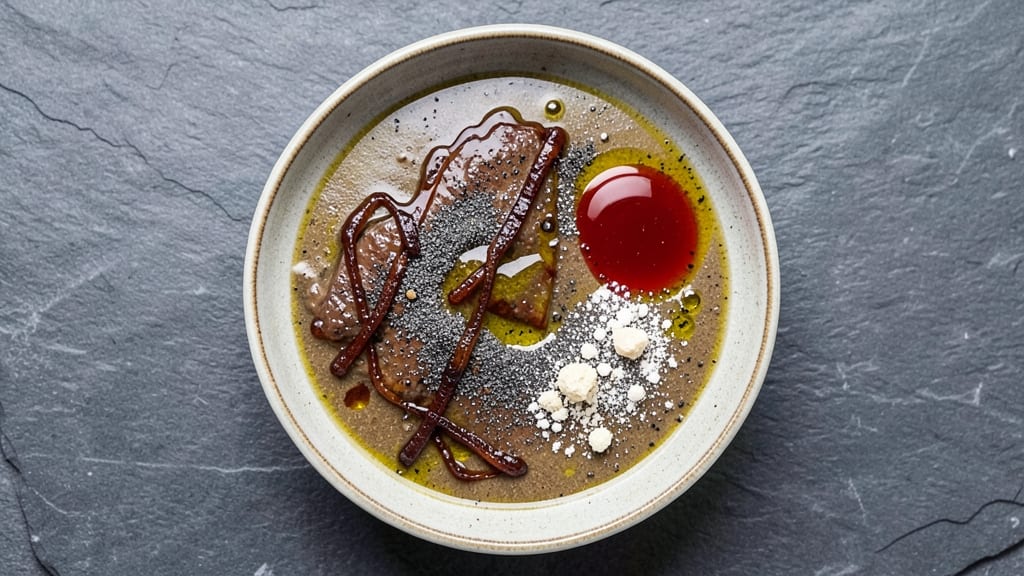
This beef barbecue marinade recipe transforms tough cuts into melt-in-your-mouth masterpieces with deep, smoky flavor that clings to every bite. I developed this blend after years of perfecting the balance between bold spices and tenderizing acids—no more dry, flavorless beef here. The secret lies in the marriage of apple cider vinegar and dark brown sugar, which work together to break down fibers while building complex caramelized crusts.
What sets this marinade apart is its precision—just 1 cup of oil, ½ cup of vinegar, and a carefully measured blend of spices create the perfect vehicle for flavor penetration.
Unlike dry rubs, this liquid version clings to every surface, ensuring every bite tastes like it’s been kissed by the fire. The marinating time is critical: 4-12 hours in the fridge (never longer) guarantees safety while maximizing flavor infusion.
When you pull that beef from the marinade, you’ll notice an immediate transformation—the meat darkens slightly, the spices adhere like a second skin, and the aroma alone will have everyone gathering around.
The result? Juicy, deeply flavored beef that holds up perfectly whether you’re grilling, smoking, or roasting. This isn’t just marinade; it’s the foundation for restaurant-quality BBQ at home.
Pro tip: Double the batch and store it in the fridge for up to 3 months—this marinade becomes your secret weapon for weeknight dinners and weekend cookouts alike. The flavors only deepen with time, making it worth prepping ahead. Let’s get started on that smoky, flavorful journey.
Ingredients for beef barbecue marinade
Nine ingredients transform tough beef into restaurant-quality masterpieces with deep, smoky flavor.
| Ingredient | Amount | Notes |
|---|---|---|
| Apple Cider Vinegar 🍏 | ½ cup | Unfiltered for deeper flavor |
| Dark Brown Sugar 🍬 | ½ cup | Packed firmly for accuracy |
| Extra-Virgin Olive Oil 🫒 | 1 cup | High-quality, fruity variety |
| Smoked Paprika 🌶️ | 2 tbsp | Essential for authentic smokiness |
| Garlic Powder 🧄 | 1 tbsp | Freshly ground preferred |
| Onion Powder 🧅 | 1 tbsp | For depth of flavor |
| Ground Black Pepper 🌶️ | 1 tsp | Freshly cracked for potency |
| Kosher Salt 🧂 | 1 ½ tsp | Diamond Crystal preferred |
| Ground Cumin 🌿 | 1 tsp | Toasted for enhanced aroma |
| Liquid Smoke 🔥 | 1 tbsp | Optional for extra smokiness |
The apple cider vinegar is non-negotiable—it tenderizes while adding tangy depth. Bragg or Texas Pete are my go-tos, but any unfiltered variety works. Dark brown sugar adds caramelized richness that clings beautifully to the beef. Domino or Muscovado sugar both work, but avoid light brown sugar—it lacks the molasses depth. For the olive oil, California Olive Ranch or Bertolli are my pantry staples, but any extra-virgin with a peppery finish will do. Smoked paprika is where the magic happens—Penzeys or McCormick smoked varieties are consistent, but if you can find Spanish pimentón, it's a game-changer.
No smoked paprika? Liquid smoke at double the amount gets you close, though it lacks the dry spice texture. Running low on vinegar? Balsamic vinegar works in a pinch, but the flavor profile shifts slightly. The liquid smoke is truly optional—if you're grilling, the smoke from the grill will carry most of the smokiness. For the spices, toast your cumin seeds before grinding if you have whole cumin—it makes a huge difference. If you're using pre-ground spices, check the expiration date; old spices lose their punch. The salt is critical—Diamond Crystal dissolves more easily than table salt, so you get better distribution in the marinade.
This marinade keeps beautifully—3 months in the fridge if stored in an airtight container. The flavors actually deepen over time, so it's perfect for making ahead. For best results, whisk all ingredients together thoroughly before using. If you notice any separation (common with oil and vinegar), just give it a good shake before applying. Double the batch and freeze half for future use—it's the ultimate lazy-day marinade. The beef will thank you for the extra time in the fridge, but never exceed 12 hours for food safety.
Why You'll Love This Recipe
- Five-Ingredient Magic: I swear by this blend—just vinegar, sugar, oil, paprika, and garlic powder. No measuring cups, no fancy tools, just dump-and-stir while you chop veggies or wait for the grill to heat. Honestly, the hardest part is remembering to write down the ratios before your next cookout.
- Smoky-Sweet Obsession: That smoked paprika and apple cider vinegar combo? It’s the secret weapon. The vinegar cuts through the richness while the brown sugar caramelizes into a glossy, finger-licking crust. I’ll be real: I’ve caught myself licking the bowl mid-stir.
- Grill or Skillet: Slather it on steaks for weekend feasts, toss it with ground beef for tacos on a Tuesday, or even drizzle it over roasted potatoes. Between us, I’ve used it for everything from slow-cooker brisket to quick pan-seared flank steak—it never lets me down.
- Doubles as Sauce: Make a big batch—it keeps for weeks in the fridge. Use half to marinate, save the rest for basting or as a dipping sauce. My freezer’s always stocked because I’d rather have it than not. (Yes, even on a Tuesday night.)
Step-by-step instructions for beef barbecue marinade
Here's how to blend this smoky, sweet marinade that transforms tough cuts into tender, flavorful masterpieces.
Whisk Together the Wet Ingredients
In a medium bowl, combine the 0.5 cup apple cider vinegar and 0.5 cup dark brown sugar (packed). Stir until the sugar dissolves completely, creating a smooth, syrupy base. The vinegar will help tenderize the beef while adding tangy depth.
Next, pour in the 1 cup extra-virgin olive oil and whisk vigorously for about 30 seconds. You'll notice the mixture emulsify slightly, creating a velvety consistency. This step ensures all flavors blend evenly throughout the marinade.
I like to use a wire whisk for this—it creates more movement than a spoon, helping the sugar fully incorporate. If you prefer, you could also use an immersion blender for a completely smooth texture.
Add the Dry Seasonings and Spices
Sift in the 2 tablespoons smoked paprika, 1 tablespoon garlic powder, 1 tablespoon onion powder, 1 teaspoon ground black pepper, 1.5 teaspoons kosher salt, and 1 teaspoon ground cumin. Use a rubber spatula to fold these dry ingredients into the wet mixture until completely combined.
The smoked paprika is what gives this marinade its signature deep, smoky character. I always recommend using freshly ground spices when possible—they release more aroma and flavor. If you're using pre-ground spices, give them a quick pulse in your spice grinder to reactivate their flavors.
At this stage, the marinade should have a rich, aromatic smell with notes of caramel, smoke, and earthy spices. If you're using the optional 1 tablespoon liquid smoke, add it now and stir well. This extra boost intensifies the smoky flavor, perfect for those who love bold barbecue taste.
Mix Until Fully Emulsified
Continue whisking or stirring for another 1-2 minutes until the marinade reaches a consistent, thick consistency. You're looking for a smooth, almost creamy texture that coats the back of a spoon. This thorough mixing ensures every bite of your beef will be infused with flavor.
Here's the thing—this marinade works best when it penetrates deeply into the meat fibers. The combination of acid (vinegar), fat (olive oil), and sugar creates the perfect balance for maximum flavor absorption. If the mixture separates slightly, don't worry—just give it one final stir before using.
For best results, let the marinade sit at room temperature for 10-15 minutes before using. This resting period allows the flavors to meld together, creating a more cohesive taste profile. The color will deepen slightly, and you'll notice an even more intense aroma—this is your signal that it's ready to work its magic on your beef.
Apply and Marinate for Maximum Flavor
Transfer the marinade to a resealable plastic bag or shallow dish. Add your beef cut (like flank steak, tri-tip, or brisket) and coat it thoroughly on all sides. For even penetration, I recommend using a baster to inject marinade between the muscle fibers if possible.
Marinate the beef in the refrigerator for at least 4 hours, but I prefer 8-12 hours for maximum tenderness and flavor development. The acid in the vinegar begins breaking down muscle fibers almost immediately, but longer marinating times yield better results.
Real talk: Don't exceed 24 hours of marinating time, especially with lean cuts. The acid can start to "cook" the meat slightly, making it mushy. When you're ready to cook, remove the beef from the marinade (reserve the leftover marinade for basting) and pat it dry before applying heat.
Pro Tips For Making Beef Barbecue Marinade
- STIR BEFORE MEASURING: The dark brown sugar in this marinade clumps like a stubborn guest who won’t leave. Break it up with a fork first, then measure—no sifting needed. I used to just scoop and stir, and half the time I’d end up with a lumpy mess that didn’t dissolve properly. A quick tap on the measuring cup’s edge helps too.
- LET THE VINEGAR WORK: Don’t toss this marinade on the beef right after mixing. Let it sit for at least 15 minutes—preferably 30—so the apple cider vinegar mellows out. I learned this the hard way when my first batch tasted harsh and acidic. The sugar and spices need time to blend too, so your beef won’t get that sharp vinegar punch.
- SKIP THE EXTRA OIL: Two tablespoons of olive oil is enough to coat the beef without making it greasy. More than that, and you’ll end up with a slick, unbalanced marinade where the smoky flavors get lost. Trust me, I’ve drowned beef in oil twice—once, I actually had to start over.
- GRIND THE GARLIC FRESH: Garlic powder is fine, but if you’re using it, don’t skimp—measure it by weight, not volume. A heaping teaspoon of powder isn’t the same as a crushed clove. For real depth, though, mince a whole clove and let it sit in the marinade for 10 minutes before mixing. The allicin releases, and the flavor becomes way more complex. (Yes, even if you’re impatient like me.)
Essential equipment for great beef barbecue marinade
Whisk Essentials
Start with a stainless steel wire whisk—it’s my go-to for emulsifying the vinegar, oil, and sugar into a silky marinade. The OXO Good Grips brand has a comfortable handle that prevents wrist strain during vigorous whisking.
For larger batches, a hand mixer on low speed works wonders, especially if you’re making a double batch for a crowd. 🔥
Measuring Tools
Precision matters in marinades, so invest in a stainless steel measuring set with both dry and liquid measures. I swear by the KitchenAid Precision Measuring Cups for their clear markings and durable construction.
For the spices, a small scoop or teaspoon ensures you don’t overdo it—too much salt or smoked paprika can overpower the beef. A digital kitchen scale is ideal if you want to measure spices by weight for even more accuracy.
Storage Containers
Once your marinade is ready, store it in an airtight glass jar with a lid—glass preserves flavors better than plastic and won’t absorb odors. I love the Le Parfait brand for their wide-mouth jars, which make pouring and whisking a breeze.
For leftovers after marinating beef, transfer any unused marinade to a small glass jar and keep it refrigerated for up to 3 months. If you’re freezing portions, use silicone ice cube trays for single-serving marinade cubes—just thaw and use as needed.
Marinating Tools
A resealable plastic bag with a zipper is a game-changer for marinating beef—it clings to the meat, ensuring even coating. Look for thick, food-grade bags like those from Hefty to prevent leaks.
For thicker cuts like brisket, a shallow glass or ceramic dish works better, allowing the marinade to pool and penetrate deeply. Don’t forget a basting brush—I use a silicone brush to apply any leftover marinade during cooking, locking in those smoky flavors. 💫
Optional Upgrades
If you’re serious about marinades, a small immersion blender like the Magic Bullet can create a ultra-smooth texture without lumps. For those who love liquid smoke, keep a small bottle of Traeger Liquid Smoke on hand—it’s a secret weapon for extra depth.
And if you’re foraging wild herbs like rosemary or thyme, a fine-mesh strainer helps you chop and infuse them directly into the marinade for a unique twist. Trust me, these little upgrades make a big difference. ✨
Nutrition facts
Frequently asked questions
Can I use this marinade on other meats besides beef?
This marinade works beautifully on chicken, pork, and even lamb. The acid and spices help tenderize tougher cuts like pork shoulder or chicken thighs. For fish, reduce the marinating time to 30-60 minutes max to avoid over-acidifying delicate proteins.
What's the best way to remove excess marinade before cooking?
Pat the beef dry with paper towels after marinating—this creates a better sear and helps the rub or sauce adhere if you're using one. For thicker cuts like brisket, use a clean kitchen towel to wipe away excess marinade, then let the meat rest for 10-15 minutes before cooking to help the crust form properly.
How do I store leftover marinade?
Transfer unused marinade to an airtight glass container and refrigerate for up to 3 months. For freezing, portion into ice cube trays and store in a sealed bag. When ready to use, thaw overnight in the fridge—never microwave. The leftover marinade makes an excellent basting sauce during grilling or smoking.
Can I make this marinade without liquid smoke?
Yes! The liquid smoke is optional but adds that signature smoky depth. If you omit it, increase the smoked paprika to 2.5 tablespoons for comparable flavor. For extra smokiness when grilling, use hickory or applewood chips in your smoker or grill—this will infuse the meat with natural smoke during cooking.
Why did my beef turn out dry after marinating?
Over-marinating (beyond 12 hours) or using too much acid can break down the meat fibers too much, causing dryness. For lean cuts like flank steak, stick to 4-6 hours of marinating. Always pat the meat dry before cooking and avoid overcooking—use a meat thermometer to pull beef at 135°F for medium-rare or 145°F for medium.