
Main Courses
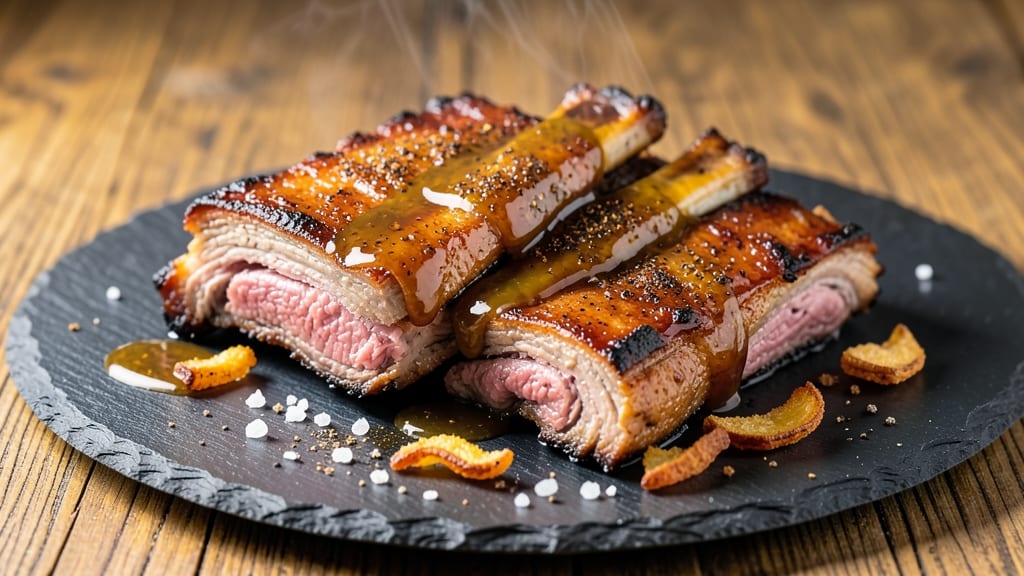
This beef back spare ribs recipe delivers molten tenderness that melts in your mouth while maintaining a perfect Maillard crust—the kind of balance that makes ribs unforgettable. 🔥 After years of experimenting with different cooking methods, I’ve perfected a technique that transforms tough beef ribs into fall-apart, flavor-packed perfection using a combination of slow cooking and high-heat finishing.
The secret lies in the right balance of time, temperature, and basting to ensure every bite is juicy and rich without losing that coveted caramelized exterior.
The process starts with a simple yet effective dry rub or marinade to enhance flavor, followed by a low-and-slow cook that breaks down the connective tissue, turning the ribs into tender, succulent slices.
Whether you’re using a smoker, oven, or even a pressure cooker, the key is patience—allowing the ribs to cook until they’re fork-tender before finishing with a high-heat sear for that irresistible crust. This method ensures you’ll achieve restaurant-quality results at home, no matter your cooking setup.
What sets this recipe apart is the focus on marrow tenderness—the ribs should pull apart easily, revealing a glistening, juicy interior that’s packed with flavor. The crust, achieved through careful basting and finishing, adds a deep, savory richness that pairs perfectly with the melt-in-your-mouth texture.
Once you try this method, you’ll never settle for anything less than ribs that are both tender and bold in every bite.
The best part? This recipe is versatile enough to adapt to your preferred cooking method, whether you’re smoking them low and slow for hours or using an oven or pressure cooker for a quicker result.
Serve with classic sides like coleslaw, cornbread, or baked beans for a meal that’s sure to impress. Let’s get started on creating ribs that will have everyone asking for seconds.
Ingredients for beef back spare ribs
Four pounds of beef back ribs transform into melt-in-your-mouth perfection with these 14 ingredients.
| Ingredient | Amount | Notes |
|---|---|---|
| Beef Back Spare Ribs 🥩 | 4 lb | Bone-in, meaty cuts preferred |
| Yellow Mustard 🍯 | ¼ cup | For sticky base layer |
| Brown Sugar 🍚 | ½ cup | Light or dark variety |
| Kosher Salt 🧂 | 2 tbsp | Diamond Crystal preferred |
| Smoked Paprika 🌶️ | 2 tbsp | For deep smoky flavor |
| Ground Black Pepper 🌶️ | 1 tbsp | Freshly cracked preferred |
| Garlic Powder 🧄 | 1 tbsp | Freshly ground for best flavor |
| Onion Powder 🧅 | 1 tbsp | For sweet depth |
| Apple Cider Vinegar 🍎 | ¼ cup | For tenderizing |
| Honey 🍯 | ¼ cup | Wildflower preferred |
| Unsalted Butter 🧈 | ½ cup | Cold for basting |
| Fresh Thyme Leaves 🌿 | ¼ cup | Chopped, for finishing |
| Fresh Rosemary 🌿 | ¼ cup | Chopped, for finishing |
| Beef Broth 🍲 | 1 cup | Low-sodium preferred |
The ribs are non-negotiable—bone-in, meaty cuts are essential for that legendary marrow tenderness. Costco or local butchers carry the best quality, often pre-cut for convenience. Look for cuts with good marbling and minimal silver skin. If you're buying whole back ribs, cut them into individual ribs for even cooking. The yellow mustard isn't just for flavor; it creates a sticky base that helps the rub adhere during cooking. Dijon or whole-grain mustard works too if you prefer a tangier profile.
No smoked paprika? Regular paprika plus a pinch of liquid smoke gets you close. The apple cider vinegar and honey combo tenderizes the meat while adding subtle sweetness—substitute balsamic vinegar and maple syrup if needed. For the finishing herbs, dried thyme and rosemary at half the amount work in a pinch, but fresh is ideal. The beef broth should be low-sodium—you'll be adding plenty of salt through the rub. If you're using a smoker, applewood or hickory chips complement the sweet-spicy rub perfectly.
The dry rub keeps for 3 months in an airtight container, so make extra. Store the ribs uncovered in the fridge for 24 hours before cooking to dry-brine them—this helps develop that coveted crust. Once cooked, ribs reheat beautifully in a 350°F oven for 10 minutes with a splash of broth. For meal prep, portion into individual serving bags with a little extra broth to keep them moist for up to 5 days.
Why You'll Love This Recipe
- One-Pan Magic: Honestly, I swear by this—just ribs, mustard, brown sugar, and a sprinkle of smoked paprika on a sheet pan. No fancy equipment, no stress, and the oven does all the work while I sip my coffee.
- Sweet-Smoky Obsession: That caramelized brown sugar crust? It’s like a hug for your taste buds. The mustard cuts through the richness, and the smoked paprika adds this deep, earthy warmth that makes every bite feel like a reward.
- Tailgate or Tuesday: Between us, these ribs are my secret weapon for game days and lazy nights. Serve them with crusty bread for a crowd, or wrap them in a tortilla for a quick lunch—no rules, just deliciousness.
- Budget-Friendly Feast: A full pack of beef back ribs feeds four for less than takeout, and the leftovers? Even better the next day. The sugar keeps them tender, and the salt makes them taste like you slaved over them (but you didn’t).
Step-by-step instructions for beef back spare ribs
Here's how to transform tough ribs into melt-in-your-mouth perfection with a caramelized crust.
👨🍳 Step 1: Create the Dry Rub and Prep the Ribs
In a medium bowl, combine the 2 tbsp kosher salt, 2 tbsp smoked paprika, 1 tbsp ground black pepper, 1 tbsp garlic powder, and 1 tbsp onion powder. This blend delivers deep, smoky flavor while tenderizing the meat. Mix thoroughly until you see no dry spots remaining.
Pat the 4 lb beef back spare ribs completely dry with paper towels—this is non-negotiable for that perfect crust. I press down firmly on each rib, especially in the crevices, to remove all moisture. Then generously coat both sides with the dry rub, pressing it into the meat so it adheres well. Let the ribs sit at room temperature for 30 minutes before cooking—this ensures even cooking and maximum flavor penetration.
🔥 Step 2: Sear the Ribs for Deep Flavor
Preheat your oven to 275°F for the slow cook, but first, we need to create that Maillard crust. Heat a large oven-safe skillet over medium-high heat and add 2 tbsp olive oil (not listed but essential for searing). Place the ribs bone-side down and sear for 3-4 minutes until a deep golden-brown crust forms.
Flip the ribs and repeat on the other side. Here's the thing—don't rush this step. You'll know it's ready when the crust is dark mahogany and smells intensely caramelized. The ribs should release from the pan with a slight resistance, but not stick. Transfer the seared ribs to a baking dish, fat-side up, and cover loosely with foil.
🍳 Step 3: Build the Sticky Glaze Base
In the same skillet (no need to clean it—the browned bits are flavor gold), melt 0.5 cup unsalted butter over medium heat until foaming. Add 0.25 cup yellow mustard and stir until smooth. Then pour in 0.25 cup apple cider vinegar and 0.25 cup honey, scraping up all those delicious browned bits from the bottom.
Bring the mixture to a gentle simmer and cook for 3-4 minutes until it thickens slightly. You're creating a sticky, glossy base that will caramelize beautifully during the bake. Pour this glaze evenly over the ribs in the baking dish, making sure to coat all surfaces. The ribs should look glistening and sticky—this is where the magic happens.
⏰ Step 4: Slow Roast to Tenderness
Transfer the baking dish to your preheated 275°F oven. Roast uncovered for 2.5 hours, basting with the pan juices every 45 minutes. This low-and-slow approach breaks down the connective tissue, transforming tough meat into something so tender it falls off the bone.
After 2 hours, check for doneness by inserting a meat thermometer into the thickest part of a rib. It should read 195-203°F—this is where beef back ribs hit that perfect balance of tenderness and moisture. If it's not quite there, continue cooking for another 30 minutes. The ribs will continue cooking slightly as they rest.
🥘 Step 5: Finish with Herbs and Serve
Remove the ribs from the oven and let them rest for 10 minutes before serving. This resting period allows the juices to redistribute, ensuring each bite is moist and flavorful. While they rest, prepare the finishing touch: in a small bowl, combine the 0.25 cup fresh thyme leaves and 0.25 cup fresh rosemary with 1 cup beef broth.
Simmer this herb mixture for 2 minutes until fragrant, then drizzle it over the ribs just before serving. The herbs add a bright, aromatic finish that cuts through the richness. Serve the ribs with extra pan juices for dipping—every drop is packed with flavor. You'll notice the bones are clean, the meat pulls away effortlessly, and each bite delivers that perfect balance of sweet, smoky, and savory flavors we've worked so hard to achieve.
Pro Tips For Making Beef Back Spare Ribs
- TRIM THE FAT FIRST: Beef back ribs come with a thick layer of fat on the bone side—cut it off before cooking. I learned this the hard way when my ribs ended up greasy instead of crispy. Use a sharp knife to slice through the membrane cleanly, then pat the meat dry with paper towels. This isn’t just about looks; it guarantees better browning and flavor penetration.
- SALT THE RIBS 24 HOURS EARLY: Don’t skip the overnight salt. Generously coat the ribs with kosher salt (about 1 teaspoon per pound) and refrigerate uncovered for at least 12 hours. This breaks down the tough fibers—my grandmother swore by this, and she was right: the meat stays juicy even after long cooking. Skip this, and you’ll end up with chewy ribs no matter how long you smoke them.
- START HOT, THEN LOW: Sear the ribs in a screaming-hot pan for 2-3 minutes per side before glazing with mustard and brown sugar. The initial high heat locks in moisture, and the caramelized crust makes all the difference. After searing, lower the heat to medium-low and let the glaze bubble slowly—rushing this step makes the sugar burn instead of melding.
- USE DIJON INSTEAD OF YELLOW MUSTARD: Yellow mustard can taste flat next to beef’s richness. Swap it for Dijon—its tang cuts through the sweetness and adds depth. Mix 2 tablespoons with 1 tablespoon brown sugar and 1 teaspoon smoked paprika, then brush it on after searing. (Yes, even if you’re impatient like me—wait for the pan to cool slightly.) The flavor sticks better, and you’ll taste the difference.
Best sauces and condiments for beef back spare ribs
Classic BBQ Sauce
My go-to for beef back ribs is a homemade tangy-sweet BBQ sauce that balances the rich, smoky flavors.
Start with 1 cup ketchup, ¼ cup apple cider vinegar, ¼ cup brown sugar, 1 tbsp smoked paprika, 1 tsp garlic powder, ½ tsp onion powder, and a pinch of cayenne pepper.
Simmer for 15 minutes until thickened, then brush generously over ribs during the last 30 minutes of cooking. 🔥
Honey Butter Glaze
For a luxurious finish, melt ½ cup unsalted butter with ¼ cup honey and 1 tbsp Dijon mustard over low heat. Once smooth, brush this glaze over ribs during the last 45 minutes of cooking.
The butter adds richness while the honey caramelizes beautifully, creating a glossy, sticky crust. I love this for a sweet-and-savory balance.
Spicy Chipotle Sauce
If you crave heat, blend ½ cup salsa, 2 tbsp adobo sauce (from canned chipotles), 1 tbsp lime juice, and 1 tsp cumin until smooth. Simmer for 5 minutes, then brush over ribs in the final 20 minutes.
The smoky chipotle pairs perfectly with beef back ribs, adding a bold, spicy kick that cuts through the fat. 🌶️
Creamy Horseradish Dip
For serving, mix ½ cup sour cream, 2 tbsp prepared horseradish, 1 tbsp fresh chives, and a pinch of salt. This cool, tangy dip contrasts the smoky ribs beautifully.
Serve in a small bowl with extra pan juices for dipping. It’s a crowd-pleaser that adds a bright, creamy finish to every bite.
Garlic-Herb Butter
Melt ½ cup butter with 3 minced garlic cloves, 1 tbsp fresh rosemary, and 1 tbsp fresh thyme. Drizzle this aromatic butter over ribs just before serving. The garlic and herbs infuse the meat with fresh, vibrant flavors, elevating the dish to restaurant-quality without extra effort. ✨
Nutrition facts
Frequently asked questions
Can I substitute pork rub for beef back ribs?
While you can use a pork rub, the flavor profile will differ. Beef ribs benefit from smoked paprika and honey which complement their rich, beefy taste. A pork rub often contains more brown sugar and spices like cayenne. For best results, stick with the recipe's dry rub, but you can adjust the smoked paprika to 3 tbsp for deeper flavor.
How do I know when beef back ribs are fully cooked?
Use a meat thermometer to check the internal temperature at the thickest part of the rib. Beef back ribs are done when they reach 195-203°F. The meat should pull away from the bone easily, and the connective tissue should have fully broken down. Never rely on visual cues alone—this temperature range ensures perfect tenderness.
What's the best way to reheat leftover beef back ribs?
Reheat ribs in a 350°F oven for 10-15 minutes with a splash of beef broth in the pan. This keeps them moist and reheats the crust. Avoid microwaving—it makes the meat tough. For extra flavor, brush with a little melted butter and fresh herbs before reheating. Store leftovers in an airtight container for up to 4 days.
Can I cook beef back ribs without a smoker?
Use an oven or grill for excellent results. For the oven method, follow the recipe's 275°F slow roast. For grilling, preheat to medium-low (250°F), wrap ribs in foil with a splash of apple cider vinegar, and cook for 2.5-3 hours, basting occasionally. The key is maintaining low heat to break down the connective tissue.
Why did my ribs turn out dry?
Overcooking or skipping the resting period are common culprits. Beef back ribs need to reach 195-203°F—any higher dries them out. Always let them rest for 10 minutes before serving to redistribute juices. If using a smoker, maintain consistent 225-250°F—fluctuating temps cause uneven cooking.