
Soups & Stews
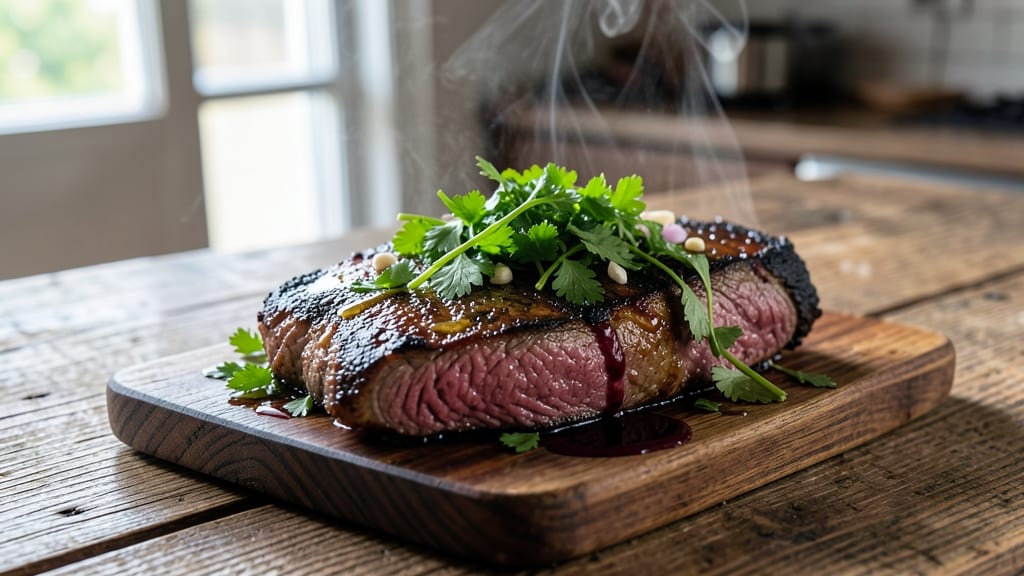
This Argentinian beef asado recipe brings the soul of Buenos Aires to your backyard, where tender cuts of vacio or entraña transform under smoky wood fires into melt-in-your-mouth perfection. The secret lies in slow-cooked, indirect heat that renders fat while preserving juicy centers—just like the legendary parrilla masters.
Every bite carries the essence of tradition, from the charred crust to the vibrant chimichurri that ties it all together.
What sets this asado apart is the method: thick-cut beef (never pre-marinated) sears over hardwood charcoal while resting on a parrilla grill, allowing juices to redistribute naturally. The chimichurri—fresh parsley, garlic, vinegar, and olive oil—adds a bright, herbaceous contrast that cuts through the richness.
No fancy techniques here, just patience and respect for the meat.
By the time you serve, your table becomes the heart of a celebration—crispy edges, tender interiors, and that unmistakable smoky aroma filling the air. The chimichurri isn’t just a sauce; it’s the soul of the dish, drizzled generously over each cut.
This isn’t just dinner; it’s an experience that turns any gathering into an Argentine fiesta.
Perfect for weekends or special occasions, this asado delivers restaurant-quality results without the fuss. The key? High-quality cuts, proper heat control, and letting the meat work its magic. Let’s bring the asado to life—your guests won’t believe the difference.
Ingredients for beef asado argentina
Thick-cut beef, smoky charcoal, and vibrant chimichurri—this is the authentic Argentine asado experience.
| Ingredient | Amount | Notes |
|---|---|---|
| Argentinian Vacio or Entraña Beef 🥩 | 4 lb | Thick-cut, 1.5-2 inches, dry-brined overnight |
| Hardwood Charcoal 🔥 | 4 lb | Lump charcoal, no lighter fluid |
| Fresh Flat-Leaf Parsley 🌿 | 2 cups | Stems removed, tightly packed |
| Garlic Cloves 🧄 | 12 cloves | Unpeeled, lightly crushed |
| Red Wine Vinegar 🍷 | ½ cup | Malbec preferred, aged 2+ years |
| Extra-Virgin Olive Oil 🫒 | 1 cup | Spanish or Italian, fruity |
| Kosher Salt 🧂 | 2 tbsp | Diamond Crystal preferred |
| Ground Black Pepper 🌶️ | 1 tbsp | Freshly cracked, coarse grind |
| Red Chili Flakes 🔥 | 1 tsp | Optional, for heat |
| Red Onion 🧅 | 1 whole | Thinly sliced, for serving |
| Lemon Wedges 🍋 | 4 pieces | For finishing |
| Fresh Oregano 🍃 | ¼ cup | Chopped, for chimichurri |
| Cumin Seeds 🌿 | 1 tsp | Toasted, optional |
The beef is everything. Vacio or entraña cuts are non-negotiable—they're the traditional choices for asado, with just the right amount of marbling for flavor and tenderness. Costco or specialty butchers carry these cuts, but if you can't find them, ribeye or sirloin work in a pinch. The dry-brine overnight trick (salt the meat 12 hours ahead) keeps it juicy without marinating. Look for cuts that are bright red with good fat cap—this is your quality indicator. Never trim the fat; that's where the flavor hides. If you're buying frozen, thaw it in the fridge for 24 hours, not at room temperature.
Chimichurri isn't just a sauce—it's the soul of the dish. Malbec vinegar adds depth that regular vinegar can't match, and Spanish olive oil has that peppery kick. Fresh parsley is a must (dried won't cut it), but if you're short, cilantro at half the amount works surprisingly well. The garlic should be unpeeled and lightly crushed—this prevents it from turning bitter during storage. No chimichurri? Pesto with red wine vinegar is a decent backup. For the grill, lump charcoal is essential—it burns hotter and smokier than briquettes. If you're using a gas grill, soak wood chips in water for 30 minutes first to create smoke.
The chimichurri keeps for 5 days in the fridge, sealed airtight, but it's best made fresh. The beef? Cook it the day you serve—asado is all about freshness. Store leftovers in the fridge for 3 days, but honestly, it's better eaten fresh. For reheating, low heat only—microwaving ruins the texture. The chimichurri can be made a day ahead, but add the garlic just before serving. If you're planning a big gathering, double the chimichurri recipe—it disappears fast. And trust me, you'll want seconds.
Why You'll Love This Recipe
- I’ll be real: most grilled beef turns dry or sad after day two. Not this. The vacio stays tender, and the charred edges add this amazing depth to sandwiches or fries. Plus, you’re using the whole cut—no wasted money, just pure, budget-friendly protein that stretches across meals. My freezer’s always stocked with asado scraps for quick lunches.
- Charcoal Magic Simplicity: The moment you light that hardwood charcoal, you’re halfway done—no fancy smokers or thermometers needed. Just let the coals bank down to glowing embers, slap the beef on the grill, and walk away. That’s it. No stress, no fuss, just pure, smoky satisfaction.
- Umami Bomb in Every Bite: Between us, the vacio cut is like beef’s secret weapon—tender, juicy, and packed with flavor. Toss in those crushed garlic cloves and fresh parsley with a splash of red wine vinegar? You’ve got a marinade that’s basically a flavor amplifier. The vinegar’s tang cuts through the richness, and the herbs? They make every slice taste like a fiesta.
- Weeknight Hero, Party Star: Honestly, this is my go-to for everything—dinner with the family, game day snacks, or when friends drop by unannounced. Slice it thin for quick tacos, serve it on a board for a no-fuss asado spread, or even pack leftovers for sandwiches the next day. It’s the one dish that works for lazy nights and impressing guests.
Step-by-step instructions for smoky grill masterpiece with chimichurri magic
Here's how to transform simple cuts of beef into Argentina's legendary asado experience.
Prepare the Charcoal and Grill Setup
Start by building a two-zone fire using the 4 lb hardwood charcoal. I like to create a pyramid of charcoal on one side of the grill and let it burn until it's covered in a layer of white ash. This creates the perfect indirect heat zone for even cooking. Once the charcoal is ready, spread it evenly across the grill, leaving the other side clear for direct searing.
Preheat the grill for 20-30 minutes until the temperature reaches 450-500°F in the direct zone. You'll know it's ready when the flames die down and you see a thin layer of ash on the coals. This high heat is crucial for developing that signature asado crust while keeping the interior juicy. Keep the grill lid closed during preheating to maintain consistent temperatures.
Season and Sear the Beef
While the grill heats, generously season both sides of the 4 lb Argentinian Vacio or Entraña Beef with 2 tbsp kosher salt and 1 tbsp ground black pepper. I like to press the seasoning into the meat so it adheres well and penetrates slightly. Let the seasoned beef sit at room temperature for 15-20 minutes before grilling—this ensures even cooking from edge to center.
Place the beef directly over the hottest part of the grill and sear for 4-5 minutes per side until you develop deep brown crusts. Don't move the beef around—let it sit undisturbed so it develops that perfect caramelized exterior. You'll know it's ready to flip when it releases easily from the grill grates. For thicker cuts, you might need to rotate rather than flip to ensure even cooking.
Move to Indirect Heat and Cook Low and Slow
Once the beef has developed a good sear, move it to the indirect heat zone of the grill. This is where the magic happens—we're going to cook the beef slowly until it reaches 130-135°F for medium-rare. Close the grill lid and let the beef cook undisturbed for 1.5-2 hours, depending on the thickness of your cut.
Here's the thing—Argentinian asado is all about patience. The beef should cook slowly and evenly, with the internal temperature rising gradually. I use a meat thermometer to monitor the temperature, but you can also check by inserting a knife—it should slide in easily but still feel slightly warm in the center. The crust should remain intact while the interior transforms into tender perfection.
Prepare the Chimichurri While Beef Rests
While the beef cooks, combine 2 cups fresh flat-leaf parsley, 12 cloves garlic cloves (lightly crushed), 0.5 cup red wine vinegar, 1 cup extra-virgin olive oil, 0.25 cup fresh oregano, and 1 tsp red chili flakes in a food processor. Pulse until you achieve a chunky, vibrant green sauce—this is the chimichurri that will elevate your asado.
For an extra layer of flavor, lightly toast the 1 tsp cumin seeds in a dry skillet over medium heat for 1-2 minutes until fragrant, then add them to the chimichurri mixture. Taste and adjust seasoning—you might want to add a pinch more salt or vinegar to balance the flavors. This herbaceous, tangy sauce is the soul of Argentinian grilling, and it's what makes this dish truly special.
Rest and Serve with Chimichurri
Once the beef reaches your desired internal temperature, transfer it to a cutting board and let it rest for 10-15 minutes. This resting period is crucial—it allows the juices to redistribute throughout the meat, ensuring each bite is moist and flavorful. Tent the beef loosely with foil to keep it warm during this time.
Slice the beef against the grain into ½-inch thick slices and serve immediately with the chimichurri spooned generously over the top. Garnish with thinly sliced red onion and lemon wedges for a bright, refreshing contrast. The combination of perfectly cooked beef, vibrant chimichurri, and the smoky grill flavor creates an experience that's pure Argentinian magic. Serve with crusty bread to soak up every last bit of that delicious sauce.
Pro Tips For Making Beef Asado Argentina
- Reverse-Sear Entraña: Start your entraña on indirect heat at 220°F (105°C)—yes, even though it’s tougher than vacio. After 45 minutes, flip and sear skin-side down on direct heat for 3 minutes per side. I used to rush this and ended up with chewy meat; patience here makes all the difference.
- Trim the Fat, Not the Flavor: Leave a ¼-inch fat cap on the vacio or entraña—this is where the juices hide. Just trim any thick, uneven patches with kitchen shears, or the fat will burn before the meat cooks. I learned this the hard way when my first asado turned into a grease fire.
- Charcoal Pile, Not Scatter: Stack your hardwood charcoal in a pyramid on one side of the grill, not spread out. This creates a concentrated heat zone for searing while keeping the other side warm for resting. I was skeptical until I tried it—now I won’t grill any other way.
- Vinegar Wash Before Grilling: Brush the beef with a mix of red wine vinegar, minced garlic, and chopped parsley 30 minutes before cooking. The acid tenderizes and adds depth, while the herbs stick better than dry seasoning. I skip this when I’m lazy, but the dish is noticeably better when I don’t.
Creative variations of this recipe
Patagonia-Style Slow-Roast
In the windy plains of Patagonia, asado takes on a slower, more tender approach. Instead of grilling, Patagonians often slow-roast beef over hardwood coals in a parrilla or even a cast-iron Dutch oven buried in coals for hours.
For this variation, sear the 4 lb beef as usual, then transfer it to a cast-iron skillet and place it on the grill grates over indirect heat for 3-4 hours until it reaches 125°F internal temperature. The result?
Ultra-tender, almost fall-apart beef with a deeper smoky flavor from the prolonged exposure to wood smoke. 🌬️
Chimichurri Variations
While the classic chimichurri is divine, regional twists add exciting depth. In Mendoza, add 1 tbsp grated lemon zest and 1 tsp dried oregano for a citrusy kick.
For a Cuyo-style version, blend in 1 tbsp toasted cumin seeds and ½ tsp smoked paprika—this pairs perfectly with grilled morcilla (blood sausage). If you’re feeling adventurous, try a spicy chimichurri by doubling the red chili flakes to 2 tsp and adding 1 tbsp finely chopped jalapeño.
The heat balances beautifully with the rich beef. 🌶️
Provoleta Perfection
No Argentine asado is complete without provoleta, grilled provolone cheese that melts into a gooey, caramelized masterpiece. Slice a 16-ounce wheel of provolone into ½-inch thick slices, brush with olive oil, and grill over direct heat for 3-4 minutes per side until golden and bubbly.
Sprinkle with coarse salt and red pepper flakes, then serve alongside the asado. For extra flair, drizzle with chimichurri or a balsamic reduction. This side is a crowd-pleaser and adds a creamy contrast to the smoky beef. 🧀
Wood Choice Matters
The type of wood you use transforms the flavor profile of your asado. Traditional Argentine grillers swear by quebracho or algarroba wood for their mild, slightly sweet smoke. If you can’t find these, hickory or oak are excellent substitutes. Avoid pine—it imparts a bitter taste.
For a fruitier smoke, try cherry wood, which adds a subtle sweetness that pairs beautifully with chimichurri. Soak wood chunks in water for 30 minutes before grilling to prevent flare-ups and ensure steady smoke. 🔥
Vegetarian Asado Twist
For a vegetarian-friendly version, swap the beef for portobello mushrooms or eggplant rounds. Marinate 4 large portobello caps in olive oil, garlic, salt, and smoked paprika, then grill over direct heat for 8-10 minutes per side.
Top with chimichurri and grated Parmesan for a hearty, smoky alternative. Another option? Stuffed bell peppers filled with quinoa, chimichurri, and feta, grilled until tender. This keeps the spirit of asado alive while catering to all guests. 🌱
Dessert Asado: Grilled Fruit
Extend the asado experience into dessert with grilled peaches or pineapple. Halve 4 ripe peaches and grill over direct heat for 3-4 minutes per side until caramelized. Drizzle with honey and sprinkle with cinnamon, then serve with vanilla ice cream.
For a tropical twist, grill pineapple rings and top with lime zest and chili powder. This sweet finish ties the meal together with the same smoky, charred essence as the main course. 🍑
Nutrition facts
Frequently asked questions
What's the best beef cut for authentic Argentine asado?
For true Argentine flavor, use vacio (flank steak) or entraña (skirt steak)—these are the traditional cuts with perfect marbling and fat cap for smoky grilling. If unavailable, ribeye or sirloin work well, but avoid lean cuts like sirloin tip. The key is 1.5-2 inch thick slices to hold up to low-and-slow cooking.
Can I make asado indoors if I don't have a grill?
Use a cast-iron skillet or Dutch oven on the stovetop over medium-low heat. Sear the beef in a hot pan first, then transfer to the oven at 275°F for 1.5-2 hours until medium-rare. For smokiness, add wood chips to the skillet or use a smoker box. The chimichurri still shines as the perfect finishing touch.
Why does my beef turn out dry when grilling asado?
Overcooking is the #1 culprit! Asado relies on indirect heat and low temperatures (130-135°F internal). Use a meat thermometer and avoid flipping too often—let the crust form naturally. Also, never trim the fat (it renders flavor) and always rest the meat 10-15 minutes before slicing. For extra moisture, baste with olive oil during cooking.
What's the deal with chimichurri—can I make it ahead?
You can prep chimichurri 1 day ahead, but add the garlic cloves (unpeeled) just before serving to prevent bitterness. Store in an airtight container in the fridge. For best flavor, use fresh parsley and Malbec vinegar—these make all the difference. Pro tip: If the sauce separates, whisk it back together before using.
How do I keep my asado warm for a big gathering?
Preheat your oven to 200°F and place the sliced beef on a tray with chimichurri and lemon wedges. Cover loosely with foil and keep warm for up to 30 minutes. For longer events, use a slow cooker on "warm" set to 170°F. Never reheat leftovers above 165°F—it ruins the texture.