
Soups & Stews
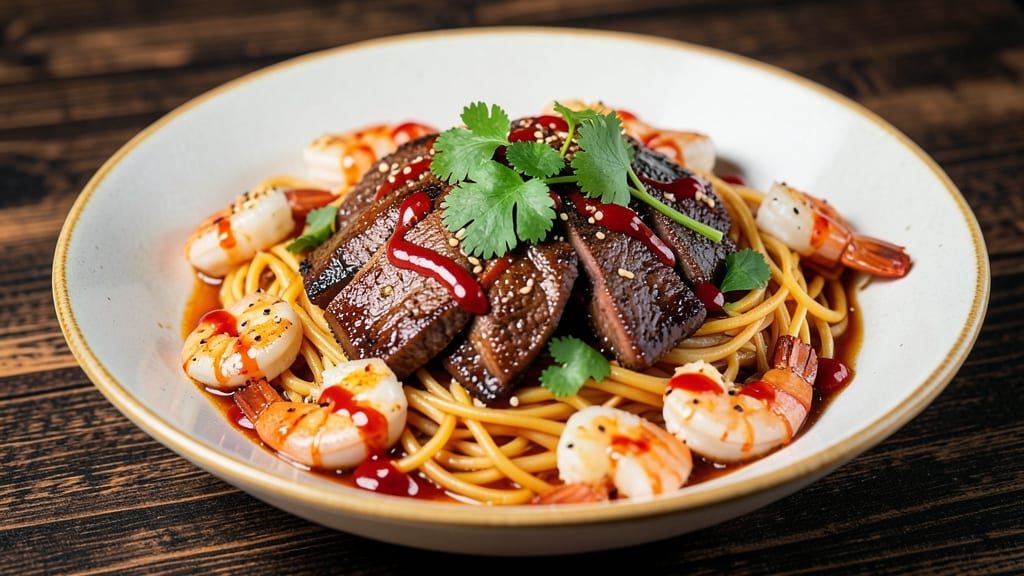
This beef and shrimp yakamein recipe delivers the bold, aromatic flavors of a classic Chinese wok stir-fry in your own kitchen. The harmony of tender beef, sweet shrimp, and chewy noodles coated in a glossy soy-glazed sauce is what makes this dish a restaurant favorite.
I've perfected the technique to capture that signature wok-hei—smoky, charred notes—even on home stovetops, ensuring every bite is packed with depth and complexity.
The foundation of this recipe lies in a balanced sauce that marries sweet soy, savory oyster liquid, and aromatic spices like star anise and cinnamon. While traditional versions rely on high-heat wok techniques, this adaptation simplifies the process without sacrificing flavor.
The beef and shrimp are marinated just long enough to absorb the spices, and the noodles are cooked al dente to soak up the rich, glossy sauce perfectly.
What you'll end up with is a vibrant, fragrant dish that's as visually appealing as it is delicious. The beef remains tender with a slight char, the shrimp stays juicy and pink, and the noodles are coated in a sauce that's sweet, salty, and just a touch spicy.
This dish is perfect for feeding a crowd or enjoying a satisfying weeknight meal with minimal cleanup.
Serve it with classic garnishes like sliced green onions and a drizzle of chili oil for extra heat, or pair it with steamed bok choy and a simple cucumber salad for a complete meal.
The versatility of this recipe makes it ideal for both casual and special occasions, proving that restaurant-quality yakamein is well within reach at home.
Ingredients for beef and shrimp yakamein
Pantry staples meet fresh seafood for this vibrant, aromatic stir-fry. Everything comes together in minutes.
| Ingredient | Amount | Notes |
|---|---|---|
| Flank Steak 🥩 | 1 lb | Thinly sliced against grain |
| Large Shrimp 🦐 | 1 ½ lb | Peeled, deveined, tails on |
| Egg Noodles 🍜 | 12 oz | Fresh or dried, al dente |
| Light Soy Sauce 🥄 | ½ cup | Kikkoman preferred |
| Oyster Sauce 🍶 | ¼ cup | High-quality brand |
| Sesame Oil 🫒 | 1 tbsp | Toasted, for aroma |
| Star Anise 🌿 | 2 whole | Crushed lightly |
| Cinnamon Stick 🌳 | 1 whole | Lightly crushed |
| Garlic Cloves 🧄 | 6 cloves | Minced finely |
| Fresh Ginger 🌿 | 1 tbsp | Grated, peeled |
| Green Onions 🧅 | 4 whole | Sliced thin for garnish |
| Vegetable Oil 🫒 | 3 tbsp | High smoke point |
| Honey 🍯 | 1 tbsp | For sauce balance |
| White Pepper 🌶️ | ½ tsp | Freshly cracked |
| Salt 🧂 | 1 tsp | Kosher or sea |
The shrimp and beef are the stars here—look for fresh, plump shrimp with that signature sweet smell, and flank steak with good marbling for tenderness. Costco or your local seafood counter usually has the best selection. For the noodles, fresh is ideal (check the Asian market), but dried works in a pinch—just cook them al dente. The star anise and cinnamon? Penzeys or bulk bins are your best bets for quality. If you can't find them whole, ground works but lacks that signature aroma.
No oyster sauce? Substitute with a mix of soy sauce and a splash of fish sauce—it's not identical, but close. Running low on sesame oil? Toasted peanut oil adds a different but delicious depth. The honey is key for that balance—if you're avoiding it, maple syrup works too. For the garlic and ginger, fresh is non-negotiable here (dried just won't cut it). And if you're feeling adventurous, a dash of chili oil at the end adds that signature wok-hei kick without overpowering the dish.
Prep everything ahead—marinate the beef and shrimp for 20 minutes max so they don't get mushy. The noodles should be cooked just shy of al dente so they finish in the wok. This dish reheats beautifully—store leftovers for up to 3 days in an airtight container. For extra flavor, toss in a splash of soy sauce when reheating. The sauce thickens as it cools, so a little extra water or broth helps loosen it up when serving.
Why You'll Love This Recipe
- One-Pan Magic: I swear by this recipe when I’m too tired to wash extra dishes. Sear the flank steak and shrimp right in the same pan you’ll toss the noodles in—no clutter, no stress. Just a single sheet pan and a spatula later, dinner’s ready.
- Umami Bomb: That combo of light soy and oyster sauce? It’s the secret weapon. The steak stays tender with just a hint of chew, the shrimp turns pink and snappy, and the noodles soak up all that savory goodness like a sponge. Honestly, it’s the kind of flavor that makes you forget to take notes mid-bite.
- Lunchbox Hero: Between us, this is my go-to for meal prep. Cook a big batch, portion it into containers, and you’ve got a satisfying, protein-packed lunch for days. The noodles stay al dente if you refrigerate them right, and the beef and shrimp reheat like they’re fresh off the stove.
- Budget Flex: Flank steak and shrimp might sound fancy, but they stretch further than you’d think. A single pound of steak and a pound of shrimp feed four easily—plus, the noodles and sauces are cheap staples. I’ll be real: it’s one of those recipes where you feel like you’re eating out, but your wallet doesn’t notice.
Step-by-step instructions for beef and shrimp yakamein
Wok-fired perfection in minutes—here's how to balance bold flavors and tender textures.
Prep Ingredients for Maximum Flavor
Start by slicing the 1 lb flank steak thinly against the grain into ¼-inch strips. I like to use a sharp knife and work quickly to keep the meat tender. Toss the sliced beef with 1 tsp salt and set aside. For the 1.5 lb large shrimp, peel and devein them, leaving the tails on for presentation. Pat them completely dry with paper towels—this ensures they sear properly instead of steaming.
Next, crush the 2 whole star anise and 1 whole cinnamon stick lightly with the side of your knife or a mortar and pestle. This releases their aromatic oils without turning to dust. Finely mince the 6 cloves garlic and grate the 1 tbsp fresh ginger. Slice the 4 whole green onions thinly, separating the whites and greens for garnish. Have all your ingredients measured and ready—this is a fast-moving dish!
Cook the Aromatics and Protein
Heat a wok or large skillet over high heat until it's smoking hot. Add 3 tbsp vegetable oil and swirl to coat. Add the crushed star anise, cinnamon, garlic, and ginger, stirring constantly for 30 seconds until fragrant. This is where the magic starts—those spices should sizzle and fill your kitchen with aroma.
Push the aromatics to one side of the wok and add the 1 lb flank steak strips. Cook undisturbed for 1-2 minutes until the beef turns deep brown and looks slightly charred. Stir and cook another 1 minute until just cooked through. Remove the beef to a plate and set aside. Add the 1.5 lb shrimp to the wok and cook for 1-2 minutes per side until they turn pink and opaque. Remove shrimp and set aside with the beef.
Build the Sauce
Return the wok to medium-high heat and add the 0.5 cup light soy sauce, 0.25 cup oyster sauce, and 1 tbsp honey. Stir to deglaze the wok, scraping up any browned bits from the bottom—these contain concentrated flavor. Let the sauce simmer for 1-2 minutes until it thickens slightly and reduces by about half.
Add the 1 tbsp sesame oil and 0.5 tsp white pepper, stirring well to combine. Taste and adjust seasoning if needed—you want a balance of salty, sweet, and slightly spicy. The sauce should coat the back of a spoon but still be pourable. If it's too thick, add a splash of hot water to loosen it.
Cook the Noodles and Combine
While the sauce simmers, cook the 12 oz egg noodles according to package instructions until al dente. Drain and rinse briefly under cold water to stop the cooking process, then toss with 1 tbsp vegetable oil to prevent sticking. Return the noodles to the pot and add them to the wok with the sauce.
Toss everything together vigorously for 1-2 minutes until the noodles are evenly coated and heated through. Add the beef and shrimp back to the wok, tossing gently to combine. The residual heat will finish cooking everything while distributing the sauce evenly. Garnish with the sliced green onions, reserving some greens for topping.
Serve Immediately with Fresh Garnishes
Divide the yakamein among four plates, garnishing each serving with the reserved green onion greens. Serve immediately while hot—this dish is all about freshness and wok-hei (breath of the wok). Each bite should deliver tender beef, sweet shrimp, chewy noodles, and a glossy sauce that balances salty, sweet, and aromatic notes.
Real talk: if the sauce seems too thin when serving, don't worry—it'll thicken as it cools slightly. For extra drama, drizzle a little extra sesame oil over the top before serving. This recipe makes enough for leftovers, but it's so good I rarely have any! Store any leftovers in an airtight container in the fridge for up to 2 days—just reheat gently with a splash of water to revive the texture.
Pro Tips For Making Beef And Shrimp Yakamein
- Sear the Flank Steak First: Cut the steak against the grain into thin strips, then hit it with a screaming-hot wok or skillet for 2-3 minutes before adding anything else. I used to toss it in raw—now I know this step locks in juices and gives that deep, caramelized flavor the noodles need to cling to.
- Shell Shrimp Before Cooking: Peel and devein those shrimp, but leave the tails on if you’re feeling fancy. Pat them bone-dry with paper towels—wet shrimp steam instead of searing, and you’ll end up with sad, pale mounds instead of crispy, pink pockets of flavor.
- Don’t Overcrowd the Wok: Cook the beef and shrimp in batches if needed—even if it feels inefficient. I learned this after one disastrous attempt where everything turned mushy and boiled instead of caramelizing. A crowded pan steams, and yakamein demands a proper sear.
- Finish with Raw Egg Noodles: Toss the cooked noodles into the wok just before serving, not before. The residual heat will soften them perfectly while keeping them al dente. I used to overcook them separately, and the texture was always off—this way, they absorb the sauce like a dream.
Health benefits of these flavors
Lean Protein Power
This recipe packs a protein punch with both beef and shrimp, delivering a complete amino acid profile for muscle repair and growth. A 6-ounce serving provides about 35 grams of protein, making it ideal for post-workout meals or muscle maintenance.
The shrimp adds a lighter option with 20 grams of protein per 3-ounce serving, while the beef contributes iron and zinc for energy and immunity. 💪
Heart-Healthy Fats
The shrimp in this dish is rich in omega-3 fatty acids, particularly EPA and DHA, which support cardiovascular health by reducing inflammation and improving cholesterol levels. A 3-ounce serving of shrimp provides about 300mg of omega-3s, roughly 20% of your daily needs.
The sesame oil used in the sauce also contains heart-healthy monounsaturated fats, which help lower bad cholesterol when used in moderation.
Rich in Antioxidants
Star anise and cinnamon, key aromatics in this dish, are packed with antioxidants that combat oxidative stress. Star anise contains shikimic acid, which has been studied for its immune-boosting properties, while cinnamon is rich in polyphenols that help regulate blood sugar.
The 1 tbsp of sesame oil also contributes vitamin E, a potent antioxidant that protects cell membranes. Together, these ingredients create a flavor profile that’s as beneficial for your body as it is delicious.
Low-Carb Flexibility
If you're watching carbs, this dish can easily be adapted. The egg noodles can be replaced with shirataki noodles (made from konjac) or zucchini noodles for a low-carb version.
Shrimp alone provides a satisfying 120 calories per 3-ounce serving with minimal carbs, making this a great option for low-carb or keto diets. The beef adds richness without excessive calories, so you can enjoy a hearty portion while keeping carbs in check.
Digestive Benefits
The ginger in this recipe isn’t just for flavor—it aids digestion by stimulating gastric juices and reducing nausea. A 1 tbsp of grated ginger provides about 4mg of gingerol, a compound known for its anti-inflammatory properties.
The shrimp also contains chitin, a fiber-like substance that supports gut health. Together, these ingredients make this dish both satisfying and gentle on your digestive system, especially after a heavy meal. 🌿
Balanced Energy Boost
The combination of complex carbs from the noodles, lean protein from the beef and shrimp, and healthy fats from the sesame oil creates a balanced meal that stabilizes blood sugar levels.
The honey in the sauce provides a natural sweetness that’s quickly metabolized for an energy lift, while the soy and oyster sauces add umami depth without spiking blood sugar.
This makes yakamein a great option for sustained energy, whether you're fueling up for a workout or powering through a busy day.
Nutrition facts
Frequently asked questions
Can I substitute chicken for the shrimp in this yakamein?
Yes, you can use chicken—but it won't be the same! Shrimp adds a delicate sweetness and cooks in minutes, while chicken requires longer cooking and can dry out if overcooked. If substituting, use boneless, skinless chicken thighs (not breast) for juiciness, and slice them thinly. Cook the chicken first, then remove it from the wok before adding the beef to avoid overcooking.
What's the best way to achieve wok-hei (smoky flavor) on a home stovetop?
Wok-hei comes from high heat and quick cooking. Use a heavy-bottomed wok or cast-iron skillet on the highest heat setting. Add oil and let it smoke slightly before adding ingredients. Work fast—keep the heat high and toss ingredients continuously. If your stove isn't hot enough, preheat the pan for 5 minutes before cooking. A splash of Shaoxing wine or extra sesame oil at the end also enhances that signature smoky aroma.
How do I prevent the noodles from turning mushy?
Cook the noodles al dente (1 minute less than package instructions), then rinse briefly in cold water to stop cooking. Toss them with a little oil to prevent sticking, and add them to the wok just before combining everything. The residual heat will finish cooking them perfectly while absorbing the sauce. Never overcrowd the wok—cook in batches if needed to maintain high heat.
Can I make this yakamein ahead of time?
Yes, but with a few key adjustments. Cook the beef and shrimp fully, then store them separately in the fridge for up to 2 days. Cook the noodles fresh when serving to maintain texture. Reheat the sauce separately and toss with the noodles just before adding the proteins. For extra flavor, add a splash of soy sauce or a pinch of white pepper when reheating.
What's the difference between yakamein and lo mein?
Yakamein is stir-fried in one pot with sauce added at the end, while lo mein is typically boiled with the sauce. Yakamein has a glossier, thicker sauce that coats the noodles and proteins, while lo mein often has a lighter, brothier sauce. The proteins in yakamein are usually cooked separately first, while lo mein often cooks everything together. Yakamein also emphasizes that signature wok-hei flavor.