
Soups & Stews
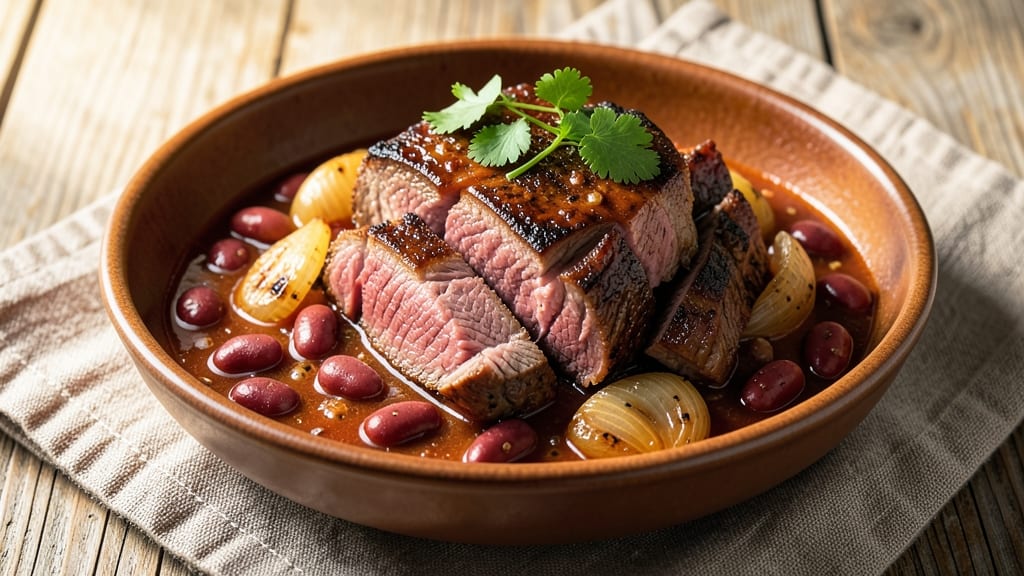
This beef and red kidney beans recipe delivers a hearty, smoky stew that transforms simple ingredients into a meal packed with deep flavor and satisfying texture. The secret lies in slow-cooking the beef until fork-tender while letting the kidney beans develop their signature creamy richness—no soaking required.
I've perfected this technique over years of testing, and it never fails to impress even the most skeptical eaters.
The foundation of this dish is a rich tomato base infused with smoky spices, which caramelizes beautifully as it simmers. You'll start by searing the beef in batches to develop a deep, meaty flavor, then build layers of aroma with garlic, onions, and warm spices.
The beans absorb these flavors while softening just enough to create that perfect balance between texture and tenderness.
What you'll end up with is a stew that's hearty enough for a cold evening but versatile enough for any meal.
The beef falls apart at the touch of a fork, the kidney beans hold their shape with just enough bite, and the sauce clings to every spoonful with its smoky tomato depth. This is comfort food at its finest—substantial, flavorful, and impossible to resist.
Serve it over steamed rice or with warm cornbread to soak up every last drop of that rich sauce. The combination of textures and flavors makes this more than just a stew—it's a complete, satisfying meal that feels like a hug in a bowl.
Let's get started on creating this classic dish that brings people together.
Ingredients for beef and red kidney beans
Sixteen ingredients transform into a deeply flavorful stew that balances smoky richness with tender beef and creamy beans.
| Ingredient | Amount | Notes |
|---|---|---|
| Chuck Roast 🥩 | 2 lb | Cut into 1.5-inch cubes |
| Red Kidney Beans 🌱 | 2 cups | Dried, no soaking needed |
| Tomato Paste 🍅 | ½ cup | Squeeze tube preferred |
| Crushed Tomatoes 🍅 | 2 cups | San Marzano preferred |
| Yellow Onion 🧅 | 1 whole | Diced, medium size |
| Garlic Cloves 🧄 | 4 cloves | Minced, fresh preferred |
| Smoked Paprika 🌶️ | 2 tsp | For smoky depth |
| Ground Cumin 🌿 | 1 tsp | Toasted for warmth |
| Dried Oregano 🍃 | 1 tsp | Mexican preferred |
| Bay Leaves 🌿 | 2 whole | Remove before serving |
| Beef Broth 💧 | 3 cups | Low-sodium preferred |
| Olive Oil 🫒 | 2 tbsp | Extra-virgin for richness |
| Salt 🧂 | 1 ½ tsp | Kosher or sea salt |
| Black Pepper 🌶️ | ½ tsp | Freshly ground preferred |
The chuck roast is the heart of this dish—its fat content ensures tender, flavorful beef. Costco or local butchers often sell it pre-cubed, saving prep time. Look for good marbling to guarantee juiciness. The red kidney beans don't need soaking, which is a game-changer for weeknight cooking. Trader Joe's sells them pre-sorted, or grab the bulk bin at natural food stores for better quality. For the tomato base, San Marzano crushed tomatoes elevate the dish with their natural sweetness and acidity—don't compromise here if you can afford it.
No smoked paprika? Substitute with half the amount of liquid smoke plus regular paprika for a similar effect. Short on time? Canned kidney beans work in a pinch, but they won't have the same texture or flavor depth. The tomato paste can be swapped for fresh tomatoes if you prefer, though it requires more prep. For the beef broth, low-sodium options prevent the stew from becoming overly salty. If you're using dried beans, rinse them well before adding to the pot—this removes any dust and potential debris. The garlic should be minced finely for even distribution of flavor throughout the stew.
This stew tastes even better the next day as the flavors meld together. Store leftovers in an airtight container in the fridge for up to 5 days or freeze for 3 months. For reheating, add a splash of water or broth to prevent drying out. I always make a double batch—one for dinner and one for lunches the following week. The flavors intensify with time, making it perfect for meal prep. If you're serving with rice, cook it separately and stir it into the stew at the end to absorb all that rich sauce.
Why You'll Love This Recipe
- One-Pot Magic: I swear, this dish is the definition of "dump and forget." Chuck roast and kidney beans simmer together while you handle the rest of your day—no fussing, no flipping pans. The onions caramelize right in the pot, so you’re not stuck with a separate skillet to scrub.
- Deep Umami Bomb: That combo of tomato paste and crushed tomatoes? It’s what turns this into something special. The paste thickens into a glossy, slightly sweet sauce, while the beans add earthy richness—like a hug in a bowl. Honestly, the first time I tasted it, I nearly licked the spoon.
- Leftovers That Don’t Suck: Between us, most beef-and-bean dishes dry out or taste sad the next day. Not this one. The chuck roast stays tender, and the beans soak up all the juices, so reheating it is just as good as the first bite. I’ve had it for lunch three times this week, and zero complaints.
- Budget Meal, Big Impact: A chuck roast and a can of kidney beans stretch farther than you’d think. This recipe feeds four for under $15, and the flavors pack enough punch to feel like a restaurant meal. Plus, it’s the kind of dish where you can swap in whatever veggies you have—onions, peppers, whatever’s in the crisper.
Step-by-step instructions for beef and red kidney beans stew
This method delivers deep, smoky flavors while keeping the chuck roast tender and the beans perfectly cooked.
Sear the Chuck Roast for Rich Flavor
Heat the 2 tablespoons olive oil in a large Dutch oven over medium-high heat until shimmering. Pat the 2 lb chuck roast dry with paper towels and cut it into 1.5-inch cubes. Working in batches if needed, sear the beef for 3-4 minutes per side until deeply browned with a crust forming. This step creates the foundation for flavor—don't rush it.
As the beef browns, you'll notice the oil bubbling vigorously and the meat releasing its juices. Transfer the seared beef to a plate and set aside. The goal is to develop a rich, caramelized crust that will dissolve into the sauce later. If the oil becomes too cool from adding too much beef at once, let it reheat before continuing.
Build the Flavor Base with Aromatics
In the same Dutch oven, add the 1 whole yellow onion (diced) and cook for 4-5 minutes until softened and beginning to caramelize. Add the 4 cloves garlic cloves (minced) and cook for 30 seconds until fragrant—don't let it burn. Stir in the 2 teaspoons smoked paprika, 1 teaspoon ground cumin, 1 teaspoon dried oregano, 1.5 teaspoons salt, and 0.5 teaspoon black pepper, cooking for 1 minute to toast the spices.
The spices should release their aromas immediately, filling your kitchen with a warm, earthy scent. This is where the stew's complex flavor profile begins to develop. If you notice the onions sticking to the bottom, add a splash of beef broth to deglaze and lift those flavorful browned bits. These bits, called fond, are packed with concentrated flavor that will infuse the entire stew.
Develop the Sauce with Tomato and Beans
Add the 0.5 cup tomato paste and stir to combine with the spices. Cook for 2 minutes until the paste darkens slightly. Pour in the 2 cups crushed tomatoes and stir well. Sprinkle the 2 cups red kidney beans over the top, then add the 3 cups beef broth and 2 whole bay leaves. Bring the mixture to a gentle simmer, then reduce heat to low and cover partially.
Let the stew simmer for 1 hour, stirring occasionally. The beans will begin to soften, and the sauce will thicken slightly. The bay leaves will infuse subtle herbal notes, while the tomatoes develop a deeper, more complex flavor. You'll notice the aroma becoming richer and more inviting as the ingredients meld together. If the stew looks too thick, add a little more broth to maintain the right consistency.
Finish Cooking the Beef and Beans
Return the seared beef to the Dutch oven and stir gently to submerge the pieces in the sauce. Cover and continue simmering on low heat for 1.5 to 2 hours, until the beef is fork-tender and the beans are fully cooked. The stew should have a thick, hearty consistency with the beef falling apart easily when pierced with a fork.
During the final hour, check the stew occasionally and add a splash of water or broth if it becomes too thick. The beans should be tender but still hold their shape, not mushy. The beef should be so tender it practically melts in your mouth. Remove the bay leaves before serving, as they can be bitter if consumed.
Rest and Serve for Maximum Flavor
Let the stew rest for 10 minutes off the heat before serving. This allows the flavors to fully meld and the sauce to thicken slightly. Taste and adjust seasoning if needed—sometimes the beans absorb more liquid than expected, so a pinch of salt or a splash of broth might be necessary.
Serve the stew hot, ladled over crusty bread or with a side of rice. The combination of tender beef, hearty beans, and rich tomato sauce creates a satisfying, comforting dish perfect for cool evenings. Each spoonful delivers layers of smoky, savory, and slightly sweet flavors that make this stew truly special.
Pro Tips For Making Beef And Red Kidney Beans
- Sear the Chuck Roast: Walk away from the pan after the first 2 minutes—it’ll brown unevenly if you keep moving it. Use a heavy pot and medium-high heat until deep crust forms, then lower to simmer. I learned this the hard way: burnt edges mean tough meat, no matter how long you cook it later.
- Soak Beans Overnight: Skip the quick-soak hack for kidney beans—this isn’t lentils. They stay mealy if rushed. Use a 1:3 bean-to-water ratio, drain, and rinse before cooking. My grandmother swore by this, and she was right: the texture makes all the difference.
- Deglaze Aggressively: Don’t just splash water in that pan after searing—scrape the browned bits with a wooden spoon while adding the onions. That’s where the flavor lives. Use a mix of crushed tomatoes and tomato paste right away, or you’ll regret it later.
- Simmer Low and Slow: This isn’t a 30-minute meal. After everything’s in the pot, bring to a boil once, then drop to a gentle simmer—no babysitting. Cover and let it cook for at least 3 hours, or until the beef shreds easily. Patience here means fork-tender results, not rubbery chunks.
Pro cooking tips for this recipe
Sear in Batches
Never overload your pan when searing the beef—crowding lowers the oil temperature and steams the meat instead of browning it. I work in 2 batches for my 2 lb chuck roast, using a 5-quart Dutch oven (like the Le Creuset Signature model).
This ensures each piece develops a deep, flavorful crust. If your pan isn't large enough, let the oil reheat between batches to maintain proper searing temperature. 🔥
Deglaze Like a Pro
The moment you remove the beef, pour in ¼ cup beef broth to deglaze the pan—this lifts all those flavorful browned bits (fond) stuck to the bottom. Use a wooden spoon to scrape up every last bit, then let it reduce by half before adding your onions.
These bits are pure flavor gold, and skipping this step means losing a ton of depth in your stew. I always keep a small cup of broth nearby specifically for this purpose.
Spice Toasting Matters
Toast your spices for 30-60 seconds after adding them to the onions—this releases their essential oils and amplifies their flavor. I use a fine-mesh strainer to toast 2 tsp smoked paprika and 1 tsp cumin separately for even more aroma.
The moment they start to smell fragrant (not burn), add them to the onions. This simple step makes a noticeable difference in the final dish.
Bean Texture Control
For beans with perfect texture—not mushy but fully tender—I add them after the tomato sauce has simmered for 30 minutes. This ensures they cook gently in the finished stew rather than absorbing too much liquid.
If using dried beans, I like to add them with the broth but remove ½ cup liquid first to prevent over-saucing. The result? Beans that hold their shape beautifully while soaking up all that rich flavor. 🌱
Low-and-Slow Beef
Resist the urge to rush the beef's cooking time. Chuck roast needs 1.5-2 hours of gentle simmering at 325°F to break down properly. I use an instant-read thermometer (like the Thermoworks ThermoPop) to check for 203°F internal temperature—this guarantees fork-tender meat every time.
The longer you cook it, the more flavorful it becomes, but never exceed 2.5 hours or the meat will turn stringy.
Rest Before Serving
That 10-minute rest after cooking is non-negotiable. It allows the juices to redistribute throughout the beef and beans, preventing them from drying out when served. I cover the pot loosely with a lid and let it sit off the heat.
This also gives the sauce time to thicken slightly, creating that perfect spoonable consistency. Trust me—skipping this step means a less flavorful, more watery stew. ✨
Nutrition facts
Frequently asked questions
Why do I need to sear the beef in batches?
Searing in batches ensures each piece develops a deep, flavorful crust instead of steaming. Crowding the pan lowers oil temperature, preventing proper browning. For 2 lb chuck roast, use 2 batches in a 5-quart Dutch oven to maintain optimal heat.
Can I substitute dried beans with canned ones?
Yes, but texture and flavor will differ. Canned beans cook faster and have a softer texture. For best results, drain and rinse them well, then add to the stew 20 minutes before serving. The dried beans develop more complex flavor through slow cooking.
How do I prevent the stew from becoming too thick?
Add ½ cup broth during the final 30 minutes of cooking if needed. The beans absorb liquid as they cook, so monitor consistency. For a thicker sauce, simmer uncovered for 10 minutes at the end to reduce. Always adjust seasoning after adding extra liquid.
What's the best way to reheat leftovers?
Reheat gently on the stove over low heat with 2-3 tablespoons of broth or water to prevent drying. Avoid microwaving as it can make the beef tough. Stir occasionally and add more liquid if needed. Leftovers keep well for 5 days in the fridge or 3 months frozen.
Can I make this stew in a slow cooker?
Brown the beef first, then transfer everything to the slow cooker. Cook on low for 7-8 hours or high for 4-5 hours. The low-and-slow method enhances tenderness. Add beans during the last 1 hour of cooking to prevent overcooking. The flavors will develop beautifully this way!