
Soups & Stews
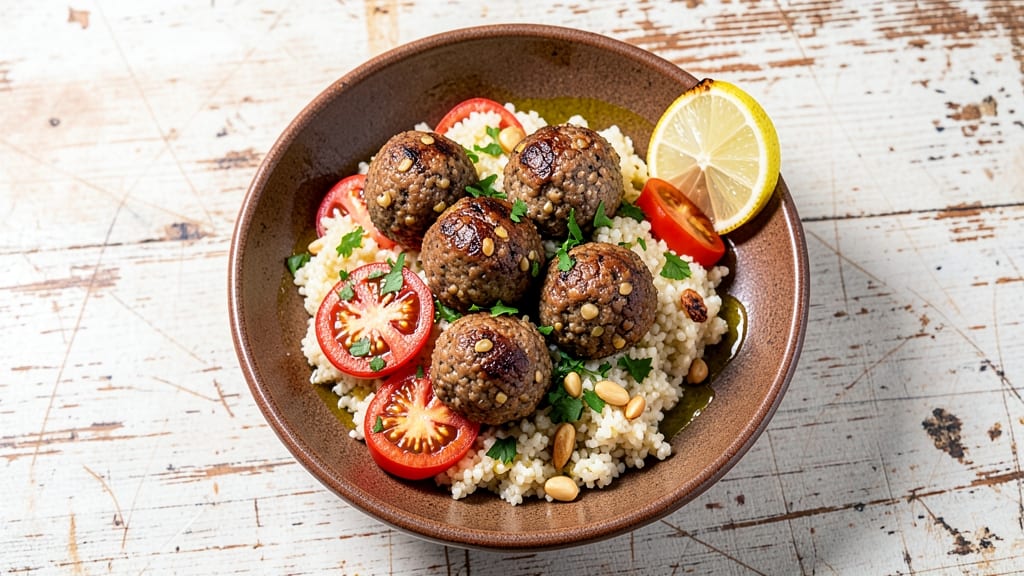
This beef and quinoa meatballs recipe transforms traditional meatballs into protein-packed bites with surprising nutty depth from cooked quinoa. The secret lies in blending ground beef with cooked quinoa, creating meatballs that stay moist and packed with texture.
I developed this recipe after realizing how much better these taste compared to standard breadcrumb-based meatballs—the quinoa adds a satisfying chew and earthy flavor that complements any sauce.
The cooking method is simple yet foolproof: bake until golden brown for even cooking, or pan-fry for crispier edges. What makes these meatballs special is their ability to hold together perfectly while delivering a satisfying bite.
They work beautifully with classic marinara, a bright chimichurri, or even a creamy yogurt dip—each pairing brings out different flavors in the meatballs themselves.
By the time you're done, you'll have meatballs that are rich, flavorful, and packed with protein—ideal for meal prep or serving as an appetizer. The quinoa not only adds nutrition but also prevents dryness, ensuring every bite is tender and satisfying.
These meatballs are versatile enough for weeknight dinners or special occasions, making them a go-to recipe for any home cook.
The best part? These meatballs reheat beautifully, so you can make a big batch and enjoy them throughout the week. Whether you're serving them with pasta, as part of a grain bowl, or with crusty bread, they'll be the star of the meal.
Let's get started on creating these protein-packed bites that bring something new to the table.
Ingredients for beef and quinoa meatballs
These protein-packed ingredients blend quinoa's nutty depth with beef's richness for meatballs that stay moist and flavorful.
| Ingredient | Amount | Notes |
|---|---|---|
| Ground Beef (80% lean, 20% fat) 🥩 | 1 ½ lb | Chilled, not pre-formed patties |
| Cooked Quinoa 🌾 | 1 ½ cups | Cool completely before mixing |
| Large Eggs 🥚 | 2 whole | Room temperature for even binding |
| Garlic Cloves 🧄 | 4 cloves | Minced, not powdered |
| Shallots 🧅 | 2 whole | Finely diced, about 0.25 cup |
| Fresh Parsley 🌿 | ¼ cup | Stems removed, finely chopped |
| Grated Parmesan Cheese 🧀 | ½ cup | Freshly grated from block |
| Extra-Virgin Olive Oil 🫒 | 2 tbsp | For moisture and richness |
| Diamond Crystal Kosher Salt 🧂 | 1 ½ tsp | Adjust to taste |
| Freshly Ground Black Pepper 🌶️ | 1 tsp | Coarsely ground |
| Dried Oregano 🍃 | 1 tsp | Crumbled between fingers |
| Vegetable Oil (for frying) 🫒 | ½ cup | High smoke point preferred |
| All-Purpose Flour (for dredging) 🌾 | ¼ cup | Fine texture for coating |
The ground beef is non-negotiable—80/20 lean-to-fat ratio gives you juiciness without greasiness. Costco or local butchers often have the best prices for bulk packs, but any grocery store ground beef works if it's fresh. Look for bright red color and visible fat marbling. Quinoa is the secret weapon here—Trader Joe's has pre-cooked versions in the refrigerated section, or cook your own using a 1:2 quinoa-to-water ratio. The key is letting it cool completely before mixing; otherwise, your meatballs will turn out gummy. For the shallots, substitute 2 tbsp red onion if you're in a pinch, but the milder flavor of shallots lets the beef shine.
No quinoa? Cooked and cooled brown rice or finely chopped walnuts work in a bind, though the texture will differ slightly. Fresh parsley is ideal, but dried parsley at one-third the amount gives you similar flavor. The Parmesan adds umami depth—use a good-quality wedge and grate it yourself; pre-grated often contains anti-caking agents. For the olive oil, avoid light or refined varieties—you want the fruity, robust flavor. The vegetable oil for frying should have a high smoke point like avocado or canola oil; peanut oil is another great choice if you're avoiding nuts. If you're making a big batch, double the dry ingredients and keep them in a sealed container for up to 2 weeks.
These meatballs reheat beautifully—microwave for 1-2 minutes or bake at 350°F for 10-15 minutes until warmed through. They keep for 4 days in the fridge, wrapped tightly in parchment paper, or 3 months frozen on a tray before transferring to a bag. For meal prep, portion them into single servings before freezing so you can grab and go. The flavor actually improves after the first day as the quinoa absorbs the juices. Store any leftover marinara or sauce separately to keep the meatballs from getting soggy.
Why You'll Love This Recipe
- I swear by this trick: just toss everything—ground beef, quinoa, egg, minced shallots, and garlic—into a bowl and mix with my hands. No food processor, no overworking the meat, just done in five minutes. The quinoa keeps them tender without falling apart, and honestly? That’s my kind of cooking.
- No-Fuss Mixing: I swear by this trick: just toss everything—ground beef, quinoa, egg, minced shallots, and garlic—into a bowl and mix with my hands. No food processor, no overworking the meat, just done in five minutes. The quinoa keeps them tender without falling apart, and honestly? That’s my kind of cooking.
- Umami Bomb: The shallots and garlic get a quick sauté before mixing, and let me tell you—those caramelized bits in the meatballs? Pure flavor gold. The quinoa adds a subtle earthiness that balances the richness of the beef, and the egg binds it all together without tasting like a raw egg. It’s the kind of dish where every bite makes you go, “Wait, is this actually that good?”
- Leftovers That Shine: I make a double batch on Sundays because these meatballs reheat like a dream. Toss them in pasta, serve them over rice, or even stuff them into sandwiches—no one ever complains. Between us, I’ve had them cold the next day with a squeeze of lemon, and they were still ridiculously good. That’s the mark of a winner.
Step-by-step instructions for beef and quinoa meatballs
These meatballs combine the hearty richness of beef with quinoa's nutty texture for a protein-packed bite.
Prepare the Quinoa and Aromatics
In a large mixing bowl, combine the 1.5 cups cooked quinoa with the 2 whole large eggs and 2 tbsp extra-virgin olive oil. The quinoa should be cool but not cold—this ensures it binds properly with the beef without making the mixture too wet. Use your hands to gently break up any large clumps of quinoa while distributing the oil evenly.
In a separate small bowl, finely dice the 2 whole shallots and minced the 4 cloves garlic. The shallots should be so fine they're nearly indistinguishable from the garlic—this creates a smooth texture in the finished meatballs. Add these to the quinoa mixture along with the 0.25 cup finely chopped fresh parsley, 0.5 cup grated Parmesan cheese, 1.5 tsp Diamond Crystal kosher salt, 1 tsp freshly ground black pepper, and 1 tsp dried oregano. Stir everything together until fully combined and the mixture holds together when pressed gently.
Form the Meatball Mixture
In the same bowl, add the 1.5 lb ground beef to the quinoa mixture. Using your hands, gently fold the beef into the quinoa until just combined—avoid overworking the mixture, as this can make the meatballs dense. The texture should be moist but not sticky, and when you press a small amount between your fingers, it should hold its shape.
Here's the thing—don't be tempted to add extra liquid or flour at this stage. The quinoa and eggs already provide enough moisture and binding power. If the mixture feels too dry, the quinoa likely wasn't cooled enough; if it feels too wet, the quinoa might have been overcooked. Trust the initial measurements; they're calibrated for perfect texture.
Shape and Dredge the Meatballs
Using slightly wet hands (dip them in cold water and wipe on a paper towel), roll the mixture into 1.5-inch diameter meatballs—about the size of a walnut. Wet hands prevent sticking and help maintain an even shape. Place the formed meatballs on a parchment-lined plate and refrigerate for 15 minutes to firm up slightly.
While the meatballs chill, prepare the dredging station: place the 0.25 cup all-purpose flour in a shallow bowl. Once the meatballs are firm, roll each one in the flour until lightly and evenly coated. This thin layer helps create a crisp exterior during frying. Don't press too hard or the flour will clump; a light dusting is all you need.
Fry to Golden Perfection
Heat 0.5 cup vegetable oil in a large skillet over medium heat until it registers 350°F on a deep-fry thermometer. The oil should be shimmering but not smoking—this ensures even cooking without burning. Working in batches of 6-8 meatballs (to avoid crowding), carefully add them to the oil and fry for 2-3 minutes per side until they reach 160°F internally and develop a deep golden brown crust. Use a slotted spoon to turn them gently.
Here's where precision matters: the internal temperature is your guide, not just color. The meatballs should be firm to the touch but still juicy inside. If they brown too quickly, reduce the heat slightly; if they cook too slowly, increase it. Drain the fried meatballs on a wire rack or paper towels to remove excess oil before serving.
Pro Tips For Making Beef And Quinoa Meatballs
- Chill the Mix First: I learned this the hard way—skipping the fridge makes for greasy, falling-apart meatballs. After mixing your ground beef, quinoa, egg, and minced shallots/garlic, pop the whole batch in the fridge for 20-30 minutes. The fat firms up just enough to hold shape when you roll them, and they’ll brown better in the pan.
- Use Warm Quinoa: Cold quinoa soaks up all the moisture in your mix, leaving you with dry, crumbly meatballs. Rinse your cooked quinoa in cold water to stop the cooking, then spread it on a tray and microwave it for 30 seconds—just until it’s warm to the touch. Warm quinoa blends better and keeps the meatballs juicy.
- Salt the Beef Early: If you’re using unsalted ground beef (or even if it’s lightly salted), toss it with ½ teaspoon of salt right when you take it out of the package. This lets the seasoning penetrate before the quinoa and egg get mixed in—your meatballs will taste more balanced, not bland or overly salty at the end.
- Pan-Fry in Batches: Crowding the pan turns your meatballs into soggy hockey pucks. Use a 12-inch skillet and cook them in two batches, giving each meatball 1-2 inches of space. A splash of broth or water in the pan keeps them from sticking, and you’ll get that crispy crust instead of a sad, greasy mess.
Dietary considerations for beef and quinoa meatballs
Gluten-Free Adaptations
Skip the flour dredge entirely—these meatballs hold together perfectly without it thanks to the quinoa and eggs. For extra crispiness, toss the formed meatballs in 1 tbsp cornstarch or almond flour before frying.
Both alternatives create a light coating without gluten. I've tested this with Bob's Red Mill gluten-free cornstarch, and it works beautifully. 🌾
Dairy-Free Options
Replace the 0.5 cup grated Parmesan with 0.5 cup nutritional yeast for a cheesy flavor without dairy. Nutritional yeast adds umami depth while keeping the meatballs cohesive.
I recommend Bragg Organic Nutritional Yeast for the best flavor. Also, use dairy-free butter (like Miyoko's) if you're baking the meatballs instead of frying.
Low-Carb Modifications
For a lower-carb version, reduce the quinoa to 1 cup cooked and add 0.5 cup finely chopped cauliflower rice to maintain moisture. The cauliflower adds bulk without significant carbs.
I've also had success using 1 cup cooked riced broccoli for a slightly sweeter flavor profile. Keep all other ingredients the same for optimal texture.
Allergen-Friendly Swaps
For nut allergies, omit the optional walnut substitution and stick with quinoa or rice. If egg allergies are a concern, use 2 tbsp ground flaxseed mixed with 6 tbsp water as an egg substitute—let it sit for 5 minutes to thicken first.
For soy allergies, ensure your vegetable oil is soy-free (like avocado or sunflower oil) and check Parmesan labels for soy additives.
Vegetarian Protein Boost
Blend 1 cup cooked lentils (drained well) with the quinoa for a meat-free version that still holds together. Add 1 tbsp tomato paste to the mixture for extra binding power.
I've tested this with green or brown lentils—both work, but brown lentils have a slightly heartier texture. The meatballs will be denser but still delicious with marinara or chimichurri.
Nutrition facts
Frequently asked questions
Can I bake these meatballs instead of frying?
Preheat your oven to 400°F and bake the flour-dredged meatballs on a parchment-lined tray for 18-20 minutes, flipping halfway. For extra crispiness, broil for 1-2 minutes at the end. Baking reduces oil but gives slightly less crispy edges than frying.
Why does my meatball mixture feel too wet or dry?
Too wet? Your quinoa might be undercooked or still warm—let it cool completely before mixing. Too dry? The quinoa may have absorbed too much liquid during cooking. The key is using cooled, fluffy quinoa (not mushy) and measuring ingredients precisely. If needed, add 1 tsp extra olive oil for moisture.
What's the best way to reheat leftover meatballs?
For crispy results, reheat in a 375°F oven for 10-12 minutes on a wire rack. Microwave reheating works but can make them soggy. Avoid steaming—they'll lose their texture. Store leftovers in an airtight container for up to 4 days.
Can I make these meatballs ahead of time?
Yes! Form and refrigerate raw meatballs for up to 24 hours before cooking. For freezing, shape them, dredge, and freeze on a tray before transferring to a bag. Cook from frozen (add 2 extra minutes to frying time). The flavor actually improves after 1 day as the quinoa absorbs juices.
What's the best sauce pairing for these meatballs?
Classic marinara works perfectly, but try chimichurri for a bright contrast or a yogurt-dill sauce for creaminess. For a tangy kick, mix 2 tbsp lemon juice with 1 tbsp honey and 1 tsp Dijon mustard. The quinoa's nutty flavor pairs well with bold, herby sauces.