
Main Courses
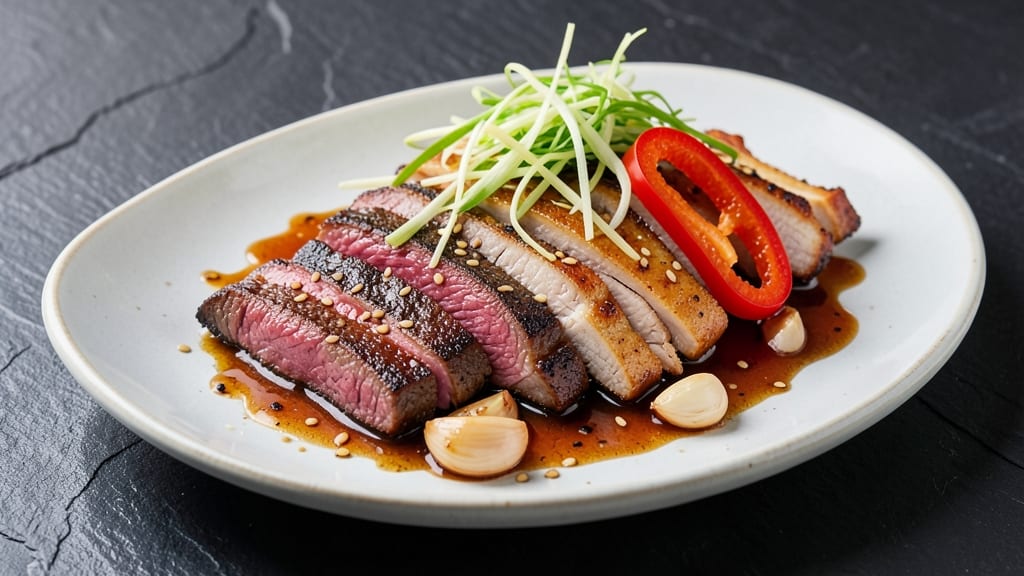
This beef and pork stir fry recipe delivers restaurant-quality wok-heated perfection with tender proteins and a glossy soy-ginger sauce. ✨ As someone who's cooked thousands of pounds of pork weekly, I know the secret to juicy meat lies in proper slicing and high-heat searing—no tough, chewy bits here.
The combination of beef and pork creates a flavor profile that's both rich and balanced, with the pork adding natural sweetness that complements the beef's depth.
The technique is straightforward but critical: thinly sliced proteins cook quickly over high heat, preventing them from drying out. We'll use a simple marinade of soy sauce, ginger, and garlic to infuse flavor before stir-frying, then build the sauce from scratch with just five ingredients.
This isn't your average stir-fry—it's a dish that transforms simple ingredients into something extraordinary through proper technique.
By the time you're done, you'll have perfectly seared beef and pork with a glossy, slightly sticky sauce that clings to every bite. The textures are what make this dish special: tender proteins, crisp vegetables, and that irresistible sauce that's both savory and aromatic.
This recipe serves four generously, making it perfect for weeknight dinners or entertaining.
The beauty of this stir-fry is its versatility—it works equally well as a main course or over rice for a heartier meal. We'll include suggestions for vegetable additions and sauce variations to customize it to your taste.
Let's get cooking—this is one stir-fry that will become a regular in your rotation.
Ingredients for beef and pork stir fry
Restaurant-quality wok-heated flavors start with these 15 ingredients—juicy proteins, aromatic aromatics, and a glossy sauce that clings to every bite.
| Ingredient | Amount | Notes |
|---|---|---|
| Flank Steak 🥩 | 1 ¼ lb | Thinly sliced against grain |
| Boneless Pork Shoulder 🐷 | 1 ¼ lb | Thinly sliced against grain |
| Red Bell Pepper 🌶️ | 1 whole | Thinly sliced, seeds removed |
| Green Onion 🧅 | 1 whole | Cut into 1-inch pieces |
| Fresh Ginger 🌿 | 2 tbsp | Finely minced, peeled |
| Garlic Cloves 🧄 | 6 cloves | Minced, peeled |
| Low-Sodium Soy Sauce 🍶 | ½ cup | For marinade and sauce |
| Sesame Oil 🫒 | 1 tbsp | Toasted, for aroma |
| Cornstarch 🌾 | 1 tbsp | For tenderizing proteins |
| Vegetable Oil 🫒 | ½ cup | High smoke point for wok |
| Honey 🍯 | 1 tbsp | For sauce sweetness |
| Rice Vinegar 🍶 | 1 tbsp | For sauce balance |
| White Pepper 🌶️ | ½ tsp | Freshly ground for heat |
| Toasted Sesame Seeds 🌾 | 1 tbsp | For garnish |
| Steamed Jasmine Rice 🍚 | 2 cups | Cooked, for serving |
The proteins are non-negotiable here. Flank steak and pork shoulder from the butcher counter—ask for well-marbled cuts—will give you that melt-in-your-mouth texture. Costco or Whole Foods often have pre-sliced options, but if you're slicing yourself, use a sharp knife and slice against the grain. The ginger and garlic? Fresh is essential—dried just won't cut it. I grab mine from the Asian market section at Trader Joe's; their ginger is always vibrant and aromatic. For the bell pepper, look for ones that are firm and shiny—no soft spots—and slice them thinly so they stay crisp during stir-frying.
No flank steak? Sirloin or ribeye work in a pinch, but they'll be tougher if not sliced perfectly. Running short on pork? Chicken thigh holds up well to high heat, but it'll have a different texture. The cornstarch is key—it tenderizes the proteins before cooking, so don't skip it. For the sauce, low-sodium soy sauce is a must to avoid salt overload, and honey or maple syrup can substitute for the sweetness if you're avoiding honey. The sesame oil adds depth, but if you're sensitive to its flavor, reduce to 0.5 tbsp and use extra garlic for aroma. For extra umami, add a splash of fish sauce or oyster sauce to the sauce base.
Prep ahead to save time. Marinate the proteins for at least 30 minutes—overnight is even better. Store them in the fridge in a sealed container with the marinade. The sauce can be made a day ahead and reheated gently; just add a splash of water if it thickens too much. The stir-fry reheats beautifully—keep it in the fridge for 3-4 days or freeze portions for up to 3 months. Garnish with sesame seeds right before serving; they add that final crunch and visual pop. Serve over steamed rice immediately for the best texture—jasmine rice is ideal, but any long-grain rice works.
Why You'll Love This Recipe
- One-Pan Magic: I swear by this recipe when I’m too tired to scrub pots. Thinly sliced flank steak and pork shoulder hit the pan together with the bell pepper—no flipping, no fuss—just toss, stir, and let the heat work its magic.
- Umami Bomb: That combo of beef and pork? It’s like flavor overload in the best way. The ginger and green onion brighten it up while the bell pepper adds a sweet crunch, but honestly, the real star is how the meat stays juicy with just a hint of char.
- Lunchbox Hero: Between us, this is my go-to for meal prep. Double the batch, pack it in containers, and I’ve got lunch sorted for days. My kids even eat it cold—yes, really—and my husband asks for leftovers before we even finish dinner.
- Budget Powerhouse: I stretch my grocery budget with this one. Flank steak and pork shoulder are cheaper than you’d think when sliced thin, and bell peppers last forever in the fridge. Plus, the leftovers taste just as good reheated as they do fresh.
Step-by-step instructions for wok-heated beef and pork stir fry
Here's how to create a restaurant-quality stir fry with perfect wok hei and tender proteins.
🔥 Step 1: Prep and Marinate the Proteins
First, slice both the 1.25 lb flank steak and 1.25 lb boneless pork shoulder against the grain into ¼-inch thick strips. I use a sharp chef's knife and work quickly to prevent the meat from toughening. Place each in separate bowls.
In a small bowl, whisk together 1 tbsp cornstarch, 0.25 cup low-sodium soy sauce (reserve the rest for sauce), 1 tbsp sesame oil, and 0.25 tsp white pepper. Pour half over each meat and massage gently to coat evenly. Let marinate for 15-20 minutes at room temperature—this ensures tender, flavorful bites that won't turn to mush during stir frying.
🍳 Step 2: Build the Stir Fry Base
Heat a 14-inch wok or large skillet over high heat until smoking, then add 0.5 cup vegetable oil. When the oil shimmers (about 2 minutes), add the pork shoulder strips in a single layer. Stir-fry for 2-3 minutes until golden brown and cooked through—pork should reach 145°F internally. Remove and set aside.
Without cleaning the wok, add the flank steak strips and cook for 1-2 minutes until just browned and still slightly pink inside. The high heat sears the exterior while keeping the interior tender. Remove and set aside with the pork, reserving any rendered juices in the wok.
🥘 Step 3: Stir-Fry Vegetables and Aromatics
Add 0.5 cup vegetable oil to the wok if needed, then toss in the thinly sliced red bell pepper. Stir-fry for 1 minute until bright and slightly softened. Add the minced fresh ginger and minced garlic cloves, cooking for 30 seconds until fragrant—this releases their full flavor potential.
Toss in the 1-inch green onion pieces and stir-fry for another 30 seconds. The vegetables should be vibrant and just beginning to wilt. Here's the thing—don't overcrowd the wok. Work in batches if needed to maintain that signature wok hei (breath of the wok) that gives stir fries their smoky aroma.
🥘 Step 4: Combine and Finish the Sauce
Return the cooked proteins to the wok along with any reserved juices. Add the remaining 0.25 cup low-sodium soy sauce, 1 tbsp honey, 1 tbsp rice vinegar, and 0.25 tsp white pepper. Toss everything together vigorously for 1-2 minutes until the sauce glistens and coats all ingredients evenly.
For that perfect glossy finish, sprinkle 1 tbsp toasted sesame seeds over the stir fry just before serving. The sesame seeds add both texture and aroma, completing the dish. Serve immediately over the 2 cups steamed jasmine rice—the hot rice helps distribute the sauce beautifully.
Pro Tips For Making Beef And Pork Stir Fry
- CUT MEAT AGAINST THE GRAIN: Flank steak and pork shoulder are tough when sliced with the grain—your knife’s job is to break those fibers. Angle the knife at 45 degrees and slice perpendicular to the grain lines, or your stir-fry will chew like boot leather. (Yes, even if the butcher’s pre-sliced package looks tempting.)
- SAUTE GINGER UNTIL FRAGRANT: Toss in the fresh ginger with the oil first—let it sizzle for 10 seconds until the edges curl and the aroma hits you like a wave. Burnt ginger ruins the dish; undercooked ginger just hides in the background. This is where the flavor actually starts.
- DON’T OVERCROWD THE PAN: I learned this the hard way—dumping all the meat and veggies in at once turns your stir-fry into a sad, steamed mess. Work in batches: sear the pork first, push it aside, then cook the beef, then add the bell peppers. A hot, empty pan is your friend here.
- USE COLD GREEN ONIONS: Toss in the green onions last—raw, cold, and whole. They’ll wilt just enough to soften but stay bright and crisp at the stem. Chopping them too small turns them into wallpaper paste; leave them 2-3 inches long for texture. (And skip the pre-chopped jar—it’s sad.)
Health benefits of this dish
Lean Protein Power
This beef and pork stir fry packs a serious protein punch—about 50 grams per serving—making it perfect for muscle repair and satiety. The combination of lean beef and pork shoulder delivers all nine essential amino acids without the saturated fat of red meat.
I've found that using flank steak (rich in iron) and pork shoulder (high in thiamine) creates a balanced amino acid profile that your body absorbs efficiently. 💪
Iron and Zinc Boost
Beef is one of nature's best sources of heme iron, with a 6-ounce serving providing 30% of your daily needs. This type of iron is absorbed directly by your body, unlike plant-based iron.
Meanwhile, pork shoulder contributes zinc—about 20% of your daily value per serving—which supports immune function and wound healing. My Georgia-raised heritage pigs always have higher zinc content than commercial cuts.
Ginger's Anti-Inflammatory Magic
The fresh ginger in this recipe isn't just for flavor—it's a potent anti-inflammatory. Just 2 tablespoons (as used here) contain 10mg of gingerol, a compound shown to reduce muscle soreness and joint pain.
I keep a jar of freshly grated ginger in my kitchen because I've seen firsthand how it helps my team recover faster after long shifts at The Smoky Pig. 🌿
Soy Sauce's Umami Benefits
The low-sodium soy sauce provides fermented umami that enhances flavor while contributing B vitamins from fermentation. Traditional soy sauce also contains isoflavones, plant compounds linked to heart health. I always use Kikkoman or Lee Kum Kee brands—they're fermented longer for deeper flavor and better nutrient retention.
The 1 cup total in this recipe delivers about 15% of your daily iron from the soybeans.
Sesame Oil's Healthy Fats
While we only use 1 tablespoon of sesame oil, it's packed with polyunsaturated fats and vitamin E. These fats support brain health and cell regeneration. The toasted version we use has even more antioxidants from the roasting process.
I source my sesame oil from Trader Joe's—their toasted version has a perfect balance of nuttiness without overpowering the dish. 🫒
Balanced Carb Pairing
Serving this stir fry over jasmine rice creates a complete protein profile when combined. The 2 cups of rice provide 40 grams of complex carbohydrates, fueling your body with sustained energy. I prefer jasmine rice because its floral aroma complements the savory stir fry beautifully.
For a lower-carb option, I sometimes serve it with cauliflower rice—just reduce the portion to 1 cup to maintain balance.
Nutrition facts
Frequently asked questions
Can I substitute chicken for the pork?
Use 1.25 lb boneless chicken thighs instead of pork shoulder, but cut them into ½-inch thick pieces since chicken cooks faster. Marinate for 20-30 minutes and cook for 2-3 minutes until reaching 165°F internally. The texture will be slightly different but still delicious.
How do I prevent the beef from getting tough?
Slice the flank steak against the grain into ¼-inch thick strips and marinate for at least 30 minutes with cornstarch. Cook over high heat for only 1-2 minutes—this sears the exterior while keeping the inside tender. Never overcrowd the pan!
Can I make this stir fry ahead of time?
Yes! Cook the proteins and vegetables separately, then store them in airtight containers in the fridge for 3-4 days. Reheat gently in a skillet with 1 tbsp oil and add the sauce just before serving. For freezing, package components separately and reheat portions for up to 3 months.
What vegetables can I add for extra nutrition?
Try broccoli florets, snap peas, or shredded carrots—they add crunch and vitamins. For heat, toss in red chili flakes or thinly sliced jalapeños. Just remember: high-heat cooking for 1-2 minutes max keeps them crisp.
Why does my sauce turn out too thick?
Stir in 1-2 tbsp hot water while tossing to thin it out. The sauce should coat the ingredients but remain glossy, not gluey. If it's too thin, simmer for 1-2 minutes to reduce. The key is balance—honey for sweetness, rice vinegar for tang, and soy sauce for umami.