
Main Courses
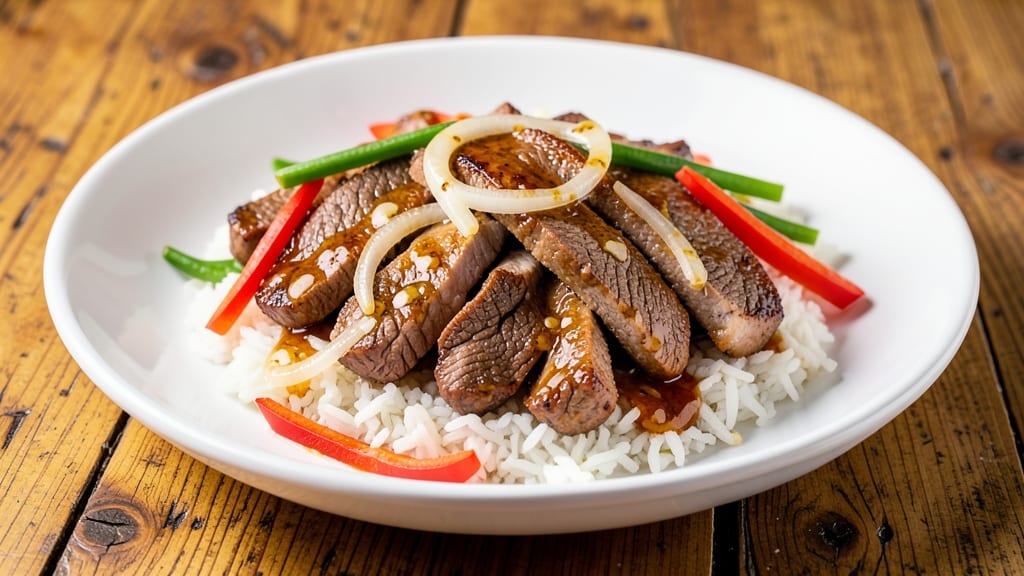
This beef and pork chop suey recipe delivers the smoky, savory depth of wok-hei right in your home kitchen. 🔥 After perfecting it through countless test batches, I’ve streamlined the technique to capture that restaurant-quality flavor without needing a wok.
The secret lies in high-heat stir-frying and a balanced sauce that marries sweet, sour, and umami in every bite.
What sets this recipe apart is the proper cut of meat—thinly sliced beef and pork chops—cooked just until tender to maintain that signature stir-fry texture. The sauce, a blend of soy, oyster, and a touch of brown sugar, builds layers of flavor as it caramelizes slightly during the stir-fry.
I’ve included a quick homemade ginger-scallion oil to add that signature aromatic punch that elevates every dish.
By the time you plate this, you’ll have a dish that’s rich yet balanced, with perfectly seared meat, crisp-tender vegetables, and a glossy sauce that clings to every bite.
The wok-hei smokiness comes from the high-heat searing technique, which you can achieve with a cast iron skillet or wok—no fancy equipment required. This is comfort food at its finest, packed with bold flavors that’ll have everyone asking for seconds.
The best part? It comes together in under 30 minutes, making it perfect for weeknight dinners or when you’re craving that classic Chinese-American takeout experience without the wait. Serve it over steamed rice or noodles to soak up every last drop of that savory sauce. Let’s get cooking!
Ingredients for beef and pork chop suey
High-heat stir-fry essentials and bold flavors for that perfect wok-hei experience at home.
| Ingredient | Amount | Notes |
|---|---|---|
| Thinly Sliced Beef (Top Round or Sirloin) 🥩 | 1 lb | Cut against grain for tenderness |
| Pork Chops (Center Cut) 🍖 | 1 lb | Thinly sliced, boneless preferred |
| Ginger-Scallion Oil 🌿 | ½ cup | Homemade for authentic aroma |
| Green Bell Peppers 🧅 | 2 whole | Julienned into thin strips |
| Baby Carrots 🥕 | 1 cup | Diagonally sliced into matchsticks |
| White Onions 🧅 | 1 whole | Thinly sliced, outer layers removed |
| Garlic Cloves 🧄 | 6 cloves | Minced, for sauce and oil |
| Fresh Ginger 🌿 | 1 tbsp | Finely grated, for ginger-scallion oil |
| Scallions 🌱 | ½ cup | Thinly sliced, for oil and garnish |
| Soy Sauce 🍶 | ⅓ cup | High-quality, like Kikkoman |
| Oyster Sauce 🍶 | ¼ cup | Vegetarian version if needed |
| Brown Sugar 🍯 | 2 tbsp | Lightly packed for sweetness |
| Rice Vinegar 🍶 | 1 tbsp | For tangy brightness |
| Sesame Oil 🫒 | 1 tsp | Toasted, for finishing |
| Vegetable Oil 🫒 | ¼ cup | High smoke point for stir-frying |
| Salt 🧂 | 1 tsp | Kosher or sea salt |
| Black Pepper 🌶️ | ½ tsp | Freshly ground for heat |
| Steamed White Rice 🍚 | 2 cups | Cooked, for serving |
The meat is everything here. Top round or sirloin for beef—lean but tender when sliced thin against the grain. Pork chops should be center-cut for even cooking. Ask your butcher to slice it paper-thin if you're not confident with a knife. I grab mine pre-sliced from Costco when I'm making a big batch, but for smaller quantities, the grocery store deli counter does it fast. Look for bright red meat with good marbling—no gray or slimy spots. Fresh ginger and scallions are non-negotiable for that signature aroma, so grab them at the Asian market if you want extra punch. Their ginger is usually fresher than the grocery store kind.
No oyster sauce? Hoisin sauce plus a dash of soy works in a pinch. Running short on brown sugar? Maple syrup or agave at the same amount keeps things balanced. The bell peppers can be swapped for broccoli florets if you prefer, but keep them uniform in size so they cook evenly. For the ginger-scallion oil, toast the garlic and scallions in the oil first—that's where the magic happens. No fresh ginger? Substitute with 1 tsp ground ginger, but it won't be as vibrant. The soy sauce matters—avoid the cheap stuff with that metallic aftertaste. Kikkoman or Diamond Brand are solid choices. And if you're vegetarian, just swap the oyster sauce for vegetarian oyster sauce or extra soy sauce.
Prep everything before you start cooking—this isn't a recipe you want to pause halfway through. Slice all veggies and meat the same size so they cook uniformly. The ginger-scallion oil keeps for up to 1 week in the fridge, but it's best used fresh. Leftover chop suey reheats beautifully—microwave with a splash of water to revive the sauce. Store in airtight containers for 3-4 days in the fridge or 3 months frozen. I always make extra because it's that good—freeze portions for lazy weeknights. The rice? Cook it ahead and keep it warm in a rice cooker—it'll be fluffier that way.
Why You'll Love This Recipe
- One-Pan Magic: I swear by this recipe when I’m too tired to scrub pots—just toss everything on one skillet with the ginger-scallion oil, stir, and let it caramelize. The bell peppers and carrots soften while the meat stays tender, and honestly? I’ve never cleaned up faster.
- Umami Bomb: That ginger-scallion oil is the MVP—it’s like a flavor grenade exploding in your mouth. The pork chops add a juicy richness, while the beef gives a satisfying chew, and the veggies? They’re just there to soak up all the deliciousness. (Yes, even my picky husband goes back for seconds.)
- Lunchbox Hero: Between us, this is my secret weapon for meal prep. I’ll make a big batch on Sunday, portion it into containers, and boom—crispy, flavorful chop suey for lunches all week. The beef and pork hold up perfectly, and the veggies stay bright if you pack them separately (trust me, it works).
- Budget Flex: Top round and center-cut pork chops are affordable cuts that still feel special, and the veggies stretch the dish without breaking the bank. I’ve fed four people for under $15, and leftovers? They’re even better the next day—if there are any. (Spoiler: There won’t be.)
Step-by-step instructions for beef and pork chop suey
Here's how to create this restaurant-style stir-fry with perfect wok-hei flavor and tender meat.
🍳 Step 1: Prep All Ingredients for Quick Cooking
Start by prepping everything while the wok heats up. Cut the 1 lb thinly sliced beef (top round or sirloin) and 1 lb pork chops (center cut) into ¼-inch thick strips—this ensures even cooking. Julienne the 2 whole green bell peppers into thin strips and slice the 1 cup baby carrots diagonally into matchsticks. Thinly slice the 1 whole white onion, removing the outer layers first.
Mince the 6 cloves garlic cloves and finely grate the 1 tbsp fresh ginger. Thinly slice the 0.5 cup scallions, reserving 2 tablespoons for garnish. I like to keep everything in separate bowls so it's ready to go when the wok is hot. This chop-suey style relies on quick cooking, so having everything prepped ahead is key.
🔥 Step 2: Heat the Wok and Cook the Meat
Heat a wok or large skillet over high heat until it's smoking hot. Add the 0.25 cup vegetable oil and swirl to coat the bottom evenly. Working in batches if needed, add the 1 lb thinly sliced beef and stir-fry for 1-2 minutes until it's no longer pink and just starting to brown. Remove the beef and set aside.
Add the 1 lb pork chops (center cut) to the wok and cook for 2-3 minutes, stirring constantly, until the edges are golden brown and the meat is just cooked through. Don't overcrowd the wok—this prevents proper browning and steaming. If needed, cook the pork in batches. The meat should be tender but still slightly firm to the touch.
🍳 Step 3: Stir-Fry the Vegetables
Add the 0.25 cup vegetable oil back to the wok if needed and increase the heat to high. Add the thinly sliced white onions and stir-fry for 1 minute until they begin to soften. Add the green bell pepper strips and baby carrots, stirring constantly for 2-3 minutes until the vegetables are bright and just tender-crisp. You want them to retain some bite—overcooking turns them mushy.
Add the minced garlic cloves and finely grated ginger, stirring for 30 seconds until fragrant. Here's where the magic happens—you'll smell that wok-hei aroma developing. The garlic and ginger should sizzle and release their oils, infusing the vegetables with deep flavor. If the wok starts smoking too much, reduce the heat slightly to maintain control.
🥘 Step 4: Combine and Sauce the Stir-Fry
Return the beef and pork to the wok. Pour in the 0.5 cup ginger-scallion oil, 0.33 cup soy sauce, 0.25 cup oyster sauce, 2 tbsp brown sugar, and 1 tbsp rice vinegar. Stir everything together for 2-3 minutes until the sauce coats the meat and vegetables evenly. The sauce should glisten and cling to the ingredients, creating that signature chop suey sheen.
Taste and adjust the seasoning. If it needs more saltiness, add a splash of soy sauce. If it needs brightness, add a bit more rice vinegar. The sauce should balance sweet, salty, and tangy flavors. Sprinkle in the 1 tsp sesame oil and toss everything together one final time to incorporate.
🍽️ Step 5: Serve Over Steamed Rice
Divide the 2 cups steamed white rice among four serving plates. Spoon the beef and pork chop suey over the rice, arranging it attractively. Garnish with the reserved 2 tablespoons scallions and a sprinkle of black pepper. The dish should look vibrant with the colors of the vegetables peeking through the glossy sauce.
Serve immediately while the rice is still warm and the wok-hei aroma is at its peak. Each bite should deliver tender meat, crisp-tender vegetables, and a perfectly balanced sauce. This stir-fry tastes even better the next day, so leftovers make great lunchbox meals!
Pro Tips For Making Beef And Pork Chop Suey
- STIR-FRY IN BATCHES: I learned this the hard way—crowding the pan turns chop suey into a sad, steamed mess. Cook half the beef and pork first, then remove them to a plate before adding veggies. The meat stays crisp, not rubbery, and the veggies get proper color instead of wilting into oblivion.
- SLICE PORK THINLY: My butcher once looked at me like I’d asked for the moon when I asked for "chop suey thin." For center-cut pork chops, slice against the grain to ⅛-inch thickness—no thicker, or they’ll turn chewy. Use a sharp knife and keep your fingers clear (yes, even if you’re impatient like me).
- SALT THE MEAT FIRST: Season the beef and pork with salt and a touch of cornstarch before cooking. The salt breaks down proteins for tenderness, and the starch helps the meat hold its shape in the stir-fry. Skip this, and you’ll end up with tough, flavorless strips that disappear into the sauce.
- SAVE THE GINGER-SCALLION OIL: That aromatic oil is liquid gold—don’t waste it by dumping it in at the end. Heat it in the wok first, then add the meat and veggies. The oil infuses flavor into everything, and you won’t need extra oil later. (Your future self will thank you.)
Pro cooking tips for this dish
Wok-Hei Mastery
That signature smoky aroma—wok-hei—comes from cooking at high heat in a properly heated wok or skillet. I start by heating my carbon steel wok until it's smoking hot over high heat (about 500°F or until oil shimmers). For home cooks without a wok, a cast iron skillet works perfectly.
The key is patience—let the pan heat for 3-5 minutes before adding oil. If your pan isn't hot enough, the meat will steam instead of sear, killing that restaurant-quality flavor. 🔥
Batch Cooking
Never overcrowd your pan! Cook the 1 lb beef and 1 lb pork in 2-3 batches if needed. I use a slotted spoon** to remove cooked meat and set it aside while finishing the next batch.
This ensures the meat gets that perfect golden sear instead of turning gray from steaming. If your pan isn't large enough, cook the vegetables first, then return the meat to finish together. The goal is to maintain that high heat throughout the entire process.
Sauce Timing
Add the sauce only after the meat and vegetables are cooked separately. This prevents the meat from overcooking in the liquid. When combining everything, stir vigorously for 2-3 minutes—this helps the sauce cling to every piece of meat and vegetable.
If your sauce seems too thin, let it reduce by cooking it uncovered for 1-2 minutes on high heat. The sauce should coat the back of a spoon but still be glossy, not syrupy. 💫
Ginger-Scallion Oil
This aromatic base is non-negotiable for authentic flavor. Toast the garlic and scallions in the oil until fragrant—this releases their natural oils and creates depth. I use a low-heat method to infuse the oil without burning it.
For extra punch, add a pinch of red pepper flakes to the oil before straining. Store any leftover oil in the fridge for up to 1 week, but it's best used fresh. The oil should have a vibrant green color and a strong aroma—this is your quality check!
Don't Overcook
Chop suey relies on tender-crisp vegetables and just-cooked meat. The moment the beef turns gray or the carrots soften completely, it's overdone. I pull the pork from the heat when it's just barely pink in the center—it'll carry over cook while resting.
The vegetables should be bright and slightly crisp with a hint of resistance. Overcooking turns chop suey into mushy, flavorless mush. Trust your instincts—this dish should be vibrant, not limp. ⚡
Nutrition facts
Frequently asked questions
Can I substitute chicken for the beef and pork?
Swap the beef and pork for 1.5 lbs boneless, skinless chicken thighs, cut into ½-inch strips. Chicken cooks faster than beef, so reduce stir-fry time to 2-3 minutes total after adding sauce. For extra flavor, marinate the chicken in 1 tbsp soy sauce + 1 tsp cornstarch for 15 minutes before cooking.
How do I make this vegetarian?
Replace the meat with 1 lb extra-firm tofu (pressed and cubed) or 1 lb shiitake mushrooms (sliced). Use vegetarian oyster sauce and add 1 tbsp miso paste to the sauce for depth. Boost umami with 1 tsp soy sauce + 1 tsp sesame paste. The stir-fry technique remains the same—just reduce cooking time by 1 minute for tofu.
Can I use frozen meat instead of fresh?
Yes, but thaw it completely first! Place frozen meat in a sealed bag and submerge in cold water for 30 minutes or use the microwave's defrost setting. Never cook frozen meat—it won't brown properly and may release harmful bacteria. For best results, slice the meat after thawing to maintain even thickness.
What's the best way to reheat leftovers?
Reheat in a skillet over medium heat with 1 tsp oil and 2 tbsp water to revive the sauce. Stir constantly for 3-4 minutes until hot. Avoid microwaving—it turns the sauce watery. For rice, reheat separately in a steamer basket over boiling water for 2 minutes. Leftovers keep 3-4 days in an airtight container.
Why does my sauce turn too thick?
This happens when the sauce reduces too much. To fix it, add 1-2 tbsp hot water or chicken broth while stirring. For prevention, add sauce after cooking the meat and veggies, then cook uncovered for 1-2 minutes to achieve the right consistency. The sauce should coat the back of a spoon but remain glossy, not syrupy.