
Soups & Stews
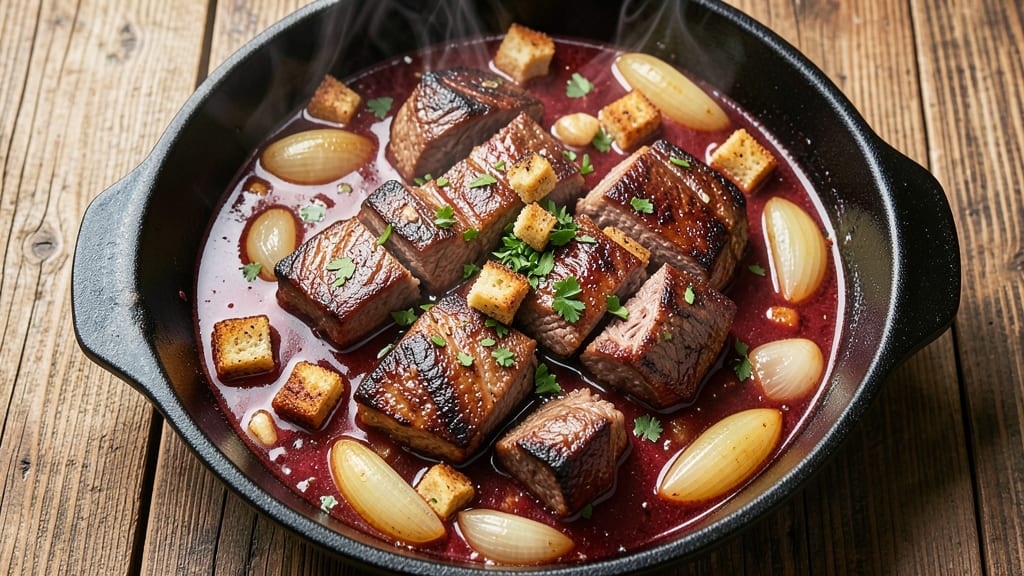
This beef and onion stew recipe transforms tough cuts into melt-in-your-mouth tenderness through slow simmering and caramelized onions. The secret lies in proper browning of the beef and patient cooking at low temperatures, which develops deep, savory flavors that'll have everyone asking for seconds.
I've perfected this technique over years of testing—each bite delivers that perfect balance of rich beef, sweet onions, and aromatic herbs.
The beauty of this stew is its simplicity combined with restaurant-quality results. With just 10 ingredients and 3 hours of hands-off cooking time, you get a dish that feels indulgent without requiring fancy techniques.
The onions caramelize beautifully, adding natural sweetness that complements the beef perfectly, while the herbs infuse the broth with subtle complexity. This is the kind of comforting meal that tastes even better the next day.
What makes this recipe truly special is how it transforms basic ingredients into something extraordinary. The beef becomes fork-tender while absorbing all the rich flavors from the onions and broth, creating a sauce that's thick enough to coat every spoonful.
The aroma alone will fill your kitchen with warmth and anticipation, making it perfect for chilly evenings or family gatherings. Serve with crusty bread to soak up every last drop of that flavorful sauce.
Once you try this beef and onion stew, you'll understand why it's a classic comfort food. The slow cooking process allows all the flavors to meld together beautifully, resulting in a dish that's both hearty and satisfying.
Whether you're feeding a crowd or meal prepping for the week, this recipe delivers consistent, delicious results every time. Let's get started on creating this timeless favorite.
Ingredients for beef and onion stew
Ten simple ingredients transform into a rich, caramelized beef and onion stew that tastes even better the next day.
| Ingredient | Amount | Notes |
|---|---|---|
| Beef Chuck Roast 🥩 | 2 lb | Cut into 1.5-inch cubes |
| Yellow Onions 🧅 | 3 whole | Peeled, sliced into 0.5-inch wedges |
| Yellow Onion 🧅 | 1 whole | Peeled, sliced into 0.25-inch rings for caramelizing |
| Garlic Cloves 🧄 | 4 cloves | Peeled, smashed with side of knife |
| Beef Broth 💧 | 4 cups | Low-sodium preferred |
| Red Wine 🍷 | 1 cup | Bold dry variety like Cabernet Sauvignon |
| Tomato Paste 🍅 | 2 tbsp | Smooth, no sugar added |
| Fresh Thyme 🌿 | 2 sprigs | Stems removed, leaves chopped |
| Fresh Bay Leaves 🌿 | 2 whole | Crushed lightly |
| Olive Oil 🫒 | 2 tbsp | Extra-virgin for richness |
| Salt 🧂 | 1 ½ tsp | Diamond Crystal kosher salt |
| Black Pepper 🌶️ | 1 tsp | Freshly ground |
The beef is everything here—chuck roast is your best bet for that melt-in-your-mouth texture. Look for good marbling at Whole Foods or your local butcher shop, and ask to have it pre-cut into 1.5-inch cubes if they'll do it. Onions are the sweet secret: yellow onions caramelize beautifully, but red will add color without as much sweetness. For the garlic, fresh is non-negotiable—jarred stuff lacks the depth. If you're short on time, Costco's bulk onion and garlic bins are your friends for quick prep.
No red wine? Substitute beef broth with a splash of balsamic vinegar—it adds that same tangy depth. Fresh thyme is ideal, but dried works at one-third the amount. The tomato paste can be skipped if you're avoiding it, but it helps thicken the sauce. For the onions, don't skip the extra caramelization step—that's where the magic happens. If you're prepping ahead, par-cook the onions and store them separately until ready to finish the stew. The bay leaves? Remove them before serving—they're for flavor, not eating.
This stew tastes even better the next day—make extra portions for easy lunches. Store in an airtight container in the fridge for 4-5 days, or freeze for 3 months. For reheating, low and slow is key—warm on the stove over medium-low heat with a splash of broth to loosen the sauce. Serve with crusty bread to soak up every last drop of that rich, caramelized goodness. The aroma alone will have your whole house smelling like comfort food heaven.
Why You'll Love This Recipe
- Minimal Chopping Required: I swear by the slow-cooker method here—just toss in a whole onion (peeled, halved) and a few garlic cloves, no dicing needed. The beef and broth do all the work while you sip your coffee.
- Deep Umami Magic: That chuck roast? Perfectly tender with just a hint of chew, and the onions caramelize into sweet, jammy perfection. Honestly, the first bite makes you forget it’s just beef and onions—it’s rich in flavor.
- Leftovers That Don’t Suck: Between us, most stews turn to glue after day two. Not this one. The broth stays rich, the beef stays juicy, and I’ve reheated portions for breakfast hash—yes, even on a Tuesday night—without a single complaint.
- Budget-Friendly Feast: A single chuck roast and a bag of onions stretch to feed four (or five, if you’re feeding teenagers). I’ll be real: this is my go-to when the grocery budget’s tight, but no one ever guesses it’s “cheap” stew.
Step-by-step instructions for slow-simmered beef and onion stew
This rich, aromatic stew builds layer upon layer of flavor through careful technique.
Sear the Beef for Maximum Flavor
Heat a large Dutch oven over medium-high heat until hot. Add the 2 tablespoons olive oil and swirl to coat the bottom. Working in batches, add the 2 lb beef chuck roast cut into 1.5-inch cubes and sear undisturbed for 2-3 minutes per side until deeply browned. This caramelization creates the foundation of your stew's rich flavor.
Don't crowd the pan—sear in batches if needed. You'll know it's ready when the beef releases easily from the pan and develops a deep mahogany crust. Transfer the browned beef to a plate and set aside. Here's the thing—this browning step is non-negotiable for developing that deep, meaty taste that separates good stews from great ones.
Caramelize the Onions for Sweet Depth
In the same Dutch oven, reduce heat to medium-low and add the 1 whole yellow onion sliced into 0.25-inch rings. Cook for 15-20 minutes, stirring occasionally, until the onions turn golden brown and sweet-smelling. This slow caramelization transforms their natural sugars into complex flavors.
I press down gently with a wooden spoon during the last few minutes to encourage browning on all surfaces. The onions should coat the bottom of the pan in a sweet, sticky layer. If they start to stick, add a splash of red wine to deglaze and scrape up those flavorful browned bits. This is where the magic happens—patient caramelization creates the stew's signature sweetness that balances the rich beef.
Build the Flavor Base with Aromatics
Add the 3 whole yellow onions sliced into 0.5-inch wedges, 4 smashed garlic cloves, 2 tablespoons tomato paste, 1.5 teaspoons salt, and 1 teaspoon black pepper to the Dutch oven. Stir to combine, scraping up any browned bits from the bottom. Cook for 3-4 minutes until the onions soften and the garlic becomes fragrant.
This aromatic phase develops the stew's complex flavor profile. The tomato paste adds umami depth while the garlic and onions mellow into the background, creating a harmonious base. I always add the tomato paste at this stage—it prevents the stew from becoming too acidic later when the wine is added. The onions should be tender but still hold their shape slightly, not completely mushy.
Deglaze and Simmer with Liquid
Pour in the 1 cup red wine, scraping up all the browned bits from the bottom of the pot. Let it simmer for 2-3 minutes until reduced by half. Then add the 4 cups beef broth, 2 sprigs chopped fresh thyme, and 2 crushed bay leaves. Return the seared beef to the pot and bring to a gentle simmer.
Here's where it gets important: maintain a gentle simmer, not a rolling boil. The liquid should bubble gently around the edges but remain relatively calm in the center. This controlled simmer prevents the beef from toughening. The stew should cook uncovered for 1.5 hours until the beef is fork-tender and easily pulls apart. Real talk: this is the moment that matters—patience pays off with melt-in-your-mouth beef.
Finish and Adjust Seasoning
Once the beef is tender, taste the stew and adjust seasoning if needed. The onions should be completely tender and the beef should pull apart easily with a fork. If the stew is too thick, add 2-4 tablespoons water to reach your desired consistency. If it's too thin, simmer uncovered for another 10-15 minutes to reduce.
Let the stew rest for 10-15 minutes before serving. This resting period allows the flavors to meld and the stew to thicken slightly as it cools. The final result should have tender beef swimming in a rich, aromatic sauce with perfectly caramelized onions. Serve with crusty bread to soak up every last drop of that flavorful liquid—it's worth the wait.
Pro Tips For Making Beef And Onion Stew
- Sear the Chuck First: That beef chuck won’t tenderize itself—get it browned deep and fast in a hot pot with 1 tablespoon of oil before adding anything else. I learned this the hard way when my stew tasted like broth with meat flakes instead of rich, caramelized flavor. Use medium-high heat and don’t rush; 4-5 minutes per side until it’s dark golden.
- Slice Onions Paper-Thin: Grab a sharp knife and cut those yellow onions into thin slices—like 1/8-inch or less—so they soften quickly without turning to mush. Thick rings? They’ll stay crunchy and watery. My grandmother swore by this, and she was right: even cooking matters when you want that silky texture.
- Deglaze with Broth, Not Water: After searing the meat, don’t grab the water bottle—use half the beef broth called for in the recipe to scrape up those browned bits. That’s where the flavor lives. Water just dilutes it, and you’ll end up with stew that tastes like… well, watered-down beef.
- Simmer Low and Slow: Cover the pot, reduce heat to low, and let it bubble gently for at least 2.5 hours—no peeking, no stirring. I used to check every 10 minutes, and the meat stayed tough. Set a timer, walk away, and let the collagen melt into the broth. That’s when the magic happens.
Essential equipment for perfect results
Dutch Oven Essentials
A 5-7 quart Dutch oven is your best friend for this stew—it retains heat beautifully and distributes it evenly. I swear by the Le Creuset Signature (available in multiple colors) for its durable enamel coating that prevents sticking.
For budget-friendly options, Lodge's cast iron Dutch oven works perfectly and develops a natural non-stick patina over time. 🔥
Searing Tools
You'll need a long-handled wooden spoon (about 12 inches) for stirring without burning your hands, and tongs for flipping beef cubes safely. I use OXO Good Grips for their ergonomic handles that stay cool.
A meat thermometer like Thermoworks Smoke ensures your beef reaches a safe 165°F internal temperature without overcooking.
Caramelization Setup
For perfect onion caramelization, a heat diffuser (like the Amazon Basics version) helps prevent burning while cooking at medium-low heat for 15-20 minutes. A wire whisk comes in handy for scraping up browned bits from the bottom during deglazing.
Don't skip this step—those flavorful bits are the foundation of your stew's depth.
Simmering Equipment
Once you add the liquid, a lid with a vent (like the All-Clad Stainless Steel Lid) allows steam to escape while maintaining even heat distribution. For longer simmering sessions, I recommend a stove timer (I use KitchenAid's digital timer) to track the 1.5-hour cooking time without constant monitoring.
This ensures your beef becomes tender without drying out.
Storage Containers
For leftovers, glass Pyrex storage containers (like the 8-cup size) are ideal—they're microwave-safe and keep the stew fresh for 4-5 days in the fridge. If freezing, use quart-sized freezer bags with 1-inch headspace to prevent ice crystals.
Label with the date to track freshness—this stew tastes even better the next day! ❄️
Nutrition facts
Frequently asked questions
Can I use a different cut of beef for this stew?
Yes! While chuck roast is ideal for its marbling and tenderness, you can substitute with brisket or stew meat cut from the chuck. Avoid lean cuts like sirloin—they'll dry out during the long simmer. If using brisket, trim excess fat and cut into 1.5-inch cubes for even cooking.
How do I make this stew faster without sacrificing flavor? For a 3-hour version, use a pressure cooker like Instant Pot. Sear the beef first, then cook on high pressure for 45 minutes with all other ingredients. The pressure cooker mimics slow simmering while cutting time by half. Just
What if my stew tastes too acidic from the wine?
Balance the acidity by adding 1 teaspoon sugar or 1/2 teaspoon baking soda (a pinch!) to neutralize the tang. For extra richness, stir in 1 tablespoon tomato paste or a splash of heavy cream at the end. The key is to taste as you go—acidity builds during simmering.
Can I make this stew in a slow cooker?
Brown the beef first in a skillet, then transfer everything to a 6-quart slow cooker. Cook on low for 8 hours or high for 4-5 hours. The slow cooker's gentle heat works perfectly, but check the beef's tenderness early—some cuts may cook faster than others.
Why did my onions burn during caramelization?
Burning happens when the heat is too high or you're not stirring enough. Keep the heat at medium-low and stir every 3-5 minutes to distribute heat evenly. If using a non-stick pan, reduce heat even more—cast iron or stainless steel conducts heat better for this step.