
Soups & Stews
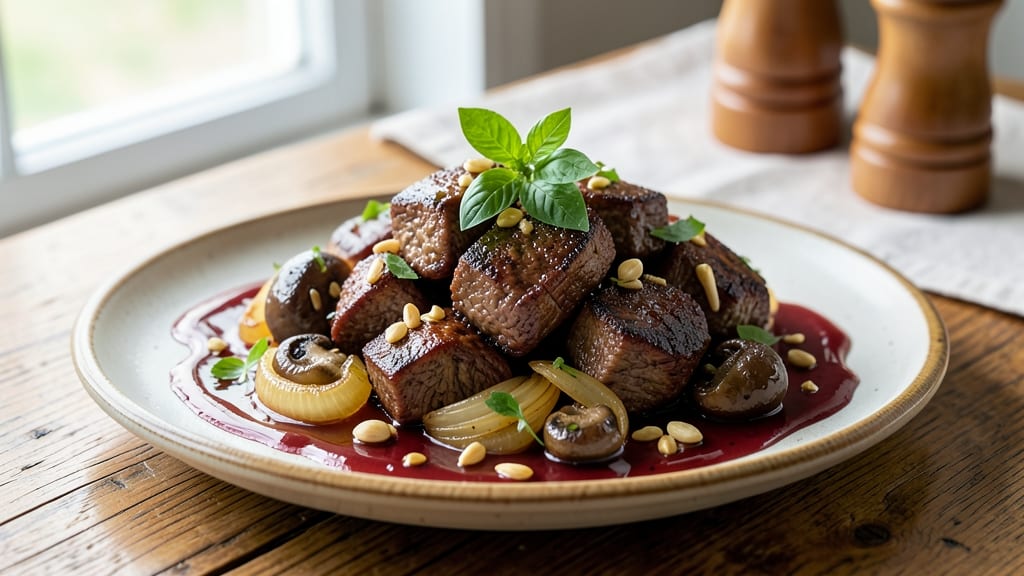
This beef and mushroom ragu recipe delivers the rich, slow-simmered depth of a classic Italian Sunday dinner—tender beef and earthy mushrooms melded into a sauce so flavorful it disappears into every bite.
The key lies in patience: hours of gentle simmering transform tough cuts into melt-in-your-mouth perfection while mushrooms release their umami magic. I developed this version after years of testing, balancing traditional techniques with modern shortcuts that still honor the dish's soul.
What sets this ragu apart is the technique: searing the beef first creates a flavorful crust, while mushrooms cook low and slow to develop their signature depth.
A splash of red wine and tomato paste builds the sauce's foundation, but the real magic happens during the final hour of simmering, when all the flavors meld into something greater than the sum of its parts.
The result is a dish that's equal parts comforting and impressive—ideal for feeding a crowd or saving for leftovers.
By the time you're done, you'll have a pot of restaurant-quality ragu that's rich, velvety, and packed with meaty chunks and tender mushrooms.
The aroma alone will have everyone gathering at the table, while the first bite delivers that perfect balance of savory, umami, and just enough acidity from the wine. Serve it over al dente pasta, with polenta, or even as a filling for lasagna—this ragu adapts beautifully to any Italian-inspired meal.
For those short on time, I've included tips to streamline the process without sacrificing flavor, but I'd encourage you to embrace the slow cooking method. That extra hour simmering makes all the difference in creating a sauce that's truly special.
Let's get started on this timeless Italian classic that's as rewarding to make as it is delicious to eat.
Ingredients for beef and mushroom ragu
Sixteen ingredients transform into a rich, tender ragu that tastes like Sunday dinner.
| Ingredient | Amount | Notes |
|---|---|---|
| Chuck Roast 🥩 | 2 ½ lb | Cut into 1-inch cubes |
| Cremini Mushrooms 🍄 | 1 ½ lb | Sliced into even pieces |
| Yellow Onion 🧅 | 1 whole | Diced, medium size |
| Garlic Cloves 🧄 | 6 cloves | Minced, fresh preferred |
| Red Wine 🍷 | 1 cup | Bold dry variety |
| Tomato Paste 🍅 | 2 tbsp | Smooth, not chunky |
| Beef Broth 💧 | 4 cups | Low-sodium preferred |
| San Marzano Tomatoes 🍅 | 28 oz | Canned, crushed |
| Extra-Virgin Olive Oil 🫒 | ¼ cup | For searing |
| Dried Thyme 🌿 | 1 tsp | Or 1 tbsp fresh |
| Dried Rosemary 🌿 | ½ tsp | Crushed between fingers |
| Salt 🧂 | 1 ½ tsp | Kosher or sea salt |
| Black Pepper 🌶️ | 1 tsp | Freshly ground |
| All-Purpose Flour 🌾 | 1 tbsp | For thickening |
The chuck roast is non-negotiable here—it's what gives you that melt-in-your-mouth texture. Costco or Whole Foods carry great cuts, but any grocery store's butcher section will have it too. Look for good marbling—those little white flecks of fat are what keep the meat juicy during hours of cooking. I always ask for it pre-cut into 1-inch cubes to save time, but if you're buying a whole roast, cut it yourself for more even cooking. The mushrooms? Cremini have the best meaty texture, but baby bella or even white mushrooms work in a pinch. Slice them evenly so they cook at the same rate as the beef.
No red wine? Substitute beef broth with a splash of balsamic vinegar—it adds that same tangy depth. Fresh thyme and rosemary are ideal, but dried works at one-third the amount. The tomato paste can be the squeeze tube kind from Trader Joe's—it's perfect for this recipe and lasts forever. For the tomatoes, San Marzano cans are worth the splurge, but any good-quality crushed tomatoes will do. If you're short on time, pre-minced garlic from the jar works, but fresh has way more flavor. The olive oil should be extra-virgin—it's what gives the ragu that fruity richness at the end.
This ragu tastes even better the next day, so make a big batch. Store it in the fridge for up to 5 days or freeze portions for 3 months. I like to portion it into containers with a little pasta water mixed in—it reheats beautifully and keeps the sauce from getting too thick. The flour is just for thickening at the end, so don't stress about measuring it precisely. If you're serving it over pasta, save some pasta water to thin the sauce as needed.
Why You'll Love This Recipe
- One-Pot Magic: I swear by this recipe when I’m too tired to wash pots—just brown the chuck roast, toss in sliced mushrooms and onions, then let the red wine and simmering time do the work. The slow cook transforms tough beef into melt-in-your-mouth goodness with almost no effort.
- Wine-Infused Depth: That splash of red wine isn’t just for show—it deepens the flavor in ways store-bought sauces can’t match. The mushrooms soak it up like a sponge, giving every bite a rich, earthy punch that lingers.
- Meal Prep Goldmine: Make a double batch on Sunday, and you’ve got hearty lunches all week. The ragu only gets better as it sits, so reheating it for sandwiches or pasta is a total win—no sad leftovers here.
- Budget Feeder: Chuck roast is the unsung hero of affordable meat, and cremini mushrooms stretch the dish further without breaking the bank. Honestly, this recipe feels like a fancy dinner for half the cost of steak night.
Step-by-step instructions for beef and mushroom ragu
Here's how to build deep umami flavor and melt-in-your-mouth tenderness through precise timing and technique.
Sear the Chuck Roast in Batches
Heat the 0.25 cup extra-virgin olive oil in a heavy Dutch oven over medium-high heat until shimmering. Working in batches, add the 2.5 lb chuck roast cubes, letting them sit undisturbed for 2-3 minutes until deeply browned on all sides. This initial sear locks in juices and creates that rich, caramelized foundation.
I press down gently on the meat during the first minute—this prevents it from curling and ensures even contact with the pan. Once browned, remove the meat and set it aside. You'll notice the oil darkens slightly with each batch—that's the flavor building. Don't be tempted to overcrowd the pan or the meat will steam instead of sear.
Build the Flavor Base with Mushrooms and Aromatics
In the same Dutch oven, reduce heat to medium and add the 1.5 lb sliced cremini mushrooms. Cook for 8-10 minutes until they release their moisture and develop golden brown spots. Stir occasionally, letting them crisp slightly at the edges—this builds texture and depth of flavor.
Add the diced yellow onion and cook for 3-4 minutes until softened. Then stir in the 6 cloves minced garlic and cook for just 30 seconds until fragrant. Here's where it gets good—sprinkle the 1 tbsp all-purpose flour over everything and stir vigorously for 1 minute to toast the flour and remove any raw taste.
Deglaze and Develop the Sauce
Pour in the 1 cup bold red wine and scrape up all those browned bits from the bottom of the pan—this is where all the flavor lives. Let it simmer for 3-4 minutes until reduced by half. Then add the 2 tbsp tomato paste, 28 oz crushed San Marzano tomatoes, 4 cups beef broth, 1.5 tsp salt, 1 tsp black pepper, 1 tsp dried thyme, and 0.5 tsp dried rosemary.
Give everything a good stir and bring to a gentle simmer. The sauce should be vibrant red with visible bubbles breaking the surface. This is the moment that matters: the flavors are melding together, and the acidity from the wine and tomatoes is tenderizing the meat even as we cook it.
Slow-Simmer for Maximum Tenderness
Return the browned chuck roast to the pot and bring everything back to a simmer. Here's the key: cover the pot and cook at a gentle simmer for 2.5-3 hours. You want to see just a few small bubbles breaking the surface occasionally—this low-and-slow approach breaks down the tough muscle fibers and infuses the meat with all that rich sauce.
Check occasionally and add water or broth if the sauce gets too thick. The meat should be fork-tender when pierced with a knife—you'll see it fall apart easily. Real talk: if you rush this step, you'll end up with tough meat instead of that melt-in-your-mouth texture we're after.
Finish and Adjust for Perfect Texture
Once the meat is tender, uncover the pot and simmer for another 15-20 minutes to thicken the sauce slightly. Taste and adjust seasoning—you might need a touch more salt or pepper, depending on your broth. The ragu should coat the back of a spoon with a velvety consistency, clinging beautifully to each piece of meat.
Let the ragu rest for 10 minutes before serving. This resting period allows the flavors to fully meld together and the sauce to thicken just right. Serve over al dente pasta or with crusty bread to soak up every last bit of that rich, umami-packed sauce. The result should be tender beef that practically falls apart at the touch, surrounded by a sauce so flavorful it sings.
Pro Tips For Making Beef And Mushroom Ragu
- SEAR THE ROAST IN BATCHES: Chuck roast releases a ton of liquid when seared—if you toss the whole thing in the pan at once, you’ll just steam it instead of brown it. Cut the roast into 1.5-inch chunks first, then work in batches over medium-high heat. The crust on these pieces is what builds deep flavor, so don’t rush this part.
- SWEAT ONIONS UNTIL TRANSPARENT: I used to add the onions to the pot and walk away, only to end up with raw chunks in my ragu. Instead, cook them in the same pan as the beef (after searing) with a splash of water, covered, until they’re completely limp and nearly colorless—about 10 minutes. This ensures they melt into the sauce rather than sit as chewy bits.
- DEGLAZE WITH THE WINE STRAIGHT AWAY: That browned crust on the pan? That’s pure flavor. As soon as you pull the beef out, pour in the red wine and scrape every last bit with a wooden spoon. Let it simmer for 2 minutes before adding anything else—this step extracts more depth than just dumping the wine in later.
- SALT THE MUSHROOMS BEFORE COOKING: Toss the sliced cremini mushrooms with a pinch of salt and let them sit for 5 minutes before adding them to the pot. This draws out moisture, so they brown faster and release their umami into the sauce instead of turning into a watery mess. Trust me, your ragu will taste richer for it.
Storing and reheating this recipe
Fridge Storage Basics
Let your ragu cool completely before transferring it to airtight containers—I use glass Pyrex with snap-on lids. Store it in the refrigerator at 40°F or below for up to 5 days, though I’ve found the flavor actually deepens after 24 hours.
The sauce thickens slightly when chilled, so add a splash of beef broth when reheating to restore its velvety consistency. 💫
Freezer Prep Tips
For longer storage, portion your ragu into quart-sized freezer bags (they stack neatly) or glass containers with 1-inch headspace to prevent expansion cracks. Seal tightly to avoid freezer burn, and label with the date—this ragu stays delicious for up to 3 months.
I like to freeze it in 2-cup portions for easy single-serving meals. Thaw overnight in the fridge before reheating.
Stovetop Reheating
My preferred method is stovetop reheating—it preserves texture better than microwaving. Place the ragu in a heavy-bottomed pot over medium-low heat and add ¼ cup beef broth to prevent sticking.
Simmer uncovered for 10-15 minutes, stirring occasionally, until heated through (165°F internal temp). Taste and adjust seasoning—chilled ragu often needs a pinch more salt or pepper. 🔥
Microwave Shortcuts
For quick meals, transfer ragu to a microwave-safe bowl, cover loosely with a damp paper towel, and heat on 50% power in 2-minute intervals, stirring between each.
Avoid overcooking—microwaves can make the sauce grainy. If it looks too thick, add 1-2 tablespoons of water or pasta water to restore its silky texture.
Reheating Leftovers
When reheating from the fridge, I always add a splash of pasta water (if serving over pasta) or extra broth to loosen the sauce. The ragu’s texture changes slightly after storage—it becomes even richer and more concentrated.
For best results, reheat gently and serve immediately. If you’ve frozen it, thaw overnight first to ensure even heating and prevent uneven textures. ✨
Nutrition facts
Frequently asked questions
Can I use ground beef instead of chuck roast for this ragu?
Ground beef works in a pinch, but it won't give you the same melt-in-your-mouth texture. If you must substitute, use 80/20 ground chuck (not lean ground beef) and cook it for only 1.5-2 hours instead of 3. The fat content helps create a richer sauce, but you'll miss the satisfying meaty chunks that make traditional ragu special.
What if I don't have red wine? Can I make this ragu without it?
Yes! Replace the wine with 1 cup beef broth plus 1 tablespoon balsamic vinegar for similar depth. The vinegar adds acidity that helps tenderize the meat, while the broth maintains the sauce's richness. For extra umami, add ½ teaspoon soy sauce or 1 teaspoon Worcestershire sauce to the tomato mixture.
How do I know when the beef is tender enough?
The meat should be fork-tender with no resistance when pierced—it should practically fall apart. Test a piece by placing it between your fingers: if it crumbles easily, it's ready. If you're still getting chewy bits after 3 hours, add ½ cup water or broth and simmer uncovered for another 30 minutes. Patience here makes all the difference!
Can I make this ragu in a slow cooker?
Follow the same steps for searing the beef and mushrooms, then transfer everything to a 6-quart slow cooker. Cook on low for 7-8 hours or high for 4-5 hours, adding broth as needed to maintain sauce consistency. The slow cooker's gentle heat works perfectly for tenderizing the meat while keeping the mushrooms from turning to mush.
Why did my ragu turn out too acidic?
This usually happens from over-reducing the wine or using too many acidic tomatoes. Balance it by adding 1 teaspoon sugar or ½ teaspoon honey to mellow the acidity, or stir in 2 tablespoons tomato paste to deepen the flavor. For future batches, reduce the wine by ¼ cup or use slightly less tomato paste if your tomatoes are particularly tangy.