
Soups & Stews
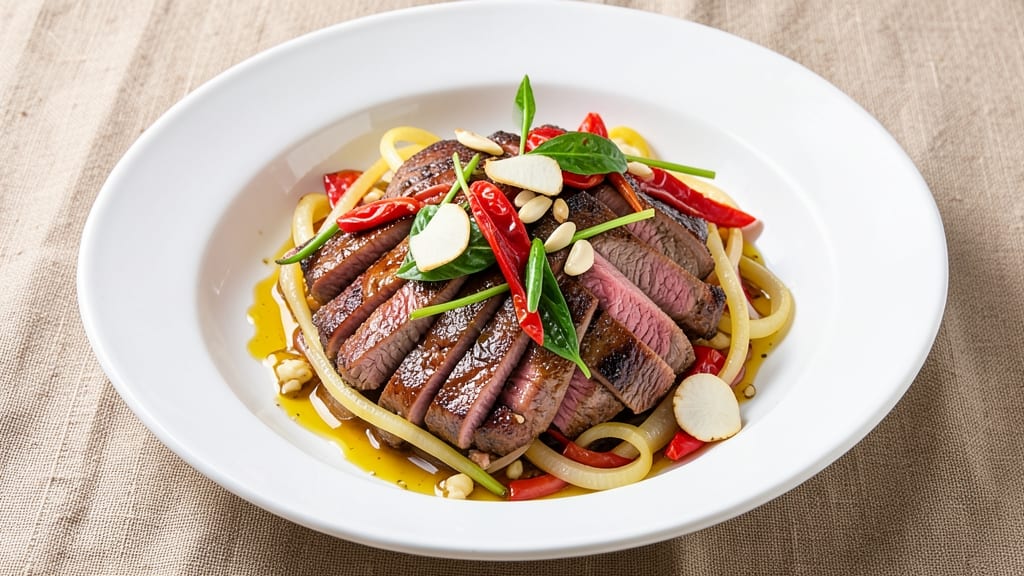
This beef and kimchi recipe transforms humble ingredients into a bold, flavor-packed stir-fry that balances spicy, sweet, and umami notes in every bite.
The magic begins with tender beef marinated in a simple yet powerful blend of soy sauce, sesame oil, and garlic—just enough time to develop deep flavor without overpowering the dish.
What sets this recipe apart is the perfect harmony of textures: crisp-tender cabbage bites from the kimchi, caramelized onions, and perfectly seared beef that stays juicy despite the quick cooking time.
The cooking process is straightforward but packed with professional techniques to elevate your home kitchen results. You’ll start by building layers of flavor in the pan—sautéing garlic and ginger until fragrant, then caramelizing onions to deepen their natural sweetness.
The beef cooks just until it reaches that ideal tender-crisp finish, while the kimchi adds its signature tang and crunch. This isn’t just another stir-fry; it’s a restaurant-quality dish that delivers restaurant-quality results in under 30 minutes with minimal cleanup.
What makes this recipe truly special is its versatility—serve it over steamed rice for a classic Korean meal, or pair it with fluffy mashed potatoes for a heartier twist.
The spice level is balanced but adjustable, so you can dial it up with extra gochujang or tone it down with a touch of honey. The dish stays vibrant even when reheated, making it perfect for meal prep or leftovers. Every forkful delivers that perfect marriage of textures and flavors.
For those looking to take it further, consider adding a fried egg on top for extra richness or sprinkling toasted sesame seeds for added crunch.
The technique is simple, but the result is anything but—this beef and kimchi stir-fry is the kind of dish that turns weeknight dinners into memorable meals. Let’s get cooking!
Ingredients for beef and kimchi
Bold flavors start with these 15 ingredients—crisp beef, tangy kimchi, and caramelized onions that sing together.
| Ingredient | Amount | Notes |
|---|---|---|
| Ribeye Steak 🥩 | 1 ¼ lb | Thinly sliced against grain |
| Kimchi 🥬 | 1 ½ cups | Store-bought or homemade |
| Yellow Onions 🧅 | 1 whole | Thinly sliced for caramelization |
| Garlic Cloves 🧄 | 6 cloves | Minced for aromatic base |
| Fresh Ginger 🌿 | 1 ½ tbsp | Finely grated, peeled |
| Sesame Oil 🫒 | 1 ½ tbsp | Toasted for nutty aroma |
| Soy Sauce 🍶 | ½ cup | Kikkoman preferred |
| Brown Sugar 🍯 | 2 tbsp | Light or dark variety |
| Gochujang 🌶️ | 1 ½ tbsp | Korean fermented chili paste |
| Vegetable Oil 🫒 | 2 tbsp | High smoke point preferred |
| Sesame Seeds 🌰 | 1 tbsp | Toasted for garnish |
| Green Onions 🧅 | 3 whole | Sliced for fresh garnish |
| Steamed White Rice 🍚 | 2 cups | Cooked separately for serving |
| Salt 🧂 | ½ tsp | Kosher or sea salt |
| Black Pepper 🌶️ | ¼ tsp | Freshly ground preferred |
The beef makes all the difference here—ribeye stays juicy while cutting against the grain ensures tender bites. Korean markets often have pre-sliced beef for stir-fries, but if you're slicing yourself, freeze it for 20 minutes first. For kimchi, Maeil Kimchi is my go-to (the spicier, the better), but any fermented variety with crunchy cabbage works. The onions? Yellow onions caramelize best, and don't skip the slow cook—this is where the sweetness develops. Garlic and ginger should be freshly minced for maximum punch; pre-minced jarred stuff just doesn't cut it.
No sesame oil? Toasted peanut oil works in a pinch, though it'll lack that nutty depth. Short on gochujang? Mix 1 tbsp sriracha with 1 tbsp honey for similar heat and sweetness. The brown sugar can be swapped for white sugar or coconut sugar, but it adds a subtle molasses note that complements the kimchi's tang. For extra richness, add 1 tbsp of toasted sesame paste to the marinade. The green onions are purely for garnish—skip if you're not a fan, but I always toss them in for that fresh pop of color and mild onion bite.
This stir-fry reheats beautifully—just add a splash of water or soy sauce to the pan and stir. Keeps for 3 days in the fridge, though it's best within 24 hours for maximum crunch. For meal prep, store components separately: beef, kimchi, and sauce. Assemble and reheat just before serving to keep everything vibrant. The rice? Cook it fresh or use day-old rice—it's less sticky and absorbs the flavors better. Double the recipe and freeze portions for quick weeknight dinners.
Why You'll Love This Recipe
- One-Pan Magic: I swear by this recipe on nights when I’d rather watch Netflix than scrub pots—just sear the ribeye, toss in chopped onions and garlic, add kimchi straight from the jar, and let it all caramelize together. The onions get sweet and sticky, the kimchi adds that tangy punch, and the beef? It melts in your mouth. That’s it. Done.
- Umami Bomb: Honestly, the flavor combo here is next-level. The ribeye brings rich, beefy depth, while the kimchi’s fermented heat cuts through it like a wake-up call. Fresh ginger and garlic cloves? They round out the whole thing with a warmth that lingers—like a hug in every bite. (Yes, even on a Tuesday night.)
- Leftovers That Shine: This dish actually improves the next day. The flavors meld even more, and the beef gets even more tender—perfect for quick lunches or throwing into rice bowls. I’ve reheated mine three times, and it’s never let me down. Plus, it freezes beautifully if you’re prepping for a busy week.
- Budget-Friendly Feast: Ribeye might sound fancy, but a single steak stretches across two meals when you pair it with kimchi (which is basically a pantry staple at this point). Onions, garlic, and ginger are cheap staples, and you’re left with a dish that feels restaurant-worthy without breaking the bank. My wallet and taste buds both win.
Step-by-step instructions for spicy-sweet beef and kimchi stir-fry
Here's how to make this bold, flavor-packed dish that balances heat, sweetness, and umami perfectly.
Prepare the Beef and Aromatics
First, slice the 1.25 lb ribeye steak thinly against the grain into ¼-inch strips. This ensures tender bites that cook quickly. Pat the slices dry with paper towels - any moisture will prevent proper searing. In a small bowl, mix together 0.5 tsp salt, 0.25 tsp black pepper, and 1.5 tbsp gochujang. Toss the beef strips in this marinade and let them sit for 15 minutes while you prep the rest.
While the beef marinates, thinly slice the 1 whole yellow onion and mince the 6 cloves garlic cloves. Peel and finely grate the 1.5 tbsp fresh ginger. The ginger should be very fine - you can use a microplane for best results. Here's the thing - fresh ginger adds a bright, citrusy note that balances the kimchi's funky fermentation.
Build the Stir-Fry Base
Heat a large skillet or wok over high heat until smoking. Add the 2 tbsp vegetable oil and swirl to coat. Working in batches to avoid crowding, add the marinated beef strips and sear for 1-2 minutes per side until deep brown and slightly charred. Remove the beef and set aside - it'll finish cooking later.
In the same pan, add the thinly sliced yellow onions and cook for 3-4 minutes until they begin to soften and caramelize. Add the minced garlic and grated ginger, stirring constantly for 30 seconds until fragrant. You'll smell that aromatic punch - garlic and ginger are the flavor anchors here. Immediately add the 1.5 cups kimchi and stir to combine with the onions.
Create the Sweet-Spicy Sauce
In a small bowl, whisk together the 0.5 cup soy sauce, 2 tbsp brown sugar, and 1.5 tbsp sesame oil. The sugar will dissolve completely - this is your sweet-spicy sauce that ties everything together. Add this mixture to the kimchi and onion pan, stirring well to coat everything evenly. Let it simmer for 2-3 minutes until the sauce thickens slightly and the kimchi softens just a bit.
Return the seared beef to the pan and stir gently to coat in the sauce. Cook for another 2 minutes until everything is heated through. The beef should be fully cooked - it should reach 145°F internally. If the sauce seems too thick, add 1-2 tablespoons of water to loosen it. Taste and adjust seasoning if needed - you might want to add a touch more soy sauce for saltiness or brown sugar for sweetness.
Finish and Serve
Remove the pan from heat and stir in 1 tbsp toasted sesame seeds and 3 whole green onions, sliced. These add beautiful texture and freshness to cut through the richness. Let the dish sit for 2-3 minutes - this resting period allows all the flavors to meld together beautifully.
Serve the beef and kimchi stir-fry immediately over 2 cups steamed white rice. The contrast of the hot, spicy beef with cool rice is what makes this dish so satisfying. Garnish with additional sliced green onions if desired. Each bite should deliver perfect balance - tender beef, crunchy cabbage from the kimchi, sweet-spicy sauce, and nutty sesame flavor. This is comfort food at its finest!
Pro Tips For Making Beef And Kimchi
- Sear the Steak First: Slice your ribeye against the grain into ½-inch strips before cooking—thin cuts render faster and stay tender. Hit them with a screaming-hot pan (cast iron if you have it) for 30 seconds per side until deeply browned, then pull them out. That crust is non-negotiable for flavor, and it’ll hold up better when you toss it later with kimchi.
- Drain, Rinse, Repeat: Kimchi juice is salty and can make your dish taste flat if overused. After chopping your kimchi, drain it in a colander for 10 minutes, then rinse briefly under cold water to cut the acidity. Pat it very dry with paper towels—wet kimchi steams instead of caramelizing, and you’ll end up with soggy onions.
- Char the Aromatics: Don’t just mince your onions, garlic, and ginger—get them dark in the pan. Cook them low and slow for 8-10 minutes until the onions are almost black and the garlic’s edges crisp. This deepens their flavor and balances the kimchi’s tang without needing extra sugar or soy sauce. (Yes, it’ll look like you burned them. No, it’s not a mistake.)
- Finish with Butter: Once everything’s cooked, toss in 2 tablespoons of cold butter and let it foam up. The fat coats the beef and kimchi, smoothing out sharp edges and adding richness. Skip this, and your dish might taste like it’s missing something—like a hug from your nonna. (I know, I know, but trust the process.)
Regional styles of this dish
Korean BBQ Style
In Korea, this dish transforms into bulgogi-inspired beef and kimchi, where the beef is marinated overnight in a sweet-sauce blend of soy sauce, pear puree, and brown sugar. I like using thinly sliced sirloin instead of ribeye for this version, as it absorbs the marinade beautifully.
Cook the beef low and slow in a cast iron skillet until caramelized, then toss with kimchi and a splash of mirin for extra depth. Serve with ssamjang (Korean dipping sauce) on the side for wrapping in lettuce leaves. 🌟
Japanese Okonomiyaki Twist
For a Japanese-inspired take, blend the beef and kimchi into an okonomiyaki-style pancake. Mix the cooked beef with shredded cabbage, flour, and beaten eggs, then pan-fry until crispy. Top with okonomiyaki sauce, mayo, bonito flakes, and seaweed strips for that classic street-food vibe.
The kimchi adds tangy contrast to the savory pancake base. I often use ground beef for this version to keep it simple and hearty. 🍳
Chinese Hot Pot Fusion
Turn this into a hot pot starter by simmering the beef and kimchi in a light broth with shiitake mushrooms and tofu. Serve in a small cast iron pot at the table with dipping sauces like chili oil and soy-vinegar.
The kimchi’s fermented flavors cut through the richness of the broth, making it perfect for sharing. I love adding thinly sliced scallions and cilantro for freshness at the end. 🔥
Thai-Inspired Stir-Fry
For a Thai-inspired version, swap the soy sauce for fish sauce and coconut aminos, and add lemongrass, galangal, and kaffir lime leaves to the marinade. Stir-fry the beef with kimchi and Thai bird’s eye chilies for extra heat.
Finish with lime juice and cilantro for brightness. This version is lighter but packs a punch with aromatic Thai flavors. 🌶️
American BBQ Adaptation
Give it an American twist by glazing the beef with honey and smoked paprika before stir-frying. Toss in diced bell peppers and pineapple with the kimchi for sweetness and crunch. Serve over mashed potatoes instead of rice for a hearty meal. The smoky-sweet glaze balances the kimchi’s tang perfectly. 🍖
Nutrition facts
Frequently asked questions
Can I use ground beef instead of ribeye for this recipe?
Ground beef works wonderfully—just use 1 lb lean ground beef (85/15) for best texture. Skip the marinade and season directly with 1.5 tbsp gochujang, 0.5 tsp salt, and 0.25 tsp black pepper. Cook the beef until browned and crumbly, then proceed with the kimchi and sauce as directed. The result will be heartier and slightly more rustic.
How do I adjust the spice level if kimchi is too spicy?
Start by reducing the kimchi to 1 cup instead of 1.5 cups, and add 1 tbsp honey or brown sugar to the sauce to balance heat. For extra mildness, stir in 1 tbsp rice vinegar at the end to mellow the flavors. If you love spice, keep the kimchi quantity but add 1 extra tbsp gochujang for deeper heat.
Can I make this dish in a slow cooker for hands-off cooking?
Yes! Brown the beef first in a skillet, then transfer everything (beef, kimchi, onions, and sauce) to a 3-4 quart slow cooker. Cook on low for 3-4 hours or high for 1.5-2 hours, stirring occasionally. The beef will stay tender, and the kimchi will soften beautifully. Save the sesame seeds and green onions for garnish at the end.
What’s the best way to store leftovers?
Store leftovers in an airtight container in the fridge for up to 3 days. Reheat gently in a skillet with 1 tbsp water or broth to restore moisture. For freezing, portion into single servings and freeze for up to 2 months. Thaw overnight in the fridge—never microwave directly from frozen. The kimchi’s crunch softens when reheated, so serve with fresh kimchi on top if possible.
Can I substitute kimchi with another fermented vegetable?
While kimchi’s unique tang and crunch are irreplaceable, you can use sauerkraut or pickled vegetables in a pinch. For best results, add 1 tbsp rice vinegar and 0.5 tsp sugar to mimic kimchi’s flavor. Sauerkraut will be milder—boost heat with extra gochujang or red pepper flakes. Avoid overly sweet pickles like dill pickles, as they’ll throw off the balance.