
Soups & Stews
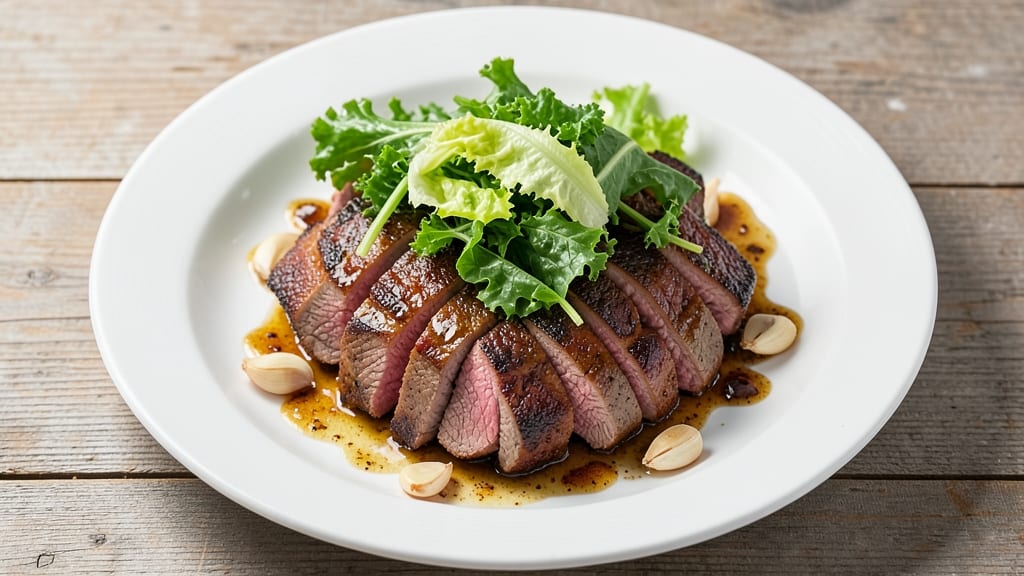
This beef and greens recipe delivers a restaurant-quality meal where tender, smoky beef meets perfectly wilted kale in a single pan.
The secret lies in slow-roasting the beef with garlic and spices until it's fork-tender, then finishing it with a burst of smoky flavor that transforms tough cuts into melt-in-your-mouth perfection.
What makes this dish special is how the beef and greens work together—juicy, caramelized beef paired with vibrant, slightly bitter kale that softens just enough to soak up every bit of flavor.
The process is straightforward but packed with flavor: sear the beef first for a deep, caramelized crust, then slow-roast it until it's falling apart. Meanwhile, the kale wilts down into a rich, earthy side that balances the richness of the beef.
This isn't just a meal—it's a technique that turns simple ingredients into something extraordinary, all while keeping prep and cleanup manageable.
By the time you serve this dish, you'll have a plate that looks as impressive as it tastes—golden, smoky beef slices piled over a bed of wilted greens, all drizzled with a touch of garlic-infused oil.
The aroma alone will have everyone at the table anticipating the first bite, and the flavors will keep them coming back for seconds. Perfect for a cozy weeknight dinner or a special occasion, this recipe proves that a complete, balanced meal can be both elegant and effortless.
Whether you're feeding a family or treating yourself to a satisfying solo meal, this beef and greens dish delivers on every level. The beef stays juicy and tender, the kale becomes irresistibly soft, and the smoky garlic flavor ties it all together.
Here's how to make it happen in your kitchen.
Ingredients for beef and greens
Restaurant-quality beef and greens starts with these 14 ingredients—simple but powerful.
| Ingredient | Amount | Notes |
|---|---|---|
| Beef Chuck Roast 🥩 | 2 lb | Tough cut, marbled for tenderness |
| Garlic Cloves 🧄 | 8 cloves | Fresh, peeled, smashed for flavor |
| Smoked Paprika 🌶️ | 1 tbsp | For that smoky depth |
| Ground Black Pepper 🌶️ | 1 tbsp | Freshly cracked for bite |
| Kosher Salt 🧂 | 1 ½ tsp | Diamond Crystal preferred |
| Extra-Virgin Olive Oil 🫒 | ½ cup | For searing and basting |
| Balsamic Vinegar 🍷 | 1 tbsp | For finishing touch |
| Fresh Kale 🥬 | 1 lb | Stems removed, chopped |
| Red Wine 🍷 | ½ cup | Bold dry variety like Cabernet |
| Beef Broth 💧 | 1 cup | Low-sodium preferred |
| Fresh Rosemary 🌿 | ½ oz | Chopped, for aroma |
| Fresh Thyme 🌿 | ¼ oz | Leaves only, finely chopped |
| Red Onion 🧅 | 1 whole | Thinly sliced for garnish |
| Fresh Lemon 🍋 | 1 whole | Juiced for brightness |
The beef is everything here. Chuck roast is your secret weapon—it's tougher than sirloin but melts when cooked low and slow. Grab it from the butcher section if you can, or the meat department at Whole Foods or Costco for the best quality. Look for good marbling (those white fat streaks) and avoid anything that smells off. I always buy mine a day ahead and let it sit at room temp for 30 minutes before cooking—helps the spices cling better. The kale? Organic is worth it if you can swing it, but any fresh kale works. Just make sure the leaves are crisp and vibrant, not wilted or yellowing.
No red wine? Beef broth with a splash of balsamic works just as well—trust me, no one will miss it. Fresh rosemary and thyme are ideal, but dried at half the amount gets you close in a pinch. The garlic can be roasted ahead of time (toss whole cloves on a baking sheet at 400°F for 10 minutes) for a sweeter flavor—worth the extra minute. If you're short on time, regular minced garlic is fine, but roasted takes this dish to the next level. The balsamic vinegar? Trader Joe's brand is my go-to—cheap, good quality, and lasts forever. For the olive oil, don't skimp. California Olive Ranch or Bertolli are solid choices that won't break the bank.
This dish tastes even better the next day—honestly, the flavors meld together like magic. Store leftovers in an airtight container in the fridge for up to 4 days, or freeze for 3 months if you're planning ahead. I like to portion mine into containers so I can grab it for lunches all week. The kale keeps well too, but wash it just before using so it stays crisp. If you make extra beef, slice it thin and use it for sandwiches or tacos later. The broth-based sauce freezes beautifully, so you can make a double batch and save half for next time.
Why You'll Love This Recipe
- I’ll be real: this feeds my family for days. The beef stays juicy, the greens hold up, and honestly? I’d rather eat this cold the next day than sad takeout. (Yes, even on a Tuesday night.)
- One-Pot Magic: I swear by this—dump everything in one pot, walk away, and come back to perfectly tender beef that falls apart with a fork. No fancy searing, no braising pan—just a slow simmer and that rich, smoky depth from the paprika.
- Smoky Garlic Bomb: Between us, the garlic and smoked paprika combo is ridiculously addictive. The roast soaks up all the flavor, while the greens (collards, kale, whatever you grab) get that deep, caramelized bite—like a hug in a bowl.
- Leftovers That Lie: I’ll be real: this feeds my family for days. The beef stays juicy, the greens hold up, and honestly? I’d rather eat this cold the next day than sad takeout. (Yes, even on a Tuesday night.)
Step-by-step instructions for smoky garlic roast with wilted kale
Here's how to transform tough beef into melt-in-your-mouth perfection paired with vibrant greens.
Season and Sear the Beef Chuck Roast
Pat the 2 lb beef chuck roast dry with paper towels—this is non-negotiable for crispy edges. In a small bowl, mix together the 1 tbsp smoked paprika, 1 tbsp ground black pepper, and 1.5 tsp kosher salt. Rub this generously all over the roast, pressing it into the meat so it sticks. Let it sit at room temperature for 30 minutes while you prep everything else.
Heat a large Dutch oven over medium-high heat. Add the 0.5 cup extra-virgin olive oil and let it get hot but not smoking. Place the roast fat-side down and sear for 5-6 minutes until a deep golden crust forms. Flip carefully and sear the other side for another 4-5 minutes. You want that fat to render and create a flavorful crust—this is where all the magic starts.
Build the Smoky Garlic Wine Sauce
Remove the roast from the pot and set it aside on a plate. In the same Dutch oven, add the 8 smashed garlic cloves and cook for 30 seconds until fragrant—don't let them burn. Pour in the 0.5 cup red wine and scrape up all those delicious browned bits from the bottom with a wooden spoon. Let it simmer for 3-4 minutes until reduced by half.
Add the 1 cup beef broth, chopped 0.5 oz fresh rosemary, and 0.25 oz fresh thyme. Bring to a gentle simmer and let it cook uncovered for 10 minutes. The sauce should reduce slightly and develop a rich, aromatic depth. Taste and adjust seasoning with more salt if needed—this is your flavor foundation.
Slow Cook the Roast to Tenderness
Return the roast to the Dutch oven, fat-side up, and cover tightly with the lid. Transfer to a preheated 325°F oven and cook for 2 to 2.5 hours, depending on your preference. I like mine fork-tender but still with a bit of bite—check at the 2-hour mark. The roast is done when it reaches an internal temperature of 195-205°F and a fork slides in easily.
Here's the thing—don't skip the slow cook. This is what transforms tough beef into melt-in-your-mouth perfection. The fat renders slowly, basting the meat constantly. If you're worried about drying out, don't be—the tight lid keeps moisture trapped. The roast will actually rise in temperature a few degrees after resting, so pull it out when it's just shy of your target.
Wilt the Kale and Finish the Sauce
While the roast rests, heat a large skillet over medium heat. Add the 1 lb chopped fresh kale (stems removed) and cook for 3-4 minutes until just wilted—it should still have a vibrant green color. Add the thinly sliced 1 whole red onion and cook for another 2 minutes until softened but not browned. Remove from heat and squeeze in the juice of the 1 whole fresh lemon.
Return the roast to the Dutch oven with the sauce and let it soak up those flavors for 5 minutes. The residual heat will help the roast absorb all that delicious liquid. Skim off any excess fat from the sauce if needed, then stir in the 1 tbsp balsamic vinegar. This final touch adds a bright, tangy contrast that cuts through the richness of the beef.
Rest and Serve with Confidence
Transfer the roast to a cutting board and let it rest for 10-15 minutes before slicing. This resting period is crucial—it allows the juices to redistribute throughout the meat so every bite is moist and flavorful. While it rests, spoon the sauce over the wilted kale and onions, tossing gently to combine.
Slice the roast against the grain into ¼-inch thick pieces. The meat should be fork-tender with a beautiful crust, and the sauce should coat the greens perfectly. Serve the sliced beef over the kale mixture, drizzling any remaining sauce from the Dutch oven on top. Each bite delivers that perfect balance of smoky, garlicky beef with bright, slightly bitter greens—a match made in flavor heaven.
Pro Tips For Making Beef And Greens
- SEAR THE ROAST FIRST: I learned this the hard way—skipping the sear means flavorless beef. Hit that chuck roast with a hot pan until it’s deep brown on all sides before adding anything else. The crust locks in juices and carries the smoked paprika’s depth straight to your plate.
- SMASH THOSE GARLIC CLOVES: Whole garlic cloves? Too polite. Peel them, then smash each one with the flat side of your knife before tossing into the pan. This releases more flavor faster—no waiting for them to soften into oblivion. (Yes, even if you’re impatient like me.)
- SALT THE MEAT TWICE: Don’t just sprinkle salt once. Start with a heavy dry rub of kosher salt before searing, then add another layer mid-cook when you flip. This guarantees seasoning reaches the center, not just the surface. Your future self will notice the difference.
- USE A MEAT THERMOMETER: Guessing doneness with chuck roast is how you end up with chewy, overcooked beef. Pull it at 195°F internal temp—it’ll rest and hit 160°F easily. No more dry, sad meat; just tender, pull-apart perfection. (I know, I know, but trust the process.)
Regional styles of these flavors
Southern Soul
In the American South, beef and greens often take the form of slow-cooked pot roast paired with collard greens simmered in vinegar and spices. The key difference?
Instead of kale, you'll find collard greens or mustard greens, cooked down with apple cider vinegar, brown sugar, and hot sauce for a sweet-and-tangy profile. I love adding smoked sausage to the pot for extra depth—just slice it up and brown it with the beef.
The greens should be tender but still hold their shape, not mushy. Serve with buttery cornbread on the side for the ultimate Southern comfort meal. 🍽️
Italian Rustic
For an Italian twist, think braised beef short ribs with sautéed Swiss chard and sun-dried tomatoes. The beef gets a rich, wine-based braise with rosemary, garlic, and white wine, while the chard wilts in garlic-infused olive oil with a squeeze of lemon.
The Italians would serve this with creamy polenta or crusty bread to soak up the juices. I often add Pecorino Romano to the greens at the end for a salty, umami kick that cuts through the richness of the beef.
The secret here is low and slow—never rush the braise, or the meat will turn tough. 🌿
Caribbean Fusion
Bring the flavors of the Caribbean to your table with beef patties (like Jamaican-style beef patties) served over steamed callaloo or spinach.
The patties get their signature flavor from scotch bonnet peppers, allspice, and ginger, while the greens steam in coconut milk with thyme and garlic. For extra authenticity, serve with festival (a sweet, spiced bread) or fried plantains.
The heat from the patties balances the creamy, earthy greens perfectly. I like to add a sprinkle of lime zest at the end for that bright, tropical finish. 🌶️
Midwest Homestyle
In the heartland, beef and greens often means beef stew with cabbage and carrots—think of it as a hearty, one-pot meal.
The beef (often chuck or brisket) cooks low and slow with beef broth, carrots, and onions, while the cabbage and carrots soften into the broth. The greens here are cabbage leaves, which add a mild, slightly sweet flavor.
I always include a bay leaf and a splash of Worcestershire sauce for depth. This dish is all about comfort food—perfect for cold nights when you need something warm and filling. Serve with crusty bread to mop up every last drop of that savory broth. 🍲
Modern Twist
For a contemporary take, try beef short ribs with roasted Brussels sprouts and balsamic glaze. The ribs get a dry rub of coffee grounds, brown sugar, and smoked paprika, then roasted until caramelized.
Meanwhile, the Brussels sprouts roast with honey, balsamic vinegar, and thyme until crispy at the edges. The contrast of smoky, sweet ribs with tangy, caramelized sprouts is pure flavor magic. I like to finish with crumbled blue cheese and toasted walnuts for texture.
This version is all about bold flavors and textural contrasts—perfect for impressing dinner guests. ✨
Nutrition facts
Frequently asked questions
Can I substitute chuck roast with another beef cut?
For a quicker cook, use beef short ribs (braise for 2 hours) or flank steak (sliced thin and seared 3-4 minutes per side). For maximum tenderness, brisket works well but requires 4-5 hours of slow cooking. Avoid lean cuts like sirloin—they'll dry out during the long cook.
What if I don't have red wine?
No problem! Use beef broth with 1 tbsp balsamic vinegar for depth, or swap for dry white wine (like Sauvignon Blanc). For a non-alcoholic version, mix ½ cup broth + 1 tbsp apple cider vinegar. The key is acidity—it brightens the dish and prevents blandness.
How do I make this dish ahead of time?
Cook the beef completely, then refrigerate in the sauce for up to 4 days. Reheat gently in the Dutch oven with 2 tbsp water over low heat. For the greens, wilt them fresh before serving—they lose texture when reheated. Pro tip: Freeze the cooked beef (without greens) for 3 months and thaw overnight in the fridge.
Can I use frozen kale instead of fresh?
Yes, but thaw and drain it first! Frozen kale works well but can be watery. Pat it completely dry with paper towels before cooking to prevent a soggy texture. For best results, use ½ lb frozen kale (it'll shrink more than fresh). Add it to the pan 1 minute earlier than fresh to avoid overcooking.
What's the best way to serve this dish?
Pile the sliced beef over the wilted greens and drizzle with extra sauce. For a complete meal, serve with crusty bread or mashed potatoes to soak up the juices. Garnish with fresh parsley and a squeeze of lemon for brightness. For a heartier plate, add toasted breadcrumbs or crumbled feta on top.