
Soups & Stews
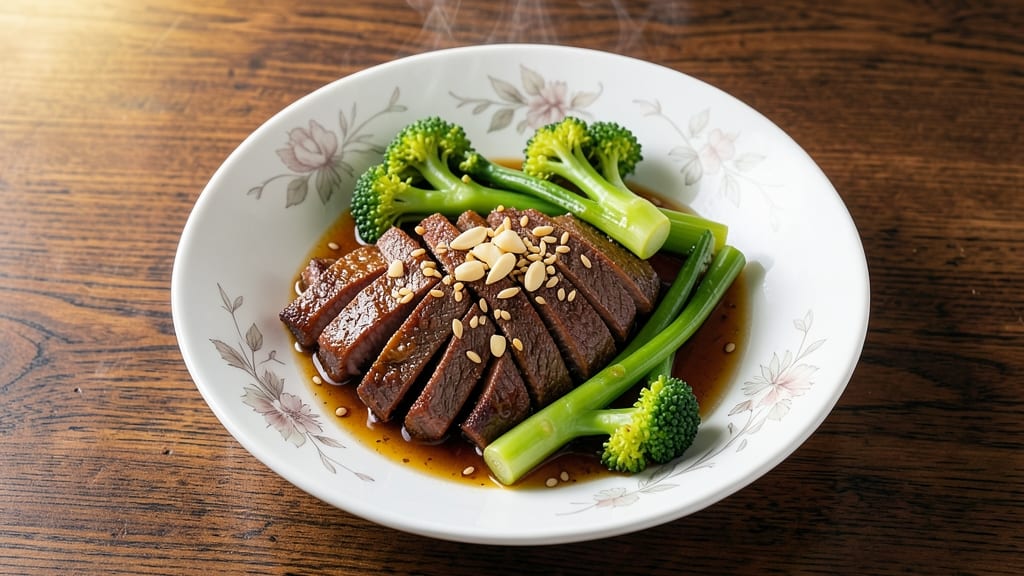
This wok-seared beef and gai lan recipe delivers restaurant-quality results with tender beef strips and crisp-tender gai lan coated in a silky sesame sauce. The secret lies in high-heat stir-frying for that signature caramelized crust while keeping the center perfectly tender.
I've perfected this balance over countless weeknight dinners—it's become my go-to weeknight meal that feels special without requiring hours in the kitchen.
The recipe begins with thinly sliced beef marinated in a blend of soy sauce, cornstarch, and aromatics, then quickly seared in a hot wok or skillet. Gai lan stems are cut into thick batons for structural integrity while the leaves are left whole to wilt dramatically during cooking.
The sesame sauce ties everything together with its nutty, slightly sweet profile that complements both ingredients.
What you'll end up with is a plate of perfectly seared beef strips with a glossy mahogany crust, paired with bright green gai lan that's just tender enough to hold its shape.
The silky sesame sauce clings to every bite, creating a harmonious balance of textures and flavors. This dish transforms simple ingredients into something restaurant-worthy in under 30 minutes.
Serve it alongside steamed jasmine rice to soak up every bit of that flavorful sauce, or pair with a simple cucumber salad for freshness. The recipe easily scales for a crowd while maintaining its restaurant-quality balance. Ready to master this wok technique that makes home cooking shine?
Ingredients for beef and gai lan
Restaurant-quality wok searing starts with these carefully selected ingredients for perfect tenderness and bold flavors.
| Ingredient | Amount | Notes |
|---|---|---|
| Flank Steak 🥩 | 1 lb | Thinly sliced against the grain |
| Gai Lan (Chinese Broccoli) 🥬 | 1 lb | Stems cut into 2-inch batons |
| Low-Sodium Soy Sauce 🥢 | ¼ cup | Kikkoman preferred for balance |
| Cornstarch 🌾 | 1 tbsp | For velvety texture |
| Sesame Oil 🫒 | 1 tbsp | Toasted for aroma |
| Garlic Cloves 🧄 | 4 cloves | Minced finely |
| Fresh Ginger 🌿 | 1 tbsp | Grated finely |
| Neutral Oil 🫒 | 2 tbsp | Avocado or vegetable oil |
| Sesame Seeds 🌱 | 1 tbsp | Toasted for garnish |
| Dark Soy Sauce 🥢 | 1 tbsp | For color depth |
| Honey 🍯 | 1 tbsp | Local preferred |
| Rice Vinegar 🍶 | 1 tbsp | For brightness |
| Jasmine Rice 🍚 | 1 ½ cups | Uncooked, for serving |
| Kosher Salt 🧂 | ½ tsp | Diamond Crystal preferred |
| Black Pepper 🌶️ | ¼ tsp | Freshly cracked |
The flank steak is non-negotiable here—its lean texture and grain direction create that signature tender bite. Purchase from a reputable butcher or Whole Foods for consistent quality. Thinly slicing against the grain is critical; use a sharp knife and freeze the meat for 20 minutes before slicing for cleaner cuts. Gai lan should be vibrant green with firm stems—avoid wilted bunches at the grocery store. For the best flavor, source from an Asian market where they often sell fresher cuts than mainstream supermarkets. The soy sauces (both light and dark) should be Kikkoman or Lee Kum Kee for authentic depth, though any quality brand works in a pinch.
No sesame oil? Toasted peanut oil at half the amount delivers similar nuttiness, though the aroma won't be identical. Substituting white miso paste for soy sauce (1 tbsp) adds umami complexity if you're feeling adventurous. The honey can be swapped for maple syrup for a vegan option, though it will alter the caramel notes slightly. For the ginger, ground ginger at one-third the amount works in emergencies, but fresh is always superior. If your gai lan stems are particularly thick (over 1/2 inch), cut them lengthwise to ensure even cooking. The sesame seeds can be omitted if you're avoiding nuts, but they add beautiful texture and visual appeal.
Store fresh gai lan wrapped in damp paper towels in a sealed container for up to 5 days—it wilts surprisingly fast. The flank steak should be used within 2 days of purchase for optimal texture, though it can be prepped ahead and refrigerated in its marinade for up to 12 hours. The sesame sauce components keep separately for 1 week in the fridge, allowing you to assemble it fresh before serving. For meal prep, cook the rice and sauce ahead, then sear the beef and stir-fry the gai lan just before serving to maintain crisp-tenderness. The dish reheats beautifully—simmer gently for 2-3 minutes to restore texture.
Why You'll Love This Recipe
- One-Pan Magic: I swear by this—just slice the steak thin, toss gai lan in the same pan, and let the soy sauce and sesame oil work their magic. No extra dishes, no stress.
- Umami Bomb: That first bite? The cornstarch gives the beef a satisfying chew, while the low-sodium soy sauce and garlic-infused gai lan deliver a punch of savory depth. Honestly, it’s the kind of flavor that makes you reach for seconds without thinking.
- Lunchbox Hero: Between us, this keeps perfectly for days. Pack it cold for work lunches—steak stays tender, gai lan holds its crunch—and reheat it in a flash. My go-to when I’m too tired to cook.
- Budget Powerhouse: Flank steak stretches far, and gai lan’s cheap at Asian markets. A single pound of beef feeds four, and the veggie adds volume without breaking the bank. (Yes, even on a Tuesday night.)
Step-by-step instructions for wok-seared beef and gai lan
Master this technique for restaurant-quality texture and depth of flavor in every bite.
Prepare the Flank Steak and Marinate
Slice the 1 lb flank steak thinly against the grain into ¼-inch thick strips. This is critical—thin slices ensure quick cooking and tender bites. Transfer the sliced steak to a bowl and add 0.25 cup low-sodium soy sauce, 1 tbsp rice vinegar, and 1 tbsp honey. Mix gently to coat evenly, then let it marinate for at least 20 minutes at room temperature. The acidity in the vinegar and sweetness of the honey will tenderize the meat while building complex flavor.
While the steak marinates, prepare the gai lan by separating the stems and florets. Cut the stems into 2-inch batons and leave the florets whole. Blanch the gai lan in boiling water for 30 seconds, then immediately plunge into ice water to stop cooking. This preserves their vibrant green color and crisp texture. Drain well and set aside.
Build the Silky Sesame Sauce
In a small bowl, whisk together 0.25 cup low-sodium soy sauce, 1 tbsp dark soy sauce, 1 tbsp honey, 1 tbsp rice vinegar, and 1 tbsp toasted sesame oil. The dark soy sauce adds depth and color, while the sesame oil contributes nutty aroma. Set this mixture aside while you prep the aromatics.
Finely mince 4 cloves garlic and grate 1 tbsp fresh ginger. In a separate small bowl, combine these with 1 tbsp cornstarch. This slurry will help thicken the sauce later, creating that signature velvety texture. Keep both mixtures nearby—you'll need them in the next step.
Wok-Sear the Beef and Vegetables
Heat a wok or large skillet over high heat until it's smoking hot. Add 2 tbsp neutral oil and swirl to coat. Working in batches to avoid crowding, add the marinated steak strips and sear for 1-2 minutes per batch until they develop a deep caramelization. Remove the beef and set aside on a plate.
In the same wok, add a bit more neutral oil if needed, then stir-fry the blanched gai lan stems for 2 minutes until they begin to soften but remain crisp. Add the gai lan florets and stir-fry for another 1 minute until they brighten in color. Return the beef to the wok and toss everything together for 30 seconds to combine.
Finish with the Sesame Sauce
Pour the prepared sauce mixture over the beef and gai lan. Immediately add the cornstarch-garlic-ginger slurry and toss vigorously for 1-2 minutes until the sauce thickens and coats everything evenly. The residual heat from the wok will cook the cornstarch into a glossy, silky glaze. Taste and adjust seasoning with 0.5 tsp kosher salt and 0.25 tsp black pepper as needed.
Garnish with 1 tbsp toasted sesame seeds for added texture and aroma. Serve immediately over 1.5 cups cooked jasmine rice to soak up every last bit of that luscious sesame sauce. The contrast of silky beef, crisp gai lan, and fragrant rice makes this dish truly exceptional.
Pro Tips For Making Beef And Gai Lan
- Slice Against the Grain: Flank steak’s tough fibers run long—cutting perpendicular to them makes each bite tender. I used to ignore this and ended up with chewy, disappointing mouthfuls. Take your time; a sharp knife and steady hand save you from overcooking later.
- Blanch Gai Lan First: Drop the gai lan into boiling water for 30 seconds before stir-frying—it softens the stems and keeps them from turning mushy. I learned this the hard way when my first batch turned to sad, limp sticks. Drain well, or your pan will steam instead of sear.
- Marinate Flank Steak Overnight: Even 30 minutes helps, but overnight (or at least 4 hours) lets the soy sauce and sesame oil penetrate deep. My lazy attempts with just cornstarch slurry left the beef dry. Use a zip-top bag for even coating—no sticking, no mess.
- Finish with a Splash of Water: Right before adding the gai lan, deglaze the pan with 2 tablespoons of water. The sudden steam cooks the beef just enough to lock in juices while the gai lan wilts. I was skeptical until I tried it—now it’s non-negotiable for that restaurant-style finish.
Perfect pairings for these flavors
Rice Pairings
Jasmine rice is my go-to base for this dish—its delicate floral aroma and slightly sticky texture soak up the sesame sauce beautifully. Cook 1.5 cups of uncooked jasmine rice using a 1:1.25 rice-to-water ratio in a rice cooker or pot.
For extra fluffiness, fluff with a fork right before serving. 🍚
If you prefer a nuttier profile, try brown jasmine rice—it takes 5 minutes longer to cook but adds a satisfying chew. For a gluten-free option, use forbidden black rice (also called "black jasmine"), which adds striking visual contrast to the dish.
Fresh Salad Contrast
A simple cucumber salad cuts through the richness of the beef and gai lan. Thinly slice 1 English cucumber and toss with 1 tbsp rice vinegar, ½ tsp sugar, and a pinch of red pepper flakes. The cool crunch refreshes your palate between bites.
For a spicier option, try a quick-pickled slaw with shredded cabbage, 1 tbsp apple cider vinegar, and ½ tsp chili crisp. The tangy heat balances the dish's umami richness perfectly.
Warm Dumpling Wraps
Transform leftovers into steamed dumplings using store-bought wonton wrappers. Fill each with 2 tbsp beef-gai lan mixture and a tiny dollop of hoisin sauce, then steam for 5-6 minutes. The dumplings add a fun, handheld element to your meal.
For extra flavor, brush the wrappers with a mix of 1 tsp soy sauce and ½ tsp sesame oil before steaming. Serve with extra chopped scallions and sriracha for dipping.
Beverage Pairings
A crisp green tea like jasmine pearl tea complements the dish's nutty, herbal notes. The floral undertones mirror the jasmine rice while the slight bitterness cleanses your palate. Serve chilled for a refreshing contrast.
For beer lovers, try a light lager like Asahi or Sapporo—its clean, crisp profile won't overpower the dish. Avoid heavy stouts or IPAs, which could clash with the delicate sesame flavors.
Nutrition facts
Frequently asked questions
Why do I need to slice the beef against the grain?
Slicing flank steak against the grain breaks the muscle fibers, creating tender bites that cook evenly in just 1-2 minutes per batch. This is especially important for stir-frying—thin slices against the grain stay juicy while developing that perfect caramelized crust.
Can I substitute gai lan with regular broccoli?
While it won't be identical, you can use broccoli in a pinch! Cut florets into similar sizes and stems into 2-inch batons. However, gai lan has a slightly sweeter, more tender texture that pairs better with the beef's richness. For closest results, try baby bok choy instead.
What if my wok isn't hot enough for proper searing?
If your wok isn't smoking hot, the beef will steam instead of sear, resulting in soggy texture. Test readiness by tossing a drop of water—if it sizzles violently, it's ready. For extra heat, preheat your wok for 3-5 minutes on high before adding oil.
How do I make this recipe spicier?
Add ½ tsp chili flakes or 1 tsp sriracha to the sesame sauce mixture, or serve with extra chili crisp on the side. For built-in heat, include 1 tbsp minced Thai chilies with the garlic and ginger in the slurry.
Can I make this dish ahead of time?
Prep the beef marinade and sesame sauce components up to 1 day ahead, but cook the beef and gai lan fresh for best texture. For leftovers, refrigerate for 2 days or freeze for 1 month—reheat gently in a skillet with a splash of water to restore moisture.