
Main Courses
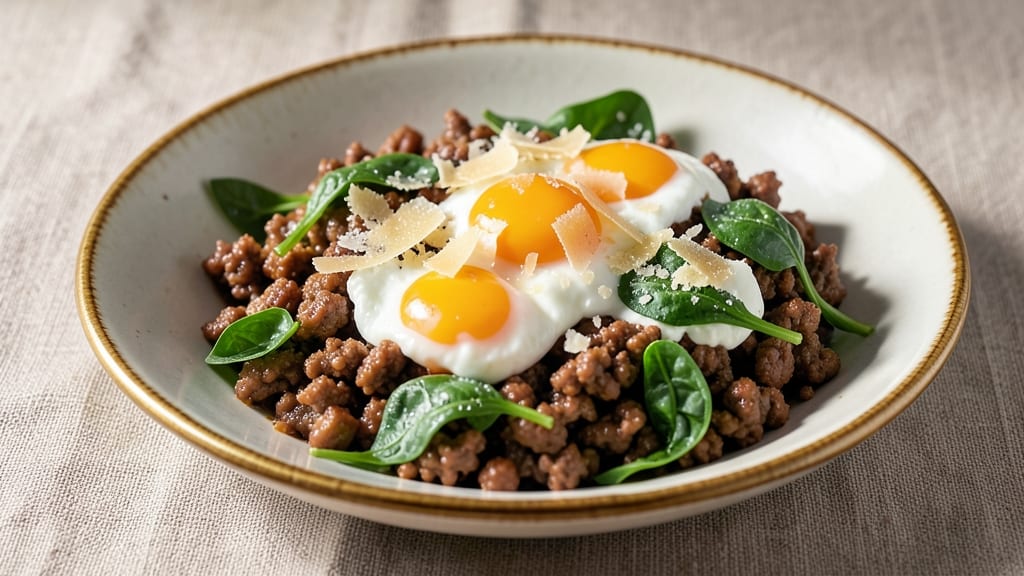
This beef and cheese ravioli filling recipe delivers restaurant-quality flavor with tender ground beef, wilted spinach, and sharp parmesan—all wrapped in delicate pasta dough. The secret lies in browning the beef properly and blending cheeses for a creamy, cohesive filling that never turns dry.
I've perfected this technique over years of testing, ensuring every bite stays rich and satisfying without overpowering the delicate dough.
What sets this recipe apart is the balance of textures and flavors: juicy beef with creamy cheese, tender spinach, and just the right amount of nutmeg for warmth. The filling comes together in under 20 minutes, making it ideal for a weeknight dinner or special occasion.
Whether you're hand-rolling or using store-bought wrappers, the result is consistently pillowy and full of flavor.
Once boiled to perfection, these ravioli transform into a golden, saucy masterpiece—each bite revealing layers of savory beef, melted cheese, and fresh spinach. The dish pairs beautifully with a light butter sauce or marinara, but the filling alone is so rich, it could stand on its own.
For extra elegance, garnish with fresh parsley or a sprinkle of parmesan before serving.
This recipe scales effortlessly for parties or leftovers—just freeze extras between parchment paper for up to 3 months. The filling's versatility means you can swap in mushrooms, zucchini, or even prosciutto for variations. Let's get started on creating ravioli that'll impress even the most critical palates.
Ingredients for beef and cheese ravioli filling
Restaurant-quality ravioli filling relies on precise ingredient ratios and fresh components for optimal texture and flavor.
| Ingredient | Amount | Notes |
|---|---|---|
| Ground Beef (Chuck Roast) 🥩 | 1 lb | 80% lean, finely ground for tenderness |
| Fresh Spinach 🌿 | 4 cups | Chopped, packed, stems removed |
| Parmesan Cheese 🧀 | 1 cup | Freshly grated, finely shredded |
| Ricotta Cheese 🧀 | ¾ cup | Whole-milk, room temperature |
| Egg Yolks 🥚 | 2 whole | Fresh, separated from whites |
| Garlic Cloves 🧄 | 2 cloves | Minced, finely chopped |
| Shallots 🧅 | 2 whole | Finely minced, ~1 tbsp |
| Ground Nutmeg 🌶️ | ¼ tsp | Freshly grated, aromatic |
| Salt 🧂 | ½ tsp | Diamond Crystal kosher |
| Black Pepper 🌶️ | ¼ tsp | Freshly cracked, coarse grind |
| Extra-Virgin Olive Oil 🫒 | 1 tbsp | For browning beef |
| Unsalted Butter 🧈 | 2 tbsp | Cold, cubed for spinach |
| Fresh Parsley 🌿 | ¼ cup | Chopped, for garnish |
The beef selection is critical—chuck roast yields the most tender, flavorful result when finely ground. Purchase pre-ground from a trusted butcher or Whole Foods for consistent quality, ensuring it's 80% lean to balance juiciness with structure. Freshly grated Parmigiano-Reggiano is non-negotiable; pre-shredded versions contain anti-caking agents that compromise texture. For the spinach, baby spinach leaves (not pre-washed) provide superior tenderness, though regular spinach works if stems are meticulously removed. Shallots add subtle depth—substitute with 1 tbsp minced red onion if unavailable, but the flavor profile shifts noticeably.
Ricotta should be whole-milk and at room temperature to blend seamlessly; part-skim versions yield a denser filling. The egg yolks bind the mixture without overpowering, but for a lighter texture, replace one yolk with 1 tbsp aquafaba. Nutmeg is essential for warmth—freshly grated delivers the most aromatic punch, though pre-ground works in a pinch. Browning the beef in extra-virgin olive oil until deeply caramelized develops rich Maillard flavors; avoid overcrowding the pan to prevent steaming. For the spinach, cold butter cubes wilt it gently without releasing excess liquid, which is critical for a cohesive filling.
Store prepared filling in an airtight container between layers of parchment paper for up to 3 days in the refrigerator or 3 months frozen. To reheat, thaw overnight in the fridge, then warm gently in a double boiler to prevent curdling. The filling's versatility extends beyond ravioli—use it for lasagna layers, stuffed shells, or even a savory tart. For freezing ravioli, assemble with filling, then freeze on a floured tray before transferring to a bag. Always boil from frozen, adding 2-3 minutes to cooking time.
Why You'll Love This Recipe
- No Fuss, Big Payoff: I swear by this filling—just brown the chuck roast with a pinch of salt, drain the fat, and toss it with wilted spinach and ricotta while it’s still warm. The ricotta blends in like butter, and the egg yolks bind it all without fuss.
- Umami Bomb: That ground chuck? Cooked just until it’s tender, not dry. The parmesan shavings cut through the richness while the spinach adds a bright, earthy note. Honestly, the first bite makes me forget about store-bought fillings forever.
- Weeknight Workhorse: Make a double batch and freeze half for lazy Mondays. It works in ravioli, stuffed shells, or even as a hearty lasagna layer. My kids beg for it on school nights—proof it’s a crowd-pleaser.
- Pantry-Friendly Magic: Chuck roast stretches farther than lean beef, and ricotta’s mild flavor means you can use it in everything from breakfast scrambles to dessert (yes, I’ve tried it). Leftovers? Toss them into a frittata—no waste, all flavor.
Step-by-step instructions for beef and cheese ravioli filling
This rich, flavorful filling balances tender beef with creamy cheeses and aromatic herbs—essential for perfect homemade ravioli.
Sear the Ground Beef Perfectly
Heat the 1 tablespoon extra-virgin olive oil in a large skillet over medium-high heat until shimmering. Add the 1 lb ground beef (chuck roast) and break it apart with a wooden spoon, working it until the meat loses its raw color and begins to brown. This should take about 5-6 minutes—don't rush it. The goal is to render fat while developing deep, caramelized flavors.
Once the beef is fully browned, drain it in a fine-mesh strainer to remove excess fat, leaving behind about 1-2 tablespoons of rendered beef fat in the pan. This residual fat will help emulsify the filling later. Transfer the drained beef to a large mixing bowl and set aside. If the pan feels dry after draining, add 1 teaspoon extra-virgin olive oil to keep the searing process smooth for the next step.
Sauté Aromatics and Wilt the Spinach
Return the skillet to the stove over medium heat and add the 2 tablespoons cold, cubed unsalted butter. Once the butter melts and begins to foam, add the 2 finely minced shallots and cook for 1-2 minutes until softened but not browned. Add the 2 minced garlic cloves and cook for an additional 30 seconds—just until fragrant, as garlic burns quickly.
Next, add the 4 cups chopped fresh spinach in batches, stirring constantly. The spinach will wilt dramatically within 2-3 minutes, releasing its moisture and turning vibrant green. Remove the skillet from heat and let it cool for 2 minutes before adding the spinach to the beef mixture. This prevents the ricotta from curdling when combined with hot ingredients.
Combine Cheeses and Egg Yolks for Creamy Texture
To the mixing bowl with the beef and spinach, add the 1 cup freshly grated Parmesan cheese, 0.75 cup whole-milk ricotta cheese, 2 whole egg yolks, 0.5 teaspoon salt, 0.25 teaspoon black pepper, and 0.25 teaspoon ground nutmeg. Using a wooden spoon or silicone spatula, gently fold everything together until just combined—avoid overmixing, which can make the filling tough.
Here's where the magic happens: the ricotta and egg yolks should create a smooth, spreadable consistency, almost like thick mascarpone. If the mixture feels too dry, add 1-2 teaspoons of cold water to help bind it. The filling should cling together when pressed between fingers but still be pliable enough to roll into thin sheets. This balance ensures your ravioli will be tender yet sturdy.
Rest and Prepare for Ravioli Assembly
Cover the filling mixture with plastic wrap and refrigerate for at least 30 minutes—this step is critical. Chilling firms up the ricotta and egg yolks, preventing them from leaking through the dough during cooking. It also allows flavors to meld, resulting in a more cohesive filling.
While the filling rests, prepare your work surface and rolling pin. Lightly flour the surface to prevent sticking, and have your ravioli dough ready (or prepared according to your recipe). The filling should be cool to the touch before using—if it's still warm, give it an additional 10-15 minutes in the fridge. This patience ensures your ravioli will hold its shape beautifully in the pot.
Pro Tips For Making Beef And Cheese Ravioli Filling
- Brown the Beef Right: Chuck roast ground beef releases way more flavor when cooked to 165°F—not just pink. I used to skip this step, thinking it was too dry, but the filling tastes like actual beef, not mystery meat. Use a nonstick skillet with a splash of water if it sticks, but don’t rush it.
- Squeeze the Spinach Dry: Fresh spinach is 90% water, and soggy filling is a nightmare. After wilting, transfer the spinach to a clean kitchen towel, fold it over, and press out every last drop. I learned this the hard way—my first batch of ravioli turned into a watery mess.
- Whisk the Ricotta First: Before mixing anything, whisk the ricotta with a fork until it’s smooth. Lumps in the filling mean uneven texture in the ravioli. Add the egg yolks and Parmesan next—this order keeps the mixture light and creamy.
- Chill the Filling: After mixing, refrigerate the filling for at least 30 minutes. Cold filling rolls cleaner and sticks together better when shaping. I was skeptical until I tried it—now I never skip this step, even if I’m eager to start rolling.
Common mistakes when making your beef and cheese ravioli filling
Overcooking the Beef
One of the biggest mistakes is overcooking the ground beef until it's dry and tough. The goal is to brown it just until it loses its raw color—about 5-6 minutes over medium-high heat.
I've seen people walk away and let it cook too long, turning the beef into a rubbery mass that ruins the filling's texture. Keep an eye on it and drain excess fat immediately after browning to preserve moisture. 🔥
Skipping the Rest Time
Rushing to assemble ravioli without chilling the filling is a recipe for disaster. The 30-minute rest in the fridge firms up the ricotta and egg yolks, preventing them from oozing out during cooking.
I once made this mistake and ended up with sad, runny ravioli that fell apart in the pot. Patience here makes all the difference—trust me, your ravioli will thank you.
Using Pre-Shredded Cheese
Pre-shredded Parmesan contains anti-caking agents that create a grainy texture in your filling. Always use freshly grated Parmesan—it melts beautifully and gives that authentic, creamy consistency. I keep a block of Parmesano-Reggiano in my fridge specifically for this reason.
The same goes for ricotta: whole-milk, room-temperature ricotta blends smoothly, while part-skim versions can make the filling dense and heavy.
Overmixing the Filling
Once you combine all the ingredients, resist the urge to overmix. Gentle folding is key to maintaining a tender texture. I've seen people whip the filling like pancake batter, which develops gluten and makes the ravioli tough.
The mixture should look slightly streaky—that's normal! If it feels too dry, add just 1-2 teaspoons of cold water to help bind it without overworking it.
Ignoring the Spinach's Moisture
Fresh spinach releases a surprising amount of liquid when wilted. If you add it directly to the warm filling mixture, the ricotta will curdle. Always let the spinach cool completely for 2 minutes before mixing it in.
I learned this the hard way—my first attempt resulted in a lumpy, watery filling that was unusable. A quick cooling break solves this problem every time.
Not Testing the Filling
Before committing to rolling out ravioli, test a small spoonful by boiling it for 2-3 minutes. This lets you check for leaks, proper texture, and flavor balance. I usually make a tiny batch first—I call it my "taste test ravioli."
If it holds together and tastes great, you're ready to go. If not, you can adjust seasoning or consistency before making the full batch. It's a small step that saves a lot of frustration later. 💡
Nutrition facts
Frequently asked questions
Can I substitute ground turkey or chicken for the beef?
Yes, but expect a lighter flavor and texture. Use 1 lb ground turkey or chicken (93% lean) and add 1 teaspoon soy sauce or 1/2 teaspoon Worcestershire sauce to compensate for the lack of beefy depth. Cook it at medium heat to avoid drying out, and consider adding 1/4 cup finely chopped mushrooms for extra umami. The filling will be less rich but still delicious.
How do I prevent the filling from leaking when boiling?
Proper chilling is key—always rest the filling for 30 minutes before using. Additionally, seal the edges of your ravioli tightly with a fork or by pressing with your fingers. For extra insurance, boil in salted water (like pasta water) and cook for just 2-3 minutes less than package instructions. The filling should stay intact if properly balanced.
What if my filling is too dry or crumbly?
Add 1-2 teaspoons of cold water or 1 teaspoon of heavy cream and gently fold until just combined. If it's still too dry, try replacing 1/4 cup of the ricotta with 1/4 cup mascarpone cheese for extra creaminess. Never overmix—just blend until smooth. The filling should hold together when pressed between fingers but remain pliable.
Can I make this filling ahead and freeze it?
Spread the filling on a parchment-lined tray, freeze until solid (1 hour), then transfer to a sealed container. It keeps for up to 3 months. Thaw overnight in the fridge before using. For best results, reheat gently in a double boiler or microwave in 30-second intervals, stirring between each, until warm but not hot.
What's the best way to serve these ravioli?
Classic options include a light brown butter sauce (melt 2 tbsp butter with 1/2 tsp sage), creamy alfredo sauce, or a simple marinara with fresh basil. For extra elegance, top with toasted pine nuts or crispy prosciutto bits. Serve with a side of arugula salad or garlic bread to balance the richness.