
Soups & Stews
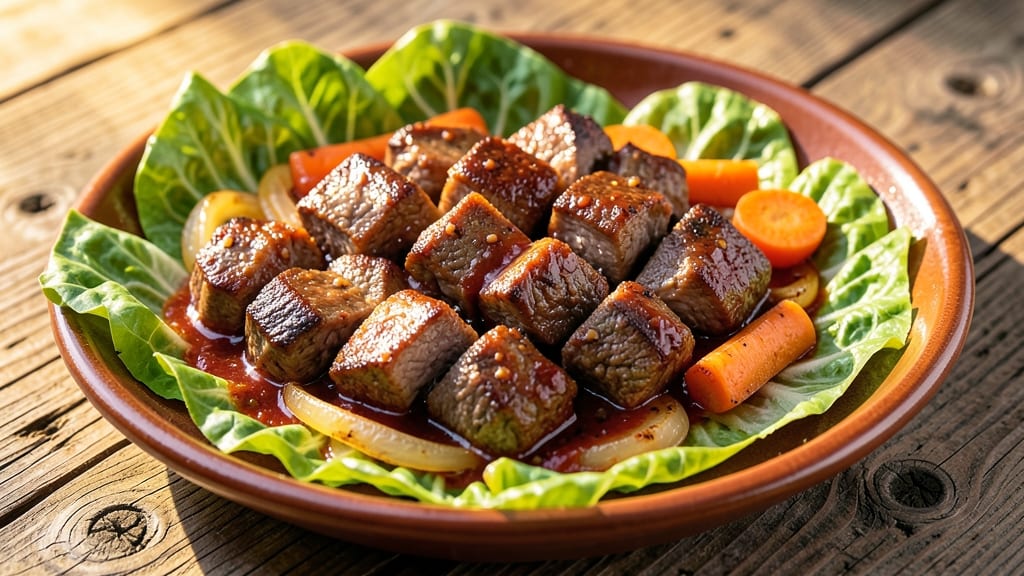
This Filipino beef and cabbage recipe delivers the rich, savory depth of a classic kaldereta—where tender beef and crisp cabbage simmer in a garlic-soy-tomato sauce until perfectly balanced.
The secret lies in slow braising, which transforms tough cuts into melt-in-your-mouth pieces while developing layers of umami from soy, vinegar, and caramelized garlic. Unlike quick stews, this dish rewards patience with a sauce that thickens into a velvety, slightly sweet glaze that clings to every bite.
Traditional Filipino cooking emphasizes bold flavors and textural contrasts, and this recipe nails both. The beef—ideal cuts like chuck or round—browns deeply for a Maillard crust before stewing, while cabbage and carrots retain their crunch even after hours of simmering.
A splash of vinegar brightens the sauce, cutting through the richness, and a touch of tomato paste adds depth that store-bought sauces can’t match. The result is a dish that’s hearty enough for a family meal but elegant enough for gatherings.
What sets this apart is the harmony of textures: tender beef, crisp vegetables, and a sauce that’s neither too thick nor too thin. Serve it over steamed rice to soak up every last drop, or pair with garlic bread to mop up the sauce.
The aroma alone—garlic, soy, and caramelized onions—will have your kitchen smelling like a Filipino karinderia (eatery), and the first bite delivers that perfect balance of savory, slightly sweet, and tangy that defines comfort food.
The beauty of this recipe is its versatility. While traditional kaldereta uses eggplant, this version keeps it simple with cabbage and carrots for a foolproof weeknight dinner. Make it ahead—flavors deepen overnight—and adjust the vinegar or soy to taste.
For extra richness, stir in a spoonful of coconut milk at the end, though purists will swear by the classic version. Either way, you’re making a dish that’s as much about love as it is about flavor.
Ingredients for beef and cabbage filipino
Here's what you'll need to make this rich Filipino beef and cabbage stew with deep garlic-soy flavors.
| Ingredient | Amount | Notes |
|---|---|---|
| Beef Chuck Roast 🥩 | 2 lb | Cut into 1.5-inch cubes |
| Green Cabbage 🥬 | 1 whole | Cut into wedges, core removed |
| Carrots 🥕 | 4 medium | Whole, peeled, cut into chunks |
| Yellow Onions 🧅 | 2 whole | Thinly sliced, about 2 cups |
| Garlic Cloves 🧄 | 8 cloves | Minced, about 2 tbsp |
| Tomato Paste 🍅 | 2 tbsp | Squeeze tube preferred |
| Soy Sauce 🥢 | ½ cup | Regular or light soy |
| White Vinegar 💧 | ¼ cup | Distilled preferred |
| Dark Brown Sugar 🍚 | 2 tbsp | Packed lightly |
| Bay Leaves 🌿 | 2 whole | Dried, crumbled |
| Black Peppercorns 🌶️ | 1 tsp | Crushed |
| Olive Oil 🫒 | 2 tbsp | Extra-virgin for browning |
| Salt 🧂 | 1 ½ tsp | Kosher or sea salt |
| Water 💧 | 2 cups | For initial simmer |
The beef is the star—chuck roast gives you that melt-in-your-mouth texture after slow braising. Grab it pre-cut from the butcher counter if you're short on time, but if you're buying a whole roast, ask for well-marbled chuck—that fat renders down for extra flavor. For the cabbage, green cabbage with tight leaves holds up best during cooking, but purple or red cabbage works too. The carrots can be any variety—orange or purple, whatever's on sale. Pro tip: Peel the carrots last-minute so they stay crisp longer. The onions? Yellow onions are classic, but red onions add a nice color contrast if you're feeling fancy.
No soy sauce? Coconut aminos or tamari work in a pinch, though the flavor will be slightly different. Short on vinegar? Lemon juice at half the amount brightens things up. The tomato paste can be skipped if you're avoiding it, but a splash of tomato sauce helps maintain the sauce's thickness. For extra depth, a pinch of smoked paprika adds that smoky note you find in some Filipino dishes. The garlic is non-negotiable—freshly minced makes all the difference, but if you're in a rush, jarred minced garlic (the kind in tubes) works okay. Just don't use powdered garlic—it's a flavor crime in this dish.
This stew tastes even better the next day—make a double batch if you can. Store leftovers in the fridge for up to 5 days, or freeze portions for 3 months. The sauce thickens as it cools, so add a splash of water or broth when reheating if it's too stiff. For serving, steamed jasmine rice is traditional, but buttered egg noodles or garlic bread work great too. The cabbage will get softer with reheating, so if you're serving it cold, add fresh cabbage wedges just before eating for that satisfying crunch.
Why You'll Love This Recipe
- One-Pot Magic: I swear by this recipe when I’m too tired to wash a million dishes. Toss everything—beef, cabbage, carrots, onions—into one pot, add water, and let it simmer. The cabbage softens just enough to soak up that rich beef broth, while the carrots stay slightly crisp. Minimal chopping, zero stress, and the house still smells like home.
- Umami Bomb: Between us, the slow-cooked beef chuck becomes ridiculously tender, almost falling apart when you poke it. That deep, savory flavor from the onions and garlic cloves? It’s the kind of taste that makes you pause mid-bite, like a little Filipino comfort hug in a bowl. The cabbage adds a fresh bite that keeps it from being too heavy—perfect balance.
- Leftovers That Win: I make this on Sundays because it’s my secret weapon for the week. The flavors actually get better the next day as the beef absorbs more of that garlicky, onion-infused broth. Pack it for lunch, freeze portions, or reheat for dinner—it’s always a hit. My kids fight over the last piece, and honestly? That’s the real test.
- Budget Stretch: Here’s what sold me—this recipe feeds my family of four for under $15, and we always have leftovers. The beef chuck is affordable but feels luxurious when it’s cooked low and slow, and cabbage and carrots stretch the meal without breaking the bank. Plus, it’s one of those dishes where the simpler the ingredients, the more you notice their individual goodness. No fancy shortcuts needed.
Step-by-step instructions for beef and cabbage Filipino stew
Here's how to create this rich, aromatic Filipino stew with tender beef and crisp cabbage.
Sear the Beef for Deep Flavor
Heat the 2 tablespoons olive oil in a large, heavy pot over medium-high heat until shimmering. Add the 2 lb beef chuck roast, cut into 1.5-inch cubes, in a single layer. Let them sear undisturbed for 3-4 minutes until they develop a deep golden-brown crust.
This step is crucial—it locks in juices and builds the stew's rich foundation. Once browned on all sides, transfer the beef to a plate and set aside. You'll notice the pot will have a beautiful layer of browned bits (fond) at the bottom—don't scrape these away. They'll dissolve into the sauce later, adding incredible depth of flavor.
Build the Aromatic Base
In the same pot, add the 2 whole yellow onions, sliced thinly, and cook for 5 minutes until softened and translucent. Add the 8 cloves garlic, minced, and stir for 30 seconds until fragrant—you'll smell that irresistible garlic aroma.
Next, add the 2 tablespoons tomato paste and cook for 1 minute, stirring constantly to prevent burning. This creates a smooth, flavorful base for your stew. If the mixture starts to stick, add 1 tablespoon of water to deglaze. The goal is to create a rich, caramelized foundation that will carry all the other flavors.
Simmer the Vegetables and Seasonings
Add the 1 whole green cabbage, cut into wedges with the core removed, 4 medium carrots cut into chunks, 2 cups water, 0.5 cup soy sauce, 0.25 cup white vinegar, 2 tablespoons dark brown sugar, 2 whole bay leaves, 1 teaspoon crushed black peppercorns, and 1.5 teaspoons salt. Stir everything together to combine.
Bring the mixture to a boil over high heat, then reduce to low heat and cover partially. Let it simmer for 45 minutes, stirring occasionally. The cabbage should soften but still retain some crispness, and the carrots should be tender when pierced with a fork. This gentle simmer allows all the flavors to meld together beautifully.
Finish with the Beef and Adjust Seasoning
Return the seared beef to the pot and stir gently to coat in the sauce. Increase the heat to medium-low and let it simmer uncovered for another 30-45 minutes, until the beef is fork-tender and easily pulls apart. The stew should have thickened slightly, with a glossy, flavorful sauce.
Taste and adjust seasoning if needed. You might want to add a bit more soy sauce for saltiness or a splash of vinegar for tang. The stew should be rich, savory, and perfectly balanced. Let it sit off the heat for 5 minutes before serving to allow the flavors to settle and the sauce to thicken slightly.
Pro Tips For Making Beef And Cabbage Filipino
- SEAR THE BEEF FIRST: After browning the chuck roast in oil, pull it out and let it rest for 5 minutes—yes, even if you’re impatient. I used to skip this, and the meat turned out dry halfway through cooking. That resting time locks in juices while you prep the veggies, so when you return it to the pot, it stays tender.
- CHOP CABBAGE SMALLER THAN YOU THINK: Quarter the cabbage, then slice each wedge into ½-inch-wide strips—smaller than you’d use for coleslaw. Larger pieces stay tough and undercooked, while tiny strips soften perfectly and soak up the sauce. Trust me, your future self will notice the difference.
- DON’T BOIL THE ONIONS: When sautéing onions with garlic, keep the heat medium and let them cook until translucent but not golden—overcooking turns them bitter. I learned this the hard way after burning a batch and tasting that unpleasant sweetness. Just a few minutes here makes all the difference.
- USE CARROTS FOR DEPTH: Skip pre-cut baby carrots—whole carrots (peeled, halved lengthwise) add better texture and flavor. They caramelize slower, releasing natural sweetness into the stew. Plus, they hold up better during long cooking, so you don’t end up with mush. (And yes, I’ve made that mistake too.)
Flavor customization for this dish
Savory-Sweet Balance
Adjust the dark brown sugar to taste—start with 2 tablespoons for a subtle sweetness, but increase to 3-4 tablespoons if you love richer, caramelized flavors. The sugar helps balance the tangy vinegar and salty soy sauce, creating that signature Filipino umami-sweet harmony.
For extra depth, add ½ teaspoon of cinnamon or 1 star anise pod while simmering—it’s a common Filipino trick that adds warmth. 🌶️
Spicy Kick Variations
Crank up the heat with 1 tablespoon of banana ketchup (a Filipino staple) for a fruity-spicy contrast, or add 1-2 slices of fresh chili (like siling labuyo) at the end.
For smoky heat, stir in ½ teaspoon of ground annatto seeds (achuete) or a pinch of smoked paprika during the final 10 minutes of cooking. The key is to add heat after simmering to preserve its intensity.
Creamy Twist
For a luxurious finish, stir in ½ cup coconut milk at the end and simmer for 5 minutes to let the flavors meld. This mimics the richness of kaldereta, another Filipino beef stew.
Alternatively, swap ¼ cup of the water for heavy cream and simmer until slightly thickened. The cream adds a velvety texture that pairs beautifully with the tangy sauce. 🥥
Herb Infusions
Brighten the dish with 2 sprigs of fresh Thai basil or cilantro, added during the last 10 minutes of cooking. For a more traditional touch, include 1 bay leaf (already in the recipe) and 1 sprig of lemongrass, tied together with kitchen twine.
Remove the herbs before serving, but their aroma will elevate the stew’s complexity. Fresh herbs also balance the richness with a citrusy freshness.
Smoky Depth
For a smoky profile, char 1 whole red onion and 2 garlic cloves directly over a gas flame or under a broiler until blackened. Finely chop and add them to the pot with the onions and garlic in Step 2.
This technique mimics the smoky flavors of grilled Filipino dishes. Alternatively, add ½ teaspoon of liquid smoke (sparingly!) to the sauce during the final 5 minutes of simmering for a subtle smokiness.
Vegetable Swaps
Swap cabbage for eggplant (traditional in kaldereta) or green beans for a lighter texture. For a heartier dish, add 1 cup of potatoes or sweet potatoes, cubed and simmered with the carrots.
If you love cruciferous veggies, try broccoli florets—they hold up well and add a fresh contrast to the rich sauce. Adjust cooking time by 5-10 minutes for denser vegetables.
Nutrition facts
Frequently asked questions
Can I use a different cut of beef for this Filipino stew?
While chuck roast is ideal for its marbling and tenderness, you can substitute with round roast or brisket—both work well for slow braising. Avoid lean cuts like sirloin, as they'll dry out. For extra richness, use beef shank, which adds depth but requires 2 additional hours of simmering. Always cut into 1.5-inch cubes for even cooking.
Why does my sauce turn out too thin or too thick?
Sauce consistency depends on simmering time and liquid reduction. For a thicker sauce, simmer uncovered for 10-15 extra minutes or stir in 1 tablespoon cornstarch mixed with 2 tablespoons water. If too thin, reduce heat and simmer longer—don't add flour directly to the pot, as it can make the sauce cloudy. The vinegar and sugar balance helps thicken naturally over time.
How can I make this dish spicier without overpowering the flavors?
Add heat gradually! Start with ½ teaspoon of ground black pepper (already in the recipe) and boost with 1 tablespoon banana ketchup (for sweet-spicy) or 1-2 slices of fresh chili (like siling labuyo) at the end. For smoky depth, stir in ½ teaspoon smoked paprika during the last 10 minutes. The key is to let the sauce develop first before adding heat.
Can I prepare this stew ahead of time?
This dish tastes even better the next day! Let it cool completely, then refrigerate for up to 5 days or freeze for 3 months. The flavors deepen as the sauce reduces. When reheating, add 2-3 tablespoons of water or broth to prevent thickening. For serving, add fresh cabbage wedges to maintain crunch if needed.
What’s the best way to serve this Filipino beef stew?
Traditionally, it’s served over steamed jasmine rice, which soaks up the rich sauce beautifully. For extra indulgence, pair with garlic bread or buttered egg noodles. Garnish with chopped green onions or sliced chili for color and heat. In the Philippines, it’s often enjoyed with toasted bread (pan de sal) for dipping.