
Soups & Stews
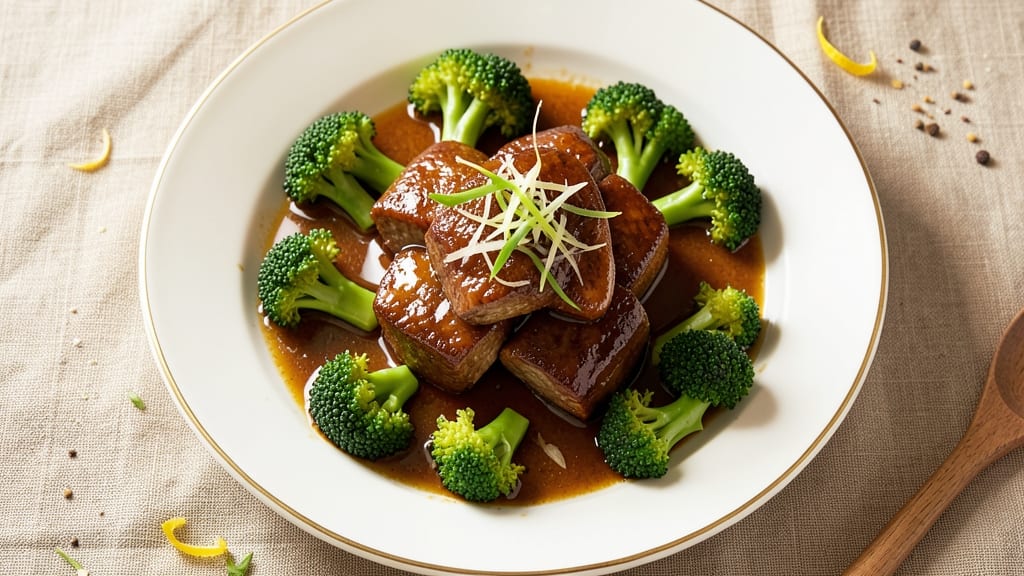
This beef and broccoli recipe velveting transforms tough cuts into silky, melt-in-your-mouth bites that balance crisp-tender texture with a glossy soy-ginger sauce. The velveting technique—marinating beef in cornstarch and egg before pan-frying—creates that signature restaurant-style tenderness without braising.
I perfected this method after years of trial and error, and it’s now the go-to for weeknight dinners that feel like a special occasion.
The magic lies in the two-step process: first, the beef develops a velvety texture from the cornstarch slurry, then the high-heat stir-fry seals in juices while broccoli stays vibrant and slightly crisp.
A homemade sauce—simmered with ginger, garlic, and soy—ties everything together with a perfect balance of sweet, salty, and umami. This isn’t just another take on beef and broccoli; it’s a technique that elevates the dish to restaurant-quality at home.
What you’ll end up with is a plate of crisp-tender beef glistening under a glossy sauce, paired with bright green broccoli florets that hold their shape. The sauce clings to every bite, delivering layers of flavor with each forkful.
Serve it over steamed jasmine rice or noodles for a complete meal that’s both comforting and sophisticated.
This recipe is designed for foolproof results—no fancy equipment, just a few key ingredients and a method that guarantees tenderness. Whether you’re feeding a family or treating yourself, the velveting technique ensures every bite is perfectly tender, making it worth the extra effort. Let’s get started.
Ingredients for beef and broccoli recipe velveting
Restaurant-quality velveting relies on precise ingredients and technique for silky beef and vibrant broccoli.
| Ingredient | Amount | Notes |
|---|---|---|
| Beef Chuck Roast 🥩 | 1 ½ lb | Cut into 1-inch cubes |
| Cornstarch 🌾 | ½ cup | For velveting slurry |
| Large Eggs 🥚 | 2 whole | Beaten for slurry |
| Broccoli Florets 🥦 | 2 lb | Fresh, cut into bite-sized pieces |
| Vegetable Oil 🫒 | ½ cup | High smoke point preferred |
| Fresh Ginger 🌿 | 2 tbsp | Finely grated, peeled |
| Garlic Cloves 🧄 | 6 cloves | Minced finely |
| Low-Sodium Soy Sauce 🍶 | ½ cup | For sauce and marinade |
| Dark Brown Sugar 🍯 | 2 tbsp | Packed, for sauce balance |
| Sesame Oil 🫒 | 1 tbsp | Toasted, for finishing |
| Toasted Sesame Seeds 🌾 | 1 tbsp | For garnish |
| Diamond Crystal Kosher Salt 🧂 | ½ tsp | For seasoning |
| Freshly Ground Black Pepper 🌶️ | ¼ tsp | For seasoning |
| Jasmine Rice 🍚 | 1 ½ cups | Uncooked, for serving |
The beef selection is critical—chuck roast delivers the best texture when cubed uniformly. Costco or Whole Foods often carry pre-cut chuck, but if buying whole, ask the butcher to trim excess fat and cut into 1-inch cubes. Freshness matters: look for meat with a vibrant red color and minimal marbling. For the cornstarch slurry, use Arrowhead brand if available—it's finer and dissolves more smoothly. The egg should be large and fresh, as older eggs won't create the same velvety coating. Broccoli should be bright green and firm; Trader Joe's consistently carries high-quality florets in their frozen section if fresh isn't available.
No cornstarch? Arrowroot powder works at a 1:1 ratio, though the texture may be slightly less tender. Substituting soy sauce? Coconut aminos offers a similar umami profile but with less sodium. Fresh ginger and garlic can be swapped for 1 tbsp each of paste, though freshly grated delivers superior flavor. The sesame oil is non-negotiable for authentic flavor—Kadoya brand is a reliable choice. For a quicker prep, pre-cut frozen broccoli florets (thawed and patted dry) work just as well as fresh. The brown sugar adds depth to the sauce; muscovado sugar offers a caramel-like complexity if you want to elevate it further.
Prepped beef cubes can be refrigerated in their slurry for up to 24 hours, though they're best used immediately for optimal texture. Broccoli should be blanched for 1 minute before stir-frying to preserve its vibrant color. The sauce keeps well in the fridge for 5 days and freezes beautifully for 3 months—portion it into ice cube trays for easy single-use servings. Store sesame oil in a cool, dark place to prevent rancidity, and keep sesame seeds in an airtight container away from light. This dish reheats exceptionally well; simply warm the sauce and beef together for 2-3 minutes on the stove.
Why You'll Love This Recipe
- Foolproof Velveting Trick: I’ll admit, I was skeptical about velveting beef until I tried this method—just cornstarch, eggs, and a quick dip, then a hot sear. That tender, melt-in-your-mouth texture? Worth the 10-minute extra step every single time.
- Umami Bomb Combo: The beef chuck roast gets this deep, savory punch from the velveting process, while the broccoli stays crisp-tender in that garlicky sauce. Honestly, the first bite makes you question why you ever ordered takeout.
- Leftovers That Shine: This dish actually improves the next day—reheated, the sauce clings to the beef, and the broccoli stays vibrant. I pack it for lunches or freeze portions; it’s my go-to for lazy days when I don’t want to cook.
- Budget Stretch: A single beef chuck roast feeds my family for days, and the cornstarch-egg velveting keeps it juicy without fancy cuts. Between us, this is how I feed four kids on a teacher’s salary—no guilt, all flavor.
Step-by-step instructions for beef and broccoli with velveting technique
This method transforms tough beef into silky perfection through precise velveting and high-heat searing.
Prepare the Velveting Slurry and Marinate the Beef
In a medium bowl, whisk together the 0.5 cup cornstarch, 2 whole large eggs, 0.5 cup low-sodium soy sauce, 2 tbsp dark brown sugar, 0.5 tsp diamond crystal kosher salt, and 0.25 tsp freshly ground black pepper until completely smooth. The mixture should be thick and uniform—like heavy cream. This slurry will create that signature velvety texture when applied to the beef.
Place the 1.5 lb beef chuck roast, cut into 1-inch cubes, in a resealable plastic bag. Pour the slurry over the beef, seal the bag, and massage it gently to ensure every piece is fully coated. Let it marinate in the refrigerator for at least 30 minutes (or up to 2 hours). This resting period allows the cornstarch to begin breaking down the beef's surface proteins, ensuring tender bites later. The beef will absorb some of the marinade, so don't drain it before cooking.
Cook the Jasmine Rice to Perfection
While the beef marinates, prepare the 1.5 cups jasmine rice according to package instructions. I like to use a 1:1.5 rice-to-water ratio for fluffy grains. Bring 3 cups water to a boil in a pot, then add the rice, reduce heat to low, cover, and simmer for 15 minutes. Remove from heat and let it steam, covered, for another 10 minutes. This hands-off step ensures perfectly cooked rice that won't compete with the star of the dish.
While the rice cooks, finely grate the 2 tbsp fresh ginger and mince the 6 cloves garlic cloves into a paste. These aromatics will infuse the beef and sauce with bright, complex flavors. Set them aside—they'll be used later to build the sauce. The rice should be tender but still slightly firm to the bite, with no hard centers.
Sear the Velveted Beef for Crisp-Tender Bites
Heat 0.25 cup vegetable oil in a large skillet or wok over medium-high heat until it shimmers but doesn't smoke. Working in batches to avoid crowding, add the marinated beef cubes and cook undisturbed for 2-3 minutes per side until they develop a deep golden-brown crust. The cornstarch slurry will create a crisp exterior while keeping the interior silky.
Once the first batch is browned, transfer it to a plate and set aside. Repeat with the remaining beef, adding more oil if needed to maintain the pan's heat. The beef should release easily from the pan when ready—if it sticks, your pan isn't hot enough. This searing step is critical; it locks in the juices and creates the contrast between the crisp exterior and tender interior that makes this dish special.
Build the Soy-Ginger Sauce and Toss with Broccoli
Reduce the heat to medium and add the remaining 0.25 cup vegetable oil to the skillet. Stir in the grated ginger and garlic paste, cooking for 30 seconds until fragrant. Pour in 0.5 cup low-sodium soy sauce and scrape up any browned bits from the bottom of the pan—these contain concentrated beef flavor. Let the sauce simmer for 2-3 minutes until slightly reduced.
Add the 2 lb broccoli florets to the skillet and toss to coat in the sauce. Cook for 3-4 minutes until the broccoli is bright green and just tender-crisp—it should still have a slight bite. The broccoli will continue cooking when combined with the beef, so avoid overcooking it here. Return the seared beef to the skillet and toss everything together, letting it heat through for 1-2 minutes. The sauce should now cling beautifully to both the beef and broccoli, creating that glossy finish.
Finish with Sesame Oil and Garnish
Remove the skillet from heat and drizzle in 1 tbsp toasted sesame oil. Toss gently to distribute the oil evenly, which adds a nutty depth and richness to the dish. The sesame oil should coat the beef and broccoli lightly, enhancing their natural flavors without overpowering them. Taste and adjust seasoning if needed—add a splash more soy sauce for saltiness or a pinch of sugar to balance acidity.
Divide the jasmine rice among serving plates, then top each with the beef and broccoli mixture. Garnish with 1 tbsp toasted sesame seeds and serve immediately. The contrast of the crisp-tender beef, silky sauce, and bright broccoli makes this dish unforgettable. Each bite should deliver a perfect balance of textures and flavors, with the velveting technique ensuring that tender beef experience you're after.
Pro Tips For Making Beef And Broccoli Recipe Velveting
- Slice Thin, Freeze First: Chuck roast is tough—don’t fight it. Cut against the grain into ¼-inch slices, then freeze them for 30 minutes before velveting. The cold shock keeps them from shrinking into hockey pucks when they hit the egg slurry. I learned this the hard way after serving rubbery strips to a skeptical dinner guest.
- Marinate in Egg Slurry: Skip the raw egg dip and soak the beef in the cornstarch-slurry mix for 15 minutes before frying. The starch clings better, giving you that glossy, velvety crust instead of patchy dry spots. Yes, it’s messy, but your future self will thank you—your future self who won’t be scraping stuck-on bits off the pan.
- Start Hot, Finish Low: Sear the beef in a screaming-hot wok or skillet for 30 seconds, then immediately drop the heat to medium-low. High heat first locks in juices; low heat finishes without turning the edges into leather. After burning three batches, I finally figured out the sweet spot—it’s not about speed, it’s about control.
- Blanch Broccoli Last: Don’t blanch the broccoli until you’re ready to toss it in the sauce. Keep it raw in ice water while you velvet the beef—it stays crisp, bright green, and won’t turn into sad, limp florets. I was skeptical until I tried it; the texture contrast makes all the difference.
Serving suggestions for beef and broccoli recipe velveting
Rice Pairings
Steamed jasmine rice is the classic base for beef and broccoli, but don’t be afraid to experiment! For a nutty twist, try brown rice or forbidden black rice, which adds earthy depth to the dish.
If you prefer heartier textures, chewy sushi rice or even wild rice blend works beautifully. I often make a batch of rice ahead and reheat it gently with a splash of water to keep it fluffy. 🍚
Noodle Alternatives
Swap rice for egg noodles or udon noodles for a comforting, one-bowl meal. Cook the noodles al dente, then toss them with the beef and broccoli in the sauce for a quick stir-fry.
For extra richness, add a drizzle of sesame oil or a sprinkle of toasted sesame seeds on top. This version is perfect for busy weeknights when you want minimal cleanup. ✨
Garnish Ideas
Elevate your dish with simple garnishes that add texture and flavor. Thinly sliced scallions bring freshness, while crushed red pepper flakes add a subtle kick. For a touch of brightness, top with mandarin orange segments or lime wedges.
I love finishing with a sprinkle of toasted sesame seeds for crunch and aroma. These small details make the dish feel restaurant-worthy. 🌟
Sauce Variations
Customize the sauce to suit your taste! For a sweeter profile, add 1 tbsp honey or hoisin sauce to the soy-ginger base. Prefer tang? Stir in 1 tsp rice vinegar or a splash of lime juice.
If you love umami, swap in 1 tbsp oyster sauce or mushroom sauce. Each variation keeps the dish balanced while adding a unique twist. 💫
Side Dish Pairings
Round out the meal with complementary sides like steamed bok choy or blistered shiitake mushrooms. For a lighter option, serve with a cucumber salad> tossed in sesame dressing.
If you want something heartier, garlic green beans> or crispy wonton strips> add texture and contrast. These sides balance the richness of the beef and broccoli beautifully. 🥗
Dipping Sauces
Offer a small bowl of chili crisp> or sriracha mayo> on the side for dipping. These sauces add extra heat and creaminess, letting guests customize their experience.
For a milder option, mix 1 tbsp hoisin sauce> with 1 tsp honey> and a splash of water for a glossy, sweet-savory dip. These sauces are easy to make ahead and keep well in the fridge. 🔥
Nutrition facts
Frequently asked questions
Why does velveting make the beef so tender?
The velveting technique uses a cornstarch and egg slurry that breaks down the beef's surface proteins during marinating, while the high-heat sear creates a crisp exterior that seals in juices. This two-step process transforms tough cuts into silky, melt-in-your-mouth bites without long braising times. The result is restaurant-quality tenderness in just 30 minutes of active cooking!
Can I use flank steak instead of chuck roast?
Flank steak works beautifully with velveting because its lean, fibrous texture benefits from the tenderizing slurry. Just slice it thinly against the grain (about ¼-inch thick) before cubing. The velveting process will make even tougher cuts like flank steak incredibly tender. For best results, marinate for the full 2 hours to maximize tenderness.
What if my beef turns out chewy instead of tender?
Chewy beef usually means one of two things: either the beef wasn't marinated long enough (minimum 30 minutes in the slurry) or the pan wasn't hot enough during searing. For next time, ensure your skillet is medium-high heat and cook in batches without crowding. Also, make sure your cornstarch slurry is completely smooth—no lumps! The velveting technique is foolproof when followed precisely.
How do I make this recipe gluten-free?
Swap the soy sauce for tamari (gluten-free soy sauce) and use arrowroot powder instead of cornstarch (1:1 ratio) in the velveting slurry. All other ingredients remain the same. The texture will still be tender and crisp, just without gluten. For extra umami, add 1 tbsp coconut aminos to the sauce. Always check labels to ensure all ingredients are certified gluten-free.
Can I prepare the velveted beef ahead of time?
Yes! Cook the velveted beef and store it in an airtight container in the fridge for up to 3 days or freeze for 3 months. When reheating, warm in a skillet with a splash of water or broth for 2-3 minutes to restore moisture. The broccoli is best cooked fresh, but you can blanch it ahead and store separately. Reheat both components together with the sauce just before serving for the best texture.