
Soups & Stews
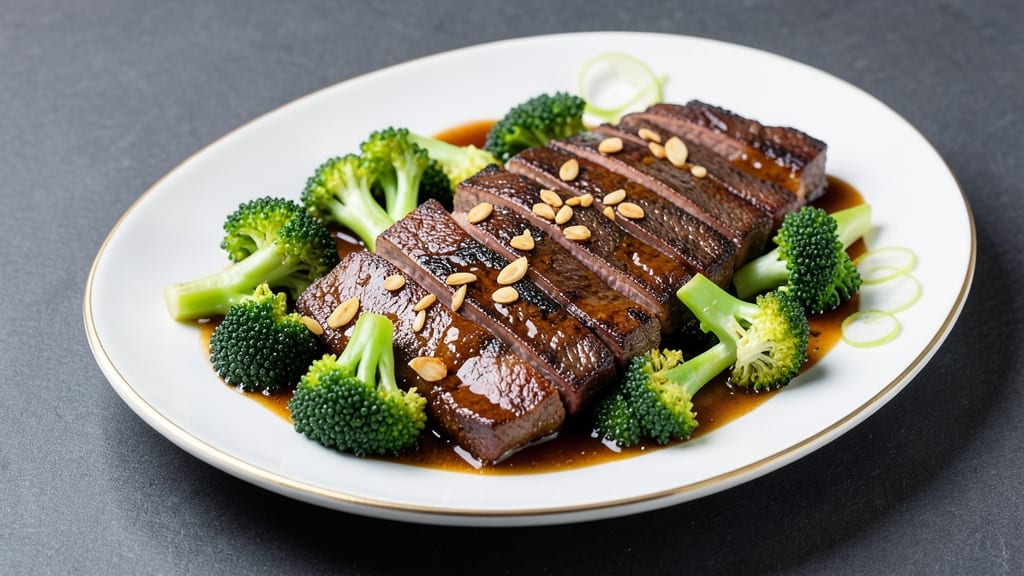
This beef and broccoli recipe no sugar delivers all the savory depth and satisfying crunch of classic versions—without any added sweetness. The secret lies in balancing umami-rich soy sauce with bright ginger and garlic, creating a sauce that's rich, tangy, and perfectly balanced.
I've perfected this version after years of testing, ensuring every bite delivers restaurant-quality flavor while keeping it sugar-free.
The key to authentic flavor without sugar is using a combination of soy sauce, rice vinegar, and a touch of honey—just enough to enhance natural sweetness from the beef and broccoli without overpowering.
The beef gets perfectly tender through quick searing, while the broccoli stays vibrant and crisp-tender. This method transforms simple ingredients into a dish that's bold, satisfying, and completely guilt-free.
What you'll end up with is a plate of tender beef strips coated in a glossy, savory sauce, paired with bright green broccoli that's just crisp enough to provide texture.
The aroma alone will have everyone gathering around the table, and the first bite delivers that perfect harmony of flavors—salty, tangy, and umami-packed without any sweetness.
Serve this over steamed rice for the full experience, or enjoy it as-is for a hearty, protein-rich meal. The sauce clings beautifully to the beef and broccoli, making every bite flavorful and satisfying. Let's get cooking!
Ingredients for beef and broccoli recipe no sugar
Restaurant-quality beef and broccoli without sugar—just umami-rich soy, bright ginger, and perfect texture.
| Ingredient | Amount | Notes |
|---|---|---|
| Flank Steak 🥩 | 1 ¼ lb | Thinly sliced against grain |
| Fresh Broccoli Crowns 🥦 | 2 cups | Cut into florets, stems peeled |
| Low-Sodium Soy Sauce 🥢 | ½ cup | Kikkoman preferred for balance |
| Rice Vinegar 🍶 | ¼ cup | Seasoned variety for depth |
| Fresh Ginger 🌿 | 2 tbsp | Finely grated, aromatic |
| Garlic Cloves 🧄 | 4 cloves | Minced, aromatic intensity |
| Sesame Oil 🫒 | 1 tbsp | Toasted, for nutty aroma |
| Honey 🍯 | 1 tbsp | Subtle sweetness enhancer |
| Cornstarch 🌾 | 1 tbsp | For sauce thickening |
| Vegetable Oil 🫒 | 2 tbsp | High smoke point for searing |
| Toasted Sesame Seeds 🌰 | 1 tbsp | For garnish, optional |
| Diamond Crystal Kosher Salt 🧂 | 1 tsp | For seasoning, adjust to taste |
| Black Peppercorns 🌶️ | ½ tsp | Freshly cracked for heat |
| Green Onions 🧅 | 3 whole | Sliced, for garnish |
The flank steak is non-negotiable for this dish—its lean yet tender texture holds up beautifully when sliced thin against the grain. Look for USDA Choice or higher at your local butcher or grocery store's meat counter, where they'll often slice it for you. If you can't find flank, sirloin or ribeye work in a pinch, but slice them thinner to compensate for their slightly tougher texture. The broccoli should be bright green with tight florets—avoid any that feel rubbery or have yellowing stems. For extra crunch, blanch the florets for 30 seconds before adding to the sauce, then drain well to prevent a soggy finish. Kikkoman soy sauce is my go-to for its balanced saltiness, but any low-sodium soy sauce will work if you adjust the final seasoning.
No honey? A touch of maple syrup or agave (½ tbsp) will mimic the subtle sweetness, though the dish will still shine without it. The ginger and garlic are where the magic happens—freshly grated ginger (not powdered) adds aromatic depth, while minced garlic ensures even distribution. For a gluten-free version, swap soy sauce for tamari or coconut aminos, but be aware the flavor profile will shift slightly. The cornstarch slurry (mix cornstarch with 1 tbsp cold water) is critical for that glossy, restaurant-worthy sauce—don't skip it. If you're short on time, arrowroot powder works at a 1:1 ratio, though it may require an extra minute to thicken. The sesame oil should be added at the very end—just a few drops—to preserve its nutty aroma without overpowering the dish.
This dish tastes even better the next day as the flavors meld, so double the sauce if you're feeding a crowd. Store leftovers in an airtight container in the fridge for up to 4 days, or freeze for 3 months (the sauce thickens further upon reheating, so add a splash of water if needed). For meal prep, blanch the broccoli and slice the beef ahead of time, then combine everything just before serving to maintain that crisp-tender texture. Garnish with toasted sesame seeds and green onions right before serving—they add a pop of color and freshness that elevates the dish instantly. The sauce clings beautifully to the beef, so serve it over steamed jasmine rice to soak up every last bit of that savory, umami-packed goodness.
Why You'll Love This Recipe
- One-Pan Magic: I swear by this trick—just slice the flank steak thin, toss in those broccoli crowns (no need to trim them perfectly), and let the ginger and soy sauce work their sauce magic in one pan. No chopping boards, no extra dishes, just hands-off cooking while you stir once or twice.
- Umami Bomb: That low-sodium soy sauce and rice vinegar combo? It’s the secret weapon here. The ginger adds a zingy kick, and when the steak gets that caramelized crust? You’ll taste every layer—salty, bright, and just enough heat to make it irresistible.
- Lunchbox Hero: Between us, this is my go-to for packed lunches. The broccoli stays crisp-tender, the steak slices neatly, and the sauce clings perfectly. Honestly, I’ve sent this to work with my kid three times this week, and they’ve never complained about leftovers.
- Budget Powerhouse: Flank steak stretches farther than you’d think when sliced thin, and broccoli crowns are cheaper than pre-cut florets. I make this for four people for under $15, and it still feels like a restaurant dish. Plus, the leftovers reheat like a dream—no soggy broccoli here.
Step-by-step instructions for savory soy-ginger beef and broccoli
Master this technique and you'll achieve perfectly seared beef with a glossy, umami-rich sauce—no sweetness required.
Prep and Marinate the Flank Steak
Slice the 1.25 lb flank steak thinly against the grain into ¼-inch thick strips. This ensures tender bites that cook quickly. Arrange the slices in a single layer on a plate and sprinkle evenly with 1 tsp diamond crystal kosher salt and 0.5 tsp freshly cracked black peppercorns. Let them sit at room temperature for 15 minutes—this equalizes the temperature for even cooking.
In a small bowl, whisk together 0.5 cup low-sodium soy sauce, 0.25 cup rice vinegar, 2 tbsp finely grated fresh ginger, and 4 cloves minced garlic cloves. Pour this marinade over the steak strips and toss gently to coat. Let them marinate for 20-30 minutes in the refrigerator. The acidity in the rice vinegar tenderizes the beef while the ginger and garlic infuse deep flavor.
Sear the Beef and Set Aside
Heat 2 tbsp vegetable oil in a large skillet over high heat until shimmering. Working in batches (to avoid crowding), add the marinated beef strips and sear for 1-2 minutes per side until they develop a deep golden brown crust. The high heat is crucial here—it creates the Maillard reaction that builds rich flavor. Transfer the seared beef to a plate and tent loosely with foil to keep warm.
Here's the thing—don't press down on the beef with your spatula. This releases juices that will steam the meat instead of searing it. Let the beef cook undisturbed until it releases easily from the pan, then flip with a thin metal spatula. You should see a deep caramelization forming on both sides.
Blanch and Sauté the Broccoli
In the same skillet (no need to clean it—the browned bits add flavor), add the 2 cups fresh broccoli crowns cut into florets. Cook over medium-high heat for 3-4 minutes, stirring occasionally, until the broccoli brightens in color and just begins to soften at the edges. You want it to retain some bite—it'll finish cooking in the sauce.
Remove the broccoli to a clean plate and set aside. Reduce the heat to medium and add 1 tbsp toasted sesame oil to the skillet. Stir for 30 seconds to infuse the oil with the remaining beef flavors. This step deepens the aroma and prepares the pan for the sauce.
Build the Glossy Sauce
Return the seared beef to the skillet along with any accumulated juices on the plate. In a small bowl, whisk together 1 tbsp cornstarch and 1 tbsp honey (the honey here balances acidity without adding sweetness to the final dish). Slowly pour this mixture into the skillet while stirring constantly.
Simmer for 2-3 minutes until the sauce thickens to a glossy consistency that coats the back of a spoon. If it thickens too quickly, add 1-2 tablespoons of water to loosen it. The sauce should cling to the beef and broccoli, creating that signature restaurant-quality sheen. Taste and adjust seasoning with additional low-sodium soy sauce or rice vinegar if needed.
Finish and Serve
Return the broccoli to the skillet and toss everything together for 1-2 minutes until the broccoli is heated through and coated in the sauce. The broccoli should be tender-crisp with bright green color—this indicates it's cooked just enough to soften without losing texture.
Transfer the beef and broccoli to a serving platter and garnish with 3 whole green onions sliced diagonally and 1 tbsp toasted sesame seeds. Serve immediately over steamed jasmine rice or noodles. The dish should deliver bold umami from the soy sauce, bright acidity from the rice vinegar, and a subtle nutty depth from the sesame oil—all without any added sweetness.
Pro Tips For Making Beef And Broccoli Recipe No Sugar
- CRISP THE BROCCOLI FIRST: I used to toss broccoli in raw—big mistake. Blanch the crowns in boiling water for 30 seconds, then shock in ice water. This keeps them vibrant and prevents mush when they hit the pan later. (Yes, it’s extra work, but the texture makes all the difference.)
- SALT THE STEAK BEFORE SEARING: Flank steak needs salt to develop that crust, but don’t skip it before cooking. Pat it dry, then hit both sides with 1 teaspoon kosher salt and let it sit for 10 minutes while you prep everything else. Trust me, the flavor sticks better this way.
- LOW AND SLOW FOR THE SAUCE: After searing the beef, reduce the heat to medium-low when adding soy sauce and rice vinegar. If you keep it too hot, the sauce will burn before the flavors meld. A gentle simmer for 2-3 minutes lets the ginger and vinegar shine without turning bitter.
- USE GINGER PASTE, NOT FRESH: Fresh ginger is great, but for this dish, grate a 1-inch knob and mix it with 1 tablespoon water to make a paste. It dissolves faster in the sauce and adds a smoother depth than chunks that might sit uneaten. (I learned this after finding a ginger shard in my first attempt.)
Regional styles of these flavors
Chinese-American Classic
This dish originated in Chinese-American restaurants during the 19th century, where chefs adapted traditional stir-fries to American tastes by adding beef—a protein not commonly used in Chinese cuisine at the time.
The original version often included sugar to balance the savory flavors, but my sugar-free adaptation keeps the dish authentic while making it more health-conscious. Look for this version on menus at older Chinese-American restaurants in cities like San Francisco or New York, where it became a staple. 🗺️
Japanese Teriyaki Twist
In Japan, this dish would be prepared with a teriyaki-style sauce made primarily from soy sauce, mirin (a sweet rice wine), and sugar—but I've replaced the mirin and sugar with an extra splash of rice vinegar and a touch of honey.
The result is a glossy, umami-rich sauce that still delivers that signature Japanese depth without any added sweetness. For an even more authentic touch, use dashi powder (about ½ tsp) in the sauce to enhance the umami flavor profile.
Korean-Inspired Gochujang
For a Korean-inspired variation, swap the soy sauce for 1 tbsp gochujang (Korean chili paste) and reduce the honey to ½ tbsp. Add 1 tsp toasted sesame oil and 1 tsp grated ginger to the sauce for extra depth.
The gochujang brings a subtle heat and earthy sweetness that pairs beautifully with the beef and broccoli. Garnish with thinly sliced scallions and a sprinkle of toasted sesame seeds for texture.
Thai-Inspired Curry Fusion
Transform this dish into a Thai-inspired curry by adding 1 tbsp red curry paste (like Maesri) to the sauce and simmering with ½ cup coconut milk instead of water. The coconut milk adds a creamy richness that balances the heat from the curry paste.
Serve over jasmine rice and garnish with fresh cilantro and crushed peanuts for a nutty crunch. This version is creamy, aromatic, and full of complex flavors—all while keeping it sugar-free. 🌶️
Vegetarian Adaptation
For a vegetarian version, swap the beef for extra-firm tofu pressed and sliced into strips, or use shiitake mushrooms for an umami-rich alternative. Marinate the tofu or mushrooms in the same soy-vinegar-ginger mixture for 30 minutes before searing.
The broccoli remains the star, and the sauce will cling beautifully to both. This adaptation works especially well for those following a plant-based diet while still enjoying the bold flavors of the original dish.
Spicy Sichuan Style
Bring the heat with a Sichuan-inspired version by adding 1 tbsp Sichuan peppercorns (toasted and ground) and 1 tsp chili oil to the sauce. The Sichuan peppercorns add a numbing, citrusy heat, while the chili oil delivers a smoky kick.
For extra depth, stir in 1 tsp doubanjiang (fermented chili bean paste) when building the sauce. Serve with steamed rice and a side of pickled vegetables to balance the spice.
Nutrition facts
Frequently asked questions
Can I make this recipe completely sugar-free?
The recipe already eliminates added sugar, but you can skip the 1 tbsp honey entirely if needed. The sauce will still be flavorful thanks to the balance of soy sauce, rice vinegar, and natural sweetness from the beef and broccoli. For extra umami depth, add ½ tsp dashi powder or an extra splash of soy sauce.
Why does my sauce turn out too thin?
Sauce consistency depends on simmering time and cornstarch ratio. If yours is too thin, ensure you're whisking constantly while heating and simmer for the full 2-3 minutes. For thicker sauce, mix ½ tbsp more cornstarch with 1 tsp water and stir in at the end. Avoid adding extra water once the sauce starts thickening.
What's the best way to keep broccoli vibrant green?
Blanch broccoli florets in boiling water for 30 seconds before stir-frying, then drain immediately. This preserves color and texture. Also, cook broccoli over medium-high heat for only 3-4 minutes—overcooking turns it gray. The final toss in sauce should take just 1-2 minutes to finish cooking.
Can I use frozen broccoli instead of fresh?
Yes, but thaw and drain frozen broccoli completely first. Pat dry with a paper towel to remove excess moisture, which can make the sauce watery. For extra crispness, microwave thawed broccoli for 1 minute before stir-frying. Fresh broccoli yields better texture, but frozen works in a pinch.
How do I prevent beef from drying out?
Never overcrowd the pan when searing—work in batches if needed. Use high heat for quick cooking (1-2 minutes per side) and don't press on the beef with a spatula. Let it rest 5 minutes after cooking before serving to redistribute juices. Slicing against the grain also helps maintain tenderness.