
Soups & Stews
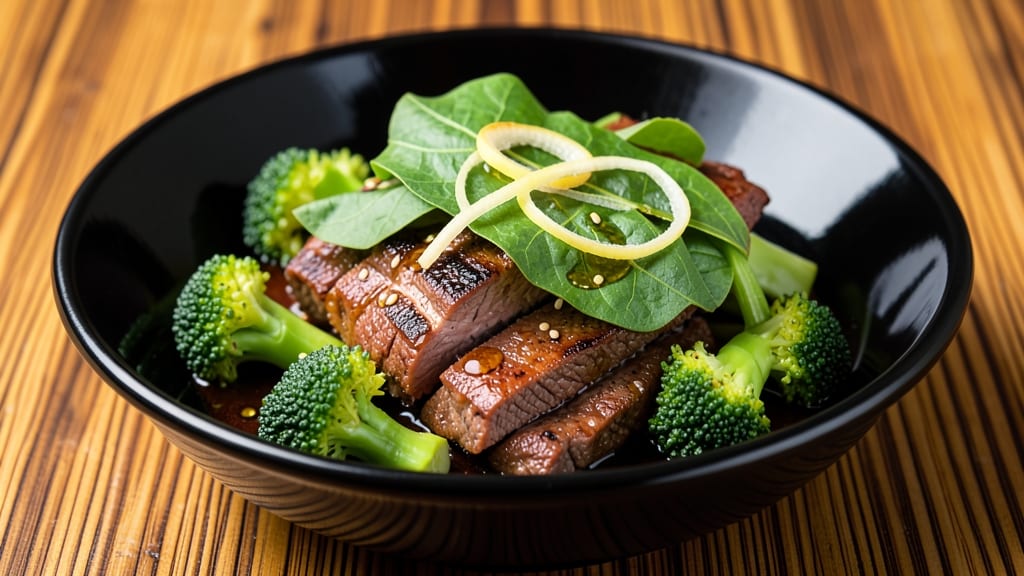
This Hawaiian-style beef and broccoli recipe Lau brings the bold flavors of a traditional luau to your kitchen table. 🌺 The secret lies in marinating tender beef in a soy-ginger blend, then wrapping it in taro leaves for that signature smoky aroma.
This isn't just a stir-fry—it's a dish steeped in cultural tradition, where each bite delivers a perfect balance of savory, sweet, and umami.
The beauty of this recipe is in its simplicity and depth. You'll start with a marinade that tenderizes the beef while infusing it with ginger's zing and soy's richness.
The broccoli gets just the right amount of char from the wok, while the taro leaves add an earthy, slightly sweet dimension that makes this dish uniquely Hawaiian. No special equipment is needed—just a few pantry staples and about 30 minutes of active time.
What you'll end up with is restaurant-quality beef and broccoli that's silky, flavorful, and packed with that signature "lau lau" aroma. The beef stays tender and juicy, the broccoli achieves that perfect wok-fired crunch, and the sauce clings to everything in a glossy, savory embrace.
This dish pairs beautifully with steamed white rice or a classic macaroni salad for a complete Hawaiian feast.
Whether you're recreating a luau at home or simply craving a taste of Hawaii, this recipe delivers the real deal. The technique is straightforward, but the flavors are anything but basic—this is comfort food with cultural roots. Let's bring the luau to your kitchen.
Ingredients for beef and broccoli recipe lau
Pantry staples meet Hawaiian tradition—just 14 ingredients for luau-worthy beef and broccoli.
| Ingredient | Amount | Notes |
|---|---|---|
| Flank Steak 🥩 | 1 ½ lb | Thinly sliced against grain |
| Fresh Broccoli 🥦 | 1 ½ lb | Cut into florets, stems peeled |
| Fresh Taro Leaves 🌿 | 6 whole | Or sub 12 oz frozen taro leaves |
| Fresh Ginger 🧄 | 3 tbsp | Grated, peeled |
| Soy Sauce 🍶 | ½ cup | Kikkoman preferred |
| Sesame Oil 🫒 | 1 tbsp | Toasted sesame oil |
| Honey 🍯 | 2 tbsp | Wildflower preferred |
| Garlic Cloves 🧄 | 6 cloves | Minced finely |
| Vegetable Oil 🫒 | ½ cup | High smoke point |
| Green Onion 🧅 | ¼ cup | Sliced thin, white and green |
| Sesame Seeds 🌾 | 1 tbsp | Toasted lightly |
| Salt 🧂 | 1 tsp | Kosher or sea salt |
| Black Pepper 🌶️ | ½ tsp | Freshly cracked |
| White Rice 🍚 | 2 cups | Uncooked, long grain |
The beef is everything here. Flank steak gives that perfect chew, but sirloin or ribeye work too if you prefer. Slice it thinly against the grain—this is non-negotiable for tenderness. For taro leaves, Asian markets usually carry fresh bundles, but frozen works in a pinch. Look for vibrant green leaves with no brown spots. If you can't find taro, substitute collard greens—they add a similar earthy note. The ginger should smell bright and zesty—not dusty or musty. Penzeys or any bulk bin will have good quality.
No soy sauce? Substitute coconut aminos for a slightly sweeter profile. Sesame oil is key for that nutty aroma—don't use the cheap stuff from the back of the pantry. Trader Joe's toasted sesame oil is my go-to. Honey adds depth, but maple syrup works too if you're avoiding it. The garlic can be pre-minced from a jar (trust me, it's fine), but fresh is always better. For the broccoli, baby broccoli florets make this even faster—just trim the stems. And if you're feeling fancy, blanch the taro leaves briefly before wrapping to soften them slightly.
This dish tastes even better the next day—double the batch and freeze half. Store leftovers in airtight containers for 3-4 days in the fridge. The sauce thickens as it sits, so add a splash of water when reheating. For serving, steamed jasmine rice is traditional, but I often make coconut rice for a tropical twist. The taro leaves can be prepped ahead too—just wrap them in damp paper towels and store in a bag for 2 days max.
Why You'll Love This Recipe
- One-Pan Magic: I swear by this recipe when I’m too tired to scrub a million dishes—just sear the flank steak, toss in the broccoli and taro leaves, and let the ginger-soy glaze do the work. The taro leaves wilt into tender greens right alongside the beef, so you’re basically done before the rice is ready.
- Umami Bomb: That first bite? Chef’s kiss. The soy sauce caramelizes into a glossy coat while the ginger adds a bright, zesty kick, and the taro leaves bring this earthy, almost mushroom-like depth. It’s the kind of flavor that makes you pause mid-bite—honestly, I’ve caught myself eating it straight from the wok.
- Leftover Goldmine: Between us, this dish begs to be made extra. The beef stays tender for days, and the broccoli holds its crunch if you reheat it gently. I’ll pack it in lunches all week—my coworkers think I’m a saint for bringing such a hearty, restaurant-quality meal.
- Budget-Friendly Powerhouse: Flank steak is affordable, taro leaves stretch like crazy, and a little ginger goes a long way. I’ve fed four people for under $15, and no one ever complains. Plus, the leftovers freeze like a dream—just toss them in the oven later, and you’ve got dinner solved.
Step-by-step instructions for wok-fired beef and broccoli
Here's how to make this restaurant-quality dish at home—crispy, tender, and packed with flavor.
🔥 Step 1: Prep the Protein and Vegetables
Start by slicing the 1.5 lb flank steak thinly against the grain into ¼-inch thick strips. This ensures tender bites every time. Pat the slices dry with paper towels—moisture prevents proper searing. While the steak rests, cut the 1.5 lb fresh broccoli into even florets and peel the stems. For the 6 whole fresh taro leaves, remove tough stems and chop into 1-inch wide ribbons.
Grate the 3 tbsp fresh ginger using a fine grater and mince the 6 cloves garlic cloves until almost paste-like. Slice the 0.25 cup green onion thinly, separating the white and green parts. Toast the 1 tbsp sesame seeds in a dry skillet over medium heat for 1 minute until fragrant—this adds nutty depth to the final dish.
🍳 Step 2: Cook the Rice and Make the Sauce
Rinse the 2 cups white rice thoroughly under cold water until the water runs clear. Cook according to package instructions—typically 1:2 rice-to-water ratio simmered for 15 minutes off heat. While the rice cooks, prepare the sauce by whisking together the 0.5 cup soy sauce, 2 tbsp honey, 1 tbsp sesame oil, and 1 tsp salt in a bowl. Set aside.
For the wok, heat 0.25 cup vegetable oil over high heat until shimmering. Add the steak strips in a single layer and sear for 1-2 minutes until deep golden brown on both sides. Remove and set aside—this step builds the dish's signature crunch.
🥘 Step 3: Wok-Fry Everything Together
In the same wok, add a little more oil if needed and stir-fry the taro leaves for 1 minute until just wilted. Add the broccoli florets and stir-fry for 3-4 minutes until bright green and slightly blistered. Toss in the minced garlic and grated ginger, cooking for 30 seconds until fragrant.
Return the steak to the wok and pour in the sauce. Toss everything vigorously for 1-2 minutes until the sauce coats all ingredients evenly. The broccoli should be tender-crisp with bright color, and the steak should be coated in that glossy, sticky sauce.
🍽️ Step 4: Finish and Serve
Divide the cooked white rice among serving plates. Top each portion with the beef and broccoli mixture, sprinkling with the toasted sesame seeds and green onion slices. The contrast of crispy seeds against the silky sauce makes this dish pop.
Here's the thing—this dish tastes even better the next day as the flavors meld. Serve immediately while hot, but don't be afraid to make extra for leftovers. The key is getting that perfect wok hei (breath of the wok)—the smoky aroma that comes from high-heat cooking. That's what makes this home version taste like your favorite takeout spot.
Pro Tips For Making Beef And Broccoli Recipe Lau
- Slice Steak Against the Grain: Flank steak’s tough fibers run in one direction—cutting thin slices perpendicular to those lines makes every bite tender. Use a sharp knife and don’t fight it; I’ve wasted good meat trying to force thick cuts.
- Blanch Taro Leaves First: Taro leaves wilt like lettuce if you toss them raw—they’ll turn to mush. Give them a 30-second blanch in boiling water, then shock in ice bath. This keeps them vibrant and prevents a soggy pile at the bottom of your stir-fry.
- Don’t Overcrowd the Pan: I learned this the hard way—dumping everything in at once just steams the beef instead of searing it. Cook the steak in batches if needed, and push it to the sides of the wok to make room for the broccoli to crisp.
- Use Ginger Zest, Not Just Juice: Fresh ginger’s juice is fine, but the zest adds a bright, citrusy kick that cuts through the richness of the soy sauce. Grate a thumb’s worth of ginger, then squeeze out the juice—save the zest for the sauce or garnish.
Essential equipment for great beef and broccoli recipe lau
Wok Essentials
The heart of this dish is your wok—carbon steel woks are ideal for high-heat cooking and developing that signature wok hei aroma. I recommend a 14-inch wok from Made In or Trader Joe's for beginners, as they're affordable and durable.
If you're working with a flat stovetop, a wok with a flat bottom or a cast-iron skillet works just fine. Never use nonstick—it can't handle the high heat needed for proper searing.
Heat Source Matters
You'll need high, consistent heat—a gas stove is perfect, but electric burners can work if you preheat thoroughly. I use a grill pan when my gas stove isn't available, but it won't give you that authentic wok hei.
For induction cooktops, a carbon steel wok with a flat base is a must. Avoid low heat at all costs—it'll make your beef tough and your broccoli mushy.
Tongs and Spatulas
Invest in a good pair of heat-resistant tongs (I love OXO Good Grips) for tossing ingredients—you'll need them constantly. A wide metal spatula (like Mercer Culinary) helps scrape up stuck-on bits without damaging your wok.
Keep a small bowl of water nearby to dip your spatula in if needed—it prevents sticking and makes cleanup easier.
Steamer Basket
If you want to steam the taro leaves separately (for extra tenderness), a bamboo or metal steamer basket is essential. I use a 16-inch bamboo steamer from Amazon that fits perfectly over my wok.
For the rice, a rice cooker (like Cuisinart) saves time and ensures perfect grains every time. If you don't have one, a heavy pot with a tight lid works too.
Marinade Tools
For the marinade, a fine-mesh strainer helps remove any ginger or garlic bits that might make the sauce grainy. I also recommend a small mixing bowl (like Pyrex) for combining the sauce ingredients.
A microplane for ginger and a garlic press save time over grating and mincing by hand. Keep a measuring spoon set handy for precise honey and sesame oil measurements.
Serving Essentials
For plating, I use wide, shallow bowls (like IKEA 365+) to showcase the dish's vibrant colors. A small serving spoon (about 2 tbsp capacity) helps portion the rice neatly.
For garnish, tweezers make it easy to place sesame seeds precisely. Don't forget individual serving plates—I prefer stoneware for that restaurant-quality presentation.
Nutrition facts
Frequently asked questions
What makes this recipe different from regular beef and broccoli?
This version incorporates traditional Hawaiian elements like taro leaves and a soy-ginger marinade that wraps the beef in smoky, umami-rich flavors. The key difference is the wok-fired technique combined with the earthy taro leaves, which give it that authentic "lau lau" aroma you can't get in standard stir-fries.
Can I substitute taro leaves if I can't find them?
Yes! Use collard greens or swiss chard as a substitute—they provide a similar earthy flavor. If you're feeling adventurous, dried seaweed sheets (like nori) can add a subtle oceanic note. Just reduce the quantity by half since they're more concentrated.
How do I get the beef perfectly tender?
Slice the flank steak against the grain into ¼-inch strips and marinate for at least 30 minutes (overnight is even better). The high-heat searing in the wok (just 1-2 minutes) locks in juices, while the sauce keeps it moist. Never overcook—beef should be medium-rare at the center.
What's the best way to reheat leftovers?
Store leftovers in airtight containers for up to 4 days. Reheat gently in a skillet with 1 tsp vegetable oil over medium heat for 3-4 minutes, adding a splash of water to loosen the sauce. Microwaving works too—cover with a damp paper towel and heat for 1-2 minutes. The sauce thickens when cold, so add a little water when reheating.
Can I make this dish in a regular skillet?
Yes, but you'll miss the wok hei (smoky aroma) that comes from high-heat cooking. Use a 12-inch cast-iron skillet on maximum heat and work in batches to avoid crowding. A grill pan is another good alternative. The flavors will still be delicious, just slightly less dramatic.