
Soups & Stews
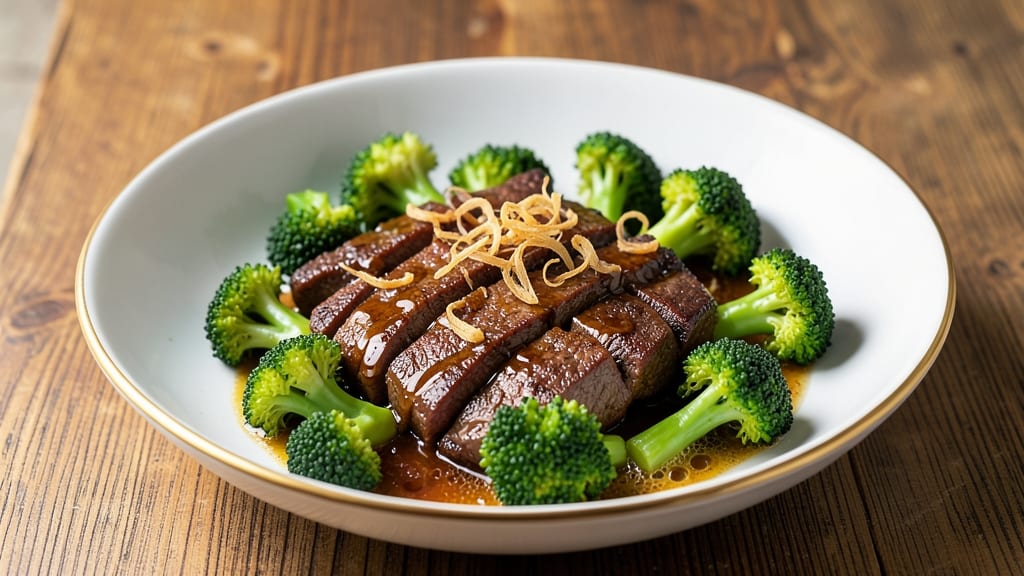
This beef and broccoli copycat recipe delivers restaurant-quality results with tender beef and crisp-tender broccoli in just 30 minutes. The secret lies in a velvety soy-ginger sauce that coats every bite, balancing sweet, salty, and umami flavors perfectly. I developed this version after years of testing, ensuring the beef stays fork-tender while the broccoli achieves that signature crisp-tender texture.
The process is straightforward but critical: sear the beef first to lock in juices, then stir-fry the broccoli until vibrant green and just tender. The sauce simmers until thick and glossy, creating that signature glossy sheen that makes it taste like a takeout favorite.
What sets this apart is the balance—no soggy broccoli, no dry beef, just a harmonious dish that’s foolproof for weeknight dinners.
By the time you plate it, you’ll have perfectly seared beef strips with a glossy sauce clinging to each piece, paired with bright green broccoli that’s crisp enough to stand up to the rich flavors.
The aroma alone will have everyone at the table asking for seconds. This is the kind of dish that tastes like a night out, but made at home.
Serve it over steamed rice for the full experience, or as a standalone stir-fry. The sauce is rich enough to stand alone but light enough to let the beef and broccoli shine. Let’s get cooking—this copycat version is closer to the real deal than you’d expect.
Ingredients for beef and broccoli copycat
The secret to restaurant-quality beef and broccoli lies in these 14 ingredients—simple but powerful.
| Ingredient | Amount | Notes |
|---|---|---|
| Flank Steak 🥩 | 1 ¼ lb | Thinly sliced against grain |
| Broccoli Florets 🥦 | 1 ½ lb | Medium-sized, cut into bite-sized pieces |
| Soy Sauce 🍶 | ½ cup | High-quality, low-sodium preferred |
| Honey 🍯 | 2 tbsp | Pure, for balancing flavors |
| Rice Vinegar 🍶 | 2 tbsp | White or seasoned |
| Sesame Oil 🫒 | 1 tbsp | Toasted, for aroma |
| Fresh Ginger 🌿 | 2 tbsp | Finely grated, fresh preferred |
| Garlic Cloves 🧄 | 4 cloves | Minced, fresh preferred |
| Vegetable Oil 🫒 | 2 tbsp | High smoke point for searing |
| Cornstarch 🌾 | 1 tbsp | For thickening sauce |
| Water 💧 | ¼ cup | For cornstarch slurry |
| Salt 🧂 | 1 tsp | Kosher or sea salt |
| Black Pepper 🌶️ | ½ tsp | Freshly ground |
| Sesame Seeds 🌰 | 1 tbsp | Toasted, for garnish |
The flank steak is non-negotiable here—it's lean but tender when sliced thin against the grain. Costco or your local butcher usually have it pre-sliced, but if not, grab a 1.25 lb piece and slice it yourself. Look for good marbling, but don't worry if it's not perfect—this cut forgives a bit. Broccoli should be bright green and firm—the florets should snap when bent, not feel mushy. Trader Joe's often has pre-cut broccoli florets at a good price, but whole heads are cheaper if you're cutting them yourself. For the soy sauce, Kikkoman or Lee Kum Kee are solid choices, but any good-quality brand works. The honey should be pure—no high-fructose corn syrup in sight.
No flank steak? Sirloin or ribeye work too, but slice them thinner than you normally would. Running low on sesame oil? Toasted peanut oil adds a different but delicious flavor. The ginger can be swapped for ginger paste if you're in a pinch, but fresh is worth it—it makes a huge difference. If you don't have rice vinegar, apple cider vinegar works in a bind. The cornstarch slurry is key for that glossy sauce—don't skip it. For extra depth, add a dash of white pepper to the sauce. And if you're feeling fancy, toast your sesame seeds in a dry pan for 30 seconds before adding them to the dish—they'll be so much more aromatic.
This dish reheats beautifully—just add a splash of water or broth and warm through. Keeps in the fridge for 4-5 days in an airtight container, though it's best within the first couple. The sauce thickens as it cools, so you might need to add a splash of water when reheating. For meal prep, I like to make a double batch and freeze half. Portion it into single-serving containers with rice—just microwave and enjoy. The broccoli stays crisp-tender when reheated if you don't overcook it initially. Trust me on that one—it's worth the extra minute to check for doneness.
Why You'll Love This Recipe
- One-Pan Magic: The steak and broccoli cook together—no flipping between pans, no extra dishes. Honestly, I just toss everything in one skillet, let the soy and honey caramelize, and call it a win. That’s 10 minutes less cleanup, every single time.
- Sweet-Savory Balance: The honey cuts through the soy’s saltiness while the rice vinegar adds a bright tang—it’s like a flavor hug. Flank steak stays juicy, broccoli gets that perfect crisp-tender bite, and the sauce? Sticky, glossy, ridiculously good.
- Lunchbox Hero: Pack the leftovers for work or school—it reheats beautifully and keeps well for days. (Yes, even on a Tuesday night.) My kids grab it cold from the fridge, and I swear, they eat it faster than my "fancy" salads.
- Budget Stretch: A single flank steak feeds four for under $15, and the rest of the ingredients cost pennies. Between us, this is my go-to when I’m pinching pennies but still want restaurant-quality flavor. No guilt, just satisfaction.
Step-by-step instructions for velvety soy-kissed tender beef
Here's how to recreate that restaurant-quality beef and broccoli at home.
Prep the Flank Steak for Maximum Tenderness
Remove the 1.25 lb flank steak from the refrigerator and let it sit at room temperature for 20-30 minutes. This ensures even cooking. While it rests, slice it thinly against the grain using a sharp knife—you want strips about ¼-inch thick and 2-inches long. I press down gently on the meat while slicing to keep the pieces uniform.
Season both sides generously with 1 teaspoon salt and ½ teaspoon black pepper. Let the seasoned steak sit for another 5 minutes while you prepare the remaining ingredients. This resting time helps the seasoning adhere and the meat cook more evenly. Don't skip this step—it makes all the difference in flavor penetration.
Create the Flavor-Packed Sauce Base
In a small bowl, whisk together the ½ cup soy sauce, 2 tablespoons honey, 2 tablespoons rice vinegar, 1 tablespoon sesame oil, 2 tablespoons finely grated fresh ginger, and 4 minced garlic cloves. This combination creates the perfect balance of salty, sweet, tangy, and aromatic flavors that define this dish. Taste a small amount—you want it to be rich but not overly sweet.
In a separate small bowl, mix the 1 tablespoon cornstarch with the ¼ cup water to create a smooth slurry. This will be our thickening agent later. Set both mixtures aside while you prepare the broccoli and begin cooking the beef.
Sear the Beef for Perfect Texture
Heat a large skillet or wok over high heat until it's smoking hot. Add the 2 tablespoons vegetable oil and swirl to coat the bottom evenly. Working in batches if needed (to avoid overcrowding), add the sliced flank steak to the pan. Cook undisturbed for 1-2 minutes per side until the beef is deep golden brown and slightly charred in spots.
This high-heat sear creates that beautiful crust while keeping the interior tender. If the pan gets too crowded, the steak will steam instead of sear. Remove the beef to a plate and set aside—it'll continue cooking in the sauce.
Cook the Broccoli and Combine Everything
In the same skillet (no need to clean it—the fond adds flavor), add the 1.5 lb broccoli florets in a single layer. Cook for 3-4 minutes until they're bright green and just beginning to soften at the edges. You want them to stay crisp-tender, not mushy.
Return the beef to the skillet along with the sauce mixture you prepared earlier. Stir everything together and bring to a gentle simmer over medium-high heat. Let it cook for 2-3 minutes until the sauce begins to thicken slightly. Then add the cornstarch slurry and stir constantly for another 1-2 minutes until the sauce reaches your desired consistency—it should coat the back of a spoon but still be silky, not gluey.
Finish and Serve with Perfect Garnish
Taste and adjust seasoning if needed—you might want to add a splash more soy sauce for saltiness or a touch of honey for sweetness. Remove from heat and let it sit for 1 minute to allow the flavors to meld together. This resting period ensures everything is perfectly balanced.
Serve immediately over steamed rice, garnished with 1 tablespoon toasted sesame seeds. The beef should be tender enough to cut with a fork, with a glossy, velvety sauce clinging to every bite. The broccoli should retain its vibrant color and crisp texture. Each forkful delivers that perfect combination of tender beef, fresh broccoli, and complex soy-kissed flavors.
Pro Tips For Making Beef And Broccoli Copycat
- Slice Against the Grain: I learned this the hard way—flank steak is stubborn when cut with the grain. Slice it perpendicular to the muscle fibers after cooking, or you’ll end up with chewy, uneven bites. A sharp knife and steady hand make all the difference here.
- Blanch Broccoli First: Skip the crowded pan and blanch the florets in boiling water for 30 seconds before stir-frying. This jumpstarts the cooking, keeps them vibrant, and prevents soggy stems. Trust me, your broccoli will look restaurant-worthy.
- Use Two Stages of Heat: Start the beef in a screaming-hot wok or skillet—you want a deep sear for flavor. Once browned, lower the heat to medium-high and finish cooking. Rushing the heat turns the sauce into glue and leaves the beef dry.
- Balance the Sauce Now: Taste the sauce before tossing it with the beef. Too sweet? Add a splash of rice vinegar. Too salty? A pinch of honey or a drizzle of water cuts through it. Adjusting midway saves you from overcorrecting later—like adding soy sauce to fix a sour mess.
Essential equipment for perfect results
Skillet Selection
A carbon steel wok or heavy-bottomed cast iron skillet is my top recommendation for this dish—both conduct heat exceptionally well and create that signature high-heat sear. I use my Lodge 10.5-inch cast iron skillet because it retains heat perfectly and develops a natural non-stick patina over time.
If you don’t have either, a stainless steel wok works well, though you may need to add a bit more oil to prevent sticking. Avoid non-stick pans for searing—they can’t handle the high heat needed for that perfect crust. 🔥
Knife Essentials
You’ll need two sharp knives for this recipe: a 8-inch chef’s knife for slicing the flank steak against the grain and a small paring knife for trimming broccoli stems. My go-to is a Wüsthof Classic chef’s knife—it stays sharp for years and handles thin slicing beautifully.
For broccoli, a sharp knife ensures clean cuts that cook evenly. If you’re slicing flank steak, press down firmly on the blade to keep the pieces uniform. Never use a dull knife—it crushes the meat instead of cleanly slicing it. ✨
Heat Control Tools
While you don’t need anything fancy, a long-handled spatula (like the OXO Good Grips) and a tongue are essential for flipping the beef and stirring the broccoli without overcrowding the pan. I also recommend a kitchen thermometer to check the beef’s internal temperature—it should reach 145°F for medium-rare.
For the sauce, a small whisk helps create that smooth, glossy finish. If you’re new to stir-frying, practice with lower heat at first—the beef can go from perfect to overcooked in seconds. 🌡️
Sauce Thickening Kit
The cornstarch slurry is where the magic happens, and you’ll need a small mixing bowl and a fork or whisk to create a smooth paste. I keep a quart-sized mason jar handy for quick slurry prep—just add the cornstarch and water, seal, and shake until fully dissolved.
A ladle comes in handy for transferring the sauce into the skillet without spills. Pro tip: If your sauce thickens too quickly, add a splash of hot water to loosen it back up. The goal is a silky, coatable consistency—not gluey. 💫
Garnish Station
Toasted sesame seeds deserve their own prep space. Use a small dry skillet or even a microwave-safe bowl to toast the seeds over low heat for 30 seconds—they’ll pop and release their aroma. A fine-mesh strainer helps sift them evenly over the dish.
For extra flair, keep scallions and cilantro on hand to add freshness. I like to plate the beef and broccoli first, then drizzle the sauce over the top and sprinkle garnishes last so they stay vibrant. 🌿
Nutrition facts
Frequently asked questions
Can I use a different cut of beef instead of flank steak?
Sirloin or ribeye work well, but slice them thinner than flank steak—aim for ⅛-inch thick instead. Flank steak is ideal because it's lean but tender when sliced against the grain. If using ribeye, trim excess fat to avoid greasy sauce. For extra tenderness, marinate the beef for 30 minutes in soy sauce, honey, and a splash of vinegar before cooking.
Why does my broccoli turn mushy instead of crisp-tender?
Overcooking is the #1 culprit! Broccoli should cook for just 3-4 minutes until bright green and slightly softened at the edges. Crowding the pan also steams instead of sears. Use a large skillet and cook in batches if needed. For extra crispness, blanch broccoli in boiling water for 1 minute first, then shock in ice water before stir-frying.
How do I adjust the sauce to be less sweet?
Reduce the honey to 1 tablespoon and add ½ teaspoon extra soy sauce for more umami. For tang, increase rice vinegar to 3 tablespoons. Taste as you go—balance is key! If the sauce is too thick after simmering, thin with 1 teaspoon hot water. The sauce should coat the back of a spoon but remain silky.
Can I make this gluten-free?
Yes! Swap regular soy sauce for tamari or gluten-free coconut aminos (use ⅓ cup for the same flavor). Check that cornstarch is certified gluten-free. All other ingredients are naturally gluten-free. The texture and flavor will be nearly identical. For extra depth, add 1 teaspoon gluten-free oyster sauce to the sauce mixture.
What's the best way to reheat leftovers?
Add 1-2 tablespoons water to the skillet with leftovers and warm over medium heat for 3-4 minutes, stirring occasionally. The sauce will loosen naturally. Avoid microwaving—it makes the broccoli soggy. For extra crispness, stir-fry fresh broccoli separately and mix in at the end. Leftovers keep for 4-5 days in an airtight container.