
Soups & Stews
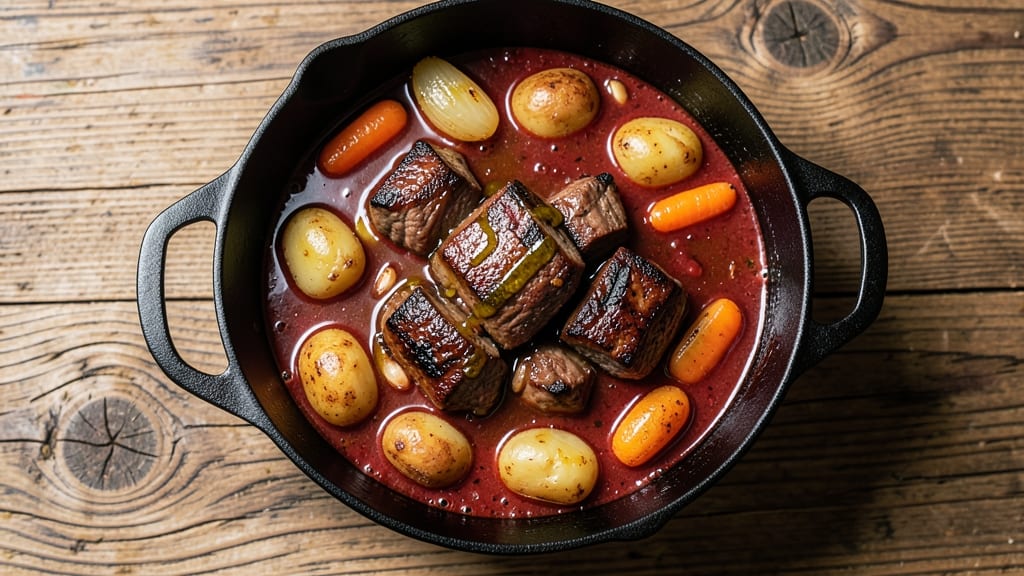
This beat beef stew recipe transforms tough cuts into melt-in-your-mouth perfection through slow, deep braising—where rich umami flavors develop alongside caramelized root vegetables. The technique starts with proper browning of the beef, creating a flavorful crust that dissolves into the broth as it simmers.
This isn’t just a stew; it’s a hearty, restaurant-quality meal that builds flavor layer by layer over hours of gentle cooking.
The secret lies in patience and preparation: searing the beef in batches to avoid crowding, then deglazing the pot to capture every browned bit of flavor. Carrots, potatoes, and onions soften into sweet, tender morsels while the beef becomes fork-tender, absorbing the savory broth.
This method works equally well in a traditional Dutch oven, slow cooker, or Instant Pot, giving you flexibility for any schedule.
What you’ll end up with is a deeply aromatic stew where each spoonful delivers a perfect balance of meaty richness and vegetable sweetness. The sauce thickens naturally as it simmers, coating every ingredient in a velvety, umami-packed broth.
Serve it with crusty bread or over mashed potatoes to soak up every last drop of that flavorful liquid.
Whether you’re feeding a family or prepping for leftovers, this stew scales effortlessly while maintaining its depth of flavor. The beauty of this recipe is its adaptability—use it as a standalone meal or pair it with sides like roasted greens or a simple salad. Let’s get cooking!
Ingredients for beat beef stew
Transform tough beef into restaurant-quality melt-in-your-mouth perfection with these carefully selected ingredients.
| Ingredient | Amount | Notes |
|---|---|---|
| Beef Chuck Roast 🥩 | 3 lb | Cut into 1.5-inch cubes, trimmed of fat |
| Yellow Onions 🧅 | 2 whole | Cut into 1-inch chunks, peeled |
| Carrots 🥕 | 1 ½ lb | Peeled, cut into 1-inch chunks |
| Russet Potatoes 🥔 | 2 lb | Peeled, cut into 1.5-inch chunks |
| Garlic Cloves 🧄 | 6 cloves | Peeled, smashed |
| Tomato Paste 🍅 | ½ cup | Smooth, not chunky |
| Beef Broth 💧 | 4 cups | Low-sodium preferred |
| Dry Red Wine 🍷 | 1 cup | Bold variety like Cabernet |
| Olive Oil 🫒 | ¼ cup | Extra-virgin for richness |
| Fresh Thyme 🌿 | ¼ cup | Leaves only, stems removed |
| Fresh Rosemary 🌿 | ¼ cup | Chopped, stems removed |
| Kosher Salt 🧂 | 1 ½ tsp | Diamond Crystal preferred |
| Ground Black Pepper 🌶️ | 1 tsp | Freshly ground |
| All-Purpose Flour 🌾 | 2 tbsp | For thickening |
The beef selection is non-negotiable for this braise—chuck roast delivers the best texture and flavor when cooked low and slow. Look for cuts with good marbling at Costco or Whole Foods for optimal quality. The root vegetables should be firm and free of soft spots; organic potatoes and carrots from the farmers market add superior sweetness. For the wine, any bold red works—Cabernet Sauvignon or Merlot from the store's wine fridge will do. Fresh herbs are ideal, but dried thyme and rosemary work at one-third the amount if needed.
No red wine? Substitute with extra beef broth—just add 1 tablespoon of balsamic vinegar for depth. The tomato paste can be replaced with 1 cup crushed tomatoes if you prefer a chunkier texture, though it won't caramelize as beautifully. For a vegetarian version, swap the beef for mushrooms and lentils (2 cups each). The flour used for thickening should be all-purpose or bread flour—avoid cake flour which lacks the necessary protein. If you're prepping ahead, par-cook the vegetables and store separately from the raw beef to maintain freshness.
This stew develops deeper flavor with each passing hour—best served 2-3 days after cooking when the meat becomes fork-tender. Store in an airtight container in the fridge for up to 5 days or freeze for 3 months. For reheating, add a splash of water or broth to prevent drying. The leftovers reheat beautifully, making this an ideal make-ahead meal for busy weeks. Portion into individual containers for easy lunches, or freeze in single-serving portions for quick meals.
Why You'll Love This Recipe
- Foolproof Prep: I swear, this stew is the kind of recipe where you can chop onions while watching a show—no fancy skills needed. The chuck roast practically melts itself with slow cooking, and the potatoes just soak up all the flavor like sponges.
- Rich, Deep Umami: Between the beef’s natural richness and that garlic-onion base caramelizing at the bottom, every bite has this meaty satisfaction. Honestly, the first time I tasted it, I thought, “Why haven’t I been making this my whole life?”
- Leftovers That Shine: This stew tastes better the next day—yes, really. I make a double batch on Sundays, freeze half, and pull it out for lazy nights. The potatoes get even softer, and the beef? Falls apart like it’s been simmering for hours.
- Budget-Friendly Feast: A single chuck roast stretches across three meals for my family of four, and the veggies are cheap staples. Between us, this is my go-to when I need to feed everyone without breaking the bank—or stressing over grocery bills.
Step-by-step instructions for deep umami braise with caramelized root vegetables
Master this technique and you'll achieve restaurant-quality beef stew with tender meat and perfectly caramelized vegetables.
Sear the Beef Chuck for Deep Flavor
Heat the 0.25 cup olive oil in a large Dutch oven over medium-high heat until shimmering. Working in batches, add the 3 lb beef chuck roast cut into 1.5-inch cubes, letting each piece develop a deep brown crust before turning—this creates the Maillard reaction that builds rich umami flavor. I press down gently on the meat during the first minute to prevent curling, which ensures even contact with the pan.
Once all beef is browned and removed from the pot, reduce heat to medium and add the 2 whole yellow onions and 1.5 lb carrots cut into 1-inch chunks. Cook for 8-10 minutes until the onions soften and begin to caramelize at the edges. This foundational step builds sweetness that balances the stew's savory depth.
Build the Umami Base with Aromatics and Tomato
Add the 6 smashed garlic cloves, 0.25 cup chopped fresh rosemary, and 0.25 cup fresh thyme leaves to the pot, stirring for 30 seconds until fragrant. Immediately pour in the 1 cup dry red wine, scraping up all the browned bits from the bottom—this deglazing captures all the accumulated flavor. Let it simmer for 3 minutes until reduced by half.
Stir in the 0.5 cup tomato paste and cook for another 2 minutes until it darkens slightly. This step creates the stew's rich, velvety base. Sprinkle the 2 tbsp all-purpose flour over the mixture and stir vigorously for 1 minute to cook off the raw flour taste completely. This flour will later help thicken the stew to a perfect consistency.
Braise with Liquid and Potatoes
Pour in the 4 cups beef broth and bring to a gentle simmer. Add the 2 lb russet potatoes cut into 1.5-inch chunks, ensuring they're mostly submerged. Season with 1.5 tsp kosher salt and 1 tsp ground black pepper. The potatoes should be partially covered by liquid—if not, add a splash of water.
Cover the Dutch oven and transfer to a preheated 325°F oven. Here's the thing—this low temperature is crucial for tenderizing the beef through slow cooking. Braise for 2.5 hours, stirring occasionally, until the beef is fork-tender and pulls apart easily. The potatoes should be soft but still hold their shape when pierced with a fork.
Finish and Adjust the Stew
Remove the stew from the oven and let it rest uncovered for 10 minutes to allow the flavors to meld and the sauce to thicken slightly. Taste and adjust seasoning—this is where you can really make the stew sing. I often add a pinch more salt or a splash of red wine if the flavors need balancing. The sauce should coat the back of a spoon but still be light enough to spoon over the vegetables.
Garnish with additional fresh thyme and rosemary sprigs before serving. The final stew should have tender beef that falls apart at the touch, caramelized onions and carrots with sweet depth, and a sauce that's rich but not heavy. Serve immediately with crusty bread to soak up every last drop of that umami-packed liquid gold.
Pro Tips For Making Beat Beef Stew
- CRUST THE POTATOES FIRST: I used to toss them in raw and they’d turn to mush—now I parboil the Russets for 8 minutes, then rough up the skins with a knife. That crispy edge is what makes stew feel special, and it’s the thing that matters most when you’re simmering for hours.
- SWEAT ONIONS LOW AND LONG: Skip the high heat—cook those onions over medium-low until they’re translucent and just starting to caramelize, about 15 minutes. Rushed sweating means bitter flavors later, and no one wants that in their stew.
- SEAR THE CHUCK IN BATCHES: Crowding the pan = steaming, not browning. Cut the beef into 1.5-inch chunks and work in two batches if needed—hot oil and a packed pan guarantee that crusty sear that locks in flavor.
- ADD POTATOES LAST: I learned this the hard way—potatoes added too early turn to glue. Toss them in with the carrots during the final 25 minutes of cooking, and they’ll soak up the beefy broth without falling apart.
Common mistakes when making this dish
Overcrowding the Pan
One of the biggest mistakes I see is overcrowding the Dutch oven when searing the beef. When you pack too many pieces in at once, they steam instead of brown, robbing you of that crucial Maillard reaction that creates deep flavor.
Work in batches—no more than 1.5 lbs of beef at a time—and give each piece space to develop that golden crust. Trust me, the extra 5 minutes it takes to sear in batches makes a world of difference in the final flavor. 🔥
Skipping the Deglaze
Many cooks skip the critical step of deglazing after browning the beef. Those browned bits stuck to the bottom of your pot are flavor gold! When you pour in the red wine or broth, scrape up every last bit with a wooden spoon.
This simple step adds layers of umami depth that you’d miss otherwise. I’ve tasted stews where this was skipped, and they lacked that rich, complex flavor profile. Don’t let that happen to yours!
Using the Wrong Cut of Beef
Not all beef cuts are created equal for stew. While you can use tougher cuts like flank steak, they won’t achieve the same melt-in-your-mouth tenderness. Chuck roast is the gold standard because its connective tissue breaks down beautifully during slow cooking.
If you’re tempted to use a leaner cut like sirloin, you’ll end up with dry, chewy meat. Stick with the chuck—it’s worth the investment for that fork-tender result. 🥩
Rushing the Braise Time
Patience is key with beef stew, and I’ve seen too many cooks pull it out of the oven too soon. The beef needs at least 2.5 hours at 325°F to become truly tender. If you rush it, you’ll end up with meat that’s still tough in the center.
I know it’s tempting to check earlier, but resist! The longer it cooks, the more flavorful and tender everything becomes. Think of it as an investment in your meal’s quality.
Ignoring the Resting Period
After removing the stew from the oven, many people dive right into serving it. But letting it rest uncovered for 10-15 minutes allows the juices to redistribute and the sauce to thicken slightly. Skipping this step means you’ll lose some of that precious liquid, resulting in a drier stew.
It’s a small detail, but it makes a noticeable difference in the final texture and flavor. Don’t skip it—your taste buds will thank you! ⏳
Over-Salting Early
Adding all the salt at the beginning can make your stew taste bland by the end. Instead, season gradually: add half the salt when you first add the broth, then taste and adjust after the braising is complete.
This way, you can fine-tune the flavor to perfection. I’ve had stews where the salt was added all at once, and they ended up tasting flat. Taste as you go—it’s the secret to a perfectly balanced dish. 🧂
Nutrition facts
Frequently asked questions
What makes this braised beef stew different from regular beef stew?
This recipe focuses on a deep umami flavor profile through proper searing, deglazing, and slow braising at 325°F for 2.5 hours. The key differences are the wine reduction, tomato paste base, and precise vegetable caramelization that creates a richer, more complex sauce. Regular stews often skip these steps, resulting in a simpler flavor profile.
Can I make this stew in a slow cooker or Instant Pot?
For a slow cooker, brown the beef first, then transfer everything to the pot and cook on low for 8 hours or high for 5 hours. For the Instant Pot, use the sear/sauté function for browning, then cook on high pressure for 45 minutes followed by a 10-minute natural release. Both methods work well, though oven-braised versions develop deeper caramelization.
How do I know when the beef is fully tender?
The beef should easily pull apart with a fork and have no resistance when pierced. For oven-braised versions, this typically happens after 2.5 hours at 325°F. In a slow cooker, test after 6 hours if needed. If it's still tough, cook 30-60 more minutes - patience is key! The potatoes should also be fork-tender but not falling apart.
What's the best way to reheat leftovers?
Reheat gently in a pot over low heat with 2-3 tablespoons of water or broth to prevent drying. Never microwave directly as it can make the sauce watery. For best results, bring to a gentle simmer and cook for 5-10 minutes until heated through. Leftovers keep well for 5 days in the fridge or 3 months frozen.
Can I substitute any of the vegetables?
Yes, but choose vegetables with similar cooking times. Swap carrots for parsnips or celery, and potatoes for sweet potatoes. For a lighter version, use cauliflower or butternut squash (cut into 1-inch cubes). The key is maintaining the vegetable-to-meat ratio for proper flavor balance. Just avoid watery vegetables like zucchini that would dilute the sauce.