
Main Courses
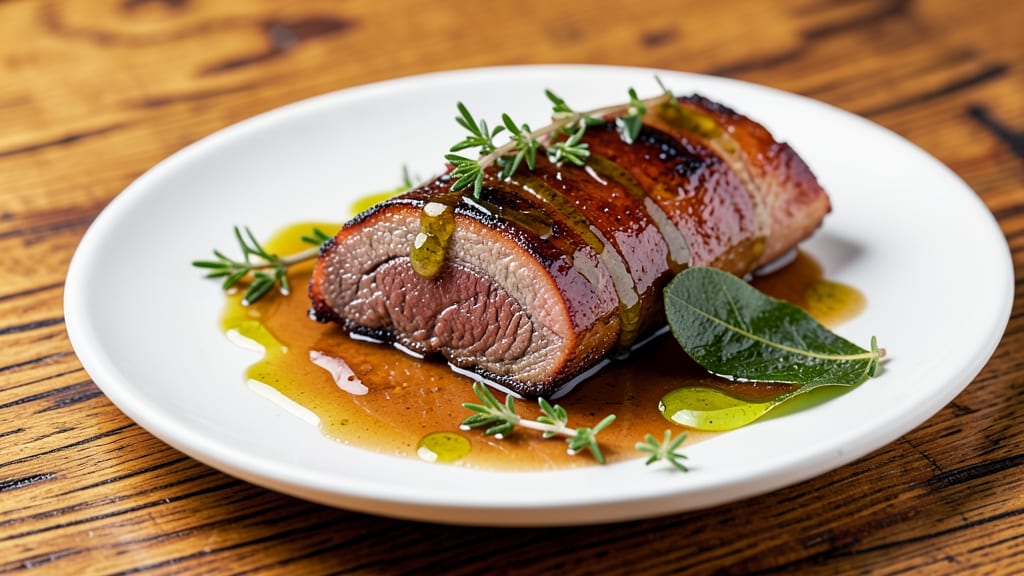
This Basque beef tongue recipe transforms a humble cut into a melt-in-your-mouth centerpiece that defines Basque cuisine's rich tradition. 🔥 The secret lies in slow-braising, where tough connective tissue dissolves into velvety texture while absorbing deep, savory flavors—no shortcuts, just patience and technique.
What starts as a firm, chewy piece becomes so tender it practically dissolves on the tongue, earning its place as a festive staple.
The Basque method begins with thorough cleaning and soaking to remove impurities, followed by a flavor-packed braise of garlic, white wine, and aromatic herbs. This isn't just a recipe; it's a celebration of Basque culinary heritage, where humble ingredients become extraordinary through slow, deliberate cooking.
The result? A dish so luxurious it feels like a restaurant experience at home.
What you'll achieve is a fork-tender masterpiece with a glossy, caramelized exterior and layers of buttery richness inside. The braising liquid reduces to a concentrated sauce that can be used to baste the tongue or serve as a dipping sauce for crusty bread.
This is comfort food elevated—perfect for special occasions or when you want to impress with authentic Basque flavors.
Pair it with local vegetables like green beans or a simple salad to balance the richness, or serve with traditional Basque bread to soak up every last drop of that flavorful braising liquid.
The slow-cooker adaptation makes this accessible for modern kitchens without sacrificing tradition. Let's get started on this timeless dish.
Ingredients for basque beef tongue
Sixteen ingredients transform humble beef tongue into Basque luxury through slow, deliberate cooking.
| Ingredient | Amount | Notes |
|---|---|---|
| Beef Tongue (fresh, whole) 🥩 | 2 lb | Organic preferred, skin removed |
| Garlic Cloves 🧄 | 12 whole | Peeled, smashed for infusion |
| Dry White Wine 🍷 | 2 cups | Albariño or Viura preferred |
| Olive Oil 🫒 | ½ cup | Extra-virgin for richness |
| Fresh Thyme Sprigs 🌿 | 6 whole | Stems attached for easy removal |
| Fresh Bay Leaves 🍃 | 4 whole | Dried works at half amount |
| Black Peppercorns 🌶️ | 1 tbsp | Crushed for depth of flavor |
| Diamond Crystal Kosher Salt 🧂 | 1 ½ tbsp | For curing and seasoning |
| Onion (yellow, whole) 🧅 | 1 whole | Peeled, quartered for braising |
| Carrots (whole) 🥕 | 4 whole | Peeled, cut into chunks |
| Tomato Paste 🍅 | ¼ cup | San Marzano preferred |
| Balsamic Vinegar 🍶 | ½ cup | Aged 10+ years for depth |
| Fresh Parsley 🌿 | ¼ cup | Chopped, for garnish |
The beef tongue is the star—source from a trusted butcher or specialty market like Whole Foods or D'Artagnan for the best quality. Look for tongues with a vibrant pink hue and minimal marbling, as the fat content should be moderate. A 2-pound whole tongue yields about 4 servings once braised, so plan accordingly. If you can't find fresh, the vacuum-sealed variety from the meat counter works too, but soak it overnight to remove impurities. The garlic should be freshly peeled—don't use pre-minced, as it burns easily during the long braise. For the white wine, skip the cheap stuff; a Spanish Albariño or Basque Viura adds authentic depth, but a dry Sauvignon Blanc in a pinch won't disappoint.
No fresh thyme? Dried thyme at one-third the amount works, but the aroma is less pronounced. Running short on balsamic vinegar? A mix of red wine vinegar and a splash of brown sugar mimics the depth. The tomato paste can be substituted with crushed San Marzano tomatoes if you prefer a chunkier sauce. For the onion and carrots, baby versions work fine—just adjust the cutting size to match. The peppercorns should be lightly crushed in a mortar or with a rolling pin to release their oils without turning to powder. If you're using a slow cooker, reduce the wine by half to prevent over-browning, and add a splash of beef stock instead.
Store the braised tongue in its juices for up to 5 days in the fridge, or freeze for 3 months in an airtight container. The reduced braising sauce keeps separately for 4 days in the fridge—use it to baste the tongue or drizzle over roasted vegetables. For leftovers, reheat gently in a skillet with a splash of white wine or broth to restore moisture. The parsley garnish adds brightness, but it's optional—just toss in a handful at the end. This dish tastes even better the next day as flavors meld, so plan ahead for a showstopping dinner where the tongue takes center stage.
Why You'll Love This Recipe
- One-Pot Magic: I swear by this recipe—just sear the tongue, toss in garlic, wine, and thyme, then let it slow-cook. No chopping, no fussing, no extra dishes. The wine reduces right into the pan, so cleanup is basically nonexistent.
- Garlic-Wine Euphoria: That first bite? Rich, tender beef with layers of caramelized garlic and bright white wine cutting through the richness. The thyme adds this earthy freshness that makes it feel fancy without trying too hard. It’s the kind of flavor that lingers—like a good memory.
- Leftovers That Work: This recipe actually improves the next day. The tongue gets even more tender, and I love slicing it thin for sandwiches or melting it into a quick pasta. Honestly, I make it on Sundays just so I can snack on it all week.
- Budget Feast: A whole beef tongue feeds four for under $15. That’s a fraction of the cost of steak, but it delivers that same satisfying, meaty comfort. Plus, the wine and olive oil elevate it so much, you’d never guess it’s a budget-friendly secret weapon.
Step-by-step instructions for Basque beef tongue
Transform tough beef tongue into melt-in-your-mouth luxury with this slow-braising technique.
🔥 Step 1: Cure and Parboil the Tongue
Start by scoring the surface of the 2 lb beef tongue in a crosshatch pattern with a sharp knife—this helps the curing process penetrate deeply and creates a beautiful texture when braised. In a bowl, combine the 1.5 tbsp diamond crystal kosher salt and 1 tbsp crushed black peppercorns. Rub this mixture all over the tongue, pressing firmly to ensure even coverage. Place the tongue on a plate and refrigerate uncovered for 24 hours—this curing step is essential for tenderizing the meat.
After curing, rinse the tongue thoroughly under cold water to remove excess salt. In a large pot, combine 4 quarts of water, the 1 whole yellow onion (quartered), 4 whole carrots (cut into chunks), 6 whole fresh thyme sprigs, and 4 whole fresh bay leaves. Bring to a boil over high heat, then reduce to a simmer. Add the tongue and parboil for 2 hours until the meat is fork-tender when pierced. Drain and set aside.
🍳 Step 2: Build the Braising Base
In a large Dutch oven, heat 0.5 cup olive oil over medium heat. Add the 12 whole peeled garlic cloves (smashed) and cook for 1-2 minutes until fragrant but not browned—this prevents bitterness. Stir in the 0.25 cup tomato paste and cook for 2 minutes until it darkens slightly and releases its deep flavor. Pour in the 2 cups dry white wine and scrape up any browned bits from the bottom of the pot with a wooden spoon.
Bring the wine to a simmer and reduce by half (about 8-10 minutes) until it coats the back of a spoon. This reduction concentrates the flavors and forms the foundation of your braising liquid. Here's the thing—don't rush this step. The wine needs time to develop complexity, and any sediment that forms is pure flavor waiting to infuse the tongue.
🥘 Step 3: Braise Until Fork-Tender
Return the parboiled tongue to the Dutch oven and add 2 cups water to the pot. The liquid should come about halfway up the sides of the tongue. Bring to a gentle simmer over low heat, then cover tightly with a lid. Braise for 3 hours, turning the tongue every 45 minutes to ensure even cooking and prevent sticking. You'll know it's ready when the meat separates easily with a fork and the juices run clear.
During the last 30 minutes of braising, stir in the 0.5 cup aged balsamic vinegar. This adds a tangy depth that balances the richness of the tongue and complements the wine's acidity. The vinegar also helps tenderize the meat further during the final cooking phase. Keep an eye on the liquid level—add water if it reduces too much, but don't overdo it or you'll dilute the flavor.
⏰ Step 4: Rest and Finish
Once the tongue reaches fork-tender perfection, remove it from the braising liquid and transfer to a cutting board. Tent loosely with aluminum foil and let it rest for 15 minutes. This resting period allows the juices to redistribute throughout the meat, ensuring each slice remains moist and flavorful when served. While it rests, skim any fat from the braising liquid and reduce it by half over medium heat to create a glossy, concentrated sauce.
After resting, slice the tongue into ½-inch thick slices against the grain for maximum tenderness. Arrange the slices on a serving platter and ladle the reduced braising sauce over the top. Garnish with the 0.25 cup chopped fresh parsley just before serving to add a bright, fresh contrast to the rich flavors. The result should be slices that melt in your mouth with a perfect balance of wine, balsamic, and herbal notes.
Pro Tips For Making Basque Beef Tongue
- Sear the Tongue First: Before simmering, sear the whole tongue in olive oil over medium-high heat until deeply browned—about 5 minutes per side. This locks in flavor and prevents the meat from drying out later. I used to skip this, and the tongue always tasted bland and underwhelming.
- Score the Surface: With a sharp knife, make shallow crosshatch cuts (about 1/4-inch deep) all over the tongue’s surface before cooking. This lets the garlic, wine, and thyme penetrate deeper, giving every bite that rich, aromatic punch. Yes, it looks a little brutal, but it works.
- Use a Splatter Screen: When deglazing the pan with white wine, place a splatter screen over the flame to catch the alcohol’s fiery burst. Without it, you’ll lose half the liquid to the air—and that wine is the soul of the dish. Trust me, your kitchen (and your lungs) will thank you.
- Simmer Low and Slow: After the initial sear and wine reduction, drop the heat to a bare simmer (tiny bubbles, not rolling) and cover the pot. Too much heat now will turn the tongue tough, and no one wants that. I learned this after a chewy disaster—now I keep it at a whisper.
Creative variations of this basque beef tongue
Modern Slow-Cooker Adaptation
For busy cooks, a 6-quart slow cooker makes this Basque classic accessible without sacrificing tradition.
After curing and parboiling the tongue as directed, transfer it to the slow cooker with 1 cup white wine, 1 cup water, 12 smashed garlic cloves, 6 thyme sprigs, 4 bay leaves, and ½ cup tomato paste.
Cook on LOW for 8-10 hours, adding ½ cup balsamic vinegar in the final hour. The result? A hands-off method that delivers the same tender, flavorful tongue—just with less active time. 💡
Spiced Basque-Style Version
Infuse the braising liquid with 1 tsp smoked paprika and ½ tsp ground cumin for a smoky twist on tradition. Add these spices with the garlic and tomato paste during Step 2. The earthy warmth pairs beautifully with the wine and balsamic, adding complexity that feels both authentic and innovative.
This variation works especially well when served with roasted piquillo peppers for a modern Basque fusion. 🌶️
Vegetarian Adaptation
While not traditional, a portobello mushroom "tongue" can mimic the texture when marinated in 2 cups white wine, 1 tbsp soy sauce, 1 tsp liquid smoke, and 1 tbsp balsamic vinegar for 4 hours.
Braise the mushrooms in the same wine reduction for 2-3 hours until tender. Serve with the reduced sauce and parsley garnish—it won’t replace beef tongue, but it’s a creative plant-based alternative for special occasions. 🍄
Holiday Centerpiece Upgrade
Elevate this dish for gatherings by wrapping the braised tongue in thin slices of prosciutto during the final 30 minutes of cooking. The salty, smoky prosciutto complements the wine and balsamic, creating a luxurious crust.
Garnish with edible flowers or microgreens for a restaurant-worthy presentation. This version feels festive while keeping the Basque roots intact. 🎄
Quick-Pickled Red Onion Topping
Brighten the dish with quick-pickled red onions—thinly slice 1 red onion, pack into a jar with ½ cup white vinegar, 1 tbsp sugar, and ½ tsp salt. Let sit for 20 minutes before serving.
The tangy crunch cuts through the richness and adds a vibrant pop of color. This optional garnish takes 5 minutes to prepare and transforms the platter into a visual masterpiece. 🧅
Leftovers Reinvented
Repurpose leftover braised tongue into Basque-style croquetas by blending the meat with 1 cup heavy cream, 1 egg yolk, and ½ cup grated Manchego cheese. Pipe into a baking dish, chill for 4 hours, then bake at 375°F for 20 minutes until golden.
The result? Crispy, creamy bites that taste like a gourmet tapas experience. 🥘
Nutrition facts
Frequently asked questions
Why do I need to cure the beef tongue before cooking?
The 24-hour curing with salt and pepper is essential for tenderizing the tough connective tissue in beef tongue. This process breaks down proteins, allowing the meat to absorb flavors more deeply and become fork-tender during braising. Skipping this step will leave your tongue chewy rather than luxurious.
Can I use a slow cooker instead of a Dutch oven?
Yes! After curing and parboiling, transfer the tongue to a 6-quart slow cooker with 1 cup white wine, 1 cup water, and the aromatics. Cook on LOW for 8-10 hours, adding balsamic vinegar in the final hour. The texture will be just as tender, though the flavor concentration differs slightly from stovetop braising.
What if my beef tongue isn't tender after braising?
If the tongue remains firm, it likely needs more time. Extend braising by 1-2 hours or parboil it 30 minutes longer initially. For stubborn toughness, try adding 1 tbsp vinegar during the final hour to help break down fibers. Never rush this step—patience is key for Basque-style perfection.
How should I serve this dish traditionally?
In Basque cuisine, this dish is typically served sliced ½-inch thick with the reduced braising sauce spooned over the top. Pair it with crusty Basque bread for dipping or serve alongside roasted seasonal vegetables like green beans or piquillo peppers. A simple green salad with sherry vinaigrette balances the richness beautifully.
Can I make this recipe ahead of time?
This dish tastes even better the next day! Store the braised tongue in its juices in the fridge for up to 5 days or freeze for 3 months. Reheat gently in a skillet with a splash of white wine or broth to restore moisture. The flavors deepen as they meld, making it perfect for meal prep or holiday feasts.