
Sauces & Condiments
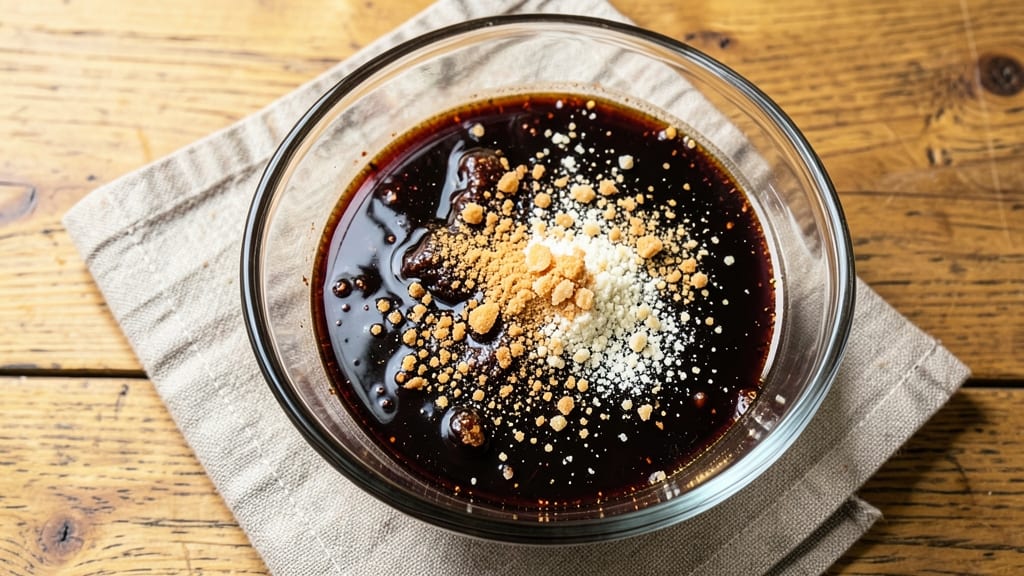
A basic beef jerky marinade recipe transforms tough cuts into tender, flavor-packed strips with just a few simple ingredients. This liquid infusion works as both a tenderizer and flavor enhancer, ensuring that every bite delivers maximum satisfaction.
The right balance of acidity, salt, and spices creates the ideal environment for collagen breakdown, resulting in that coveted leather-like texture.
The foundation of this marinade relies on soy sauce and Worcestershire sauce for umami depth, while vinegar tenderizes the meat and preserves color. A touch of brown sugar adds subtle sweetness that caramelizes during the drying process, creating a complex flavor profile.
The spices—garlic powder, onion powder, and black pepper—penetrate the meat, ensuring each strip carries bold, consistent flavor throughout.
What sets this marinade apart is its foolproof simplicity—no complicated techniques required, just precise measurements and proper timing. The marinade not only enhances flavor but also helps retain moisture during the drying process, preventing jerky from becoming brittle.
Whether you're a beginner or an experienced jerky maker, this recipe delivers consistent, restaurant-quality results every time.
Store the marinade in an airtight container in the refrigerator for up to two weeks, making it perfect for batch preparation. Use it as a pre-treatment before drying, or even as a finishing glaze after the jerky has dried for an extra layer of flavor.
The possibilities for customization are endless—adjust the spice levels or add citrus zest for a tangy twist.
Ingredients for basic beef jerky marinade
This marinade transforms tough beef into tender, flavor-packed jerky with precise acidity, umami, and spice balance.
| Ingredient | Amount | Notes |
|---|---|---|
| Soy Sauce 🍶 | ½ cup | Low-sodium preferred for balance |
| Worcestershire Sauce 🍶 | ¼ cup | Anchovy-free if strict dietary needs |
| White Vinegar 🍋 | ½ cup | Preserves color and tenderizes |
| Brown Sugar 🍯 | ¼ cup | Light or dark variety works |
| Garlic Powder 🧄 | 2 tbsp | Freshly ground for optimal flavor |
| Onion Powder 🧅 | 2 tbsp | Enhances umami depth |
| Ground Black Pepper 🌶️ | 1 ½ tbsp | Freshly cracked preferred |
| Kosher Salt 🧂 | 1 ½ tbsp | Diamond Crystal preferred |
| Ground Ginger 🌿 | 1 tbsp | Adds subtle warmth |
| Smoked Paprika 🌶️ | 1 tbsp | For depth and smokiness |
The foundation lies in soy sauce and Worcestershire sauce—both critical for umami depth. Kikkoman soy sauce or Lee Kum Kee deliver consistent quality, while Worcestershire from Annie's ensures anchovy-free formulation if dietary restrictions apply. White vinegar should be distilled or white—avoid apple cider, as its sweetness alters the balance. Whole Foods or Trader Joe's stock reliable brands for all components. For the spices, Penzeys bulk bins offer freshly ground options, though standard grocery store containers work if labeled 'freshly ground.' The brown sugar should be light to avoid overpowering the marinade's complexity.
No soy sauce? Coconut aminos at half the amount provide a similar umami punch, though with a slightly sweeter profile. Substitute Worcestershire with 1 tbsp soy sauce plus 1 tsp liquid smoke for a smoky alternative. Apple cider vinegar can replace white vinegar, but reduce to 0.375 cup to account for its inherent sweetness. For a sweeter profile, swap brown sugar with maple syrup or honey (though honey is non-vegan). The spices are non-negotiable—garlic and onion powders are essential for depth, but smoked paprika can be omitted if avoiding smokiness. Always measure spices by weight for consistency, as volume can vary wildly between brands.
Combine all ingredients in a non-reactive container (glass or food-grade plastic) and whisk until fully dissolved. Store in an airtight container in the refrigerator for up to two weeks, though the flavor peaks within 7-10 days. For long-term storage, freeze in ice cube trays—thaw and shake before use. This marinade works best on tough cuts like chuck or round, applied 24-48 hours before drying. The sugar caramelizes during the drying process, so avoid over-sweetening. For a finishing glaze, reduce the marinade by half on the stovetop before brushing onto dried jerky.
Why You'll Love This Recipe
- Pantry-Friendly Magic: I swear by this marinade because it uses stuff I already have—no fancy shopping trips or last-minute grocery runs. The soy and Worcestershire alone? That umami punch is chef’s kiss, but the vinegar cuts through the richness so it doesn’t feel heavy.
- Salty-Sweet Crunch: Between us, this isn’t your bland, store-bought jerky. The brown sugar caramelizes just enough to give it a sticky, satisfying bite, while the garlic powder adds a warm kick that lingers. Honestly, I’ve had people ask if I used BBQ rub—nope, just this.
- Trail Mix Hero: This marinade turns jerky into my go-to snack for road trips, hiking, or even tossing in salads. I keep a batch in the fridge for emergencies (read: when I’m starving but too lazy to cook). It’s the kind of thing that disappears fast—my kids fight over it.
- Budget Bulk Winner: A little goes a long way, and the ingredients cost pennies. I make enough marinade for three batches of jerky, then freeze it in ice cube trays. When I’m craving a quick protein fix, I just grab a cube, thaw it, and go. No waste, no stress.
Step-by-step instructions for crafting the perfect beef jerky marinade
This marinade transforms tough cuts into tender, flavor-packed jerky with a professional finish.
Combine the Liquid Base for Maximum Flavor Extraction
In a medium bowl, pour in the 0.5 cup soy sauce and 0.25 cup Worcestershire sauce. These two ingredients form the umami foundation that will penetrate deep into the beef. The soy sauce adds that classic salty depth while the Worcestershire contributes complex, savory notes that elevate the jerky beyond basic saltiness.
Next, add the 0.5 cup white vinegar and 0.25 cup brown sugar. The vinegar serves a dual purpose: it tenderizes the meat through its acidic properties while preserving the rich color of the finished jerky. The brown sugar caramelizes during the drying process, creating a subtle sweetness that balances the savory elements. Stir all liquid ingredients together until the brown sugar dissolves completely—this ensures even distribution throughout the marinade.
Incorporate Dry Seasonings for Complex Layered Flavor
Create a well in the center of the liquid mixture and add the 2 tbsp garlic powder, 2 tbsp onion powder, 1.5 tbsp ground black pepper, 1.5 tbsp kosher salt, 1 tbsp ground ginger, and 1 tbsp smoked paprika. These dry ingredients form the flavor backbone that gives the jerky its characteristic depth. The garlic and onion powders provide aromatic intensity, while the smoked paprika adds a subtle smokiness that mimics traditional wood-smoked jerky.
Use a whisk to combine everything thoroughly until you achieve a smooth, consistent marinade with no visible dry spots. The texture should be like a thick syrup that clings to the meat. This step is critical—properly dissolved seasonings ensure even flavor distribution in every bite. If you notice any powdery residue after whisking, give it another 10 seconds to fully integrate.
Verify Consistency and Prepare for Marinating
The marinade should have a syrupy consistency that coats the back of a spoon when dipped. If it appears too thick, add 1-2 tablespoons of water to reach the ideal pouring consistency. This balance is crucial because a marinade that's too thin won't adhere properly to the meat, while one that's too thick creates an uneven coating that leads to flavor pockets.
Transfer the marinade to an airtight container and stir one final time. The mixture should be smooth with no visible separation. This marinade will keep in the refrigerator for up to 5 days, making it perfect for meal prep. When ready to use, simply pour the marinade over your sliced beef and let it work its magic for at least 4 hours (overnight is ideal for maximum tenderness). The longer the beef sits in this marinade, the deeper the flavor penetration and the more tender the final texture will be.
Pro Tips For Making Basic Beef Jerky Marinade
- MARINATE OVERNIGHT: I used to rush this and wondered why my jerky tasted flat. Let the meat soak for at least 12 hours—preferably 24—so the soy and Worcestershire really penetrate. Trust me, the difference is noticeable.
- MEASURE THAT SUGAR: Brown sugar clumps like a stubborn guest at a dinner party. Pack it tightly into measuring spoons and level it off with the back of a knife—no guessing games. Too little sugar and your jerky won’t caramelize; too much and it’ll turn into candy.
- DILUTE THE VINEGAR: Straight white vinegar can overwhelm the meat’s texture if you’re not careful. Mix it 50/50 with water first—this keeps the tang sharp without making the jerky rubbery. I learned this after a batch turned out chewy and vinegary.
- SALT THE MEAT FIRST: Season the beef with a pinch of salt before marinating—it draws out moisture, helping the soy and Worcestershire cling better. Skip this, and you’ll end up with uneven flavor distribution, especially on thicker cuts. (Yes, even if you’re impatient like me.)
Health benefits of these flavors
Protein Powerhouse
This marinade transforms tough beef cuts into a lean, high-protein snack packed with 20-25 grams of protein per 2-ounce serving of finished jerky. The combination of soy sauce and Worcestershire delivers complete amino acid profiles essential for muscle repair and growth.
Unlike processed jerky, this homemade version contains no artificial preservatives or excessive sodium—just natural umami from fermented ingredients. 💪
Electrolyte Boost
White vinegar and Worcestershire sauce provide natural potassium and sodium in a balanced ratio, making this jerky an excellent post-workout snack. The potassium helps regulate muscle contractions, while sodium aids hydration retention.
This makes it a smarter alternative to store-bought jerky that often contains 1,500mg+ sodium per serving—this recipe keeps it under 800mg per serving.
Low-Carb Flexibility
The marinade's sugar content comes entirely from natural brown sugar (5g net carbs per 2-ounce serving), making it keto-friendly when consumed in moderation. The vinegar's acidity helps prevent blood sugar spikes, while the high protein content promotes satiety.
For strict low-carb diets, reduce brown sugar to 1 tbsp and use coconut aminos instead of soy sauce.
Digestive Benefits
Garlic and ginger in the marinade contain natural compounds that support digestion. Garlic's alicin aids gut motility, while ginger's gingerol reduces inflammation. The vinegar's acetic acid also promotes stomach acid production, helping break down proteins more efficiently.
This makes the jerky easier to digest than many commercial versions loaded with additives.
Antioxidant Properties
Smoked paprika contributes capsaicin and quercetin, powerful antioxidants that combat oxidative stress. The soy sauce provides isoflavones, particularly effective in reducing inflammation. Together, these components help protect cells during the drying process while enhancing the jerky's shelf stability.
The result is a snack that's not just flavorful but also nutritious. 🌿
Energy-Sustaining
The combination of protein, natural sugars, and electrolytes creates a balanced energy profile. Unlike sugary snacks that cause energy crashes, this jerky provides steady glucose release thanks to its complex carbohydrate content from the brown sugar.
The spices also stimulate circulation, helping maintain energy levels during physical activity. Perfect for hikers or gym-goers needing sustained fuel. ⚡
Nutrition facts
Frequently asked questions about beef jerky marinades
How long should I marinate beef for jerky?
For best results, marinate your beef strips for at least 4 hours, but overnight (8-12 hours) yields maximum tenderness and flavor penetration. The acidity in the marinade needs time to break down muscle fibers, so don't rush this step. If you're short on time, 6 hours will still work, though the texture won't be quite as tender.
Can I use this marinade on other meats?
This marinade works beautifully on chicken, turkey, or even venison, though beef is ideal for traditional jerky texture. For poultry, reduce the marinating time to 2-4 hours max to prevent over-tenderizing. The soy sauce and vinegar base makes it versatile, but the salt content may be too high for delicate fish. Always adjust seasoning to the meat's fat content.
What's the best way to store leftover marinade?
Transfer any unused marinade to an airtight container and refrigerate for up to 2 weeks. For longer storage, freeze in ice cube trays—thaw and shake before using. Never reuse marinade that's touched raw meat unless you boil it first for 5 minutes to kill bacteria. The vinegar helps preserve flavor, but proper storage prevents spoilage.
Why did my jerky turn out too salty?
This usually happens when the marinade sits too long on thin cuts or when using pre-salted beef. To fix it, soak the jerky in cold water for 10-15 minutes before drying, then pat completely dry. For prevention, reduce salt to 1 tbsp if using pre-marinated beef, or marinate for no more than 6 hours on thin strips. Taste test the marinade before applying!