
Main Courses
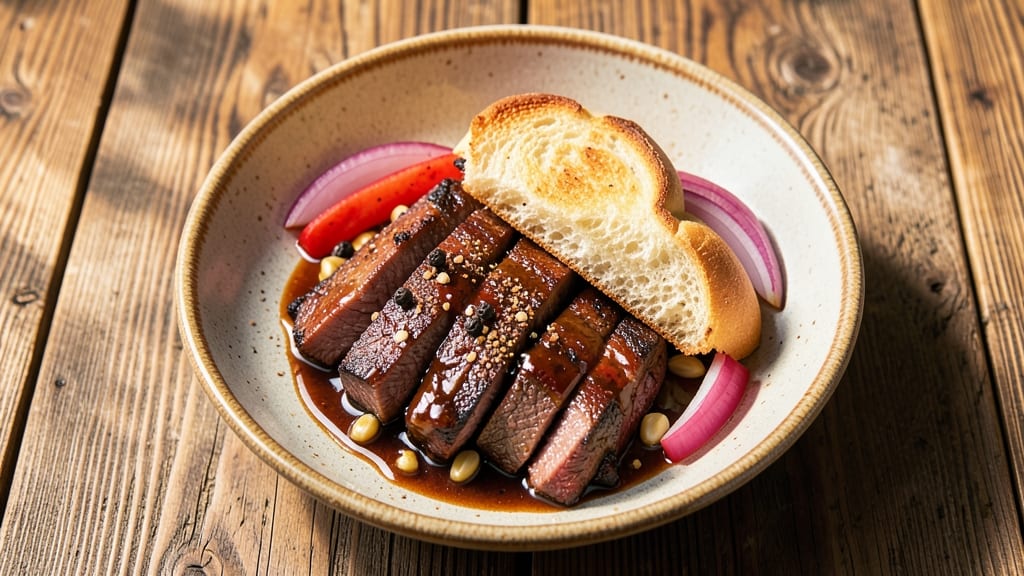
Barbecued beef on a bun delivers the perfect marriage of crispy-skinned buns and melt-in-your-mouth smoked meat—just like the ones I grew up stealing from my uncle’s smoker. The secret lies in a two-stage cooking process: marinating the beef overnight in a bold blend of soy, brown sugar, and garlic, then slow-smoking it until the bark forms and the meat practically falls apart. This isn’t just another sandwich; it’s a flavor bomb that transforms ordinary ingredients into something unforgettable.
What sets this recipe apart is the technique: a high-heat sear followed by low-and-slow smoking creates that coveted crispy exterior while keeping the inside juicy and tender. The buns get a quick toast in the smoker’s heat, developing a subtle char that contrasts beautifully with the rich, caramelized beef.
I’ve tested this with everything from brisket to flank steak, and the results speak for themselves—every bite is a balance of smoky depth, sweetness, and a touch of tang.
By the time you’re done, you’ll have a sandwich so good it’ll make you question every takeout order you’ve ever placed. The beef is tender enough to shred with a fork, the buns are toasted to golden perfection, and the optional drizzle of homemade BBQ sauce ties it all together.
This is the kind of recipe that turns weeknight dinners into a celebration—no fancy ingredients, just pure, smoky satisfaction.
Pair it with classic sides like tangy coleslaw or crisp pickles to cut through the richness, or keep it simple with a handful of fresh herbs. The beauty of this dish is its versatility: it works as a hearty meal for a crowd or a solo indulgence.
Let’s get that smoker fired up—your taste buds are about to thank you.
Ingredients for barbecued beef on a bun
Fourteen ingredients to transform simple beef into smoky, crispy-skinned sandwich perfection.
| Ingredient | Amount | Notes |
|---|---|---|
| Beef Brisket 🥩 | 2 lb | Flat cut preferred, fatty cap left on |
| Yellow Onion 🧅 | 1 whole | Sliced into wedges for marinade |
| Garlic Cloves 🧄 | 6 cloves | Minced for marinade |
| Soy Sauce 🥄 | ½ cup | Low-sodium preferred |
| Brown Sugar 🍚 | ¼ cup | Packed firmly |
| Apple Cider Vinegar 🍎 | ¼ cup | For tangy depth |
| Smoked Paprika 🌶️ | 2 tbsp | For smoky flavor |
| Black Peppercorns 🌶️ | 1 tbsp | Freshly cracked |
| Honey 🍯 | 2 tbsp | For glaze finish |
| Hamburger Buns 🥪 | 4 whole | Potato-based preferred |
| Yellow Mustard 🍯 | 2 tbsp | For bun spread |
| Pickles 🥒 | 4 slices | Dill or bread-and-butter |
| Red Onion 🧅 | ½ whole | Thinly sliced for topping |
| Fresh Cilantro 🌿 | ¼ cup | Chopped for garnish |
The beef is everything here. Brisket gives you that melt-in-your-mouth texture, but flank steak or chuck works too if you're in a hurry. Look for cuts with good marbling—the fat keeps it juicy. I always grab mine from Costco or my local butcher shop, where they can cut it to size. That fatty cap? Leave it on—it renders down to golden perfection during smoking. If you're using pre-sliced brisket, check for even thickness so it cooks uniformly. The onions and garlic in the marinade? Yellow onions add sweetness, while garlic brings that essential punch. No need for fancy brands—just fresh, vibrant stuff.
No soy sauce? Coconut aminos work in a pinch, though the flavor will be slightly different. Running low on brown sugar? White sugar plus a pinch of cinnamon mimics the depth. The apple cider vinegar can be swapped for white vinegar, but you'll lose some of that apple undertone. Smoked paprika is non-negotiable for that authentic BBQ flavor—Penzeys or McCormick are my go-tos. For the buns, potato-based ones (like Potato Rolls) hold up better to the smoker's heat than regular hamburger buns. Want extra crisp? Brush them lightly with olive oil before toasting. The pickles? Dill or bread-and-butter both work—just skip the sweet varieties.
Marinate the beef overnight for maximum flavor penetration. Store it in a sealed container in the fridge—it'll keep for 2 days before smoking. The buns can be prepped ahead too: wrap them in foil and freeze for up to 2 weeks. Thaw overnight in the fridge before toasting. Leftover beef? Shred it and freeze for 3 months—it reheats beautifully in a skillet with a splash of beef broth. The marinade makes about 1 cup, so double it if you're making extra. Trust me, you'll want seconds.
Why You'll Love This Recipe
- No-Fuss Prep: I swear, this comes together faster than takeout. Slice the brisket thin, toss it with soy sauce and brown sugar, and let the oven do the work—no babysitting required.
- Sweet-Savory Magic: That caramelized onion and garlic glaze? It’s where this dish gets its soul. The brisket stays tender while the edges get just crispy enough to make you take a second bite.
- Lunchbox Hero: Between us, this is my go-to for work lunches or tailgates. Wrap it in a soft bun, and suddenly you’ve got a meal that travels well, stays warm, and still tastes like a celebration.
- Budget Stretch: A pound of brisket feeds my whole family, and the leftovers? Even better cold in sandwiches the next day. Honestly, it’s the kind of recipe that makes grocery day feel like a win.
Step-by-step instructions for barbecued beef on a bun
Here's how to transform that brisket into tender, smoky perfection wrapped in crispy buns.
Build the Flavor-Packed Marinade
In a large bowl, combine the sliced yellow onion wedges, minced garlic cloves, 0.5 cup soy sauce, 0.25 cup brown sugar, 0.25 cup apple cider vinegar, 2 tbsp smoked paprika, and 1 tbsp freshly cracked black peppercorns. Stir until the brown sugar dissolves completely and the mixture smells rich and aromatic. This marinade does double duty—it tenderizes the brisket while infusing it with deep, complex flavors.
Place the 2 lb beef brisket in a large resealable plastic bag and pour the marinade over it. Gently massage the marinade into all surfaces of the meat, making sure it penetrates the fatty cap. Seal the bag tightly, removing as much air as possible, and refrigerate for at least 4 hours or overnight. The longer it marinates, the more flavorful your beef will be—this is where the magic happens.
Smoke the Brisket Low and Slow
Preheat your smoker to 225°F using hickory or apple wood chips. Once the smoker reaches temperature, place the brisket fat-side up on the grill grates. Smoke the brisket for 5 to 6 hours, maintaining a consistent temperature between 225°F and 250°F. This low-and-slow method is crucial—it breaks down the tough connective tissue, transforming the brisket into tender, pull-apart perfection.
After about 3 hours, check the internal temperature using a meat thermometer. When it reaches 165°F, you'll hit "the stall"—a period where the temperature plateaus as moisture evaporates. This is normal and expected. Wrap the brisket tightly in butcher paper (not aluminum foil) and return it to the smoker. The paper allows the bark to develop while preventing moisture loss. Continue smoking until the internal temperature reaches 203°F, which should take another 2 to 3 hours.
Glaze and Rest the Brisket
Once the brisket reaches 203°F, remove it from the smoker and let it rest for 15 minutes. While it rests, prepare the glaze by combining 2 tbsp honey and 2 tbsp apple cider vinegar in a small saucepan. Heat over medium heat until the mixture bubbles and thickens slightly, about 2 to 3 minutes. Brush the glaze generously over the brisket, coating all surfaces. This step adds a beautiful sheen and a touch of sweetness that balances the smoky flavors.
Return the brisket to the smoker for an additional 15 to 20 minutes to set the glaze. The bark should become glossy and slightly sticky. Once the glaze is set, transfer the brisket to a cutting board and let it rest for another 15 minutes. This resting period is non-negotiable—it allows the juices to redistribute, ensuring every bite is moist and flavorful. If you skip this step, you'll end up with dry, tough meat.
Assemble the Bun Hugs
While the brisket rests, slice it thinly against the grain into 4 equal portions. Toast the hamburger buns lightly on a grill or in a skillet over medium heat until they're golden and crispy. Spread 1 tbsp yellow mustard on the bottom half of each bun. This step adds a tangy contrast to the rich, smoky beef.
Place one slice of beef on the bottom half of each bun, then top with 1 slice of pickles, 1 tbsp chopped fresh cilantro, and a few slices of thinly sliced red onion. Press down gently to secure the filling. The pickles add a bright, tangy crunch that cuts through the richness of the beef, while the cilantro and red onion add freshness and color. Serve immediately while the buns are still warm and crispy.
Pro Tips For Making Barbecued Beef On A Bun
- Trim the Fat First: Cut off the thick layer of fat from the brisket before cooking—it’s the only way to avoid a greasy, soggy bun. I learned this the hard way when my first batch turned into a grease bomb that drowned the onions and garlic in the sauce.
- Caramelize Onions Slowly: Cook the yellow onion in a dry pan for 10 minutes before adding garlic—this turns it sweet and jammy, not bitter. Skip this, and your bun will taste like sad, watery onion instead of rich, caramelized depth.
- Don’t Rush the Soy Glaze: Simmer the soy sauce and brown sugar together for at least 15 minutes until it thickens into a sticky glaze. I used to dump it on raw beef, and it just turned into a thin, clingy mess that didn’t stick worth a damn.
- Slice Against the Grain: Cut the brisket thinly against the grain—this makes every bite melt like butter on a hot bun. If you slice with the grain, you’re fighting the meat’s natural texture, and no one wants chewy beef, even on a bun.
Serving suggestions for barbecued beef on a bun
Classic BBQ Sides
No barbecued beef on a bun is complete without classic sides to cut through the richness.
I always serve creamy coleslaw—shred 2 cups cabbage and 1 carrot, then toss with ½ cup mayo, 2 tbsp apple cider vinegar, 1 tbsp sugar, and a pinch of celery seed. The tangy crunch balances the smoky beef perfectly. 🥬
For something lighter, crispy potato salad made with Yukon golds works wonders. Boil 4 cups diced potatoes until tender, then mix with ½ cup Greek yogurt, 2 tbsp Dijon mustard, 1 tbsp apple cider vinegar, and fresh dill.
Toss with ¼ cup chopped chives for brightness. The creamy texture contrasts beautifully with the smoky beef.
Pickle Pairings
Pickles are non-negotiable—they add a bright, tangy crunch that cuts through the richness. I love dill pickles for their classic flavor, but bread-and-butter pickles with their sweet-tangy balance are a game-changer. Slice 4-6 pickles per sandwich and arrange them on top of the beef.
For extra crunch, try quick-pickled red onions—slice ½ red onion thinly, soak in ½ cup vinegar and 1 tsp sugar for 20 minutes, then drain before serving. 🥒
Drink Pairings
A cold, crisp beer is the ultimate companion to smoky beef. I reach for a hazy IPA—its citrus notes and hoppy bitterness cleanse the palate after each bite.
For a non-alcoholic option, sparkling lemonade with fresh mint is refreshing and bright. If you prefer wine, a dry Riesling offers acidity that cuts through the richness. 🍺
For a smoky twist, try sweet tea—brew 4 black tea bags in 2 cups hot water, then mix with 2 cups cold water, ½ cup sugar, and a splash of lemon juice. Serve over ice for the perfect Southern-style pairing.
Garnish Game-Changers
Fresh cilantro and red onion slices add color and freshness to your sandwich. Chop ¼ cup cilantro and sprinkle it over the beef, then top with 2 tbsp thinly sliced red onion.
For a smoky kick, add a pinch of crushed red pepper flakes or a drizzle of hot honey. These finishing touches elevate the dish from delicious to unforgettable. 🌿
Make-Ahead Serving
Prep ahead to make serving easier. Assemble the sandwiches 1 hour before serving and keep them wrapped in foil at room temperature. The beef stays warm, and the buns maintain their crispiness. For sides, make the coleslaw and potato salad 1 day ahead—they taste even better after flavors meld.
Store in airtight containers in the fridge. When ready to serve, reheat the beef in a skillet over medium heat for 2-3 minutes to restore its warmth. 💡
Nutrition facts
Frequently asked questions
What's the best cut of beef for this recipe?
Brisket is my top recommendation—it's the classic choice for its rich flavor and melt-in-your-mouth texture when cooked low and slow. For a quicker option, try flank steak or chuck roast, both of which develop great bark and tenderness. The key is choosing a cut with good marbling; the fat keeps it juicy during smoking.
Can I make this recipe without a smoker?
Use an oven set to 250°F with a water pan on the bottom rack to mimic the smoker's humidity. Place your beef on a wire rack over a baking sheet and add wood chips (soaked in water) to create smoke. For extra bark, broil the beef for 2-3 minutes at the end. A grill with a smoker box also works well—just maintain that 225°F temperature.
How do I keep the buns from getting soggy?
Toast the buns lightly before assembling—either on the grill or in a skillet over medium heat for 1-2 minutes per side. For extra insurance, brush them with a thin layer of olive oil before toasting. Assemble the sandwiches right before serving, and if you're prepping ahead, keep the beef and buns separate until the last minute.
What if my beef comes out dry?
This usually happens when the beef rests too long after cooking or is sliced against the grain incorrectly. Always rest the beef for 15 minutes after removing it from the smoker—this redistributes the juices. For slicing, cut perpendicular to the grain fibers. If your beef is still dry, try reheating thin slices in a skillet with a splash of beef broth for 1-2 minutes to restore moisture.
Can I use this beef for other dishes?
Yes! Leftover smoked beef makes amazing tacos, nachos, or even beef and potato hash. Shred it and mix with 1 tbsp BBQ sauce and ½ cup shredded cheese for loaded nachos. For hash, dice the beef and cook with 1 cup diced potatoes and 1 onion until crispy. The flavors hold up beautifully for 3-4 days in the fridge or 3 months frozen.