
Main Courses
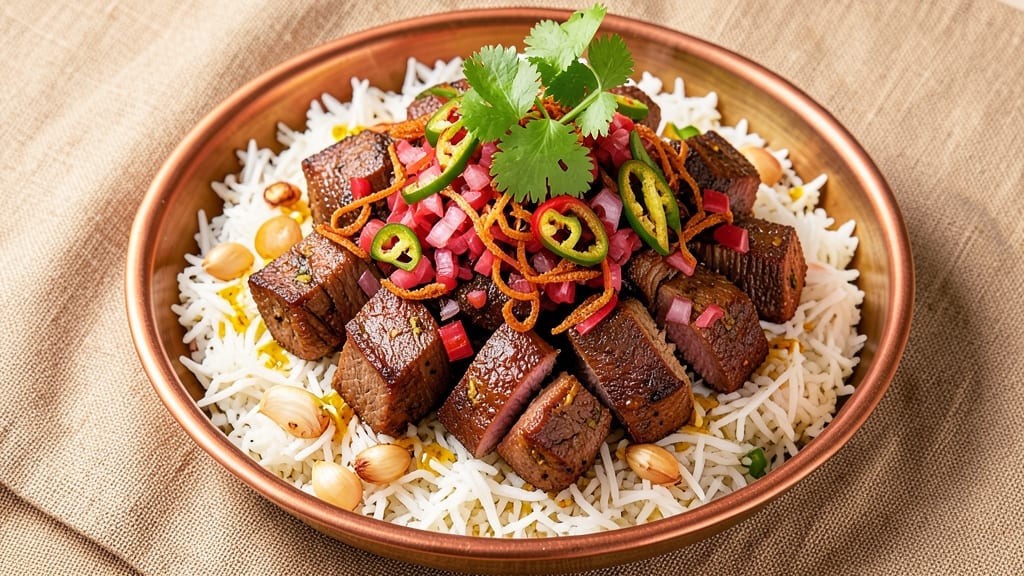
This Bangladeshi beef biryani recipe delivers the aromatic, layered perfection that makes it a centerpiece at celebrations. The secret lies in slow-marinated beef, fragrant basmati rice cooked with whole spices, and the signature dum technique that traps steam for tender, flavorful results.
I've perfected this version after years of testing—each element, from the birista spice blend to the ghee-basted layers, works together to create restaurant-quality biryani at home.
The process begins with marinating beef in yogurt and garam masala overnight, ensuring deep flavor penetration. Then comes the delicate layering: partially cooked rice alternates with spiced meat and fried onions, all sealed in a pot with a dough lid for the dum effect.
This traditional method creates perfectly fluffy rice and juicy beef without drying out, a challenge many home cooks face. The result? A dish where every bite reveals layers of spice, texture, and aroma that transport you to Bangladesh.
What sets this recipe apart is the balance of authenticity and approachability. While traditional biryani requires patience—especially the marinating and layering—each step is clearly explained to avoid common pitfalls like soggy rice or bland meat.
The final dish emerges with golden-brown crusts, tender beef, and fragrant basmati grains that stay separate yet cohesive. Garnished with fried onions and fresh herbs, it's a showstopper that pairs beautifully with raita or a simple cucumber salad.
For those short on time, I’ve included a quicker pot-style method that still delivers impressive results. Whether you're serving a family gathering or treating yourself to a special meal, this biryani will become your go-to recipe.
The key is in the details—don’t skip the marinating, and trust the dum process. Let’s get cooking!
Ingredients for bangladeshi beef biryani
Sixteen essential ingredients transform into restaurant-quality biryani with layered spices and tender beef.
| Ingredient | Amount | Notes |
|---|---|---|
| Beef Chuck Roast 🥩 | 3 lb | Cut into 1.5-inch cubes, marinated overnight |
| Plain Whole-Milk Yogurt 🥛 | 1 cup | Full-fat for richness, unsweetened |
| Basmati Rice 🌾 | 2 cups | Long-grain, uncooked, rinsed thoroughly |
| Red Onions 🧅 | 2 whole | Thinly sliced for layers, yellow or red |
| Fresh Ginger 🌿 | ½ cup | Finely grated, aromatic quality |
| Garlic Cloves 🧄 | 8 cloves | Minced, fresh preferred |
| Garam Masala 🌶️ | 2 tbsp | Store-bought or homemade blend |
| Ground Cumin 🌿 | 1 tbsp | Toasted for deeper flavor |
| Turmeric Powder 🧂 | 1 tsp | Freshly ground preferred |
| Coriander Seeds 🌶️ | 1 tbsp | Toasted and ground |
| Bay Leaves 🍃 | 2 whole | Fresh or dried, removed after cooking |
| Cloves 🌶️ | 4 whole | Whole, for aromatic depth |
| Cardamom Pods 🌿 | 6 whole | Lightly crushed |
| Cinnamon Sticks 🌶️ | 2 whole | 1-inch pieces |
| Unsalted Butter 🧈 | ½ cup | European-style preferred, cubed |
| Ghee 🫒 | ¼ cup | For basting layers |
| Fresh Mint Leaves 🌿 | ¼ cup | Chopped, for garnish |
| Fresh Cilantro 🌿 | ¼ cup | Chopped, for garnish |
| Salt 🧂 | 1 ½ tsp | Diamond Crystal preferred |
| Black Peppercorns 🌶️ | 1 tsp | Freshly cracked |
The beef selection is critical for authentic biryani. Chuck roast delivers the best texture when cubed and slow-cooked, developing rich, tender layers. For sourcing, local butcher shops often carry chuck at better prices than grocery stores, and they'll cube it for you. If you're using a whole roast, trim excess fat—it renders during cooking but can make the dish greasy. The yogurt should be full-fat and plain; Fage or Siggi's work well, but any unsweetened variety will suffice. For the basmati rice, Parmalat or India Gate brands are widely available and provide consistent results. Rinse the rice thoroughly before using to remove excess starch, which prevents clumping during cooking.
Substitutions should preserve the dish's aromatic balance. If you can't find garam masala, blend equal parts cumin, coriander, turmeric, and black pepper with a pinch of cloves and cardamom. Fresh ginger can be swapped for 1 tbsp ground ginger at half the amount, though fresh is preferred for its bright flavor. For the whole spices like bay leaves, cloves, and cardamom, spice markets or bulk bins offer superior quality compared to pre-ground supermarket options. The butter and ghee can be replaced with vegetable shortening or coconut oil if needed, though they lack the rich flavor. For garnish, if fresh mint or cilantro is unavailable, dried mint at one-third the amount provides a similar aromatic note.
Proper storage ensures the biryani maintains its texture and flavor. After cooking, let the dish rest for 10 minutes before serving to allow the layers to set. Leftovers can be refrigerated for 3-4 days, though the rice may dry out—reheat gently with a splash of water or broth. For longer storage, freeze portions for up to 3 months, thawing overnight in the refrigerator. To reheat, cover the pot with a damp towel and warm on low heat, adding a tablespoon of water or broth to restore moisture. The fried onions and herbs should be added fresh before serving to preserve their vibrant flavors.
Why You'll Love This Recipe
- One-Pot Magic: I swear by this recipe when I’m too tired to juggle pots—just brown the beef, layer in the yogurt and rice, and let the oven do the rest. No frying onions separately, no constant stirring. The spices meld into something rich while I sip tea.
- Yogurt’s Secret Weapon: That whole-milk yogurt isn’t just for tang—it tenderizes the beef and keeps the rice from turning gluey. The first bite? Juicy, fragrant beef with a creamy, almost buttery rice clinging to it. Honestly, the ginger and onions caramelize into something deeper than store-bought mixes ever deliver.
- Weeknight to Weekend: Make a double batch on Sunday—it reheats like a dream (cover with foil, low heat, splash of water) and tastes even better the next day. My kids grab it for school lunches, and my partner takes it to potlucks. No one ever guesses it’s not homemade from scratch.
- Budget Stretch: Beef chuck roast is cheap, and this recipe feeds six for under $20. The yogurt and rice bulk it up, so every bite feels special without breaking the bank. (Yes, even on a Tuesday night.) Plus, leftovers? They’re my secret for lazy Fridays.
Step-by-step instructions for Bangladeshi beef biryani
Master the art of layered flavors with this authentic method for restaurant-quality biryani.
Marinate the Beef with Yogurt and Spices
In a large bowl, combine the 3 lb beef chuck roast cut into 1.5-inch cubes with the 1 cup plain whole-milk yogurt. Add 1 tbsp ground cumin, 1 tsp turmeric powder, 1.5 tsp salt, and 1 tsp freshly cracked black peppercorns. Mix thoroughly until the beef is evenly coated and the marinade clings to each piece.
Cover and refrigerate for at least 8 hours or overnight for maximum flavor penetration. The yogurt tenderizes the beef while the spices infuse deeply. Real talk: this step makes all the difference in the final texture and aroma. When ready, the beef should smell intensely of spices and look glossy from the marinade.
Prepare the Aromatic Rice Layer
Rinse the 2 cups basmati rice thoroughly under cold water until the water runs clear. In a large pot, combine the rice with 4 cups water (double the rice volume) and bring to a boil. Once boiling, reduce heat to low, cover, and simmer for 10 minutes. The rice should be 75% cooked—firm but still slightly underdone.
While the rice cooks, heat 0.25 cup ghee in a heavy pot over medium heat. Add 2 whole bay leaves, 4 whole cloves, 6 lightly crushed cardamom pods, and 2 cinnamon sticks. Sauté for 30 seconds until fragrant. Add 2 tbsp garam masala and 1 tbsp toasted coriander seeds, stirring constantly for 1 minute to toast the spices and release their oils.
Layer the Biryani in the Pot
Drain the partially cooked rice and spread it evenly in the bottom of a heavy-bottomed pot or Dutch oven. Create a well in the center and add the marinated beef, arranging the cubes in an even layer. Drizzle 0.25 cup ghee and 0.5 cup unsalted butter over the beef, then scatter 2 whole red onions thinly sliced over the top.
In a small bowl, mix 0.5 cup finely grated fresh ginger and 8 minced garlic cloves with 0.25 cup chopped fresh mint leaves and 0.25 cup chopped fresh cilantro. Spread this mixture evenly over the beef. The layers should look like a colorful, aromatic cake—this is where the magic happens.
Seal and Dum Cook the Biryani
Cover the pot tightly with aluminum foil, then seal the edges with water to create an airtight environment. Place the pot over medium-low heat and cook for 45 minutes. After 30 minutes, carefully flip the pot to distribute heat evenly—this ensures the bottom layer doesn't stick or burn.
During the last 10 minutes, increase heat to medium-high to create steam pressure. You'll see condensation form on the lid—this is perfect. The biryani is done when the rice is fully tender and the beef is fork-tender with a deep golden crust on the bottom. Never lift the lid during cooking; the steam is what builds those signature flavors.
Rest and Serve with Garnish
Remove the pot from heat and let the biryani rest for 15 minutes before opening. This resting period allows the flavors to meld and the juices to redistribute. Gently fluff the biryani with a fork, breaking up any large rice clumps while preserving the layered structure.
Serve immediately, garnished with additional fresh cilantro and mint leaves. Each bite should deliver tender beef infused with yogurt and spices, surrounded by fragrant basmati rice. The aroma alone will transport you straight to a Bangladeshi kitchen—this is the essence of biryani done right.
Pro Tips For Making Bangladeshi Beef Biryani
- Marinate Meat Overnight: I learned this the hard way—skipping the overnight soak leaves your beef chuck tough even after slow cooking. Use 1 cup plain yogurt, 1 tablespoon ginger-garlic paste, and 1 teaspoon turmeric per pound of meat, then refrigerate uncovered (yes, uncovered) for 12-24 hours. The acid breaks down fibers, and the exposed surface gets that perfect caramelized crust later.
- Parboil Rice Properly: After burning three batches of rice, I finally figured out: basmati needs a hot start. Parboil in salted water until it’s 70% cooked (about 5-6 minutes), then drain thoroughly—no soggy rice in the final layer. The remaining starch will steam the beef, but you don’t want a mushy base. Use a fine-mesh strainer if your colander’s holes are too big.
- Layer Onions Last: Sounds weird, but it works: save the fried onions for the very end. Sear your onions until deep golden and set them aside. When you’re ready to dum-cook, sprinkle them on top right before sealing the pot. They’ll crisp into crunchy bits while the rice steams, adding texture no other step can match.
- Dum-Cook Low and Slow: High heat at the start is great for searing, but biryani’s magic happens at low heat. After sealing the pot, reduce to the lowest simmer possible—just enough to keep steam gentle. I used to rush this, and the rice turned gummy. A slow 20-25 minutes lets flavors meld without overcooking the beef. If your pot’s too hot, open it and let it cool slightly.
Perfect pairings for these flavors
Classic Side Dishes
Bangladeshi beef biryani pairs beautifully with raita—a cooling yogurt-based condiment. Mix 1 cup plain yogurt with ½ cup grated cucumber, 1 tbsp chopped mint, 1 tsp roasted cumin powder, and a pinch of salt.
The tangy contrast cuts through the richness of the biryani. Another staple is mirchi jhola—a spicy tomato-onion chutney made with 4 tomatoes, 1 red onion, 1 green chili, and a pinch of turmeric. 🥒
Fresh Salad Pairings
A simple cucumber salad with ½ cucumber, ¼ cup chopped onion, 1 tbsp lemon juice, and ½ tsp chaat masala adds crunch and brightness. For a heartier option, try boondi raita—crispy chickpea flour balls tossed in yogurt with ½ tsp black salt and fresh cilantro.
Both salads balance the biryani’s bold flavors while keeping the meal light.
Beverage Recommendations
For an authentic experience, serve mango lassi—a sweet and creamy yogurt drink made with 1 cup yogurt, ½ cup mango pulp, ½ cup milk, and 1 tsp cardamom powder. The sweetness complements the biryani’s spices perfectly.
For a non-alcoholic option, rose water-infused limeade adds a floral note. If you prefer beer, a light lager like Kingfisher or a crisp pilsner cleanses the palate without overpowering the dish. 🍹
Garnish Enhancements
Elevate your biryani with fried onions—sauté ½ cup thinly sliced onions in 2 tbsp ghee until golden and crispy. Sprinkle them generously over the biryani before serving. For extra freshness, add pomegranate seeds or lemon wedges on the side.
These garnishes not only enhance flavor but also make your dish visually stunning, perfect for special occasions.
Dessert Pairings
End the meal with rosogolla—soft, syrup-soaked milk dumplings that contrast the savory biryani. For a quicker option, serve mango kulfi—a creamy Indian ice cream infused with mango flavor.
The cool, sweet finish balances the meal’s richness. If you prefer something lighter, sweet lassi with ½ tsp saffron adds a luxurious touch. 🍮
Modern Twists
For a contemporary take, pair your biryani with spicy pickled onions or avocado slices for a fusion twist. A minty cucumber soup** also works well, especially in warmer weather.
These modern pairings keep the meal exciting while staying true to the biryani’s bold flavors. The key is balancing textures—creamy, crunchy, or tangy sides all work beautifully. ✨
Nutrition facts
Frequently asked questions
Can I use chicken or lamb instead of beef?
This recipe works beautifully with chicken or lamb, though the cooking time and marinade will vary slightly. For chicken, reduce marinating to 4-6 hours and cook for 30-35 minutes during the dum phase. Lamb requires 12+ hours marinating and 50-55 minutes of dum cooking. The key is tenderness—adjust times based on cut thickness.
What's the secret to perfectly fluffy rice?
The magic lies in three key steps: rinsing the rice thoroughly to remove starch, cooking it only 75% of the way, and sealing the pot tightly during dum cooking. The steam from the beef and spices finishes cooking the rice while keeping it separate. Never lift the lid during cooking—this disrupts the steam circulation that creates those signature fluffy grains.
Can I make biryani ahead of time?
Yes! Biryani actually tastes better the next day as flavors meld. Cook and let it cool completely, then refrigerate in an airtight container for up to 3 days. Reheat gently with 2 tbsp water or broth per serving, covered on low heat. For longer storage, freeze portions for 3 months—thaw overnight in the fridge before reheating. The texture stays perfect if handled carefully.
Why does my biryani turn out mushy?
Mushy rice usually happens from overcooking or improper layering. First, ensure your rice is only 75% cooked before layering. Second, don't overfill the pot—leave 1-inch headspace for steam. Finally, maintain consistent medium-low heat during dum cooking. If using a lighter pot, reduce heat further to prevent burning. The golden crust on the bottom is your success indicator!
What's the difference between biryani and pilaf?
While both feature rice and meat, biryani is a layered dish cooked with dum technique, while pilaf uses separate cooking methods. Biryani marries rice and meat in one pot, creating a cohesive dish where flavors meld through steam. Pilaf typically cooks rice and meat separately, then combines them. The dum process is what gives biryani its signature tender meat and fragrant rice—this technique is what makes it uniquely special.