
Soups & Stews
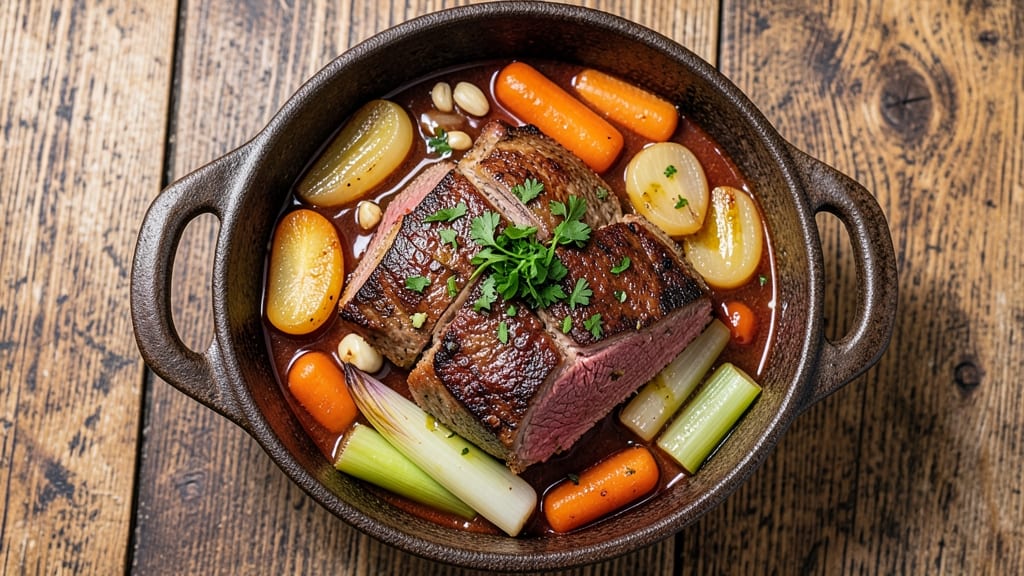
Ball beef stew transforms tough cuts into melt-in-your-mouth perfection through slow simmering and deep onion fond—a technique that builds layers of flavor over hours. The secret lies in browning the beef properly and deglazing the pot to capture every caramelized bit, creating a rich, velvety broth that clings to tender meat. This isn't just a stew; it's a comforting, hearty dish that warms the soul and fills the house with irresistible aromas.
The process begins with carefully seared beef chunks, which develop a flavorful crust before being transferred to a pot with aromatic vegetables and herbs. A slow simmer—typically 2 to 3 hours—allows the meat to become fork-tender while the onions caramelize into a deep, savory fond.
The result is a stew so deeply flavorful that every spoonful feels like a hug, with meat that falls apart effortlessly and a broth thickened just enough to coat each bite.
What sets this stew apart is the balance of textures: tender beef, caramelized onions, and just enough vegetables to add depth without overpowering. The slow cooking method ensures the beef stays juicy, while the onion fond adds a complexity that elevates it beyond basic stews.
Serve it with crusty bread to soak up every last drop of that rich, aromatic broth—it’s the kind of meal that turns ordinary weeknights into something special.
Perfect for feeding a crowd or meal prepping for the week, this stew scales beautifully and tastes even better the next day. The flavors deepen as it sits, making it ideal for those who love dishes that improve with time.
Whether you're a seasoned cook or just starting out, this recipe delivers restaurant-quality results with minimal fuss.
Ingredients for ball beef stew
Sixteen ingredients building rich, caramelized layers of beef and onion fond.
| Ingredient | Amount | Notes |
|---|---|---|
| Chuck Roast 🥩 | 3 lb | Cut into 1.5-inch cubes |
| Yellow Onions 🧅 | 3 whole | Thinly sliced, about 4 cups |
| Carrots 🥕 | 4 whole | Cut into 1-inch chunks |
| Celery Stalks 🧅 | 4 whole | Cut into 1-inch pieces |
| Garlic Cloves 🧄 | 6 cloves | Minced, for depth |
| Tomato Paste 🍅 | ½ cup | Squeeze tube preferred |
| Beef Broth 💧 | 4 cups | Low-sodium preferred |
| Red Wine 🍷 | 1 cup | Bold dry variety |
| All-Purpose Flour 🌾 | 2 tbsp | For thickening |
| Dried Thyme 🌿 | 1 tsp | Or 1 tbsp fresh |
| Bay Leaves 🍃 | 2 whole | Removed before serving |
| Salt 🧂 | 1 ½ tsp | Kosher preferred |
| Black Pepper 🌶️ | 1 tsp | Freshly ground |
| Olive Oil 🫒 | ½ cup | For searing |
| Fresh Parsley 🌿 | ¼ cup | Chopped, for garnish |
The chuck roast is the heart of this stew—look for well-marbled cuts at Costco or your local butcher for the best texture. Pre-cut cubes save time, but if you're buying a whole roast, ask for it to be trimmed of excess fat and cut into even 1.5-inch pieces. Yellow onions are non-negotiable here; their sweetness caramelizes beautifully. Spanish onions from the grocery store work perfectly—they're sweeter and more uniform than standard yellows. For the vegetables, don't worry about perfect uniformity; rough chopping adds rustic texture to the finished stew. The tomato paste should be squeeze tube variety—it's more concentrated and lasts longer in your pantry.
No red wine? Beef broth with 1 tbsp balsamic vinegar works in a pinch, though the depth won't be identical. Fresh thyme is ideal, but dried at one-third the amount is perfectly fine. The flour is just for thickening—don't skip it entirely if you're short, but a slurry of 1 tbsp cornstarch mixed with 1 tbsp cold water works too. For the broth, low-sodium options give you more control over seasoning. The bay leaves can be omitted if you dislike their flavor, but they add subtle earthiness that complements the beef beautifully. If you're making this ahead, freeze the raw ingredients in a bag—just add them straight to the pot when you're ready to cook.
This stew tastes even better the next day as flavors meld. Store leftovers in an airtight container in the fridge for up to 5 days, or freeze for 3 months—the broth actually improves with time. I like to portion it into single-serving jars so I can grab a meal whenever I need it. The caramelized onions keep well too; store them separately in the fridge for up to 1 week if you want to make them ahead of time. For serving, fresh parsley brightens the dish—grab a bunch and store the stems in a jar of water on your counter like flowers.
Why You'll Love This Recipe
- One-Pot Magic: I swear by this recipe because it’s literally dump-and-simmer. Chuck roast, onions, carrots—just chop them into rough chunks (no fancy dicing), toss them in a pot with garlic and broth, and let time do the work. My lazy Sundays thank me every time.
- Deep Umami Bomb: The slow cook turns that tough chuck roast into melt-in-your-mouth beef, while the onions and celery build layers of savory depth. Honestly, the first bite is like a hug for your taste buds—rich, caramelized, and impossible to resist.
- Leftovers That Win: This stew only gets better the next day. I make a double batch on Sundays, and by Wednesday, the flavors have melded into something even more incredible. (Yes, even my picky teenage son begs for seconds.)
- Budget-Friendly Feast: Chuck roast is cheap, but it feels luxurious. A single cut feeds my family of four for days, and the veggies stretch every dollar. Between us—this is my go-to when groceries are tight, but no one ever guesses.
Step-by-step instructions for slow-simmered beef stew
This method builds deep flavor through careful layering and patience—key to authentic beef stew.
Sear the Chuck Roast for Maximum Flavor
Heat the 0.5 cup olive oil in a large Dutch oven over medium-high heat until shimmering. Pat the 3 lb chuck roast dry with paper towels and season generously with 1.5 tsp salt and 1 tsp black pepper. Working in batches to avoid crowding, sear the beef on all sides until deeply browned—about 3-4 minutes per side.
This step creates the rich browned fond that forms the flavor base. Don't rush it—you'll know it's ready when the beef releases easily from the pan. Remove the beef and set aside on a plate, leaving all the browned bits in the pot. Here's the thing—those bits are pure flavor gold.
Build the Onion Fond and Sauté Vegetables
In the same Dutch oven, add the 3 whole yellow onions sliced into rings. Cook over medium heat for 8-10 minutes, stirring occasionally, until softened and golden brown. This is where the deep caramelization happens—don't walk away.
Add the 4 whole carrots cut into 1-inch chunks, 4 whole celery stalks cut into 1-inch pieces, and 6 cloves garlic minced. Cook for another 5 minutes until the vegetables begin to soften. Sprinkle in the 1 tsp dried thyme and 2 whole bay leaves, stirring to coat everything in the aromatic spices.
Deglaze and Develop the Base
Pour in the 1 cup red wine and scrape up all the browned bits from the bottom of the pot with a wooden spoon. This deglazing step captures all that concentrated beef flavor. Let the wine simmer for 3-4 minutes until reduced by half.
Add the 0.5 cup tomato paste and stir well to combine. Cook for 2 minutes until the tomato paste darkens slightly. Here's where it gets fun—toss in the 2 tbsp all-purpose flour and stir vigorously for 1 minute to create a roux. This will help thicken the stew later.
Simmer Until Tender and Flavorful
Return the seared beef to the pot along with any accumulated juices. Pour in the 4 cups beef broth and bring to a gentle boil. Once boiling, reduce heat to low and cover partially. Let it simmer for 2.5-3 hours until the beef is fork-tender and pulls away from the bone easily.
I know it's tempting to check constantly, but resist the urge. The stew should bubble gently—if it's boiling vigorously, reduce the heat. The vegetables should be completely tender, and the beef should shred easily with a fork. This slow cooking is what transforms tough chuck roast into melt-in-your-mouth beef.
Finish and Garnish for Restaurant-Quality Presentation
Remove the 2 whole bay leaves and adjust seasoning if needed. For a thicker stew, let it simmer uncovered for another 10-15 minutes to reduce slightly. The stew should coat the back of a spoon with a silky consistency.
Stir in the 0.25 cup fresh parsley just before serving. This bright green garnish adds freshness and makes the dish look restaurant-worthy. Serve immediately with crusty bread to soak up every last drop of that rich, flavorful broth.
Pro Tips For Making Ball Beef Stew
- SEAR THE ROAST FIRST: Chuck roast needs a good crust to stay juicy, so don’t skip the sear—even if you’re in a hurry. Hit it with 2 tablespoons of oil in a heavy pot over medium-high heat until deep brown on all sides (about 5 minutes per side). I used to rush this, and the meat always turned out dry. Trust me, the extra 10 minutes now saves you from tough meat later.
- CUT ONIONS THINLY: Yellow onions should be sliced paper-thin—no bigger than ⅛-inch slices—so they soften completely without turning to mush. Thick slices stay chewy and ruin the texture of the stew. Use a sharp knife and take your time; this isn’t the place to speed up.
- DON’T CROWD THE POT: After searing the meat, remove it and set it aside. Then, cook the onions, carrots, and celery in batches if needed—don’t dump everything in at once. Crowding steams the veggies instead of browning them, and you’ll end up with a sad, watery base. Work in 2-3 layers for proper color.
- ADD GARLIC LATE: Crush the garlic cloves (don’t mince them) and toss them in with the other aromatics, but pull them out 5 minutes before the stew is done. Whole cloves burn easily, and you want them to infuse flavor without turning bitter. I learned this the hard way—bitter garlic ruins a good stew.
Wine and beer pairings for this ball beef stew
Bold Red Wine Pairings
For this rich, slow-simmered beef stew, reach for a bold, full-bodied red wine that stands up to the deep caramelized flavors. I love Cabernet Sauvignon from Napa Valley—its dark fruit notes and firm tannins complement the beef beautifully.
A Malbec from Argentina offers similar richness with a touch of spice, while Syrah from the Rhône Valley brings earthy undertones that echo the stew's thyme and bay leaves. 🍷
Crisp White Alternatives
If you prefer white wine, opt for something unexpected but balanced. A Chardonnay with noticeable oak (like from Sonoma County) provides enough body to match the stew's richness. For something lighter, try a Viognier—its floral notes contrast nicely with the beef's savory depth.
Both wines should be chilled to 50-55°F to enhance their crispness against the hearty stew.
Beer Pairing Secrets
For beer lovers, a dark ale or porter works wonders. I recommend Guinness—its roasted malt flavors and creamy texture mirror the stew's depth. A Belgian dubbel with its caramel and spice notes also pairs beautifully, especially if your stew has a touch of sweetness from caramelized onions.
Serve the beer slightly chilled (45-50°F) to let its maltiness shine. 🍺
Unexpected Non-Alcoholic Options
Don't drink alcohol? No problem! A sparkling apple cider with a hint of spice cuts through the richness. For something more robust, try ginger beer—its peppery kick complements the stew's thyme and black pepper.
Even a cold brewed black tea (like Earl Grey) with lemon adds a refreshing contrast to the hearty flavors.
Serving Temperature Tips
Wine and beer should be served at the right temperature to highlight their flavors. Red wines should be 60-65°F—too cold dulls their complexity. Whites and beers should be slightly cooler (45-55°F) to maintain crispness.
I like to chill my wine in the fridge for 15-20 minutes before serving, then let it sit at room temperature for 5 minutes to warm slightly. This balance ensures every sip enhances the stew's richness without overpowering it. 💡
Nutrition facts
Frequently asked questions
Why does this recipe call for chuck roast instead of ground beef?
The chuck roast creates a richer, more complex flavor through slow cooking. When properly seared and simmered, it develops deep, beefy notes that ground beef can't match. The long cooking time breaks down connective tissue, resulting in fork-tender meat that practically melts in your mouth. For a quicker version, you could use stew meat, but it won't have the same depth of flavor.
Can I make this stew in a slow cooker instead of a Dutch oven? Brown the beef in a skillet first, then transfer everything to your slow cooker. Cook on low for 8 hours or high for 5-6 hours. The key is to sear the beef first—this step is crucial for developing the deep flavor that makes this stew special. Just
What if my stew is too thin after cooking?
Don't worry—this happens often! Mix 1 tbsp cornstarch with 1 tbsp cold water to make a slurry, then stir it into the stew. Simmer for 5-10 minutes until it thickens to your desired consistency. Alternatively, remove the lid and let it reduce naturally over 15-20 minutes on medium-low heat. The stew should coat the back of a spoon when done.
How do I store leftovers to keep them tasting fresh?
Let the stew cool completely, then transfer it to an airtight container. It will keep in the refrigerator for up to 5 days—the flavors actually improve as they meld together! For longer storage, freeze portions in single-serving jars for up to 3 months. When reheating, warm gently on the stove over medium-low heat until bubbling, stirring occasionally to prevent sticking.
What's the secret to making the onions caramelize properly?
Patience and heat control! Cook the onions over medium heat (not high) and stir frequently to prevent burning. They should take about 8-10 minutes to turn deep golden brown. The key is to let them cook undisturbed for short periods while stirring occasionally—this creates the perfect balance of sweetness and depth. If they start to brown too quickly, reduce the heat slightly.