
Main Courses
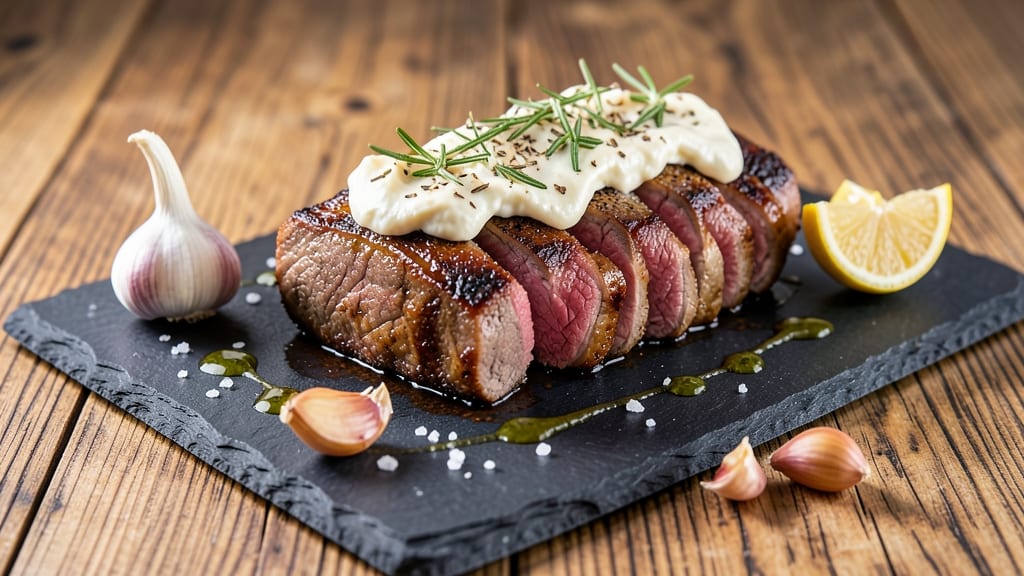
Award-winning beef tenderloin isn't just a meal—it's a culinary experience that transforms a simple dinner into a showstopper. 🌟 This recipe delivers melt-in-your-mouth tenderness with a perfectly pink center and a fragrant herb crust that commands attention at any table. The secret lies in precise temperature control and a method that elevates restaurant-quality results to your home kitchen.
What sets this tenderloin apart is the balance of flavors and textures: a golden, aromatic herb crust gives way to succulent beef that's tender yet retains its juiciness.
We achieve this through a two-stage cooking process—searing for depth of flavor, then roasting to perfection—while a red wine reduction ties everything together with elegant acidity. Every step is designed to ensure consistency and wow factor.
The result is a centerpiece-worthy dish that's surprisingly approachable, with techniques that yield professional results even for home cooks. The herb crust adds visual appeal and aromatic complexity, while the pink center guarantees satisfaction for meat lovers. This is the kind of recipe that turns ordinary dinners into memorable events.
Pair it with roasted root vegetables and a simple green salad for a complete, restaurant-worthy meal. The instructions walk you through every detail to ensure your tenderloin emerges from the oven with the same grandeur you'd expect from a Michelin-starred kitchen. Let's create this masterpiece together.
Ingredients for award winning beef tenderloin
Six ingredients transform ordinary beef into a showstopping centerpiece—tender, aromatic, and restaurant-worthy.
| Ingredient | Amount | Notes |
|---|---|---|
| Beef Tenderloin 🥩 | 4 lb | Center-cut, trimmed of fat |
| Fresh Rosemary 🌿 | ½ cup | Finely chopped, stems removed |
| Fresh Thyme 🌿 | ¼ cup | Leaves only, stems discarded |
| Fresh Garlic 🧄 | 8 cloves | Minced, not pre-minced jarred |
| Extra-Virgin Olive Oil 🫒 | ½ cup | High-quality, fruity variety |
| Unsalted Butter 🧈 | ½ cup | Cold, cubed for crust |
| Diamond Crystal Kosher Salt 🧂 | 1 ½ tbsp | For seasoning and crust |
| Freshly Ground Black Pepper 🌶️ | 1 ½ tsp | Coarsely ground |
| Dry Red Wine 🍷 | 1 cup | Bold Cabernet Sauvignon |
| Beef Bone Broth 💧 | 1 cup | Homemade or high-quality store-bought |
| Fresh Parsley 🌿 | ¼ cup | Chopped, for garnish |
| Yellow Onion 🧅 | 1 whole | Thinly sliced, for reduction |
| Honey 🍯 | 1 tbsp | For glaze finish |
The beef tenderloin is the star, so splurge on the best cut—look for vibrant color and good marbling at Whole Foods or your butcher shop. A 4-pound center-cut roast yields perfect portions for six. Fresh herbs make all the difference here: Costco or Trader Joe's have great bundles, but if you're growing your own, nothing beats that homegrown flavor. The garlic should smell pungent, not stale—buy fresh and mince it yourself. For the wine, grab a bold Cabernet Sauvignon—whatever's open in your fridge works, but avoid sweet varieties. The bone broth? Homemade is ideal, but Pacific Foods or Kettle & Fire brands are solid shortcuts.
No fresh rosemary? Dried works at half the amount, but it won't be the same. Short on butter? Olive oil works in a pinch, though butter gives that rich crust. Running out of red wine? Dry sherry or beef broth with a splash of balsamic keeps the depth. The onion in the reduction can be swapped for shallots if you prefer, and if you're avoiding honey, maple syrup works beautifully. Pre-minced garlic? Fresh is non-negotiable here—jarred garlic tastes like sawdust. For the crust, don't skip the butter—it's what creates that golden, aromatic seal. If you're feeling fancy, add a pinch of smoked paprika to the herb mix for extra depth.
The beef keeps best in the fridge for 3-4 days if you're prepping ahead, but let it sit at room temperature for 1 hour before cooking for even results. Fresh herbs? Wrap them in damp paper towels and store in a sealed container—they'll stay vibrant for 5-7 days. The wine reduction can be made a day ahead and reheated gently. For leftovers, slice against the grain and reheat in a 350°F oven for 10-15 minutes—it reheats beautifully. Portion the crust ingredients in advance so assembly is quick on cooking day. This dish is a crowd-pleaser, so double the recipe if you're hosting—it's worth the extra effort.
Why You'll Love This Recipe
- Two-Handed Prep: The rosemary and thyme just need a quick snip—no fancy chopping, no stress. Between us, I’ve burned garlic before, but here you’re just crushing a few cloves and calling it a day. That’s the kind of recipe where the effort feels lighter than the final result.
- Herb-Packed Magic: The garlic and rosemary sear into the crust while the thyme blooms under the heat—it’s that perfect balance of earthy and bright. Honestly, my kids ask for seconds before the plate even hits the table, and that’s saying something.
- Date Night or Leftovers: Same method works for impressing someone or feeding the family after a long week. (Yes, even on a Tuesday night.) The leftovers? Slice it thin, toss with olive oil and salt, and you’ve got next-day sandwiches that taste like a restaurant meal.
- Budget-Friendly Luxury: You’re not spending a fortune, but it tastes like you did. A single tenderloin feeds four with room for sides, and the herbs stretch further than you’d think. I’ll be real: my grocery bill stays sane, but my dinner guests think I’m a pro.
Step-by-step instructions for herb-crusted beef tenderloin
Master this technique and you'll achieve a perfect pink center with a golden herb crust every time.
👨🍳 Step 1: Prepare the Herb Butter Crust
In a food processor, pulse the 0.5 cup fresh rosemary and 0.25 cup fresh thyme until finely chopped but not paste-like. Add the 8 cloves minced fresh garlic and pulse again until combined. Transfer to a bowl and mix in the 0.5 cup cold cubed unsalted butter until it forms a coarse crumb texture.
Spread this herb butter mixture evenly over the entire surface of the 4 lb beef tenderloin, pressing it firmly into the meat. This isn't just decoration—it creates that signature crust while keeping the interior beautifully pink. Wrap the tenderloin tightly in plastic wrap and refrigerate for at least 4 hours (overnight is even better). The cold helps the butter adhere perfectly.
🔥 Step 2: Sear the Tenderloin for Maximum Flavor
Preheat your oven to 425°F. Remove the tenderloin from the fridge and let it sit at room temperature for 30 minutes before cooking. Heat a large oven-safe skillet over medium-high heat and add 0.5 cup extra-virgin olive oil. Once shimmering, carefully place the tenderloin in the pan.
Sear for 4-5 minutes per side until deeply golden brown. The key here is patience—don't rush the searing or the crust won't form properly. You want that beautiful caramelization that locks in all those herb flavors. Once seared, transfer the skillet to the preheated oven.
🥘 Step 3: Roast to Perfect Medium-Rare
Roast the tenderloin for 20-25 minutes until the internal temperature reaches 125°F for medium-rare (use a meat thermometer). This is where the magic happens—the herb butter melts into a luscious crust while the interior remains perfectly pink. The roasting time will vary slightly depending on your oven, so check frequently after 20 minutes.
Here's the thing—I like to rotate the pan halfway through cooking. This ensures even browning and heat distribution. When you see the crust is golden and the internal temp hits 125°F, it's time to pull it out. Don't overcook it, or you'll lose that coveted pink center.
🍳 Step 4: Create the Red Wine Reduction
While the tenderloin rests, remove the pan from the oven and place it on the stovetop over medium heat. Add the 1 whole yellow onion and cook for 3-4 minutes until softened. Pour in the 1 cup dry red wine and scrape up all those beautiful browned bits from the bottom of the pan.
Simmer for 5-6 minutes until the wine reduces by half. Add the 1 cup beef bone broth and continue simmering until the liquid reduces to about ½ cup, creating a rich, glossy sauce. This reduction captures all the deep flavors from the searing process—don't skip it!
⏰ Step 5: Rest and Glaze for Showstopping Finish
Transfer the tenderloin to a cutting board and let it rest for 15-20 minutes before slicing. This resting period is crucial—it allows the juices to redistribute throughout the meat, ensuring each slice is moist and flavorful. While it rests, stir the 1 tbsp honey into the wine reduction and simmer for 1-2 minutes until slightly thickened.
Slice the tenderloin into 1-inch thick medallions against the grain. Spoon the honeyed reduction over each slice and garnish with 0.25 cup chopped fresh parsley. The contrast of the sweet glaze with the savory herb crust is what makes this dish truly award-worthy. Serve immediately with your favorite sides—each bite delivers perfect tenderness with that incredible herb-butter crust.
Pro Tips For Making Award Winning Beef Tenderloin
- USE A MEAT THERMOMETER: I learned this the hard way—guessing doneness with beef tenderloin leads to either dry disappointment or sad overcooked meat. For a perfect medium-rare (130°F internal temp), pull it when the thermometer hits that mark, then let it rest. No more second-guessing.
- TRIM THE FAT, NOT THE FLAVOR: That thin layer of fat on the tenderloin? Don’t cut it all off—just trim the excess. The fat renders down into crispy, golden bits that cling to the meat, adding depth. I used to go overboard with the knife, and the result was bland, dry beef. Leave about 1/8-inch of fat intact.
- SALT THE MEAT THE NIGHT BEFORE: This isn’t just about seasoning—it’s about texture. Sprinkle kosher salt all over the tenderloin 12–24 hours ahead and let it sit uncovered in the fridge. The salt breaks down the proteins just enough to guarantee a perfect crust later. (Yes, even if you’re impatient like me.)
- SEAR IN BATCHES, LOW AND SLOW: Crowding the pan turns searing into steaming, and that’s how you end up with soggy herbs and uneven cooking. Sear the tenderloin in one heatproof skillet, then move it to a lower-temperature oven (275°F) to finish. The herbs (rosemary, thyme, garlic) will crisp beautifully without burning, and the meat stays juicy. I skipped this once and got a sad, gray mess.
Perfect pairings for these flavors
Red Wine Reduction
The red wine reduction is the secret weapon that ties everything together with its velvety texture and deep, savory-sweet notes. I use a bold Cabernet Sauvignon because its tannins and fruitiness complement the beef beautifully—avoid sweet wines like Zinfandel.
Start by deglazing the pan with 1 whole yellow onion (sliced) to capture those precious browned bits from searing. The reduction should thicken to a ½ cup consistency, creating a glossy sauce that coats each slice like liquid gold. 🍷
Roasted Root Vegetables
For a classic side that balances the richness, parsnips, carrots, and sweet potatoes roasted with rosemary and olive oil create a stunning contrast.
Toss 2 lbs of chopped vegetables in 2 tbsp olive oil, 1 tsp salt, and ½ tsp black pepper, then roast at 400°F for 30-35 minutes until caramelized. The earthy sweetness of the roots complements the herb crust perfectly while adding vibrant color to the plate.
Truffle Mashed Potatoes
Elevate your sides with creamy garlic mashed potatoes infused with white truffle oil—just ½ tsp adds luxurious depth.
Use 2 lbs Yukon Gold potatoes, boiled until tender, then mashed with 4 tbsp butter, ¼ cup warm milk, 1 tsp salt, and a pinch of nutmeg. Fold in the truffle oil at the end for an aroma that’ll make your guests swoon.
Serve in a russet bowl for extra drama. 💫
Simple Green Salad
A crisp arugula salad with shaved fennel, toasted walnuts, and a lemon-Dijon vinaigrette cuts through the richness. Toss 6 cups arugula with 2 tbsp olive oil, 1 tbsp Dijon, 1 tbsp lemon juice, and 1 tsp honey.
Top with ½ cup walnuts toasted in a dry pan for 3 minutes and ½ cup shaved fennel. The bright acidity and crunch provide the perfect palate cleanser between bites of tenderloin.
Beverage Pairings
A bold red wine like Cabernet Sauvignon or Malbec mirrors the dish’s richness, while a crisp white such as Chardonnay offers contrast. For beer lovers, a Belgian Dubbel with its caramel and spice notes works surprisingly well.
Avoid heavy, oaky whites—they’ll clash with the herb crust. I always open a bottle 30 minutes before serving to let it breathe and complement the meal’s depth. 🍺
Finishing Touches
Garnish each slice with chopped parsley and a drizzle of the honeyed reduction for a restaurant-worthy presentation. For extra flair, add edible flowers or a sprinkle of flaky sea salt on the plate.
Serve on a wooden board with candlelight to enhance the ambiance—this dish deserves to be the star of the show. Trust me, your guests will think you’re a pro! ✨
Nutrition facts
Frequently asked questions
How do I know when my beef tenderloin is perfectly cooked?
Use a meat thermometer for precision! For medium-rare (the ideal doneness), aim for an internal temperature of 125°F. Insert the probe into the thickest part of the meat, avoiding the bone. The crust should be golden and aromatic, while the center should feel slightly springy when pressed gently.
Can I make this recipe ahead of time?
Prep the herb butter crust up to 2 days ahead and refrigerate the tenderloin wrapped in plastic. For the full meal, assemble the sides (like roasted vegetables) a day ahead and reheat gently. The tenderloin itself should only rest 15-20 minutes before slicing—never prep it too early.
What's the best way to slice beef tenderloin?
Slice against the grain (perpendicular to the muscle fibers) into 1-inch thick medallions. This creates a more tender bite by shortening the muscle fibers. Use a sharp knife and make clean, even cuts. For presentation, fan the slices slightly on the plate.
Why did my herb crust fall off? This usually happens if the butter wasn't cold enough or if the meat wasn't properly chilled before searing.
How do I adjust this for a larger crowd?
For 8-10 servings, use a 6-7 lb tenderloin and double the herb butter crust ingredients. Increase the red wine reduction to 2 cups and bone broth to 2 cups. The cooking time will extend slightly—check internal temp at 130°F for medium-rare. Scale sides proportionally too!