
Main Courses
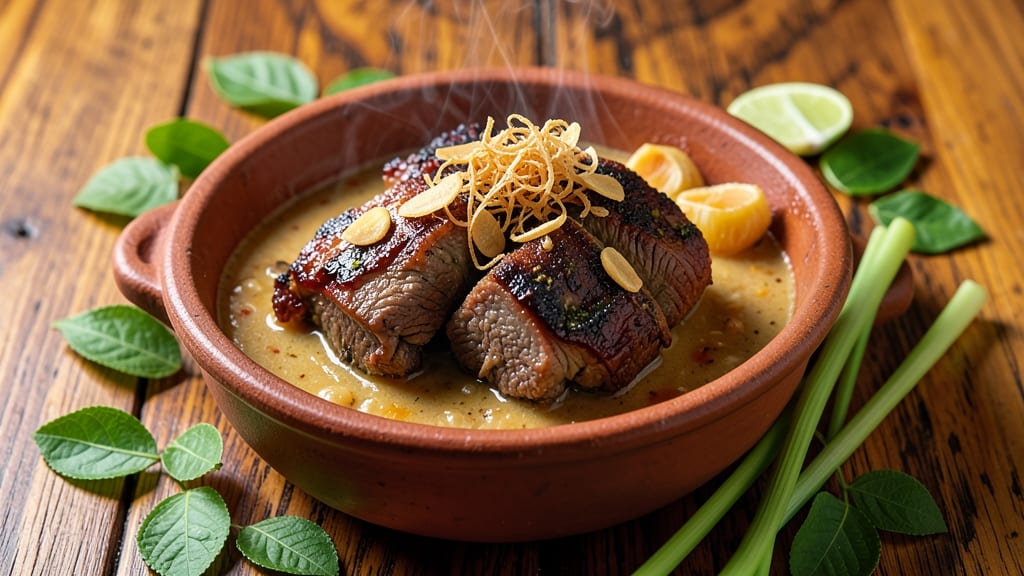
The authentic Malaysian beef rendang delivers complex, slow-cooked richness that balances sweet, spicy, and savory notes in every bite. This traditional dish transforms tough beef into melt-in-your-mouth tenderness through hours of simmering in coconut milk and aromatic spices.
The key lies in the spice paste—fresh turmeric, galangal, and kaffir lime leaves create layers of warmth that deepen as they cook.
What sets this recipe apart is its authentic preparation, using techniques passed down through generations. Whether you pressure-cook for efficiency or slow-simmer in a clay pot for traditional depth, the result is the same: beef that falls apart with just a touch, enveloped in a caramelized sauce.
The slow cooking process allows flavors to meld, creating a dish that tastes even better the next day.
This rendang pairs perfectly with steamed jasmine rice, which soaks up the fragrant sauce, and a side of sambal for those who crave extra heat. The aromatic spices—cinnamon, lemongrass, and chili—infuse every bite with a complexity that makes it a centerpiece for gatherings.
Once you taste the real thing, store-bought versions won’t compare.
Ready to master this foolproof method? We’ll guide you through marinating, spice blending, and slow cooking for restaurant-quality results at home. The effort is worth it for a dish this unforgettable.
Ingredients for authentic malaysian beef rendang
Six aromatic spices, tender beef, and hours of slow simmering create this Malaysian masterpiece.
| Ingredient | Amount | Notes |
|---|---|---|
| Beef Chuck Roast 🥩 | 3 lb | Cut into 1.5-inch cubes |
| Coconut Milk 🥥 | 2 cans | Full-fat, 13.5 oz each |
| Fresh Turmeric 🌿 | 1 piece | About 3 oz, peeled |
| Galangal 🌿 | 1 piece | About 3 oz, peeled |
| Kaffir Lime Leaves 🍃 | 4 whole | Lightly bruised |
| Fresh Lemongrass 🌿 | 3 stems | White part only, chopped |
| Shallots 🧅 | 6 whole | About 1 cup total, peeled |
| Garlic Cloves 🧄 | 8 cloves | Peeled |
| Cinnamon Sticks 🌿 | 2 whole | 2-inch pieces |
| Star Anise 🌶️ | 4 whole | Lightly crushed |
| White Peppercorns 🌶️ | 1 tbsp | Crushed |
| Dried Chili Peppers 🔥 | 2 whole | Bird's eye or Thai chili |
| Coconut Oil 🫒 | 2 tbsp | For searing |
| Brown Sugar 🍯 | ½ cup | Packed |
| Salt 🧂 | 1 ½ tsp | Kosher salt |
The beef is non-negotiable—chuck roast delivers that signature melt-in-your-mouth texture. Look for well-marbled cuts at Costco or your local Asian market—they often carry the best quality. Fresh galangal and kaffir lime leaves are the soul of this dish; Asian grocery stores usually stock them. If you can't find galangal, ginger at half the amount works in a pinch, though purists will notice the difference. The lemongrass should be vibrant and firm—no wilted stems here. For the coconut milk, full-fat is essential—light versions won't give that rich, creamy finish.
No fresh galangal? Ginger plus a pinch of cardamom mimics some of its earthy notes. Short on kaffir lime leaves? Lime zest plus a bay leaf adds citrus brightness. The star anise and cinnamon are crucial—they build that warm, woody backbone. Penzeys or Spicewalla sell high-quality whole spices that stay potent longer. For heat control, adjust the chili peppers—remove seeds for less spice. The brown sugar caramelizes beautifully during cooking, adding depth. If you're feeling lazy, pre-made rendang paste from Thai or Malaysian brands saves time, though homemade tastes infinitely better.
This dish tastes even better the next day as flavors meld. Store leftovers in an airtight container in the fridge for up to 5 days or freeze for 3 months. The sauce thickens as it cools, so add a splash of water or coconut milk when reheating. For serving, steamed jasmine rice is traditional—it soaks up all that fragrant sauce. Make a double batch; this rendang freezes beautifully and becomes a showstopper for dinner parties.
Why You'll Love This Recipe
- One-Pot Magic: I swear by this—just toss everything in a single pot and let it slow-simmer. No chopping mountains of veggies, no fussing with multiple pans. That beef chuck roast practically melts into tender perfection while the spices work their magic, and honestly? The cleanup is almost as good as the meal.
- Flavor Bomb: Between us, the galangal and kaffir lime leaves give it a depth you won’t find in your average beef stew. The turmeric stains your hands gold, but that’s a small price for the rich, caramelized sauce that clings to every bite—like a hug from Malaysia.
- Weeknight to Weekend: This dish is my secret weapon for lazy Mondays and impressing guests. Serve it over rice with a side of cucumbers for a casual meal, or plate it elegantly with lime wedges for a dinner party. (Yes, even on a Tuesday night.)
- Leftovers That Win: I make a double batch because the second day is even better—the flavors meld into something deeper, and reheating it is a breeze. Plus, it stretches my grocery budget without sacrificing taste. That’s a win in my book.
Step-by-step instructions for authentic Malaysian beef rendang
This slow-cooked masterpiece transforms tough beef into melt-in-your-mouth perfection through layers of aromatic spices.
Prepare the Spice Paste for Maximum Flavor
In a food processor, combine the peeled fresh turmeric, galangal, 6 whole shallots, 8 cloves garlic, 2 whole cinnamon sticks, 4 whole star anise, 1 tablespoon crushed white peppercorns, and 2 whole dried chili peppers. Pulse until you achieve a thick, coarse paste—about the consistency of hummus. This aromatic base is the soul of rendang, so don't rush this step.
Transfer the spice paste to a bowl and set aside. The reason we process these ingredients together is to extract all their essential oils and flavors simultaneously. If your food processor struggles, you can use a mortar and pestle for a more traditional approach, though it will take more time and elbow grease.
Sear the Beef in Coconut Oil
Heat the 2 tablespoons coconut oil in a heavy-bottomed Dutch oven over medium-high heat. Working in batches, add the 3 lb beef chuck roast cut into 1.5-inch cubes and sear until deeply browned on all sides—about 3-4 minutes per batch. This caramelization creates the rich, complex flavors that define authentic rendang.
As you sear, resist the urge to overcrowd the pan. You want those beef pieces to develop a deep golden crust. Once all the beef is browned, remove it from the pot and set it aside temporarily. The residual fat in the pot will become the foundation for your spiced coconut sauce.
Cook the Spice Paste Until Aromatic
Return the Dutch oven to medium heat and add the spice paste you prepared earlier. Cook it for 5-7 minutes, stirring constantly, until it becomes fragrant and slightly darkened. You'll notice the aromatic oils being released—this is when your kitchen should start filling with that unmistakable Malaysian spice profile.
Here's the thing—don't walk away during this step. The spices can burn quickly, and burnt spices will make your rendang taste bitter. You're aiming for a deep, toasty aroma without any burnt notes. If the paste starts to darken too quickly, reduce the heat slightly.
Build the Coconut Milk Sauce
Pour in 1 can of coconut milk and stir vigorously to combine with the spice paste. Bring the mixture to a gentle simmer, then reduce heat to low and let it cook for 10-15 minutes, stirring occasionally. This allows the coconut milk to absorb the spice flavors and thicken slightly.
Add the seared beef back to the pot along with the 4 lightly bruised kaffir lime leaves and 3 stems chopped lemongrass. Pour in the remaining 1 can of coconut milk, then add the 0.5 cup packed brown sugar and 1.5 teaspoons salt. Stir everything together gently to coat the beef evenly in the spiced coconut mixture.
Slow-Cook Until Tender and Caramelized
Cover the Dutch oven and transfer it to a 275°F oven. Here's where the magic happens—slow cooking transforms tough beef into tender, shreddable perfection. Cook for 3-4 hours, turning the beef occasionally and adding ½ cup water every 45 minutes to prevent the sauce from drying out.
You'll know it's ready when the beef easily shreds with a fork and the sauce has thickened into a rich, caramelized glaze. The beef should have a deep reddish-brown color, almost like a dried fruit, with a glossy sheen from the reduced coconut milk. This long cooking time is essential—it's what creates that authentic rendang texture and depth of flavor.
Finish and Serve with Traditional Accompaniments
Once the beef is tender, remove the kaffir lime leaves and lemongrass stems. Increase the oven temperature to 350°F and continue cooking uncovered for another 15-20 minutes to allow the sauce to thicken and develop a glossy finish. This final step concentrates the flavors and gives rendang its signature appearance.
Serve the beef rendang hot with steamed jasmine rice, accompanied by cucumber slices and a side of sambal for those who enjoy extra heat. The dish should have a perfect balance of sweet, spicy, and savory flavors with tender beef that practically melts in your mouth. This authentic Malaysian technique delivers restaurant-quality results in your own kitchen.
Pro Tips For Making Authentic Malaysian Beef Rendang
- Blanch the Galangal First: After burning three batches, I finally figured out that grating raw galangal straight into the pot makes the oil turn bitter. Instead, slice it thin, blanch in boiling water for 30 seconds, then drain—this mellows its sharpness and keeps the coconut milk from curdling. (Yes, even if you're impatient like me, the flavor is worth the extra 30 seconds.)
- Low and Slow After 2 Hours: The first half of cooking should be medium-high heat to render fat and deepen the paste, but after 2 hours, drop the heat to the lowest setting. I used to walk away and find the beef dry—until I realized rendang needs time, not speed. Cover it and let it simmer for 4-5 hours, stirring occasionally, until the sauce clings like syrup.
- Toast the Kaffir Lime Leaves: Skip this, and your rendang will taste flat. Lightly toast the leaves in a dry pan for 10 seconds per side until fragrant, then tear them into the pot. My grandmother swore by this, and she was right: it releases oils that cut through the richness of the coconut milk and beef.
- Use Two Cans of Coconut Milk: I was skeptical until I tried it—one can reduces too fast, leaving you scrambling for more. Use two cans: the first for the initial paste, the second added halfway through. This ensures a proper balance of creaminess without turning the beef into stew. (Your future self will thank you for not guessing.)
Dietary considerations for this authentic malaysian beef rendang
Vegetarian Adaptations
Swap beef for extra-firm tofu or mushrooms (like oyster or king oyster) for a meat-free version. Press tofu to remove excess water, then cube and sear in coconut oil until golden.
Use 1.5 lbs tofu or 2 lbs mushrooms for similar texture. For heartier results, combine both—1 lb tofu + 1 lb mushrooms—to mimic the beef's bite. 🌱
Gluten-Free Considerations
This recipe is naturally gluten-free since it relies on fresh spices and coconut milk. Always check your coconut milk label for cross-contamination warnings if gluten sensitivity is a concern.
The brown sugar used is typically gluten-free, but verify if using a brand with additives. For extra safety, opt for coconut sugar instead. 🌾
Spice Sensitivity Options
Adjust heat by removing chili seeds before adding to the spice paste, or reduce the number of dried chili peppers to just 1. For mild versions, substitute with ½ tsp mild paprika instead.
The white peppercorns can be omitted entirely if you prefer no peppery notes. Always taste the spice paste before cooking to gauge intensity. 🌶️
Protein Swaps
For poultry lovers, use chicken thighs instead of beef—they stay juicy during long cooking. 2.5 lbs bone-in thighs work best. For seafood rendang, try firm white fish like cod or mahi-mahi, but reduce cooking time to 1.5-2 hours to prevent overcooking.
The sauce will still develop beautifully with these proteins. 🐟
Dairy-Free Notes
This recipe is already dairy-free, but verify all ingredients if lactose intolerance is a concern. The coconut milk and coconut oil are naturally dairy-free, and the spices contain no hidden dairy.
For extra richness, stir in 1 tbsp coconut cream at the end for a velvety finish. Always check labels on pre-made spice blends if substituting. 🥥
Keto-Friendly Adjustments
To make this keto-compatible, reduce the brown sugar to 1 tbsp or eliminate it entirely. The natural sweetness from caramelized coconut milk will still shine. Use 1.5 lbs beef (instead of 3 lbs) to limit carbs while keeping portions satisfying.
Serve with cauliflower rice instead of jasmine rice. The spice paste remains unchanged—it's already keto-friendly! 🥩
Nutrition facts
Frequently asked questions
Can I make beef rendang in a slow cooker instead of the oven?
Yes! Use a 6-quart slow cooker on low for 6-8 hours or high for 4-5 hours. After searing the beef and cooking the spice paste, add everything to the slow cooker and cook until the beef shreds easily. The sauce will be thinner, so reduce it uncovered on the stove for 10-15 minutes at the end to thicken it properly.
What's the difference between Malaysian and Indonesian rendang?
While both dishes share the same name, Malaysian rendang tends to be sweeter and richer with more coconut milk, while Indonesian versions often use less sugar and more chili for heat. Malaysian rendang also frequently includes lemongrass and kaffir lime leaves, giving it a brighter, citrusy note. The cooking method is similar, but Malaysian versions often have a glossier, more caramelized finish.
How do I know when the beef is fully tender?
The beef should easily shred with a fork and have a deep reddish-brown color. When you pierce a piece, the juices should run clear, not pink. The sauce should coat the back of a spoon and have a glossy, caramelized appearance. If the beef still feels tough, return it to the oven for another 30-45 minutes, adding ¼ cup water if needed.
Can I make rendang paste ahead of time?
Store the spice paste in an airtight container in the fridge for up to 3 days or freeze it for 3 months. Thaw overnight in the fridge before using. For best results, use it within 24 hours of making it, as the flavors develop more fully when freshly blended. The paste can also be frozen in ice cube trays for portion control.
Why does my rendang taste bitter?
Bitterness usually comes from burnt spices or overcooked coconut milk. Make sure you stir constantly when cooking the spice paste and never let it darken too much. Also, avoid cooking the coconut milk too long—it should simmer gently, not boil vigorously. If it does get bitter, try balancing it with a touch more brown sugar or a splash of coconut cream at the end.