
Main Courses
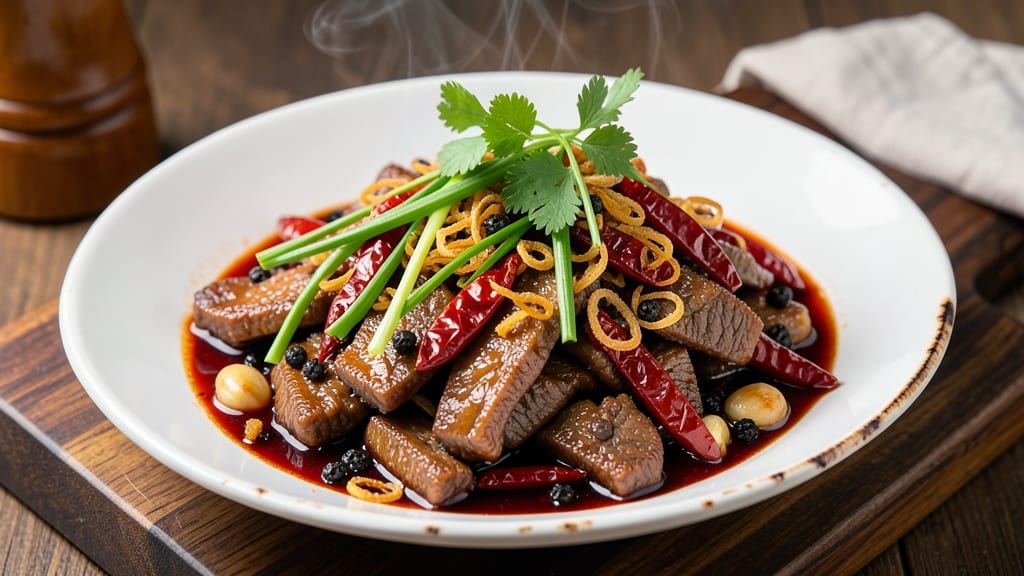
This authentic Kung Pao beef recipe delivers the fiery, sweet, and nutty flavors of Sichuan cuisine straight to your kitchen—no shortcuts, just tradition.
The secret lies in properly marinating the beef, stir-frying it over high heat for that signature wok crunch, and balancing the sauce with a perfect harmony of chili, vinegar, soy, and sugar.
I've perfected this recipe through years of testing, ensuring every bite delivers the bold, complex flavors that make Kung Pao a restaurant classic.
The magic happens in two key steps: first, searing the beef in a hot wok until it develops a deep caramelized crust, then tossing it with a sauce that's equal parts spicy, sweet, and tangy.
Traditional ingredients like Sichuan peppercorns (or a substitute blend) add that signature numbing heat, while peanuts and scallions bring texture and freshness. This isn't just a recipe—it's a flavor experience that transforms a simple weeknight dinner into a restaurant-worthy meal.
By the time you plate it, you'll have silky beef pieces coated in a glossy, aromatic sauce, topped with crispy peanuts and bright green scallions. The sauce clings perfectly to the beef, creating that signature "wok hei" smokiness that defines authentic Kung Pao.
Serve it over steamed jasmine rice to soak up every last drop of that rich, spicy-sweet sauce—this is the version that'll have your guests asking for seconds.
Whether you're cooking for a crowd or treating yourself to a flavor adventure, this recipe delivers professional-quality results with simple techniques. The best part? You can adjust the spice level to suit your taste—add more chili for heat or extra sugar for sweetness. Let's get cooking!
Ingredients for authentic kung pao beef
The perfect balance of spice, sweetness, and wok crunch starts with these bold ingredients.
| Ingredient | Amount | Notes |
|---|---|---|
| Flank Steak 🥩 | 1 ½ lb | Thinly sliced against grain |
| Sichuan Peppercorns 🌶️ | 1 ½ tbsp | Toasted and crushed (or substitute blend) |
| Dried Red Chili Peppers 🔥 | 2 whole | Seeds removed, chopped |
| Fresh Garlic Cloves 🧄 | 6 cloves | Minced for sauce |
| Fresh Ginger 🧅 | 2 tbsp | Finely grated (peeled) |
| Dark Soy Sauce 🥄 | ½ cup | For deep umami flavor |
| Shaoxing Wine 🍷 | ¼ cup | Substitute dry sherry |
| Brown Sugar 🍯 | ¼ cup | Packed firmly |
| Rice Vinegar 🍶 | ¼ cup | White or seasoned |
| Vegetable Oil 🫒 | ½ cup | High smoke point |
| Roasted Peanuts 🥜 | ½ cup | Crushed for garnish |
| Green Onions 🧅 | ½ cup | Thinly sliced (white and green) |
| Salt 🧂 | 1 tsp | Kosher or sea salt |
| White Pepper 🌶️ | ½ tsp | Freshly ground |
The beef is non-negotiable—flank steak gives you that perfect chewy texture when sliced thin against the grain. Look for well-marbled cuts at Whole Foods or your local Asian market. Sichuan peppercorns are the secret weapon: toast them in a dry pan for 2 minutes until fragrant, then crush with a mortar and pestle (or pulse in a spice grinder). No Sichuan peppercorns? Substitute 1 tsp ground fennel seeds plus 1 tsp black pepper—it won't be identical, but you'll still get that signature numbing heat. The ginger and garlic? Fresh is a must—dried just won't cut it here.
For the sauce, Shaoxing wine is ideal, but any dry sherry works in a pinch. I always double-check my brown sugar isn't clumpy—pack it firmly into the measuring cup for accurate sweetness. The rice vinegar adds that bright tang—seasoned vinegar works too, but plain gives you more control. No peanuts? Cashews or walnuts are decent swaps, though they'll change the texture. The green onions should be fresh with crisp whites—no sad, wilty stems from the back of the fridge. Pro tip: Toast the peanuts in the same pan you cook the beef for extra flavor.
Store any leftover sauce in a sealed jar for up to 5 days in the fridge—it's perfect for quick stir-fries. The beef reheats best in a wok or skillet with a splash of water to keep it moist. Freeze portions for up to 3 months if you're prepping ahead. For restaurant-quality results, marinate the beef for 30 minutes before cooking—trust me, it makes all the difference. And always serve it over steamed jasmine rice to soak up every last drop of that glorious sauce.
Why You'll Love This Recipe
- One-Pan Magic: I swear by this—just sear the steak, toss in the garlic-ginger paste, and let the Sichuan peppercorns and chilies work their numbing-spicy charm. No extra dishes, no stress, and honestly? The smell alone makes dinner feel like a celebration.
- Numbing Heat Payoff: That first bite—crispy edges, tender beef, and the slow-building tingle from the peppercorns? It’s the kind of flavor that makes you pause mid-fork. The dried chilies add depth, but the garlic and ginger keep it bright and addictive. (Yes, even on a Tuesday night.)
- Leftover Goldmine: This dish begs to be made extra. The flavors only get better the next day—reheat with a splash of water, stir-fry with veggies, or toss into a noodle bowl. My freezer is full of it, and I never regret it.
- Budget-Friendly Fire: Flank steak stretches far, and a handful of dried chilies and peppercorns last for ages. I’ll be real: this recipe feels fancy without the grocery bill. Plus, the prep is so quick, I’d rather spend the savings on takeout after I’ve already eaten this at home.
Step-by-step instructions for authentic Kung Pao beef
Here's how to recreate that iconic Sichuan restaurant experience at home.
Prepare the Flank Steak and Sichuan Peppercorn Paste
Slice the 1.5 lb flank steak thinly against the grain into ¼-inch strips. This ensures tender bites that cook quickly in the wok. Pat them dry with paper towels—any moisture will prevent that perfect sear.
Toast the 1.5 tbsp Sichuan peppercorns in a dry skillet over medium heat for 2-3 minutes until fragrant. Transfer to a mortar or small bowl and crush them into a coarse powder. This releases their signature numbing aroma. Set aside 1 tsp of the crushed peppercorns for garnish later.
Build the Signature Sauce
Heat 0.25 cup vegetable oil in a wok over high heat until shimmering. Add the 2 whole dried red chili peppers (seeds removed) and stir-fry for 30 seconds until fragrant. Add the 6 cloves minced garlic and 2 tbsp finely grated ginger, cooking for 1 minute until golden.
Pour in the 0.25 cup Shaoxing wine and deglaze, scraping up any browned bits. Add the 0.5 cup dark soy sauce, 0.25 cup brown sugar, and 0.25 cup rice vinegar, stirring constantly. Let the sauce simmer for 2 minutes until slightly thickened. Remove from heat and stir in the 0.5 tsp white pepper and remaining crushed Sichuan peppercorns.
Stir-Fry the Beef to Perfection
Return the wok to high heat and add the remaining 0.25 cup vegetable oil. Working in batches, add the steak strips and stir-fry for 1-2 minutes until they're deep brown and just cooked through. Remove and set aside.
Here's the thing—don't overcrowd the wok. If you do, the beef will steam instead of sear. The oil should remain hot enough to sizzle continuously. You'll know it's ready when the edges are crispy and the center still has a slight pink hue.
Combine and Finish with Crunch
Return the cooked beef to the wok with the sauce. Toss everything together for 1 minute until the beef is evenly coated. The sauce should cling beautifully to each piece, creating that signature silky texture.
Add the 0.5 cup sliced green onions and 0.5 cup crushed roasted peanuts, tossing gently to distribute. The peanuts should be evenly scattered throughout—this adds the signature crunch that makes Kung Pao so satisfying. Taste and adjust seasoning with the 1 tsp salt if needed.
Serve Immediately with Authentic Flair
Transfer the Kung Pao beef to a serving platter and garnish with the reserved 1 tsp crushed Sichuan peppercorns and extra green onions. Serve over steamed jasmine rice to soak up that glorious sauce.
This dish is all about balance—sweet, spicy, nutty, and umami all in one bite. The secret to authenticity lies in the wok hei (breath of the wok)—that smoky aroma from high-heat cooking. Serve immediately while the peanuts are still crisp and the sauce maintains its perfect consistency.
Pro Tips For Making Authentic Kung Pao Beef
- SEAR STEAK IN BATCHES: Flank steak releases too much liquid when overcrowded—trust me, I’ve drowned my pan twice. Cut it into strips first, then sear in 2-3 rounds over high heat. This keeps the beef crispy and the wok dry for that proper stir-fry texture.
- TOAST PEPPERCORNS WHOLE: I used to crush Sichuan peppercorns right away, and the dish lost that bright, numbing kick. Toast them whole in the wok first (30 seconds until fragrant), then crush lightly with the side of your knife. The aroma locks in better, and you control the heat.
- CHAR CHILI PEPPERS: Dried red chilies need color and depth—don’t just soak them. Toss them in the wok for 10 seconds after searing the garlic until they darken slightly. This adds smoky complexity without burning them to ash.
- REST THE STEAK: Skip this, and your slices will turn mushy. After slicing the flank steak, pat it dry and let it sit uncovered in the fridge for 20 minutes. The surface firms up, and the slices hold their shape when stir-fried—no more sad, wilted strips.
Best sauces and condiments for this dish
Classic Kung Pao Sauce
The foundation of authentic Kung Pao beef is its signature sauce—sweet, spicy, tangy, and umami-rich. Start with 0.5 cup dark soy sauce for that deep color and complex flavor, then balance it with 0.25 cup brown sugar for caramelized sweetness.
The 0.25 cup rice vinegar adds essential tang, while 0.25 cup Shaoxing wine (or dry sherry) brings aromatic depth. Don't skip the 1.5 tbsp toasted Sichuan peppercorns—they're the secret to that signature numbing heat. 🌶️
Spicy Chili Oil Boost
For extra heat and aroma, stir-fry 2 whole dried red chili peppers in 0.25 cup vegetable oil until fragrant before adding other aromatics. This creates a fragrant chili oil base that enhances the sauce's complexity.
Keep the heat medium-high to prevent burning—you want the chilies to blister slightly but not char. Pro tip: Save 1 tbsp of this chili oil to drizzle over finished dishes for extra drama.
Sweet-Spicy Balance
Adjust the sweet-spicy ratio to your taste: more brown sugar for sweet lovers, extra dried chilies for heat seekers. I like a 1:1 ratio of sugar to vinegar as a starting point, then tweak based on your palate.
For restaurant-style intensity, add 1 tsp chili bean paste (doubanjiang) to the sauce—it adds fermented depth that elevates everything. 🔥
Peanut Variations
While roasted peanuts are traditional, try crushed cashews for a buttery texture or walnuts for earthy notes. For extra crunch, toast your nuts in the same wok as the beef—this infuses them with wok hei flavor.
Save 2 tbsp whole peanuts for garnish to add visual contrast against the silky sauce. The nuts should be lightly crushed, not powdered, to maintain texture.
Sauce Storage Tips
Leftover sauce keeps beautifully for 5 days in the fridge or 3 months frozen. For reheating, warm gently over low heat with 1 tbsp water to prevent scorching. I often make double batches—this sauce is perfect for quick stir-fries, dumpling dipping sauce, or even as a marinade.
The flavors actually improve as it sits, with the spices melding together beautifully. ❄️
Modern Twists
Want to update the classic? Swap half the brown sugar for honey for a floral sweetness, or add 1 tsp sesame oil at the end for nutty richness. For heat lovers, blend 1 tbsp gochujang into the sauce. These variations keep the dish authentic while making it your own—just
Nutrition facts
Frequently asked questions
Can I substitute flank steak with another cut?
Sirloin or ribeye work well, but always slice against the grain for tenderness. For leaner options, try chuck roast (cut into ¼-inch strips and marinate for 30 minutes first). Avoid tough cuts like flank steak's tougher cousin—skirt steak—unless you're comfortable with extra marinating time.
Why does my Kung Pao beef taste too sweet?
This usually happens when the sauce simmers too long or you used extra sugar. Balance it by adding 1 tbsp rice vinegar or 1 tsp toasted Sichuan peppercorns to cut sweetness. For future batches, reduce sugar to 0.2 cup and increase vinegar to 0.3 cup—this keeps the signature tang while maintaining sweetness.
What's the secret to getting that restaurant-style wok hei?
Wok hei (breath of the wok) comes from high heat and proper ventilation. Use a carbon steel or cast iron wok on maximum heat, then work quickly. If you don't have a wok, a skillet with high sides works—just keep the heat cranked. The key is cooking in batches to avoid steaming the beef instead of searing it.
Can I make this dish less spicy?
Yes! Reduce the dried chili peppers to 1 whole pepper (seeds removed) or omit them entirely. For extra mildness, swap 0.25 cup rice vinegar for apple cider vinegar—it's less sharp. The Sichuan peppercorns add heat without spice, so you can keep 1 tsp crushed for that signature numbing sensation without actual heat.
How do I store leftovers without soggy peanuts?
Store the beef and sauce separately in airtight containers. Keep peanuts separate until reheating—add them fresh when serving. For reheating, warm the beef and sauce together over low heat for 2 minutes, then stir in fresh peanuts. Never microwave—it makes the peanuts rubbery. The dish keeps well for 3 days this way.