
Soups & Stews
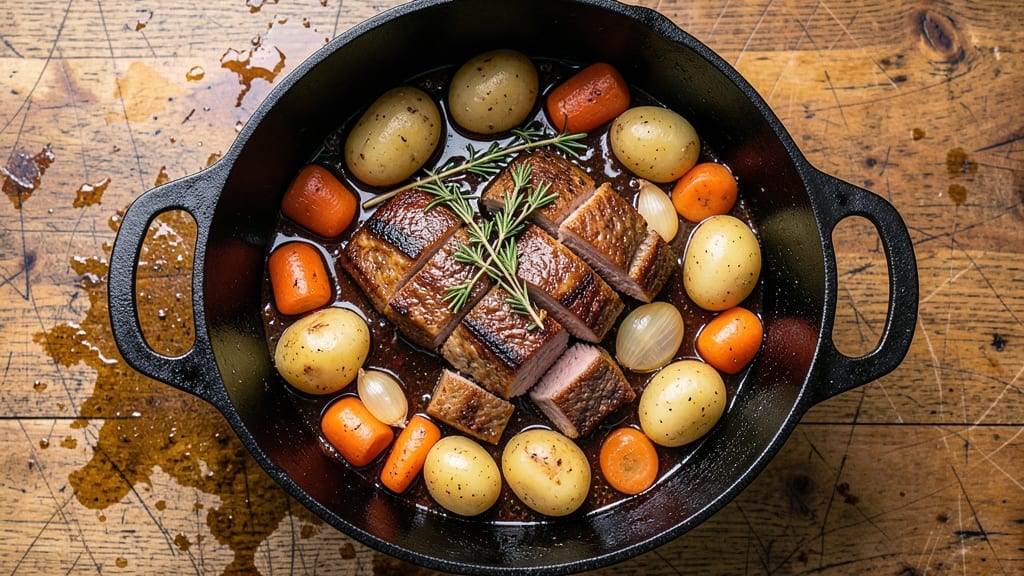
This authentic Irish beef stew recipe delivers the deep, rich flavors of traditional Irish cooking—slow-simmered beef, hearty root vegetables, and a velvety Guinness gravy that tastes like home.
The secret lies in proper beef selection (chuck or shin) and slow braising, which transforms tough cuts into melt-in-your-mouth tenderness while developing complex, savory depth. I’ve perfected this recipe over years of testing, ensuring every spoonful carries the soul of an Irish pub kitchen.
The foundation of authenticity comes from the ingredients: Guinness stout (not just any beer), red wine for acidity, and aromatic herbs like thyme and parsley. Unlike rushed versions, this stew requires patience—4-6 hours of simmering—to build layers of flavor.
The result is a thick, glossy gravy that clings to every bite, with carrots, potatoes, and onions softened just enough to melt in your mouth. This isn’t just a stew; it’s a comforting, restaurant-quality meal that warms the soul.
What sets this apart is the balance of techniques: a browned beef base for depth, a splash of red wine to cut richness, and the right amount of Guinness to create that signature malty sweetness.
The slow simmer ensures the vegetables absorb the flavors without falling apart, while the final reduction thickens the gravy to a perfect consistency. Whether you’re serving it to family or guests, this stew will be the centerpiece of your table.
For modern cooks, I’ve included shortcuts like pressure cooker adaptations, but the core method remains true to tradition. The key is letting the flavors develop naturally—no shortcuts, no substitutions.
Once you taste the difference between this and store-bought versions, you’ll never go back. Ready to make the most authentic Irish beef stew you’ve ever tried?
Ingredients for authentic irish beef stew
Six hearty ingredients and a few pantry staples—this is the soul of Irish home cooking.
| Ingredient | Amount | Notes |
|---|---|---|
| Beef Chuck Roast 🥩 | 3 lb | Cut into 1.5-inch cubes, trimmed of fat |
| Yellow Onions 🧅 | 2 whole | Peeled, cut into 1-inch chunks |
| Carrots 🥕 | 4 whole | Peeled, cut into 2-inch chunks |
| Russet Potatoes 🥔 | 4 whole | Peeled, cut into 1.5-inch chunks |
| Garlic Cloves 🧄 | 6 cloves | Peeled, smashed with side of knife |
| Fresh Thyme 🌿 | 2 sprigs | Stems removed, leaves stripped |
| Fresh Parsley 🌿 | ¼ cup | Chopped, for garnish and flavor |
| Guinness Stout 🍺 | 1 cup | Full-bodied, not light beer |
| Dry Red Wine 🍷 | ½ cup | Bold Cabernet Sauvignon preferred |
| Beef Broth 💧 | 4 cups | Homemade or high-quality store-bought |
| Tomato Paste 🍅 | 2 tbsp | Smooth, not chunky |
| All-Purpose Flour 🌾 | 1 tbsp | For thickening gravy |
| Kosher Salt 🧂 | 2 tsp | Diamond Crystal preferred |
| Freshly Ground Black Pepper 🌶️ | 1 tsp | Cracked peppercorns preferred |
| Olive Oil 🫒 | 2 tbsp | Extra-virgin for browning beef |
The beef is non-negotiable here. Chuck roast from the butcher section—look for good marbling—is your best bet, but shin beef works too if you can find it. I always ask the butcher to cut it into 1.5-inch cubes, which saves time. For the best flavor, Costco or local butcher shops often carry the best cuts. If you're buying whole, trim the fat and cube yourself—it makes all the difference. The Guinness? Don’t skimp on the quality—full-bodied stout is essential for that rich, malty depth you crave in an Irish stew.
No Guinness? Substitute with a mix of dark beer and a splash of soy sauce—it’s not the same, but it’ll get you close. Fresh thyme is ideal, but dried works at half the amount if you’re in a pinch. The red wine can be swapped for apple cider vinegar or lemon juice for acidity, though it’ll lack complexity. For the tomato paste, Trader Joe’s squeeze tubes are perfect—they’re convenient and last forever. If you’re using pre-cut vegetables, pat them dry first to prevent the stew from getting watery. The potatoes? Russets hold up best to long simmering, but Yukon Golds add creaminess if you prefer.
This stew tastes even better the next day—3-4 days in the fridge is ideal, and it freezes beautifully for up to 3 months. I always make a double batch because it disappears fast. For storage, let it cool completely, then transfer to airtight containers. The gravy thickens as it cools, so add a splash of beef broth if it’s too thick when reheating. Serve with crusty bread or buttered soda bread to soak up every last drop of that rich, Guinness-infused gravy.
Why You'll Love This Recipe
- One-Pot Wonder: I swear by this recipe—just brown the beef, toss in the onions and garlic, then let it simmer. No extra pans, no fuss. The chuck roast practically melts into tender perfection while the potatoes soak up all that rich broth.
- Deep Umami Magic: That slow-cooked beef chuck? It turns into melt-in-your-mouth strips, and the carrots caramelize just enough to add natural sweetness. Honestly, the first bite makes me forget I’m not in a Dublin pub.
- Leftover Luxury: This stew tastes better the next day—yes, really. I make a double batch on Sundays and reheat portions all week. The potatoes get even creamier, and the flavors meld into something seriously comforting.
- Budget-Friendly Hero: A chuck roast stretches across meals, and the veggies (onions, carrots, potatoes) are pantry staples. Between us, this is the kind of dish that makes grocery money go further without sacrificing flavor.
Step-by-step instructions for authentic Irish beef stew
Here's how to create a hearty, traditional Irish beef stew with deep Guinness flavor and tender meat.
Sear the Beef Chuck for Rich Flavor
Heat a large Dutch oven over medium-high heat and add the 2 tablespoons olive oil. Once shimmering, add the 3 lb beef chuck roast cut into 1.5-inch cubes in a single layer. Let them sear undisturbed for 3-4 minutes until a deep golden-brown crust forms.
This initial searing creates the Maillard reaction that builds the stew's deep, caramelized foundation. Once browned on one side, gently stir and repeat until all pieces are evenly browned. Don't crowd the pan—this ensures proper browning. Transfer the beef to a plate and set aside temporarily.
Build the Flavor Base with Aromatics
In the same Dutch oven, add the 2 whole yellow onions cut into 1-inch chunks and cook for 5 minutes until softened and slightly golden. Add the 4 whole carrots cut into 2-inch chunks and cook for another 3 minutes.
Stir in the 6 cloves garlic that have been peeled and smashed, along with the 2 sprigs fresh thyme. Cook for 1 minute until the garlic becomes fragrant—this releases its sweet, aromatic oils. The combination of these vegetables creates a flavorful base that will infuse the entire stew.
Deglaze and Develop the Guinness Gravy
Pour in the 1 cup Guinness stout and scrape up any browned bits from the bottom of the pot with a wooden spoon. This deglazing step captures all the concentrated beef flavor that would otherwise burn. Let it simmer for 3 minutes until reduced by half.
Add the 0.5 cup dry red wine and 2 tablespoons tomato paste, stirring to combine. Cook for another 2 minutes to allow the alcohol to evaporate and the tomato paste to deepen in flavor. This creates the rich, velvety base that defines an authentic Irish stew.
Simmer the Stew Until Tender
Return the browned beef to the Dutch oven. Add the 4 cups beef broth, 2 teaspoons kosher salt, and 1 teaspoon freshly ground black pepper. Bring to a gentle boil, then reduce heat to low and cover partially. Let it simmer for 2 hours.
After 2 hours, add the 4 whole russet potatoes cut into 1.5-inch chunks. Return to a simmer and cook uncovered for another 30-45 minutes until the potatoes are fork-tender and the meat is falling apart easily. The potatoes should absorb the rich stew liquid while maintaining their structure.
Thicken and Finish with Fresh Herbs
Sprinkle the 1 tablespoon all-purpose flour over the stew and stir gently to combine. Let it simmer uncovered for 5-7 minutes until the sauce thickens slightly. This step creates the signature thick gravy that coats each bite.
Stir in the 0.25 cup chopped fresh parsley and adjust the seasoning if needed. Let the stew rest for 10 minutes before serving. The resting period allows the flavors to meld completely, resulting in a deeply flavorful, comforting Irish stew that's perfect for chilly evenings.
Pro Tips For Making Authentic Irish Beef Stew
- Sear the Chuck Hard: I learned this the hard way—skipping the sear means flavorless stew. Heat your pot until it’s smoking hot, then let that chuck roast sit for 3-4 minutes per side until deep brown. The crust locks in juices and builds the base for that rich, savory Irish depth.
- Cut Potatoes Last: Add potatoes too early, and they’ll turn to mush. Wait until the beef and veggies have softened for 1.5–2 hours first, then toss in chunks cut just before serving—they’ll cook through perfectly in the residual heat.
- Don’t Crowd the Pot: Irish stew needs room to breathe. If your pot’s packed, the carrots and onions steam instead of caramelizing. Start with half the veggies, cook them until tender, then add the rest—this keeps flavors bright and textures distinct.
- Use Stale Flour for Thickening: Sounds weird, but it works: mix 1 tbsp flour with 1 tbsp cold water, stir into the stew at the end, and simmer 5 minutes. Stale flour binds better than fresh, giving you a silky finish without a floury aftertaste. (Yes, even if you’re impatient like me.)
Pro cooking tips for this dish
Beef Browning Mastery
Sear your beef in a single layer over medium-high heat for 3-4 minutes per side—this isn’t the time to rush. A deep golden crust from the Maillard reaction builds the stew’s rich foundation. I use a 12-inch cast-iron Dutch oven because it retains heat evenly.
If your beef releases too much fat, carefully drain it into a measuring cup and reserve it—you’ll need 2 tablespoons later to enrich the gravy. 🔥
Guinness Reduction Secret
After deglazing with 1 cup Guinness, let it reduce by half before adding wine. This step concentrates the maltiness and deepens the flavor. I stir occasionally and avoid boiling—just a gentle simmer at low heat.
The reduction should take about 3 minutes. If you’re using a lighter beer, add 1 teaspoon soy sauce to mimic the umami depth of Guinness.
Potato Timing Precision
Add potatoes only after the beef has already simmered for 2 hours. This ensures they absorb the rich flavors without turning mushy. Cut them into 1.5-inch chunks—smaller pieces cook faster but lose shape.
For extra creaminess, I sometimes add ½ cup pearl onions with the potatoes. The stew should finish with the potatoes tender but still holding their structure.
Gravy Thickening Hacks
The flour slurry is key: whisk 1 tbsp flour with 2 tbsp cold water before stirring it into the stew. Simmer for 5-7 minutes until thickened. For a glossier finish, I stir in 1 tbsp reserved beef fat at the end.
If the gravy is too thin, mix 1 tsp cornstarch with 1 tbsp water and stir in—it works like magic. 💫
Herb Infusion Trick
Add thyme sprigs early (with the aromatics) and parsley late (just before serving). The thyme releases its earthy notes during simmering, while fresh parsley adds brightness at the end.
For extra aroma, I bruise the thyme leaves slightly with my fingers before adding them. If using dried thyme, ½ teaspoon is plenty—it’s potent!
Modern Shortcuts
For a pressure cooker, sear the beef first, then cook on high pressure for 60 minutes with all ingredients except potatoes. Add potatoes and cook another 10 minutes.
For slow cooker versions, brown the beef first, then transfer everything to the slow cooker and cook on low for 8 hours. The flavors develop differently but are still delicious—just less concentrated.
Nutrition facts
Frequently asked questions
Can I substitute Guinness with another beer or drink?
While Guinness is ideal for its rich maltiness, you can use 1 cup dark beer (like stout or porter) plus 1 teaspoon soy sauce for umami depth. For a non-alcoholic version, try 1 cup beef broth + 1 teaspoon molasses to mimic the caramel notes. Avoid light beers—they won't deliver the same depth of flavor.
Why does my stew taste watery after simmering?
Watery stews usually mean the potatoes released too much starch or the broth wasn't reduced enough. Always add potatoes after 2 hours of simmering (when beef is tender) and cut them into 1.5-inch chunks to maintain structure. For thickening, simmer uncovered for 5-7 minutes after adding flour, or make a slurry with 1 tbsp cornstarch + 1 tbsp water.
How do I make this stew in a slow cooker?
Brown the beef first in a skillet, then transfer everything (including the beef fat) to your slow cooker. Cook on low for 8 hours or high for 5 hours. The flavors will develop differently but still be delicious. For extra richness, stir in 1 tbsp reserved beef fat at the end. The potatoes may need 10-15 extra minutes to soften.
What's the best way to reheat leftover stew?
Reheat gently on low heat in a pot with a splash of beef broth to restore moisture. Never microwave directly—it can make the gravy grainy. For best results, cover and simmer for 10-15 minutes until heated through. If the gravy thickens too much, add 1-2 tablespoons broth at the end. Leftovers taste even better the next day!
Can I use ground beef instead of chuck roast?
Ground beef works in a pinch, but it won't have the same rich, tender texture. If you must use it, brown it well first and simmer for only 1.5 hours (ground beef cooks faster). For better results, try shin beef or brisket—both are traditional Irish cuts that hold up well. The key is choosing a cut with good marbling for flavor.