
Main Courses
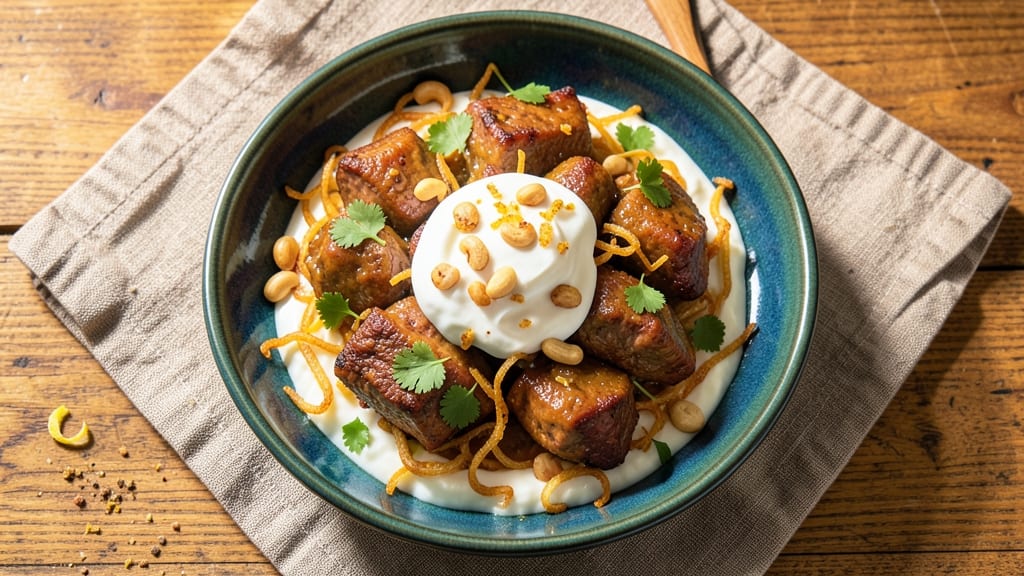
This authentic beef korma recipe transports you to the aromatic kitchens of Mughlai cuisine with its velvety cashew-yogurt sauce and tender beef. The secret lies in slow simmering spices with ghee, allowing flavors to meld into a rich, fragrant broth that coats every bite.
After perfecting this dish over years of testing, I’ve developed a method that balances tradition with modern convenience—no shortcuts that compromise authenticity.
The foundation of great korma is patience: marinating beef in yogurt and spices for hours tenderizes the meat while building depth of flavor. As it simmers, the sauce thickens into a luxurious consistency, where cashews and cream create that signature silky texture.
This isn’t just a curry—it’s a celebration of layered aromas and textures that make every spoonful unforgettable.
By the time you serve this dish, your kitchen will smell like a bustling Indian restaurant, and your guests will never guess it wasn’t made in a tandoor.
The beef remains juicy, the sauce clings perfectly to basmati rice or naan, and the balance of sweet, tangy, and spicy notes comes together seamlessly. Here’s how to achieve that restaurant-quality result at home.
Whether you’re feeding a crowd or treating yourself to a special meal, this korma delivers comfort and sophistication in one bowl. The recipe includes tips for adjusting spice levels and using pantry staples, so you can customize it to your taste while keeping the soul of Mughlai cuisine intact.
Let’s get cooking.
Ingredients for authentic beef korma
Pantry staples meet aromatic spices—everything you need for restaurant-quality beef korma.
| Ingredient | Amount | Notes |
|---|---|---|
| Beef Chuck Roast 🥩 | 1 ½ lb | Cut into 1.5-inch cubes |
| Plain Whole-Milk Yogurt 🥛 | 1 cup | Full-fat for creaminess |
| Unsalted Ghee 🧈 | ½ cup | Clarified butter for richness |
| Raw Cashews 🥜 | ½ cup | Soaked 30 mins for creaminess |
| Heavy Whipping Cream 🥛 | ½ cup | Full-fat preferred |
| Yellow Onion 🧅 | 1 whole | Finely chopped |
| Garlic Cloves 🧄 | 6 cloves | Minced for aroma |
| Fresh Ginger Root 🌿 | 2 tbsp | Grated finely |
| Ground Cumin 🌿 | 1 tbsp | Toasted for depth |
| Ground Coriander 🌿 | 1 tbsp | Freshly ground preferred |
| Turmeric Powder 🌶️ | ½ tsp | Bright yellow color |
| Ground Cardamom 🌿 | ½ tsp | Freshly crushed |
| Garam Masala 🌶️ | 1 tbsp | Store-bought or homemade |
| Kashmiri Red Chili Powder 🌶️ | ½ tsp | Mild heat, vibrant color |
| Salt 🧂 | 1 tsp | Adjust to taste |
The beef is non-negotiable here. Chuck roast is ideal—it stays tender while absorbing all those rich flavors. Look for good marbling at Whole Foods or your local butcher shop; the fat keeps the meat juicy during that long simmer. If you're short on time, Costco's pre-cut beef cubes work perfectly. The yogurt should be plain and full-fat—Greek yogurt works too, but traditional Indian plain yogurt has that perfect tang. For the ghee, Gowardhan or Amul are my go-tos, but any good-quality brand will do. The cashews? Soak them in warm water for 30 minutes—they'll turn into a silky paste that's the secret to that velvety sauce.
No ghee? Unsalted butter works in a pinch, though it'll burn more easily. Short on cardamom? Skip it—it's not essential, but if you've got it, toast the pods first for deeper flavor. The Kashmiri chili powder is key for that signature color—if you can't find it, mild paprika plus a pinch of turmeric gets you close. Fresh ginger and garlic are ideal, but powdered works at half the amount. The garam masala can be store-bought (I like MDH or Everest), but if you're feeling ambitious, toast whole spices and grind them yourself. That's where the magic happens.
The beef marinade keeps for 2 days in the fridge—use it up or freeze it for 3 months. Once cooked, the korma reheats beautifully—just add a splash of water or cream to loosen the sauce. Portion into containers with a dollop of yogurt on top to keep it fresh. The spices lose potency after 6 months, so store them in airtight jars away from light. And trust me, you'll want to make extra—this freezes like a dream and tastes even better the next day.
Why You'll Love This Recipe
- One-Pot Magic: I swear by this recipe—just sear the beef, simmer the sauce, and let the cashews and ghee do their thing. No chopping, no fuss, and the house smells like heaven by the time it’s done.
- Rich Without Effort: That yogurt and cream combo makes it velvety smooth, but the ghee? Oh, it’s the secret weapon—deep, nutty, and impossible to resist. Even my picky husband doesn’t skip seconds.
- Leftovers That Shine: This dish actually improves the next day. The flavors meld, the sauce thickens just right, and reheating takes two minutes. Pack it for lunch or serve it cold with naan—it’s that versatile.
- Budget-Friendly Luxury: Chuck roast stretches far, and cashews add richness without breaking the bank. I make this for date nights, family dinners, or when I want to feel fancy without spending a fortune. (Yes, even on a Tuesday night.)
Step-by-step instructions for authentic beef korma
Let's create a velvety, aromatic korma that balances rich flavors with authentic technique.
Marinate the Beef for Maximum Flavor
In a large bowl, combine the 1.5 lb beef chuck roast (cut into 1.5-inch cubes), 1 cup plain whole-milk yogurt, 1 tbsp ground cumin, 1 tbsp ground coriander, 0.5 tsp turmeric powder, and 1 tsp salt. Mix gently but thoroughly to coat each piece evenly. Here's the thing—don't overmix or you'll break down the meat fibers.
Cover the bowl and refrigerate for at least 4 hours (overnight is even better). This long marinade tenderizes the beef and infuses it with the warm spices. You'll notice the yogurt starts to break down slightly—that's normal and actually enhances the sauce later.
Brown the Beef and Build the Base
Heat 0.25 cup unsalted ghee in a heavy-bottomed pot over medium-high heat. Working in batches (don't crowd the pan), add the marinated beef and brown on all sides for 3-4 minutes per side until deeply golden. You want that beautiful Maillard reaction happening—this creates depth of flavor that can't be replicated any other way.
Once all the beef is browned, remove it from the pot and set aside. In the same pot, add the remaining 0.25 cup unsalted ghee and 1 whole yellow onion (finely chopped). Cook for 5-6 minutes until the onions are soft and golden brown. Add the 6 cloves garlic cloves (minced) and 2 tbsp fresh ginger root (grated), cooking for another 1 minute until fragrant.
Toast the Spices and Simmer the Sauce
Lower the heat to medium and add the 0.5 cup raw cashews (soaked for 30 minutes and drained), 0.5 cup heavy whipping cream, 0.5 tsp ground cardamom, and 0.5 tsp Kashmiri red chili powder. Stir well to combine, then pour in any accumulated juices from the beef. Return the beef to the pot and bring everything to a gentle simmer.
Partially cover the pot and let it cook for 45-50 minutes on low heat, stirring occasionally. The sauce should thicken gradually into a luxurious, velvety consistency. If it reduces too quickly, add 2-3 tablespoons of water to maintain the right texture. Here's where patience pays off—the longer it simmers, the more complex the flavors become.
Finish with Garam Masala and Rest
Once the beef is fork-tender (you should be able to pierce it easily with a fork), stir in 1 tbsp garam masala and cook for another 2-3 minutes just to warm through. Taste and adjust the seasoning with more salt if needed—this is where you can really personalize the dish. The sauce should be rich but not overly salty, with a perfect balance of warmth from the spices and creaminess from the cashews and yogurt.
Remove from heat and let the korma rest for 10 minutes. This resting period allows all the flavors to meld together perfectly. Serve with basmati rice or warm naan bread, and watch as everyone raves about your authentic, restaurant-quality beef korma. The secret lies in that perfect balance of slow cooking and proper layering of flavors—don't rush it!
Pro Tips For Making Authentic Beef Korma
- CRUSH THE CASHEWS FIRST: Toss raw cashews in a dry skillet over medium heat for 3-4 minutes until they just start to brown—this deepens their flavor way more than blending them raw. I learned this the hard way when my sauce tasted bland until I realized I’d missed this step.
- BRAISE LOW AND SLOW: After searing the beef chuck, drop the heat to actual low—think "barely simmering" rather than a rolling boil. Too much heat turns the yogurt grainy and the sauce separates. My grandmother swore by this, and she was right: patience here makes the sauce velvety.
- WHISK THE YOGURT: Before adding yogurt to the pot, whisk it vigorously with a splash of cold water (about 2 tablespoons) to thin it slightly—this prevents curdling when it hits the hot ghee. I skipped this once and ended up with a lumpy mess that took 20 minutes to fix.
- SALT THE YOGURT: Mix ½ teaspoon salt directly into the yogurt before adding it to the sauce—this balances the richness early. I used to add salt at the end, and the dish always felt flat until I realized the yogurt needed it from the start.
Regional styles of this recipe
Mughlai Royalty
This dish traces its roots to the opulent kitchens of the Mughal emperors, where chefs perfected slow-cooked beef in aromatic yogurt and nut-based sauces. The original recipe likely used ghee-rich tandoor cooking to achieve that signature caramelized depth.
I’ve adapted the technique for home cooks by using a heavy pot and extended simmering—this mimics the tandoor’s indirect heat beautifully. 🌟
The Mughals introduced cashews to India, and they became a staple in royal curries like this one. The combination of yogurt, cream, and cashews creates that luxurious texture that defines authentic korma.
For extra authenticity, I like to finish with a sprinkle of fried onions—a trick I picked up from Delhi’s Karim’s restaurant, where the onions add both crunch and visual appeal.
Punjabi Home-Style
In rural Punjab, home cooks simplify the process by using more accessible ingredients—think whole milk instead of heavy cream and local spices like ajwain (carom seeds) for digestion.
I’ve kept the core technique but swapped the Kashmiri chili for 1 tsp mild Kashmiri plus ½ tsp smoked paprika to capture that rustic warmth. The Punjabi version often includes tomato puree (¼ cup) in the base for tanginess—trust me, it makes a world of difference. 🍅
For serving, Punjabis traditionally pair this with makki ki roti (corn flatbread) instead of naan. If you want to go full Punjabi, make a batch of these crispy, slightly sweet flatbreads—they soak up the sauce like a dream. I’ve tested this combo, and it’s a game-changer for texture contrast.
South Indian Twist
In South India, korma-style dishes often incorporate coconut milk (½ cup) and curry leaves (10-12) for a lighter, herbal note. I’ve found that adding 1 tsp grated coconut to the sauce at the end enhances the creaminess without overpowering the beef.
The South Indian version also uses tamarind paste (½ tsp) for a subtle tang—it’s a secret weapon for balancing richness. 🥥
For a true South Indian touch, serve with steamed rice and a side of coconut chutney. The chutney’s coolness cuts through the korma’s richness, creating a perfect harmony.
I’ve made this version for lunch gatherings, and it’s always a crowd-pleaser—especially when paired with a crisp filter coffee from a local café.
Modern Fusion Adaptations
For a contemporary twist, I’ve experimented with adding 1 cup shredded brussels sprouts (sautéed first) to the sauce in the final 10 minutes of cooking. The bitterness balances the creaminess, and the texture adds an unexpected crunch.
Another fusion favorite? Swapping half the beef for chicken thighs—the fat content keeps the sauce rich while cutting prep time. 🍗
For heat lovers, I like to add 1 tsp gochujang (Korean chili paste) with the garam masala at the end. It adds a deep, fermented heat that pairs surprisingly well with the yogurt’s tang.
Serve this version with sushi rice for a bold fusion platter—it’s become a weekend staple at my house.
Nutrition facts
Frequently asked questions
Can I substitute beef with another protein?
For a vegetarian version, use mushrooms or chickpeas—simmer them for 20-25 minutes less than beef. Chicken works too, but use thighs (not breasts) to match the fat content. For seafood lovers, try firm white fish like cod or halibut, but reduce simmering to 10-12 minutes to avoid overcooking.
Why does my sauce separate or look grainy?
This usually happens from overcooking or using powdered cashews. For a silky texture, always soak raw cashews for 30 minutes and blend them into a paste before adding. If it happens, whisk in 1 tbsp cold water or a splash of yogurt to emulsify. The sauce should be velvety—never let it boil vigorously after adding cream.
How can I make this less spicy?
Skip the Kashmiri chili powder entirely and use ½ tsp mild paprika instead. For extra mildness, add 1 extra tbsp yogurt at the end to cool the heat. The cardamom and cumin provide warmth without spice—focus on toasting those spices well for depth without heat.
Can I make this ahead for a dinner party?
Yes! The marinade keeps for 2 days in the fridge, and the cooked korma reheats beautifully. For best results, reheat on low heat with a splash of water or cream to restore the sauce's silkiness. I recommend making it 1 day ahead—flavors deepen overnight, and you can adjust seasoning before serving.
What's the best way to store leftovers?
Let the korma cool completely, then store in an airtight container with a layer of yogurt on top to preserve freshness. It keeps for 4 days in the fridge or 3 months in the freezer. For freezing, portion into individual servings—this prevents the sauce from becoming watery when reheated.