
Main Courses
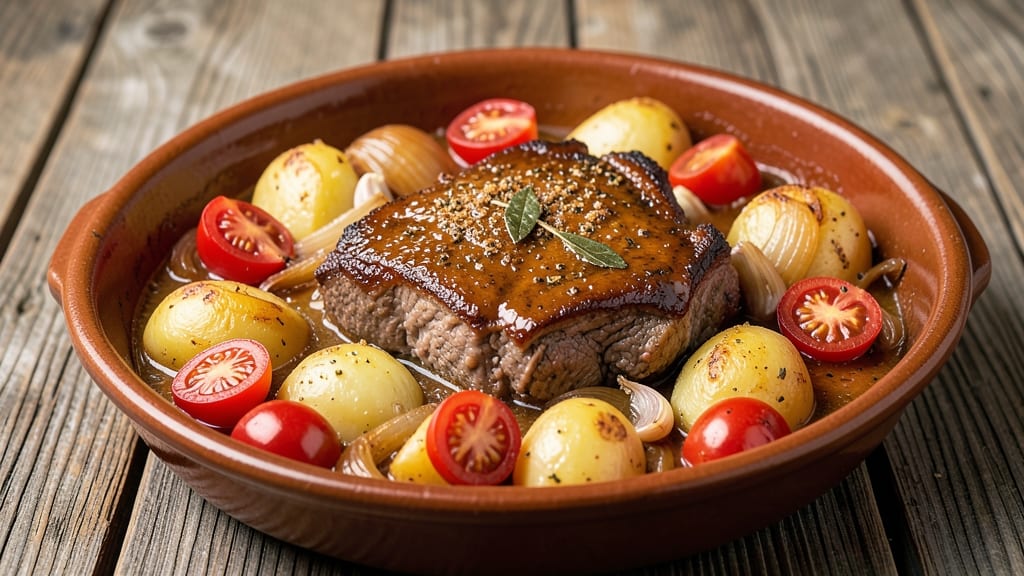
This authentic beef caldereta recipe brings the rich, comforting flavors of Filipino home cooking to your kitchen—where tender beef, hearty potatoes, and vibrant vegetables simmer in a deeply savory tomato-based sauce. 🌟 The secret lies in slow simmering, which allows the garlic, onions, and traditional spices to meld into a harmonious, slightly sweet-tangy broth that coats every ingredient perfectly.
What sets this dish apart is its balance of textures and flavors—crisp edges on the potatoes, tender beef that practically melts in your mouth, and a sauce thickened just enough to cling to every bite.
The recipe stays true to its roots while being approachable for home cooks, with no shortcuts that compromise authenticity. Whether you're serving a family gathering or a weeknight dinner, this one-pot meal delivers restaurant-quality results.
By the time you're done, you'll have a steaming pot of beef caldereta that's as visually appealing as it is delicious—golden-brown beef, vibrant vegetables peeking through the sauce, and a fragrant aroma that fills your home.
The dish is hearty enough to stand alone but pairs beautifully with steamed rice, which soaks up every last drop of that flavorful broth.
This recipe is designed to be your go-to for comforting, slow-cooked meals that feel special without requiring hours of prep. The key steps—browning the beef, simmering the vegetables, and balancing the sauce—ensure a dish that's both authentic and foolproof. Let's get started on creating this Filipino classic.
Ingredients for authentic beef caldereta
Authentic Filipino flavors start with these 15 simple yet powerful ingredients—each playing its part in creating that signature slow-simmered harmony.
| Ingredient | Amount | Notes |
|---|---|---|
| Beef Chuck Roast 🥩 | 2 ½ lb | Cut into 1.5-inch cubes, trimmed of fat |
| Russet Potatoes 🥔 | 2 lb | Peeled, cut into 1.5-inch chunks |
| Yellow Onions 🧅 | 3 whole | Thinly sliced, about 3 cups |
| Garlic Cloves 🧄 | 8 cloves | Minced, about 2 tbsp |
| Tomatoes 🍅 | 4 whole | Medium ripe tomatoes, quartered |
| Tomato Paste 🍅 | ½ cup | Smooth, not chunky |
| Coconut Milk 🥥 | 1 can | Full-fat, 13.5 oz can |
| Olive Oil 🫒 | ¼ cup | Extra-virgin for browning |
| Bay Leaves 🌿 | 2 whole | Fresh preferred |
| Ground Black Pepper 🌶️ | 1 tsp | Freshly ground |
| Salt 🧂 | 1 ½ tsp | Kosher salt, adjust to taste |
| Ground Cumin 🌿 | 1 tsp | Toasted for depth |
| Ground Coriander 🌿 | 1 tsp | Sweet, not bitter |
| Carrots 🥕 | 2 whole | Peeled, cut into 1-inch pieces |
| Green Bell Pepper 🌶️ | 1 whole | Cut into strips |
The beef is non-negotiable here—chuck roast gives you that melt-in-your-mouth texture after hours of simmering. Look for well-marbled cuts at Filipino markets or your butcher's counter, where they'll often have it pre-cut. If you're using a whole roast, cube it yourself for even cooking. The potatoes should be firm and starchy—Russets are ideal, but Yukon Golds work too. For the tomatoes, San Marzano if you can find them, but any ripe, flavorful variety will do. The key is to use ingredients that'll hold up to the long cooking time without falling apart.
No fresh bay leaves? Dried works at half the amount, but fresh adds a completely different dimension. Running short on coconut milk? Heavy cream plus a splash of coconut extract gets you close, though it won't be quite as authentic. The spices—cumin and coriander—are traditional in Filipino cooking, but if you're missing one, smoked paprika at the same amount adds a nice depth. For the vegetables, don't peel the carrots if you're going for maximum color—just scrub them well. The bell pepper can be any color, but green holds up best during cooking. Pro tip: Toast your spices in a dry pan for 30 seconds before adding—they'll release their aromas immediately.
This dish tastes even better the next day as flavors meld, so plan ahead. Store leftovers in an airtight container in the fridge for up to 5 days, or freeze portions for 3 months. The sauce thickens as it cools, so you can always add a splash of water or coconut milk when reheating. For serving, I always make extra rice—everyone will want seconds. The beef gets fork-tender, so it's perfect for sandwiches the next lunch. And if you have any sauce left, freeze it in ice cube trays to use as a quick flavor booster later.
Why You'll Love This Recipe
- One-Pot Magic: I swear by this recipe when I’m too tired to scrub pots—just brown the beef, toss in the potatoes, onions, and tomatoes, then let it simmer. The beef practically melts into tender shreds while the potatoes soak up all that rich, garlicky sauce.
- Tomato-Garlic Love: That slow-cooked tomato base with garlic cloves? It’s where the real magic happens. The onions caramelize just enough to balance the tangy tomatoes, and the beef gets this deep, savory crust that makes every bite irresistible.
- Leftovers? Better Than Ever: Between us, the second day is my favorite—even better than the first. The flavors meld into something deeper, and the beef stays juicy if you reheat it gently. I freeze portions too; just thaw and warm, and it’s like fresh dinner.
- Budget-Friendly Feast: A whole chuck roast and potatoes stretch across meals without breaking the bank. Honestly, I’ve served this to 10 people for under $20, and no one ever complains about seconds. That’s a win in my book.
Step-by-step instructions for authentic beef caldereta
This Filipino classic delivers rich, spiced beef with tender vegetables—every step preserves its soulful flavor.
🔥 Step 1: Sear the Beef for Deep Flavor
Heat 0.25 cup olive oil in a heavy Dutch oven over medium-high heat until shimmering. Add the 2.5 lb beef chuck roast cut into 1.5-inch cubes (trimmed of excess fat) in a single layer. Let them sear undisturbed for 3-4 minutes until deep brown crusts form—this builds the foundation of flavor.
I press down gently on the beef with a spoon during the first minute to prevent curling. Once browned on one side, turn the pieces and repeat until all sides are golden. Remove the beef and set aside—don't drain the precious browned bits in the pot, as they'll form the sauce's base.
👨🍳 Step 2: Build the Spiced Vegetable Base
In the same pot, add 3 whole yellow onions (thinly sliced), 2 whole carrots (cut into 1-inch pieces), and 1 whole green bell pepper (cut into strips). Cook over medium heat for 5-6 minutes, stirring occasionally, until the vegetables soften and begin to caramelize.
Add the 8 cloves garlic cloves (minced) and cook for 30 seconds until fragrant—this prevents bitter garlic flavors. Stir in the 1 tsp ground cumin, 1 tsp ground coriander, 1.5 tsp salt, and 1 tsp ground black pepper, toasting the spices for 1 minute until aromatic. This step unlocks the dish's signature warmth.
🍳 Step 3: Develop the Rich Tomato-Coconut Sauce
Pour in the 0.5 cup tomato paste and cook for 2 minutes, stirring constantly to prevent burning. Add the 4 whole tomatoes (quartered) and 2 whole bay leaves, then pour in 1 can coconut milk. Bring to a gentle simmer, then reduce heat to low and let it bubble for 10 minutes—this allows the flavors to meld.
Here's the thing—don't rush this step. The sauce should thicken slightly and develop a glossy sheen. If it looks too thin, simmer uncovered for another 5 minutes to reduce it. The coconut milk should infuse the tomatoes into a velvety base that coats the back of a spoon.
🥘 Step 4: Braise the Beef and Potatoes Together
Return the seared beef to the pot, along with the 2 lb russet potatoes (peeled and cut into 1.5-inch chunks). Stir gently to coat everything in the sauce, then bring to a simmer. Cover partially and cook on low heat for 1 hour 30 minutes, stirring occasionally—this ensures even cooking and prevents sticking.
You'll know it's ready when the beef is fork-tender and pulls apart easily (it should reach an internal temperature of 200°F), and the potatoes are soft when pierced with a knife. The sauce should be thick enough to cling to the beef and vegetables, creating that signature caldereta texture.
⏰ Step 5: Rest and Serve with Confidence
Remove from heat and let the caldereta rest for 10 minutes before serving. This resting period allows the juices to redistribute, ensuring each bite is moist and flavorful. Discard the bay leaves before serving—no one wants a leafy surprise in their mouth.
Serve family-style straight from the pot, letting everyone scoop up the tender beef, potatoes, and vegetables drenched in that rich, spiced coconut-tomato sauce. The contrast of creamy coconut with the savory beef and earthy spices makes this dish unforgettable—just like authentic caldereta should be.
Pro Tips For Making Authentic Beef Caldereta
- Sear the Beef First: That chuck roast won’t render fat like a steak, but a quick 3-minute sear on high heat in a heavy pot still builds flavor—just don’t overcrowd the pan. After browning, pull it out and let the fond crisp for 30 seconds before deglazing with a splash of beer (if using) or tomato juice. I learned this the hard way—skipping the sear leaves the meat tasting bland, no matter how long you simmer.
- Cut Potatoes in Chunks: Big, uneven chunks (about 2 inches) cook faster and stay intact instead of turning to mush. Russets release starch differently than Yukon Golds, so don’t worry about them looking rustic—just make sure they’re not too small, or they’ll dissolve into the sauce. My grandmother swore by this, and she was right: the texture matters more than presentation.
- Simmer Low and Slow: Caldereta isn’t a race—aim for 2.5 to 3 hours at a gentle boil, not a rolling simmer. If the liquid reduces too fast, add a splash of water or broth, but don’t rush it. The meat needs time to break down, and the potatoes should soften without falling apart. I was skeptical until I tried it: the slower you go, the richer the sauce.
- Use Two Tomatoes: One fresh, one canned—roast the fresh one (halved, skin-side up) with the onions and garlic for 10 minutes before adding anything else. The canned tomato (crushed or puréed) goes in later to thicken the sauce. Sounds weird, but it works: the roasted tomato adds depth, while the canned one keeps the sauce from splitting. (Yes, even if you’re impatient like me.)
Perfect pairings for authentic beef caldereta
Steamed Rice Pairing
No Filipino meal is complete without steamed jasmine rice—it's the perfect canvas for soaking up the rich, spiced sauce. I always cook 2 cups uncooked jasmine rice (about 4 cups cooked) to match this recipe's serving size.
The slightly floral aroma of jasmine rice complements the dish's earthy spices beautifully. For extra authenticity, use a rice cooker—it gives you perfectly fluffy grains every time. 🍚
Crisp Green Salad
A simple mango and cucumber salad adds a refreshing contrast to the hearty caldereta. Toss 2 cups diced mango, 1 cucumber (sliced), and 2 tbsp lime juice with 1 tbsp olive oil and ½ tsp salt.
The bright acidity cuts through the richness, while the sweetness of the mango enhances the dish's natural flavors. Serve chilled alongside the warm stew for a balanced meal.
Garlic Fried Plantains
For a tropical twist, add garlic fried plantains—a Filipino favorite that pairs perfectly with caldereta. Slice 2 ripe plantains into ½-inch rounds, then fry in 2 tbsp oil with 3 minced garlic cloves and ½ tsp salt until caramelized.
The sweet, crispy plantains add a delightful contrast to the savory stew. This side is especially popular at gatherings and brings a festive touch to the table. 🍌
Warm Bread Option
If you prefer something starchy but not rice-based, garlic bread or pan de sal (Filipino bread) works wonderfully. Toast a baguette with 2 tbsp butter, 3 minced garlic cloves, and a sprinkle of salt until golden.
The crispy bread helps mop up any remaining sauce, making every bite even more satisfying. For an authentic touch, look for pan de sal at Asian markets—it's slightly sweet and pairs beautifully with caldereta.
Beverage Pairings
For drinks, Filipino iced coffee (also called kapeng barako) is my go-to—its bold, slightly bitter notes complement the dish's richness. If you prefer something lighter, calamansi juice (a tangy citrus drink) adds a refreshing zing.
For beer lovers, a light lager like San Miguel or Tuborg keeps the meal balanced without overpowering the flavors. Avoid heavy, oaky wines—they'll clash with the coconut and spices. 🍺
Nutrition facts
Frequently asked questions
What makes this beef caldereta recipe authentic compared to others?
This recipe stays true to Filipino roots by using chuck roast for tender beef, slow-simmering for deep flavor development, and traditional spices like cumin and coriander with bay leaves. The coconut-tomato sauce balance and proper cooking time (over 1 hour 30 minutes) create that signature restaurant-quality texture and taste.
Can I substitute coconut milk with something else?
For authenticity, coconut milk is essential—it provides the creamy base that defines caldereta. As a substitute, you could use half coconut milk and half heavy cream, but the flavor will be less rich. If you're avoiding dairy, cashew cream (blended soaked cashews) works in a pinch, though it lacks the same depth.
How do I know when the beef is fully cooked?
The beef is done when it reaches an internal temperature of 200°F and easily pulls apart with a fork. It should also have a 1.5-inch cube consistency that's tender but not mushy. If using a meat thermometer, insert it into the thickest piece—this ensures perfect doneness without overcooking.
What should I do if the sauce is too thin?
Simmer the sauce uncovered for 5-10 minutes to reduce it naturally. If it's still too thin, mix 1 tablespoon cornstarch with 2 tablespoons water, stir into the pot, and simmer for 2-3 minutes until thickened. Never use flour—it can make the sauce cloudy. The sauce should coat the back of a spoon when done.
Can I make this recipe in a slow cooker?
Yes! Brown the beef first in a skillet, then transfer everything to a 6-quart slow cooker. Cook on low for 7-8 hours or high for 4-5 hours. The slow cooker method works well but may require adding 2-3 tablespoons tomato paste at the end to thicken the sauce. The flavors will develop beautifully, though the texture might be slightly softer.