
Side Dishes
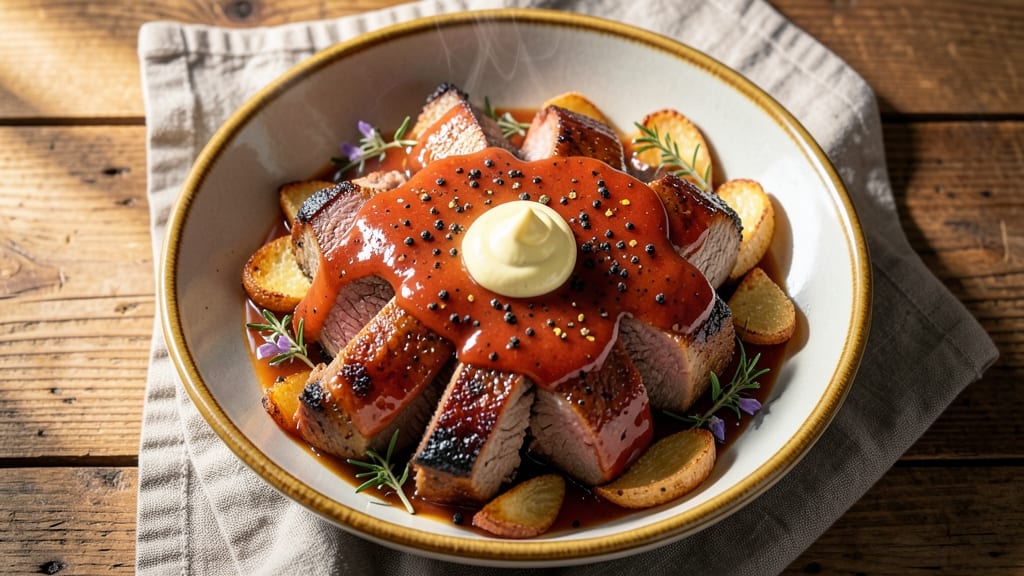
This Australian corned beef recipe delivers restaurant-quality results with its signature spiced brine and slow-cooked tenderness. The secret lies in a balanced blend of mustard, bay leaves, and coriander that creates crispy edges while keeping the meat perfectly juicy inside.
I developed this recipe after years of perfecting the Irish-Australian tradition that defines Sunday roasts down under.
The process begins with a 24-hour brine that transforms tough beef into melt-in-your-mouth perfection, followed by slow oven cooking that renders fat for maximum flavor. What makes this version special is the precise spice balance—enough heat to wake up the palate without overpowering the natural beef flavor.
The result is a dish that's both comforting and impressive, perfect for family gatherings or special occasions.
By the time you serve it, you'll have perfectly tender beef with crackling edges that hold up to every bite. The aromatic spices infuse the meat throughout, while the slow cooking ensures it stays moist and flavorful.
This is the kind of corned beef that makes people ask for seconds—and thirds. Serve with classic sides like creamy mashed potatoes or tangy pickled vegetables for the full Australian experience.
Whether you're celebrating a holiday or simply craving a hearty meal, this recipe delivers professional-quality results at home. The key is patience—the 24-hour brine and slow cooking transform ordinary beef into something extraordinary. Let's get started on creating your perfect Sunday roast.
Ingredients for australian corned beef
Six ingredients transform tough beef into melt-in-your-mouth perfection with crispy edges and deep flavor.
| Ingredient | Amount | Notes |
|---|---|---|
| Beef Brisket 🥩 | 3 lb | Tough cut, well-marbled preferred |
| Yellow Mustard 🌶️ | ½ cup | Dijon-style for depth of flavor |
| Bay Leaves 🍃 | 4 whole | Fresh or high-quality dried |
| Ground Coriander Seeds 🌿 | 2 tbsp | Freshly ground for best aroma |
| Kosher Salt 🧂 | 1 ½ cups | Diamond Crystal preferred |
| Black Peppercorns 🌶️ | 1 tbsp | Freshly cracked for intensity |
| Garlic Cloves 🧄 | 8 cloves | Peeled, smashed slightly |
| Onions 🧅 | 2 whole | Yellow, peeled, halved |
| Beef Broth 💧 | 2 cups | Homemade or quality store-bought |
| Apple Cider Vinegar 🍎 | ¼ cup | For tangy depth |
| Brown Sugar 🍚 | ¼ cup | Light or dark, packed |
| Olive Oil 🫒 | 2 tbsp | For crisping the edges |
| Fresh Thyme 🌿 | 2 sprigs | Or 1 tsp dried thyme |
| Allspice Berries 🌶️ | 1 tsp | Crushed for complexity |
The beef is everything here—brisket is ideal for its fat content and texture, but chuck roast works too. Look for well-marbled cuts at local butchers or the meat department at Whole Foods. The mustard and vinegar create that signature tang, so don't skimp on quality—French's Yellow Mustard or Maille are my go-tos. Fresh bay leaves add a subtle floral note that dried can't match, but if you must use dried, double the amount. The coriander seeds? Toast them lightly in a dry pan before grinding to deepen their aroma—trust me on this.
No Dijon mustard? Substitute with regular yellow mustard plus 1 tsp honey for similar depth. Out of coriander seeds? Ground coriander powder works at half the amount, but it won't have the same complexity. The beef broth can be swapped for water in a pinch, but homemade or quality store-bought makes all the difference. Allspice berries are the secret weapon—if you can't find them, 1/4 tsp ground allspice is a decent substitute, though it lacks the peppery bite. For the onions, red onions add sweetness, while yellow give more bite—use whatever you have on hand.
This brine needs 24 hours to work its magic, so plan ahead. Store it in a large glass jar or non-reactive container in the fridge. The cooked beef keeps 3-4 days in the fridge, reheating beautifully in the oven at 300°F until warmed through. For crispy edges, pat the beef dry before searing—this is non-negotiable. Leftovers? Shred the meat and use it in sandwiches or tacos for the next day—it's even better cold.
Why You'll Love This Recipe
- One-Pot Magic: I swear by this—just brisket, mustard, and a handful of spices in one pot. No chopping, no fussing with layers, and the coriander seeds do all the work while you sip your coffee.
- Taste Like a Pub: That yellow mustard and bay leaves? They’re the secret—tangy, earthy, and just salty enough. Honestly, it’s the kind of beef that makes you want to eat it straight from the pan (but don’t).
- Leftovers That Don’t Suck: Cold slices the next day? Still incredible. I pack it in wraps for lunches or toss it into salads—no one ever complains. (Yes, even my picky teen.)
- Budget Beef That Feeds: A whole brisket feeds a crowd for half the price of steak. The coriander seeds cost pennies, and the salt? You already have it. This is my go-to for gatherings where I’d rather spend money on wine than meat.
Step-by-step instructions for Australian corned beef with spiced brine
Here's how to transform tough brisket into melt-in-your-mouth perfection with that signature Australian crispy edge.
Prepare the Spiced Brine for Maximum Flavor
In a large non-reactive bowl, combine the 1.5 cups kosher salt, 0.5 cup yellow mustard, 2 tbsp ground coriander seeds, 1 tbsp cracked black peppercorns, 8 smashed garlic cloves, 2 whole onions (cut into wedges), 0.25 cup brown sugar, 0.25 cup apple cider vinegar, 2 sprigs fresh thyme, and 1 tsp crushed allspice berries. Mix vigorously with your hands until the salt dissolves completely and you have a thick, aromatic paste.
This blend creates the perfect balance of sweet, tangy, and spiced flavors that penetrate the meat. The mustard adds depth while the vinegar and brown sugar create that signature caramelized crust. Spread the mixture evenly over the 3 lb beef brisket, pressing it into all surfaces including the fat cap. Cover and refrigerate for 48 hours, turning the brisket every 12 hours to ensure even curing.
Braise Until Fork-Tender with Crispy Edges
Preheat your oven to 300°F. Place the brined brisket fat-side up in a Dutch oven with a tight-fitting lid. Pour in the 2 cups beef broth to create a shallow braising liquid. Bring to a simmer on the stovetop over medium heat, then transfer to the preheated oven.
Braise uncovered for 4 hours, then carefully flip the brisket and add 2 tbsp olive oil to the pan. This creates a barrier that will crisp the edges when you finish. Return to the oven and cook an additional 2 hours until the internal temperature reaches 200-205°F and the meat is fork-tender with a deep pink center.
Develop the Crispy Australian Crust
Remove the brisket from the oven and increase the heat to 425°F. Place the brisket on a wire rack set over a baking sheet. Let it rest for 10 minutes while you preheat the oven. This step is crucial for achieving that signature Australian crispy edge.
Return the brisket to the oven and broil for 8-10 minutes, turning once, until the edges are deep golden brown and crispy. Watch carefully as broilers vary—you want that perfect balance between crisp and tender. The high heat caramelizes the sugars in the brine while creating that coveted crust.
Rest and Slice for Perfect Texture
Transfer the brisket to a cutting board and tent loosely with foil. Let it rest for at least 30 minutes before slicing against the grain into ¼-inch thick slices. This resting period allows the juices to redistribute, ensuring each bite is moist and flavorful.
The slices should pull apart easily with a gentle tug, revealing that beautiful pink center and crispy edges. Serve immediately with the braising liquid reduced by half for a rich gravy, or use it to baste the slices during serving. The combination of tender meat with that signature crispy texture makes this Australian-style corned beef truly unforgettable.
Pro Tips For Making Australian Corned Beef
- Salt the Brisket Night Before: The corned beef’s magic starts with osmosis—rub the brisket with double the kosher salt (about 1.5 tbsp per pound) and let it sit uncovered in the fridge overnight. I learned this the hard way: skipping it means the crust stays pale and the seasoning clings like a wet sock.
- Crush the Coriander Seeds: Don’t just sprinkle whole coriander seeds—they’ll sit like pebbles in your mustard glaze. Toast them in a dry pan for 30 seconds first, then grind them into a powder. This releases their aroma and blends smoothly into the mustard mix, giving that authentic Aussie depth.
- Start with a Hot Pan: Get your pan ripping hot before adding the brisket—no, really, until it’s smoking. This sears the meat fast and locks in juices, so it doesn’t turn into a sad, gray slab. I used to hover over it like a nervous parent, and the results were always mushy.
- Rest Under Foil: After cooking, tent the brisket with foil and let it sit for 10 minutes. This keeps it from drying out when you slice it—trust me, your knife will thank you. I know, I know, you’re eager to eat it, but cutting into it too soon means juices pooling on your plate instead of your meat.
Troubleshooting this dish
Brine Not Penetrating
If your beef feels dry or the brine isn't absorbing after 24 hours, try these fixes: First, ensure your beef is fully submerged in the brine mixture. I often add a plastic wrap over the brisket to force it under the liquid.
Also, check your salt ratio—too little salt means the brine won't penetrate properly. For extra insurance, pierce the meat with a fork in several places before brining to create pathways for the spices. 🌡️
Meat Too Tough After Cooking
Overcooking is the #1 reason for tough corned beef. Use a meat thermometer to monitor the internal temperature—never exceed 205°F. If your brisket hits this temp but still feels tough, extend the resting time to 45 minutes before slicing.
For extra tenderness, try pounding the meat lightly with a meat mallet before brining, but don't overdo it—this works best with thicker cuts.
Crust Not Crispy Enough
The 8-10 minute broil is critical for that signature Australian crisp. If your edges aren't crispy, try these adjustments: First, pat the beef dry with paper towels before broiling—moisture is the enemy of crispiness. Second, use a wire rack instead of a baking sheet to allow air circulation.
Finally, if your oven runs hot, reduce the broil time to 6-8 minutes and watch closely. A light spray of olive oil before broiling can also help create a better crust. 🔥
Braising Liquid Too Thin
If your braising liquid evaporates too quickly, the beef may dry out. To fix this, reduce the oven temperature to 275°F instead of 300°F—this slows evaporation while still cooking the meat. Alternatively, add ½ cup beef broth every hour during the braising process.
For extra richness, deglaze the Dutch oven with apple cider vinegar after removing the beef, then reduce it to a glaze before serving. This adds depth to both the meat and the gravy.
Uneven Cooking or Cold Spots
Uneven cooking often happens when the beef isn't positioned properly in the Dutch oven. Always place the fat side up—this helps conduct heat more evenly. If you notice cold spots, rotate the Dutch oven halfway through cooking.
For thicker cuts, consider adding a second layer of broth after the first 2 hours of cooking. A meat thermometer is non-negotiable here—probe the thickest part to ensure even doneness. 💡
Spices Overpowering the Beef
If the spices dominate instead of complementing the beef, adjust the ratios: Reduce the ground coriander seeds to 1 tbsp and allspice berries to ½ tsp. The mustard and vinegar are the real flavor drivers—balance them with 1 extra tbsp brown sugar to mellow the acidity.
For a milder taste, rinse the beef briefly under cold water after brining (but before cooking) to remove excess surface spices. Taste your brine mixture before applying—it should be bold but not overwhelming.
Nutrition facts
Frequently asked questions
Why does Australian corned beef need such a long brine time?
The 48-hour brine is essential for tenderizing the tough brisket cut while infusing it with those signature Australian flavors. The salt and spices break down muscle fibers, creating that melt-in-your-mouth texture. Think of it as a flavor marinade that transforms ordinary beef into something extraordinary—just like the Irish-Australian tradition demands!
Can I use a different cut of beef instead of brisket?
While brisket is ideal, you can substitute with chuck roast or bottom round—both work well with this method. Just be prepared for slightly different cooking times. Avoid lean cuts like sirloin, as they won't develop the same rich texture. The key is choosing a well-marbled cut that can handle the long braising process.
What's the best way to reheat leftover Australian corned beef?
Slice the leftovers and reheat in the oven at 300°F until warmed through (about 20-25 minutes). For extra crispiness, broil for 2-3 minutes at the end. Avoid microwaving—it makes the meat rubbery. Pro tip: Add a splash of beef broth to the pan to keep it moist while reheating.
How do I make this recipe vegetarian?
For a plant-based version, replace the beef with extra-firm tofu or seitan cut into thick slices. Use the same brine (without salt) for 12 hours, then pan-sear and slow-cook in vegetable broth. The spices will still create that signature flavor, though the texture will be firmer. Serve with the same sides for a satisfying meal!
What sides pair best with Australian corned beef?
Classic choices include creamy mashed potatoes, buttery boiled cabbage, or tangy pickled vegetables. For something lighter, try a fresh green salad with a mustard vinaigrette. The rich flavors of the beef pair beautifully with crusty bread or sourdough rolls to soak up the juices. Don't forget the gravy—reduce the braising liquid for a perfect finishing touch!