
Main Courses
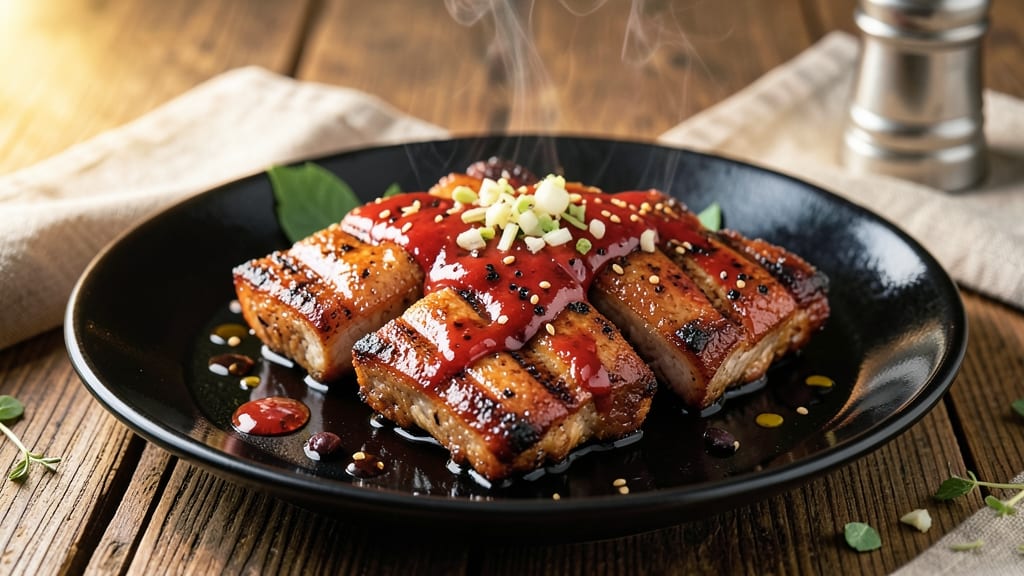
This Asian style beef ribs recipe delivers restaurant-quality tenderness with a crispy wok-fired crust and sweet-soy hoisin glaze that balances umami and caramelized depth.
The secret lies in marinating the ribs overnight with a blend of soy, hoisin, and aromatic spices, then finishing them over high heat for that signature char. I developed this method after years of experimenting with different glazes and cooking techniques—this version never fails to impress.
What sets these ribs apart is the two-stage cooking process: slow-braising to melt the collagen, followed by a quick sear in a screaming-hot wok or skillet. This creates tender meat with crisp edges that hold up beautifully when sliced.
The sauce isn't just sticky—it's packed with layered flavors from fermented black beans, garlic, and a touch of chili for heat. By the time you're done, you'll have ribs that are juicy, caramelized, and irresistibly sticky—perfect for serving over steamed rice or with quick-pickled vegetables.
The aroma alone will have everyone gathering at the table. This is comfort food with a sophisticated twist. The best part? These ribs reheat beautifully, making them ideal for meal prep or entertaining. Let's get started on creating ribs that taste like they came from your favorite Asian eatery.
Ingredients for asian style beef ribs
These restaurant-quality ingredients transform simple beef ribs into sticky, caramelized perfection with wok-fired crunch.
| Ingredient | Amount | Notes |
|---|---|---|
| Beef Ribs (Baby Back) 🥩 | 2 lb | Bone-in, meaty sections preferred |
| Hoisin Sauce 🍶 | ½ cup | Store-bought or homemade blend |
| Soy Sauce 🥢 | ⅓ cup | Kosher or Diamond Crystal preferred |
| Garlic Cloves 🧄 | 6 cloves | Minced, fresh for best flavor |
| Fresh Ginger 🌿 | 2 tbsp | Finely grated, peeled |
| Fermented Black Beans 🫘 | ¼ cup | Rinsed, chopped (or sub with 1 tbsp black bean paste) |
| Sesame Oil 🫒 | 1 tbsp | Toasted, for aroma |
| Brown Sugar 🍯 | ¼ cup | Packed, light or dark |
| Red Chili Flakes 🌶️ | 1 tsp | Adjust for heat preference |
| Cornstarch 🌾 | 2 tbsp | For crispy wok-fired crust |
| Neutral Oil (Avocado or Vegetable) 🫒 | ½ cup | High smoke point for searing |
| Green Onions 🧅 | ¼ cup | Sliced, for garnish |
| Sesame Seeds 🌱 | 1 tbsp | Toasted, for garnish |
| Kosher Salt 🧂 | 1 ½ tsp | Diamond Crystal preferred |
| Black Pepper 🌶️ | ½ tsp | Freshly cracked |
The ribs are the star—baby back ribs with good meat-to-bone ratio work best. Costco or your local butcher usually have them pre-cut, but if buying whole, trim excess fat for cleaner flavor. For extra tenderness, look for ribs with visible marbling. I always marinate mine overnight in a resealable bag—it keeps everything flavorful and easy to handle. The hoisin sauce? Lee Kum Kee is my go-to, but any brand with fermented depth works. Skip the watery versions.
No fermented black beans? Black bean paste from an Asian market is a perfect swap—just use half the amount. Fresh ginger is ideal, but substitute with 1 tbsp ground ginger if needed. The sesame oil adds aroma, but don’t overdo it—1 tbsp is plenty. For the wok-fired crust, the cornstarch is key—it creates that signature crunch. If you don’t have a wok, a cast-iron skillet works just as well. Want more heat? Add extra chili flakes or a dash of sriracha to the marinade. The brown sugar caramelizes beautifully, but coconut sugar works too for a deeper flavor.
Marinate ribs overnight in the fridge for maximum tenderness. The sauce keeps for 5 days in an airtight container, and the ribs reheat beautifully—just 10 minutes at 350°F with a splash of water. For meal prep, portion the ribs into containers with sauce and store separately. The sauce thickens as it cools, so warm it gently before serving. Garnishes like sesame seeds and green onions add freshness—add them right before serving so they stay crisp.
Why You'll Love This Recipe
- Fewer Ingredients, Bigger Impact: I swear by this combo—just ribs, hoisin, soy, garlic, and ginger. That’s it. No confusing spice blends or obscure sauces lurking in your pantry. The hoisin alone adds that sticky-sweet depth, while the ginger cuts through the richness like a cool breeze.
- Sweet-Savory Magic: Between us, the balance here is chef’s kiss—caramelized edges from the soy and hoisin, then the bright punch of fresh ginger and minced garlic. It’s the kind of flavor that makes you pause mid-bite, even if the ribs aren’t the prettiest on the plate.
- Leftovers That Don’t Suck: I make these for Sunday dinner, and by Wednesday, I’m still eating them cold in wraps. The sauce clings to the meat, so they reheat like a dream—no sad, dry ribs here. Honestly, I plan my week around this.
- Weeknight-Friendly Flex: Slap them on the grill, toss them in a sheet pan, or even slow-cook them. They’re my go-to for game day, lazy Fridays, or when I’m too tired to fuss. (Yes, even on a Tuesday night.) The prep is minimal, but the payoff feels fancy.
Step-by-step instructions for Asian style beef ribs
Here's how to transform simple ingredients into restaurant-quality ribs with a perfect sweet-spicy glaze.
Prepare the Ribs and Marinade Base
Pat the 2 lb beef ribs dry with paper towels, removing any excess moisture from the surface. This ensures a better sear and helps the marinade penetrate. Cut the ribs into 2-inch sections, keeping the bone intact for structure.
In a mixing bowl, combine the 0.5 cup hoisin sauce, 0.33 cup soy sauce, 0.25 cup brown sugar, 1 tbsp sesame oil, 1 tsp red chili flakes, 1.5 tsp kosher salt, and 0.5 tsp black pepper. Whisk until the brown sugar dissolves completely and the mixture becomes smooth. This marinade forms the foundation of your flavor profile.
Marinate and Par-cook the Ribs
Place the rib sections in a large resealable bag and pour the marinade over them. Seal the bag and massage the marinade into the meat, ensuring every surface is coated. Refrigerate for at least 2 hours, or overnight for maximum flavor penetration. The longer they marinate, the more tender and flavorful the ribs will become.
After marinating, remove the ribs from the fridge and let them sit at room temperature for 30 minutes. This step is crucial for even cooking. Preheat your oven to 375°F and line a baking sheet with foil. Place the ribs on the prepared sheet and bake for 20 minutes, turning once halfway through. This par-cooking step ensures the ribs are tender before the final wok-frying stage.
Create the Crispy Cornstarch Coating
While the ribs are baking, prepare the crispy coating by combining the 2 tbsp cornstarch, 0.25 cup fermented black beans (chopped), 6 cloves minced garlic, and 2 tbsp finely grated fresh ginger in a bowl. The cornstarch creates a light, crispy crust that contrasts beautifully with the tender meat.
Heat 0.25 cup neutral oil in a wok or large skillet over medium-high heat until shimmering. Add the cornstarch mixture and stir-fry for 2-3 minutes until the cornstarch is golden and the mixture releases from the pan easily. Remove from heat and set aside. This coating will give your ribs that signature wok-fired crunch.
Wok-Fry for Maximum Crispiness
Increase the heat to high and add the remaining 0.25 cup neutral oil to the wok. Once the oil is smoking, carefully add the par-cooked ribs in a single layer. Let them sear undisturbed for 2 minutes per side until deeply browned. This high-heat searing creates that coveted crispy exterior.
Spoon the cornstarch mixture over the ribs, tossing gently to coat evenly. Cook for another 1-2 minutes until the coating becomes crispy and golden. The ribs should be sizzling loudly and developing a beautiful caramelized crust. Remove from heat immediately to preserve the crispiness.
Glaze and Garnish for Presentation
Return the ribs to the wok and pour any remaining marinade over them. Toss gently to coat the ribs with the glossy sauce. Cook for 30 seconds until the sauce thickens slightly and clings to the ribs. The sauce should be sticky and shiny, indicating it's ready.
Transfer the ribs to a serving platter and garnish with 0.25 cup sliced green onions and 1 tbsp toasted sesame seeds. Serve immediately while the ribs are hot and the coating is at its crispest. The combination of tender meat, sweet-spicy glaze, and crispy coating makes these ribs truly exceptional.
Pro Tips For Making Asian Style Beef Ribs
- CRISP THE GARLIC: Mince it fine—like you’re angry at it—and cook it in the pan until it’s golden, not just fragrant. I used to rush this, and the ribs ended up tasting like they were missing something. Two minutes of patience here makes the sauce sing.
- SIMMER LOW AND SLOW: Once the ribs hit the pot, drop the heat to a gentle bubble—no boiling. I learned this the hard way when my first batch turned out chewy. Let the sauce cling, not the water.
- PEEL THAT GINGER: Use a spoon to scrape off the skin—no peeler needed—and slice it thin. Thick chunks sit like rocks; your sauce will thank you. (Yes, even if you’re impatient like me.)
- SAVE THE HOISIN: Don’t dump it all at once—reserve half for finishing. Stir in a splash at the end to brighten the sauce and cut through any bitterness from over-reduced soy. Trust me, your ribs will taste fresher.
Perfect pairings for this recipe
Side Dish Harmony
Steamed jasmine rice is the perfect canvas for these ribs—its mild, slightly floral notes complement the sweet-spicy glaze without overpowering it. I serve 1 cup dry rice per person, cooked in a rice cooker with 1.5 cups water and a pinch of salt.
For extra flair, stir in 1 tsp toasted sesame oil and 1 tbsp chopped scallions after cooking. 🌾
Quick-pickled Napa cabbage adds a refreshing crunch and tangy contrast. Thinly slice 1 small head and toss with 2 tbsp rice vinegar, 1 tbsp sugar, 1 tsp salt, and 1 tsp grated ginger. Let sit for 20 minutes before serving—it cuts through the richness beautifully.
Sauce Pairings
A drizzle of sriracha mayo elevates these ribs to next-level status. Mix ¼ cup mayonnaise with 1 tbsp sriracha and 1 tsp lime juice—the cool creaminess balances the caramelized heat. I like to serve it in a small bowl for dipping or as a finishing sauce. 🌶️
For a lighter option, cucumber relish with 1 cup diced cucumber, 2 tbsp chopped cilantro, 1 tbsp lime juice, and ½ tsp salt refreshes the palate. The cool, crisp texture pairs perfectly with the ribs' smoky depth.
Beverage Balance
An iced jasmine tea with lemon slices cools the palate between bites. Brew 2 tbsp loose-leaf jasmine tea in 4 cups hot water, chill, and serve over ice with 1 tbsp honey and a lemon wedge. The floral notes harmonize with the ribs' umami richness. 🍵
For beer lovers, a light lager like Asahi Super Dry or Sapporo cleanses the palate without competing. The crisp, clean finish contrasts the ribs' bold flavors. If you prefer wine, a dry Riesling with its bright acidity works wonderfully.
Garnish Finishing
Fresh Thai basil leaves add a fragrant, slightly peppery note when sprinkled over the ribs just before serving. I like to bruise them slightly between my fingers to release their aroma. A few drops of chili crisp (like Sichuan chili oil) add heat and visual drama. 🌿
For a smoky touch, finish with toasted coconut flakes—their nutty sweetness complements the caramelized glaze. Toast 2 tbsp unsweetened flakes in a dry pan for 2 minutes until golden, then sprinkle generously over the ribs.
Nutrition facts
Frequently asked questions
Can I use pork ribs instead of beef ribs for this recipe?
While beef ribs work beautifully, pork ribs can also be used with some adjustments. Pork ribs are more forgiving and cook faster, so reduce the par-cooking time to 15 minutes instead of 20 minutes. The marinade and glaze will still work, but pork ribs are naturally more tender, so avoid overcooking. For extra flavor, add 1 tbsp honey to the marinade to complement the pork's natural sweetness.
How do I make these ribs spicier?
Boost the heat by adding 1-2 tbsp of gochujang (Korean chili paste) or 1 tbsp of chili garlic sauce to the marinade. For extra kick, sprinkle 1 tsp of crushed red pepper flakes directly on the ribs before wok-frying. If you love heat, finish with a drizzle of Sichuan chili oil or a few drops of sriracha before serving.
What’s the best way to reheat these ribs?
Reheat ribs in a 350°F oven for 10-12 minutes with a splash of water or broth in the pan. For a crispy texture, broil for 2-3 minutes at the end. Avoid microwaving—it makes the coating soggy. If reheating from frozen, add 5-10 extra minutes and cover loosely with foil to prevent drying.
Can I make the sauce ahead of time?
The sauce keeps for 5 days in an airtight container in the fridge. For best results, reheat it gently in a saucepan over low heat until warm and slightly thickened. If it separates, whisk in 1 tsp cornstarch mixed with 1 tbsp water to restore its glossy texture. Freeze any leftovers in ice cube trays for easy portioning later.
Why did my ribs turn out dry?
Overcooking or skipping the par-cooking step often causes dryness. Always par-cook the ribs first to tenderize the meat, then finish with the high-heat wok-fry. If using a grill, avoid direct flame too long—opt for indirect heat for most of the cooking time. For extra moisture, brush the ribs with 1 tbsp of honey or hoisin sauce during the last 5 minutes of cooking.