
Main Courses
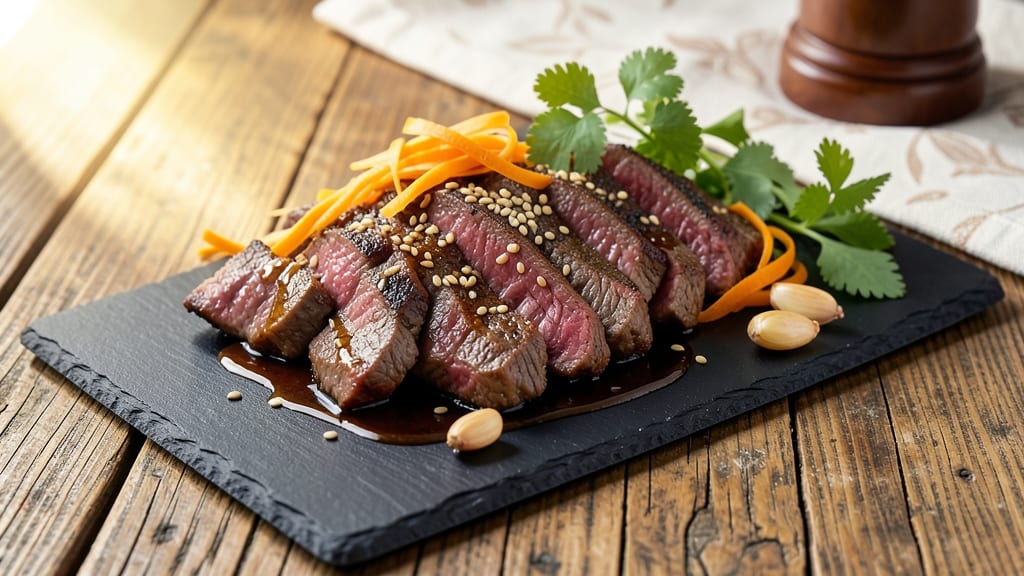
This Asian beef tartare recipe delivers restaurant-quality texture and bold flavors right at your home table. The secret lies in ultra-fine slicing and a perfect balance of umami-rich seasonings—soy, sesame, and a touch of chili—that transform tender beef into silky, melt-in-your-mouth bites.
What sets this version apart is the fresh herb zing that brightens each spoonful, making it far more complex than traditional preparations.
We begin with high-quality beef (specifically recommended cuts like ribeye or sirloin) that's sliced paper-thin against the grain, ensuring every bite has that signature tender yet slightly resistant texture.
The marinade—garlic, ginger, and a whisper of sesame oil—infuses flavor without overpowering, while a final sprinkle of toasted sesame seeds and scallions adds visual appeal and aromatic depth. Safety is paramount, so we'll cover proper handling techniques to ensure confidence in working with raw meat.
What you'll achieve is a dish that's both elegant and approachable—perfect for special occasions or weeknight dinners when you crave something sophisticated. The silky-smooth texture contrasts beautifully with crisp garnishes like avocado slices or pickled vegetables, while the bright seasoning cuts through the richness.
This isn't just a starter; it's a complete dining experience that pairs wonderfully with steamed jasmine rice or miso soup.
The beauty of this recipe lies in its versatility—adjust the heat level to your preference, swap in different herbs, or add a touch of lime zest for brightness.
Each component comes together in minutes, but the result feels like hours of careful preparation. Let's create a dish that's as impressive to serve as it is to eat.
Ingredients for asian beef tartare
High-quality beef, fresh herbs, and bold umami flavors transform this dish into a restaurant-worthy creation.
| Ingredient | Amount | Notes |
|---|---|---|
| Ribeye Steak 🥩 | ¾ lb | Center-cut, trimmed of fat |
| Fresh Ginger 🌿 | 1 ½ tbsp | Finely grated, aromatic |
| Garlic Cloves 🧄 | 4 cloves | Minced, fresh preferred |
| Soy Sauce 🍶 | 2 tbsp | High-quality, reduced |
| Sesame Oil 🫒 | 1 tbsp | Toasted, for aroma |
| Sesame Seeds 🌰 | 1 tbsp | Toasted, for crunch |
| Scallions 🧅 | 3 whole | Thinly sliced, white/green |
| Cayenne Pepper 🔥 | ½ tsp | Adjust for heat |
| Avocado 🥑 | 1 whole | Ripe, for garnish |
| Lime 🍋 | 1 whole | Zested, for brightness |
| Cilantro 🌿 | ¼ cup | Chopped, fresh preferred |
| Olive Oil 🫒 | 1 tbsp | Extra-virgin, for richness |
| Salt 🧂 | ½ tsp | Kosher, to taste |
| Black Pepper 🌶️ | ¼ tsp | Freshly ground |
| Jasmine Rice 🍚 | 1 cup | Steamed, for serving |
The beef is everything here—ribeye or sirloin with good marbling gives that signature tenderness. Ask your butcher for center-cut if possible, and trim any visible fat before slicing. For ginger, fresh is non-negotiable—the dried stuff just won't cut it. I always grab the organic ginger at Whole Foods when I'm making this, but the regular grocery store stuff works fine. The soy sauce should be reduced (like Kikkoman or Yamasa)—the deeper the color, the better the flavor. Toast your sesame seeds in a dry pan for 30 seconds until fragrant—game-changer for that nutty aroma.
No fresh ginger? Powdered ginger at half the amount works in a pinch, but you'll lose some depth. Swap soy sauce for coconut aminos if you're avoiding gluten, though the flavor won't be identical. Running low on sesame oil? Avocado oil at the same amount keeps the dish neutral until the sesame seeds add their punch. For the avocado, Hass variety is ideal—it holds its shape when sliced. If you're feeling fancy, add pickled vegetables (like cucumber or carrot) for that extra restaurant touch. The cilantro can be subbed with flat-leaf parsley if you're not a fan, but I find it adds a nice herbal contrast.
Store the beef in an airtight container in the coldest part of your fridge—use within 2 days for best texture. The finished tartare keeps for 1 day in the fridge, but honestly, it's best eaten fresh. For the sesame seeds, toast a fresh batch each time—they lose their punch fast. The jasmine rice reheats beautifully, so make extra for leftovers. This dish is all about presentation, so chill everything for 10 minutes before serving to set the textures perfectly.
Why You'll Love This Recipe
- No Knife Skills Needed: I swear by this—just dice the ginger and garlic, then pulse the ribeye in the food processor until it’s tender. No mincing, no stress, no tiny cuts on my fingers. The texture’s perfect every time.
- Umami Bomb: That ribeye? Rich and juicy, but the real magic is the soy-sesame-ginger punch. One bite and you’re hooked—salty, funky, with a whisper of heat that lingers. Honestly, it’s the kind of flavor that makes me want to eat it straight from the bowl.
- Party or Pantry: Serve it as a fancy appetizer with crispy wontons or toss it into rice bowls for a quick weeknight dinner. Leftovers? They’re my secret weapon for lunch the next day—just add a fried egg and call it a day.
- Budget Luxury: Ribeye can feel splurgy, but a single steak stretches into two servings here. The rest of the ingredients? Pantry staples. I’ve made this for date nights and solo movie nights—same great taste, zero guilt.
Step-by-step instructions for Asian beef tartare with fresh herb zing
This method transforms simple ingredients into a luxurious, restaurant-quality tartare.
Prepare the Ribeye for Perfect Texture
Begin by placing the 0.75 lb ribeye steak between two sheets of plastic wrap. Using a meat mallet, pound it to an even ¼-inch thickness—this ensures even cooking and silky texture. The center-cut portion is key here; it stays tender while developing rich flavor.
Season both sides generously with 0.5 tsp salt and 0.25 tsp black pepper, then place the steak in the freezer for 10 minutes. This cold shock firms the proteins, making them easier to slice paper-thin. Remove and let it sit at room temperature for 15 minutes before cooking—this prevents uneven doneness.
Cook the Steak to Exact Doneness
Heat a skillet over medium-high heat and add 1 tbsp olive oil. Once shimmering, add the steak and cook for 2 minutes per side—you're aiming for medium-rare (130°F internal temperature). The exterior should develop a deep sear while the interior remains cool and tender.
Transfer the steak to a cutting board and let it rest for 5 minutes. This resting period is crucial; it allows the juices to redistribute. While it rests, slice the steak against the grain into paper-thin strips—about ⅛-inch thick. You should end up with roughly 1 cup of sliced steak, perfect for serving.
Build the Flavor Base
In a medium bowl, combine the sliced steak with 1.5 tbsp finely grated fresh ginger and 4 cloves minced garlic cloves. Add 2 tbsp soy sauce and 1 tbsp toasted sesame oil, then gently fold everything together using a rubber spatula. The soy sauce will begin to tenderize the beef slightly, while the ginger and garlic infuse deep aromatic notes.
Season with 0.5 tsp cayenne pepper for a subtle kick—adjust to taste if you prefer less heat. Let the mixture sit at room temperature for 10 minutes to allow the flavors to meld. This is where the magic happens; the steak will absorb the seasonings and become even more tender.
Assemble with Fresh Herbs and Garnishes
In a separate bowl, combine 0.25 cup chopped cilantro, 3 whole thinly sliced scallions (white and green parts), and the zest of 1 whole lime. Gently fold this herb mixture into the steak preparation, reserving a small amount for garnish. The lime zest adds a bright citrus note that cuts through the richness of the beef and sesame oil.
To finish, drizzle with an additional ½ tbsp toasted sesame oil and sprinkle with 1 tbsp toasted sesame seeds. The seeds add a delightful crunch and visual contrast to the silky texture. Serve immediately over 1 cup steamed jasmine rice, with the reserved herbs and a slice of ripe avocado on the side for extra creaminess.
Plate and Serve with Confidence
Divide the tartare evenly among 4 serving plates, mounding the rice in the center and arranging the beef tartare artfully on top. Top each serving with a slice of avocado and a final sprinkle of sesame seeds. The avocado adds a luxurious creaminess that balances the bold flavors.
For an extra touch, squeeze a little fresh lime juice over the top just before serving—this enhances the brightness and ensures every bite is vibrant. Pair with a crisp white wine or a cold beer to complement the dish's complexity. The result is a dish that's both elegant and approachable, perfect for impressing guests or treating yourself to a special meal.
Pro Tips For Making Asian Beef Tartare
- Freeze the Steak First: I learned this the hard way—skipping the 30-minute freeze makes slicing ribeye into paper-thin strips a struggle. Pop it in the freezer, then slice against the grain while still cold (but not rock-hard). The texture stays tender, and you’ll get those perfect, even strips every time.
- Grind the Ginger Fine: Fresh ginger adds serious flavor, but chunky pieces just sit there. Use a microplane or food processor to turn it into a paste—this way, it blends seamlessly with the beef and garlic. No food processor? A sharp knife and a lot of elbow grease work, but the paste is worth the effort.
- Rest the Meat Before Mixing: Raw beef tartare needs time to relax after slicing—give it 10 minutes in the fridge before combining with the marinade. This prevents the meat from turning mushy when you add soy sauce and sesame oil. Trust me, your future self will notice the difference.
- Balance the Soy Sauce: Asian beef tartare needs soy for depth, but too much kills the fresh flavors. Start with just 1 tablespoon (even if the recipe says 2) and taste as you go. You can always add more, but you can’t take it out. Sesame oil should finish it—just a drizzle at the end.
Best sauces and condiments for this dish
Classic Soy-Ginger Drizzle
Start with a simple yet transformative soy-ginger drizzle made by whisking together 1 tbsp soy sauce, 1 tsp toasted sesame oil, ½ tsp grated ginger, and ½ tsp honey. This balances the tartare's richness with a perfect umami-sweet contrast.
Drizzle lightly over the finished dish just before serving to preserve freshness. For extra depth, add a pinch of white pepper—it adds warmth without overpowering. 🍶
Spicy Sriracha-Mayo Twist
Mix 1 tbsp mayonnaise with ½ tsp sriracha, ½ tsp lime juice, and a pinch of salt for a creamy, spicy kick. This sauce works beautifully as a dip for the tartare or as a drizzle to elevate the dish's heat.
For a smoother texture, blend with ½ tsp sesame paste—it adds nutty complexity. Trust me, this becomes an instant crowd-pleaser. 🌶️
Sweet Chili-Lime Glaze
Combine 1 tbsp sweet chili sauce (like Huy Fong), ½ tsp lime zest, and ¼ tsp grated ginger for a vibrant, tangy glaze. Simmer gently for 2 minutes to thicken slightly, then strain if you prefer a smoother finish.
Drizzle over the tartare and garnish with toasted coconut flakes for a tropical-inspired twist that pairs perfectly with the beef's richness. ✨
Miso-Garlic Butter Sauce
For a luxurious touch, melt 1 tbsp unsalted butter with ½ tsp white miso paste and 1 minced garlic clove over low heat. Stir in ½ tsp rice vinegar and a pinch of salt for balance.
This sauce adds a deep, savory depth that complements the tartare's fresh herbs. Drizzle sparingly—it's rich but not overpowering. 💛
Pickled Vegetable Relish
Quick-pickle ½ cup thinly sliced cucumber and ½ cup carrot in 2 tbsp rice vinegar, 1 tsp sugar, and ½ tsp salt for 30 minutes. Drain and mix with 1 tsp chopped cilantro for a bright, crunchy topping.
This adds texture and acidity that cuts through the beef's richness. Serve alongside or spoon over the tartare for a refreshing contrast. 🥒
Sesame-Citrus Vinaigrette
Whisk 2 tbsp rice vinegar, 1 tbsp toasted sesame oil, 1 tsp honey, and ½ tsp grated lime zest for a zesty, aromatic dressing. Drizzle over the tartare and garnish with sesame seeds and scallions**.
This light yet flavorful sauce enhances every bite without overwhelming the dish. Perfect for those who prefer a lighter touch. 🍋
Nutrition facts
Frequently asked questions
Can I use a different cut of beef for this recipe?
For the best results, stick with ribeye or sirloin—they're tender and flavorful. Avoid tougher cuts like flank steak or chuck, as they won't achieve that signature silky texture. If you must substitute, filet mignon works well but can be pricier. Always ask your butcher for center-cut portions to maximize tenderness.
How do I know when the beef is sliced thin enough?
The slices should be paper-thin—about ⅛-inch thick—and nearly translucent at the edges. If you hold a slice up to the light, you should see through it easily. Use a sharp knife and slice against the grain for maximum tenderness. Practice makes perfect, and the first few slices might be thicker before you get the hang of it.
Is it safe to eat raw beef tartare?
Yes, but only if you use fresh, high-quality beef and handle it properly. Always buy beef from a trusted source, keep it refrigerated at 40°F or below, and cook it to 130°F internal temperature before slicing. Avoid tartare if you're pregnant, immunocompromised, or serving to vulnerable groups. For extra safety, marinate the beef for 10 minutes before serving—this helps tenderize and adds flavor.
Can I make this dish ahead of time?
Freshness is key for beef tartare, but you can prep components ahead. Store the sliced beef separately in an airtight container in the fridge for up to 2 days. Keep the seasonings and garnishes in a separate container. Assemble the dish just before serving to maintain the best texture and flavor. The rice can be made ahead and reheated gently with a splash of water.
What’s the best way to adjust the heat level?
Start with the 0.5 tsp cayenne pepper as written, then adjust to taste. For a milder version, reduce to ¼ tsp or swap for ½ tsp gochujang (Korean chili paste) for a sweeter, deeper heat. If you love spice, add ½ tsp chili crisp or a dash of sriracha at the end. Always taste as you go—flavors meld differently when mixed with other ingredients.