
Sauces & Condiments
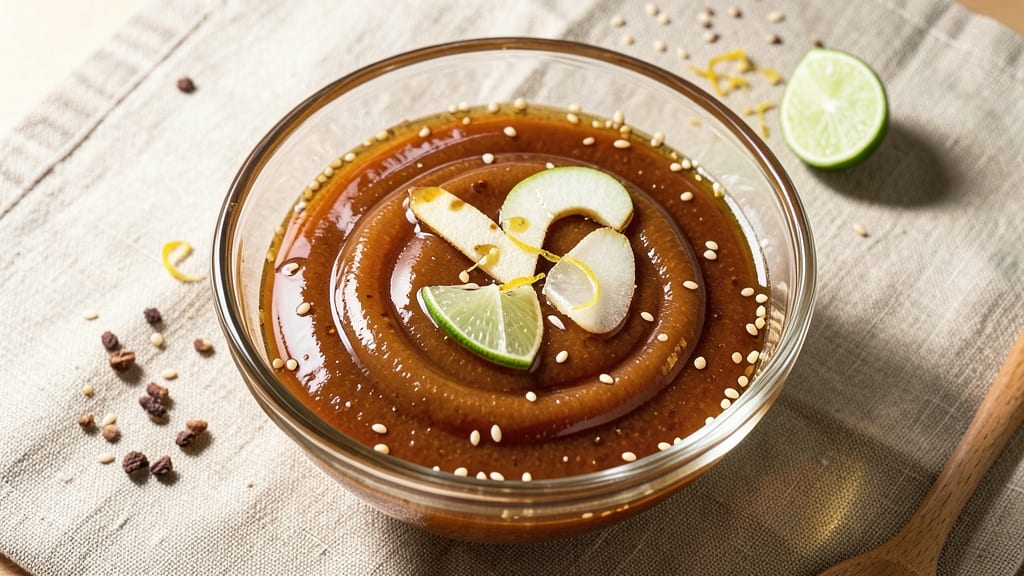
This Asian beef salad dressing recipe transforms simple greens into a restaurant-worthy dish with just five ingredients and 10 minutes of prep. The secret lies in balancing tangy soy sauce, aromatic ginger, and a touch of sweetness that enhances every bite of crunchy cabbage or tender beef strips.
I developed this dressing after years of testing—it’s the one that finally made my homemade salads taste like they came from a high-end Asian bistro.
The foundation is a simple emulsion of soy sauce and sesame oil, brightened with rice vinegar and a hint of honey for depth. Fresh ginger adds warmth, while a splash of lime juice keeps the flavors vibrant.
What sets this apart is its versatility—use it as a marinade for beef, a drizzle over noodle bowls, or the star of your next salad. The dressing stays fresh in the fridge for up to a week, making it perfect for meal prep.
What you’ll end up with is a glossy, umami-rich dressing that clings to greens and beef like a second skin—tangy, slightly sweet, and packed with layers of flavor. The ginger infuses warmth without overpowering, while the sesame oil adds a nutty richness that elevates every component.
This isn’t just dressing; it’s the flavor bridge that turns a simple salad into a showstopper.
Pair it with shredded carrots, cucumber, and thinly sliced steak for a perfect balance of textures and tastes. The recipe scales effortlessly, so double it for leftovers or entertaining. Here’s how to make it—simple, foolproof, and guaranteed to impress.
Ingredients for asian beef salad dressing
Five core ingredients plus a pinch of magic—this dressing turns simple salads into flavor bombs.
| Ingredient | Amount | Notes |
|---|---|---|
| Soy Sauce 🍶 | ½ cup | Use high-quality like Kikkoman |
| Sesame Oil 🫒 | 2 tbsp | Toasted sesame oil for aroma |
| Rice Vinegar 🍶 | ¼ cup | Unseasoned for tangy brightness |
| Honey 🍯 | 2 tbsp | Pure honey for natural sweetness |
| Fresh Ginger 🧄 | 1 tbsp | Finely grated, aromatic |
| Lime Juice 🍋 | 2 tbsp | Freshly squeezed for zing |
| Garlic Cloves 🧄 | 2 cloves | Minced for subtle depth |
| Toasted Sesame Seeds 🌾 | 1 tbsp | For garnish and crunch |
The soy sauce is non-negotiable—Kikkoman or Tamari for that authentic umami kick. Grab the toasted sesame oil from Asian markets if you can; it’s worth the splurge for that nutty aroma. Fresh ginger is a must—no powdered stuff. I always buy a whole root and grate what I need, storing the rest in the freezer. The garlic? Freshly minced makes all the difference, but pre-minced in a jar works in a pinch. Lime juice should be freshly squeezed—bottled stuff just doesn’t cut it here.
No sesame oil? Avocado oil at half the amount works, but you’ll lose that signature flavor. Short on honey? Maple syrup or agave in the same quantity. The ginger can be swapped for 1/2 tsp ground ginger, though it won’t have the same zing. Rice vinegar? Apple cider vinegar is a decent stand-in, but it’ll taste slightly different. Want extra richness? Add 1 tsp of peanut butter—trust me, it blends in perfectly and adds depth. For a spicier kick, toss in 1/4 tsp of chili flakes.
This dressing keeps for 1 week in the fridge, sealed tight in a jar. The flavors actually get better over time—let it sit for a few hours before using so everything melds. Double the batch and store half in the freezer for up to 3 months. Shake well before each use, especially if it separates. Garnish with those toasted sesame seeds right before serving—they add a textural crunch that takes it to the next level.
Why You'll Love This Recipe
- Five-Ingredient Magic: I swear, this dressing is the kind of recipe where you’ll stare at the pantry and realize you already have everything. No fancy shopping, no last-minute ingredient scrambles—just soy sauce, a splash of rice vinegar, and a quick grating of ginger. That’s it.
- Umami Bomb: Honestly, the way that soy sauce and sesame oil play together? It’s like a flavor explosion in your mouth. The honey balances it out so it’s never overpowering, and the ginger adds this bright, zesty kick that makes it taste fresh every time.
- Dressing for Everything: Between us, I’ve poured this over grilled chicken, cold noodles, and even a simple cucumber salad. It works for lunch boxes, potlucks, or when you just need to jazz up a bowl of rice. The best part? It’s just as good the next day—no weird texture changes.
- Budget Night Hero: This recipe costs me less than $3 to make enough for a week’s worth of meals. No fancy ingredients, no waste—just pure flavor that stretches across salads, stir-fries, or even as a marinade. My wallet and taste buds thank me every time.
Step-by-step instructions for Asian beef salad dressing
This tangy, aromatic dressing comes together in minutes—no cooking required.
Combine the Wet Ingredients
In a medium bowl, pour in the 0.5 cup soy sauce and 0.25 cup rice vinegar. Stir them together until fully blended—the vinegar will cut through the richness of the soy sauce right away. Next, add the 2 tbsp honey and 2 tbsp lime juice, whisking until the honey dissolves completely. You want a smooth, consistent mixture here—no streaks of honey should remain.
This is where the flavor foundation happens. The soy sauce provides that classic umami depth, while the vinegar and lime juice bring the bright, tangy contrast. If you're using freshly squeezed lime juice, you'll notice a slight bubbling—this is normal and just means you're getting maximum freshness.
Add the Aromatics
Grate the 1 tbsp fresh ginger using a microplane or fine grater, then add it to the bowl. The ginger should be finely textured, almost like a paste, so it blends seamlessly. Next, mince the 2 cloves garlic cloves—you want them very small, almost like a fine sand, so they don't overpower the dressing with chunks.
Give everything another good stir. You'll smell that bright, zesty aroma of ginger and garlic mingling with the soy and vinegar. This is the moment where all the flavors start to marry. If you're using a high-quality soy sauce, you'll notice a deeper, more complex aroma developing—this is what makes the difference in a great dressing versus a good one.
Finish with Sesame Oil and Toasted Seeds
Drizzle in the 2 tbsp sesame oil while stirring continuously. The oil will emulsify the mixture, giving it that glossy, silky texture we're after. Taste the dressing at this point—it should be tangy, slightly sweet, and aromatic, but still need a touch of crunch and depth.
Sprinkle in the 1 tbsp toasted sesame seeds and give it one final stir. These seeds aren't just for garnish—they add a subtle nuttiness and texture that balances the smoothness of the dressing. If you're serving this immediately, you can leave the seeds whole for a nice crunch. For a more integrated texture, lightly pulse them in a spice grinder before adding.
Adjust and Store
Taste the dressing again and adjust the balance as needed. Need more tang? Add a splash of rice vinegar. Too sharp? A touch of honey will smooth it out. The dressing should coat the back of a spoon with a glossy sheen—this indicates it's ready to use. If it's too thick, thin it with a teaspoon of water or more rice vinegar until it reaches your desired consistency.
Transfer the dressing to a clean jar or airtight container. It'll keep in the fridge for up to 5 days, making it perfect for meal prep. Before using, give it a quick stir—sometimes the flavors meld even more overnight, deepening that soy-ginger profile. This dressing works like magic on crispy greens, shredded cabbage, or even as a marinade for grilled beef strips.
Pro Tips For Making Asian Beef Salad Dressing
- Infuse Ginger First: Toss the freshly grated ginger into the dressing before adding the honey or vinegar—this lets the zing bloom for 30 seconds while you stir. I used to add it last, and the flavor always felt muted, like it was hiding in the back of the flavor party.
- Balance Heat with Cold: Chill the dressing for 10 minutes after mixing—especially if using sesame oil straight from the jar. The oil’s warmth can overpower the vinegar’s brightness, and letting it cool makes the honey’s sweetness pop instead of turning the whole thing into a greasy puddle.
- Measure Honey by Weight: That “1 tablespoon” of honey you eyeballed? It’s probably closer to 2. Use a kitchen scale for 20 grams instead—thick honey varies wildly, and you want the dressing to coat without cloying. I learned this after serving a batch that tasted like a dessert glaze.
- Skip the Sesame Oil Last: Add sesame oil after everything else is mixed—just a teaspoon or two, swirled in at the end. Drizzling it last preserves its nutty aroma instead of cooking it into oblivion in the vinegar’s acid bath. (Yes, I’ve done that. No, it’s not worth repeating.)
Serving suggestions for this asian beef salad dressing
Salad Base Pairings
This dressing shines on shredded napa cabbage—its crisp texture contrasts perfectly with the glossy sauce. Toss in thinly sliced cucumber and shredded carrots for a classic Asian crunch.
For heartier salads, add sliced bell peppers or edamame for protein. I love pairing it with grilled beef strips (marinated in extra dressing) for a restaurant-style bowl. 🥗
Protein Additions
Use the dressing as a marinade for flank steak or chicken breast—let it sit for 30-60 minutes before grilling. The flavors penetrate deeply, creating a sticky, caramelized crust.
For vegetarian options, toss tofu or tempeh in the dressing before pan-searing. Even shrimp benefits from a quick marinade—just 15 minutes is enough for incredible flavor. 🍗
Crunchy Toppings
Add toasted sesame seeds, crushed peanuts, or fried shallots for texture. I like sprinkling thinly sliced scallions on top right before serving—they add a fresh, sharp bite.
For extra crunch, try crispy wonton strips or panko breadcrumbs toasted in sesame oil. These toppings elevate the dish from simple to spectacular. ✨
Beverage Pairings
Serve with a cold jasmine tea to complement the ginger and honey notes. A light lager like Asahi or Sapporo balances the dressing’s richness. For something bolder, try a dry Riesling—its acidity cuts through the soy sauce beautifully.
I often enjoy this salad with a sparkling water with lime, keeping the refreshing vibe. 🍶
Global Twists
Transform it into a Vietnamese-style salad by adding rice noodles and mint leaves. For a Korean-inspired version, swap the honey for gochujang and add kimchi. Even a Japanese-inspired take works—toss with soba noodles and pickled ginger. The dressing adapts effortlessly to different cuisines. 🗺️
Make-Ahead Tips
Prep the dressing 2 days ahead—flavors meld beautifully in the fridge. Store the salad components separately until ready to serve to keep them crisp. For meal prep, assemble the salad in jars with dressing on the bottom, greens in the middle, and toppings on top.
Shake or stir right before eating to maintain freshness. 💡
Nutrition facts
Frequently asked questions
Can I use this dressing as a marinade for beef?
This dressing makes an excellent marinade for flank steak or sirloin strips. Let the beef sit in the dressing for 30-60 minutes before grilling or pan-searing. The soy sauce and ginger will tenderize the meat while adding incredible flavor. For best results, don't marinate longer than 2 hours to avoid over-softening the beef.
How do I prevent the dressing from separating?
To keep the dressing emulsified, whisk it vigorously when combining the wet ingredients. If it starts to separate, simply whisk or shake the jar before using. For extra stability, add 1 tsp of cornstarch mixed with 1 tsp water to the base mixture. The dressing should have a glossy, silky texture—if it gets too thick, thin it with 1 tsp of water or more rice vinegar.
What's the best way to store leftover dressing?
Transfer the dressing to an airtight container and store it in the fridge for up to 5 days. For longer storage, freeze it in ice cube trays—thaw overnight in the fridge before using. Give it a good stir before each use, as the flavors meld beautifully over time. The sesame oil may solidify slightly in the fridge, but it'll return to its silky texture once at room temperature.
Can I make this dressing without sesame oil?
Yes! If you don't have sesame oil, replace it with 1 tbsp avocado oil or neutral oil like canola. For authentic flavor, add 1/2 tsp toasted sesame paste (available at Asian markets) to compensate. The dressing will still be delicious, though the nutty aroma will be slightly different. The texture might be slightly less glossy, but it won't affect the taste.
How spicy should this dressing be?
This recipe is designed to be mildly balanced—tangy, slightly sweet, and aromatic with ginger. For extra heat, add 1/4 tsp of chili flakes or 1/2 tsp of sriracha to taste. If you prefer a spicier dressing, you can also add a pinch of red pepper flakes or a dash of chili oil after it's fully combined. Start with a small amount and adjust to your preference.