
Main Courses
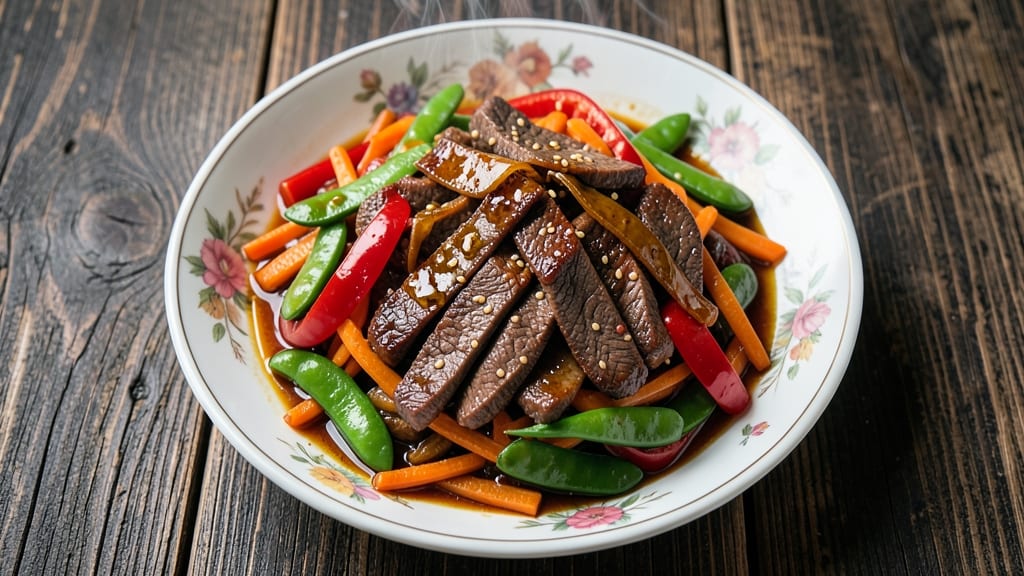
This Asian beef and vegetable stir fry recipe delivers restaurant-quality wok heat and umami depth in just 20 minutes. The secret lies in high-heat searing of beef strips and precise sauce integration—creating a balance of caramelized edges, crisp-tender vegetables, and a glossy sauce that clings to every bite.
I developed this method after years of perfecting stir-fry techniques, ensuring the beef stays juicy while vegetables maintain their crunch.
The foundation is a simple yet powerful sauce blend of soy sauce, ginger, garlic, and a touch of fish sauce for that signature umami punch.
We'll use flank steak for its lean texture and quick cooking time, paired with bell peppers, snap peas, and carrots that hold their structure through the high-heat dance. The key technique? Working in batches to maintain consistent heat and prevent steaming the vegetables.
What you'll end up with is a vibrant, aromatic stir fry where every component shines—caramelized beef with a slight char, crisp-tender vegetables that pop with color, and a sauce that's perfectly balanced between savory, slightly sweet, and umami-rich.
This dish transforms a simple weeknight dinner into a flavor-packed experience that tastes like it came from your favorite Asian bistro.
The best part? This recipe scales beautifully for meal prep or feeding a crowd. Garnish with sesame seeds and sliced green onions for freshness, or serve over steamed jasmine rice to soak up every last bit of that delicious sauce. Let's get cooking!
Ingredients for asian beef and vegetable stir fry
Restaurant-quality stir-fry starts with these 15 ingredients—simple but packed with umami and crunch.
| Ingredient | Amount | Notes |
|---|---|---|
| Flank Steak 🥩 | 1 lb | Thinly sliced against grain |
| Red Bell Pepper 🍆 | 1 whole | Sliced into thin strips |
| Green Snap Peas 🌽 | 1 cup | Trimmed, whole |
| Carrots 🥕 | 2 medium | Julienned into matchsticks |
| Asian Sesame Oil 🫒 | 1 tbsp | For high-heat wok cooking |
| Low-Sodium Soy Sauce 🍶 | ⅓ cup | Kikkoman preferred |
| Fresh Ginger 🌿 | 1 tbsp | Finely grated, fresh |
| Garlic Cloves 🧄 | 4 cloves | Minced, not pre-minced |
| Fish Sauce 🍶 | 1 tbsp | Red Boat preferred |
| Brown Sugar 🍯 | 1 tbsp | Light or dark |
| Cornstarch 🌾 | 1 tbsp | For sauce thickening |
| Sesame Seeds 🥜 | 1 tbsp | Toasted, for garnish |
| Green Onions 🧅 | 3 whole | Sliced into 1-inch pieces |
| Neutral Oil 🫒 | 2 tbsp | Avocado or vegetable oil |
| Diamond Crystal Kosher Salt 🧂 | 1 tsp | For seasoning |
Flank steak is your secret weapon here—look for well-marbled cuts at Whole Foods or your local butcher. Slice it thinly against the grain for maximum tenderness. The bell peppers? Red or yellow add the most vibrant color, but green works too. Snap peas are ideal, but frozen peas (thawed) are a great substitute if you're in a pinch. For the ginger, organic is best—it's easier to peel and more aromatic. I always grab mine from the Asian market section at Trader Joe's—their ginger stays fresh longer.
No fish sauce? Soy sauce plus a dash of oyster sauce gets you close, though it won't have that exact umami punch. Pre-minced garlic lacks freshness—smash whole cloves with the side of your knife for maximum flavor. The soy sauce matters: Kikkoman low-sodium is my go-to, but any good-quality soy sauce works. For the sesame oil, keep it separate from cooking oil—it's for finishing, not frying. The brown sugar adds just a touch of caramelization; coconut sugar works too if you're avoiding refined sugar.
This stir-fry reheats beautifully—just add a splash of water and a quick stir. Keeps for 4-5 days in the fridge, or 3 months frozen. I portion mine into glass containers with tight lids so it stays fresh longer. For meal prep, double the sauce and freeze it separately—thaw and toss with fresh veggies later. The sesame seeds? Toast them in a dry pan for 30 seconds before adding to the dish for extra nuttiness.
Why You'll Love This Recipe
- One-Pan Magic: I swear by this recipe when I’m too tired to scrub pots—just one skillet, a few minutes of tossing, and the sesame oil does half the work. The flank steak caramelizes right alongside the veggies, so you’re not stuck waiting for separate cooking times.
- Umami Bomb: That first hit of Asian sesame oil hitting the hot pan? Instant flavor upgrade. The snap peas add a bright crunch, the carrots soften just enough to soak up the sauce, and the red bell pepper gives it this sweet, smoky depth that makes it taste like you spent hours marinating.
- Lunchbox Hero: Between us, this is my go-to for meal prep. The flavors actually improve the next day—better than most takeout. Pack it in containers, and it’s a hit at work or school because it’s fresh-tasting but still hearty enough to fill you up.
- Budget Steakhouse Hack: Flank steak on sale? This is how you stretch it into a full meal without sacrificing taste. A pound feeds four easily, and the veggies bulk it up so no one feels shortchanged. Plus, the leftovers reheat like a dream—no dry, sad stir-fry here.
Step-by-step instructions for Asian beef and vegetable stir fry
This stir fry comes together faster than you can say "wok hei"—let's make it shine.
Prep the Flank Steak and Vegetables
Slice the 1 lb flank steak thinly against the grain into ¼-inch thick strips. This ensures tender bites that cook quickly in the hot wok. Pat the strips dry with paper towels—moisture prevents a proper sear.
While the steak rests, prep the vegetables. Slice the 1 whole red bell pepper into thin strips, trim the 1 cup green snap peas, julienne the 2 medium carrots into matchsticks, and slice the 3 whole green onions into 1-inch pieces. Finely grate the 1 tbsp fresh ginger and mince the 4 cloves garlic. Keep everything in separate bowls for quick assembly.
Create the Sauce Base
In a small bowl, whisk together the 0.33 cup low-sodium soy sauce, 1 tbsp fish sauce, 1 tbsp brown sugar, and 1 tbsp cornstarch. This sauce will coat the beef and vegetables perfectly, balancing sweet, salty, and umami flavors. Set it aside while you cook.
Toast the 1 tbsp sesame seeds in a dry skillet over medium heat for 1-2 minutes until fragrant and golden. Remove them and set aside for garnish later—they add a nutty crunch that elevates every bite.
Sear the Beef and Vegetables
Heat a wok or large skillet over high heat until it's screaming hot. Add the 2 tbsp neutral oil and swirl to coat. Add half the beef strips in a single layer and let them sear undisturbed for 1 minute until they develop a deep brown crust. Flip and cook another 30 seconds before removing to a plate. Repeat with the remaining beef.
In the same wok, add 1 tbsp asian sesame oil and toss in the red bell pepper, carrots, and snap peas. Stir-fry for 2-3 minutes until the vegetables soften but still retain a satisfying crunch. Add the ginger and garlic, cooking for 30 seconds until fragrant.
Combine and Finish the Stir Fry
Return the seared beef to the wok and pour in the sauce mixture. Toss everything vigorously for 1-2 minutes until the sauce thickens and coats the beef and vegetables evenly. The stir fry should look glossy and well-combined.
Taste and adjust seasoning—add a splash of water if the sauce is too thick, or a pinch more salt if needed. Garnish with the toasted sesame seeds and sliced green onions for freshness and texture. Serve immediately over steamed rice while everything is piping hot.
Pro Tips For Making Asian Beef And Vegetable Stir Fry
- Slice Steak Thin, Against Grain: Flank steak’s muscle fibers run long—cutting perpendicular means tender bites every time. Use a sharp knife and angle it low (almost flat) for clean slices, not jagged chunks. I’ve learned this the hard way: thick strips turn chewy even when cooked rare.
- Prep Veggies in Stages: Don’t overwhelm the pan. Cut bell peppers and carrots into even ½-inch pieces (peppers take longer to soften), but leave snap peas whole—they cook in 30 seconds. Toss them in separate bowls and add them in this order: carrots first, peppers next, peas last. Crowding the pan steams instead of sears.
- Salt the Steak Before Searing: Wet or dry rub? Neither. Pat the steak bone-dry, sprinkle with 1 tsp kosher salt (yes, even if it’s lean), and let it sit 10 minutes. This guarantees a crust—not a sad, sticky mess. I used to skip it, and the beef always tasted flat, no matter how much soy sauce I dumped in.
- Finish with Sesame Oil Late: Drizzle that fragrant sesame oil after the pan’s off heat, right when you plate. If you add it early, the heat burns off its delicate aroma. A splash at the end also lets you control the nutty richness—start with ½ tsp, taste, then add more if needed. (Pro move: Warm the oil first between your palms.)
Regional styles of these flavors
Cantonese Wok Style
This is the classic approach you'd find in Hong Kong or Guangzhou restaurants, where the focus is on high-heat searing and quick cooking. The beef should be sliced paper-thin against the grain and cooked in small batches to maintain that signature wok hei (breath of the wok) aroma.
Use a well-seasoned carbon steel wok for best results, and keep the heat at maximum—this is where the caramelization happens. I love adding a splash of Shaoxing wine (just 1 tbsp) to the sauce for that authentic depth. 🔥
Sichuan Spicy Twist
For a fiery kick, swap the fish sauce for 1 tbsp chili bean paste and add 1 tsp Sichuan peppercorns toasted in the oil. The peppercorns add a subtle numbing heat that pairs perfectly with the sweetness of the sauce.
I also stir in 1 tsp doubanjiang (fermented chili bean paste) at the end for that signature Sichuan tang. Serve with steamed buns or over rice to balance the heat.
Japanese Teriyaki Fusion
Here, we swap soy sauce for ½ cup mirin and ½ cup soy sauce, then add 1 tbsp honey to the sauce base. The beef gets brushed with a glossy teriyaki glaze while cooking, and we finish with 1 tbsp toasted sesame seeds and thinly sliced scallions.
This version is sweeter and stickier—perfect for those who love a balance of sweet and savory. 🍶
Thai Basil Stir-Fry
For a Thai-inspired take, add ½ cup holy basil leaves at the end and stir in 1 tbsp fish sauce plus 1 tsp palm sugar. The basil should wilt slightly but still retain its vibrant color.
I also toss in 1 tbsp oyster sauce for extra umami richness. Garnish with crushed peanuts and lime wedges for that authentic Thai street-food vibe.
Korean Bulgogi-Inspired
Marinate the beef in 2 tbsp soy sauce, 1 tbsp brown sugar, 1 tbsp sesame oil, and 1 tsp grated pear (for tenderness) for 30 minutes before cooking. After searing, add 1 tbsp gochujang (Korean chili paste) and 1 tsp toasted sesame seeds to the sauce.
The pear keeps the beef juicy, while the gochujang adds a smoky, spicy depth that’s pure comfort food. 🌶️
Vietnamese Caramelized
For a Vietnamese-inspired version, add 1 tbsp fish sauce and 1 tsp sugar to the sauce, then let it caramelize slightly before tossing with the beef. Finish with fresh cilantro and sliced jalapeños for brightness.
The key here is a longer caramelization—let the sauce bubble for 2-3 minutes before adding the beef to create a glossy, sticky glaze. Serve with rice noodles for a nod to pho flavors.
Nutrition facts
Frequently asked questions
Can I use a different cut of beef instead of flank steak?
Flank steak is ideal for its lean texture and quick cooking time, but you can also use sirloin or ribeye sliced thinly against the grain. Avoid fatty cuts like ribeye—too much fat can make the stir fry greasy. For extra tenderness, marinate leaner cuts like top round in soy sauce and cornstarch for 15-20 minutes before cooking.
How do I prevent the beef from getting chewy?
Slice the beef paper-thin against the grain—this shortens the muscle fibers for faster cooking. Pat the strips completely dry before searing, and cook them in small batches over maximum heat for just 1-2 minutes total. Overcrowding the pan steams the beef instead of searing it. A quick soak in cold water for 10 minutes before cooking also helps tenderize.
Can I make this stir fry ahead of time?
Yes, but with a few key adjustments. Cook the beef and vegetables as directed, then cool the stir fry quickly under cold water to stop the cooking process. Store in an airtight container for up to 4 days in the fridge. Reheat gently in a skillet with a splash of water or sauce to restore moisture. For best texture, add fresh veggies (like bell peppers) when reheating.
What's the best way to thicken the sauce if it's too thin?
If your sauce is too runny, mix ½ teaspoon cornstarch with 1 teaspoon cold water to create a slurry. Stir it into the simmering sauce and cook for 30-60 seconds until it thickens. For extra umami, add ½ teaspoon fish sauce or a pinch of MSG (if you're using it). Avoid adding too much cornstarch at once—it can make the sauce grainy.
Can I substitute snap peas with frozen peas?
Frozen peas work perfectly, but thaw them completely first and pat them dry to prevent excess moisture in the wok. For best texture, add them after the other vegetables have cooked for 1-2 minutes—this keeps them bright green and slightly crisp. Avoid pre-cooked frozen peas (like those in microwaveable bags) as they'll turn mushy.